Monthly Archives: August 2021

Blog: Changes – 08/25/21

I’ve been trying to put off this blog post for as long as I could, but there’s no more delaying the inevitable. This blog post will be the last one in this format. For as much as I’ve enjoyed putting up weekly content, there’s no denying that it’s gotten harder for me to maintain the pace, let alone the enthusiasm required to produce something worth reading with this regularity. But it doesn’t mean that The Bonus World is over, far from it actually. But this is going to be an adjustment.

Going forward, there won’t be anymore weekly blogs. While disappointing at first blush, it’s actually probably the best call for both the website and myself. If you’ve followed the site with any regularity (thanks for that by the way), you’ve probably noticed a tremendous dip in both the variety of content and the quality of it. While external factors are certainly at play here, the blog has become this bare minimum of content that doesn’t feel interesting or necessary anymore. It also cannibalizes a ton of other articles I could write, because it’s such a nebulous and wide bucket that just about anything could fall into.

It’s led to me getting complacent and bored with my own output here, which isn’t fair to my readers and isn’t fair to me. I find myself scrambling every Tuesday to think of anything I could write about in the hopes that by the next week I’ll have some actual inspiration to review something or whatever, but that never happens. I’m trapped in this vicious cycle with the blog where as long as I put something up on Wednesday, I can basically forget about the site. That’s a shitty way of operating the site, but it’s how things fell into place for me.

I also want to write other stuff on this site without having to hit this weekly deadline I’ve arbitrarily imposed on myself. The way I see it, if I can free up that energy from having to just put something up on the site and channel that into writing a thing that’s actually interesting, well that’s a win for me. I just hate seeing what I’ve allowed the blog to devolve into, which is just this weekly rambling that people continue to read for some reason. Thanks for that by the way.

But here’s the thing, the blog isn’t dying, it’s just not going to be weekly anymore. It’s going to arrive when it feels right and there’s something worth writing about that probably won’t be about video games. But with this scheduling and content change comes the other bit of news that’s probably a bit harder to deal with, and that’s the fact that it’s gonna be pretty quiet around here for a while.

On top of the content not interesting me, I’ve just been incredibly burnt out. I need to step away from writing about video games for a bit so I can recenter myself and regain that enthusiasm I once had. I plan on popping back in here from time to time to drop a review or something, but there won’t be much regularity to it for a while.

This is hard for me because I really love writing for this site, but it deserves so much better than what I’m giving it. So in my eyes the best decision is to essentially take a hiatus and let the inspiration come back to me. So that’s kind of it then for a while. If you wanna know when the site posts more stuff, you can punch in your email on the left side of the homepage to sign up for the “newsletter,” which is basically just an alert system for when this site posts something, or you can follow the very silent The Bonus World Twitter account which will also keep you posted about what’s going on.

The one thing I will say is that I do intend on doing Game of the Year stuff, so worst case scenario is that’s the first time you hear from me in a while, but I don’t think it’ll be that long before I return.

But yeah, that’s it for me gang. Thanks for rolling with me for so long. It’s time for a change, and unfortunately that change is going to take time. Stay safe out there everyone. I’ll see you soon.

-Ari
Blog: Rogue Strife – 08/18/21

I’ve mentioned in the past how the entire roguelike/roguelite genre of games are essentially incompatible with me as a person, but knowing that hasn’t stopped me from giving last year’s critically acclaimed Hades another shot when it released on Game Pass a few days ago. I wanted to see what all the fuss was about with Hades while possibly seeing if the, “it’s a roguelike for people who don’t like roguelikes” claim had any truth to it, and possibly changing my first impression with the game last year. Ultimately, I didn’t end up falling in love with the genre or Hades at all. I think I can explain it though.

I’ve tried so many roguelikes over the years, desperately trying to find my way into enjoying anything about these games. From Spelunky to The Binding of Isaac and more, none of the games managed to grip me in any meaningful way. In the case of The Binding of Isaac, I just found the whole vibe of that game pretty gross and repugnant, which cut my playing time short way sooner than the roguelike mechanics did.

But even games that didn’t make me want to barf from just looking at them, never managed to hold my interest for too long regardless of what kind of game was wrapped around it. Games like FTL and Into the Breach are both critically acclaimed roguelikes that aren’t a side-scrolling platformers or top-down shooters, but even their unique gameplay mechanics weren’t enough to get me to actually play more than once or twice.

So what’s the deal here then? Plenty of games are repetitive and have you doing the same thing over and over, so what is it about roguelikes that stand apart? The honest answer is that I don’t really know. My theory is that when I have to do something repetitive in a linear game, it’s in service of moving forward. Sure that sequence sucked, but I’ll never have to do it again unless I feel like replaying the game at some point. But with roguelikes, that is the game. The lack of progression in roguelikes is probably what gets me the most. Sure you’ll unlock new weapons or powers or whatever, but it doesn’t change the fact that I still have to trudge through painfully familiar levels with the same enemies as I did before.

I’m sure there are plenty of people that would take umbrage with that previous paragraph, but roguelikes always felt like a slower burn to me when it comes to progressing. It reminds me a bit of those factory games, where you have make everything run as efficiently as possible. The fun there is in optimizing every piece of the assembly line so that you’re getting the most of out your time and production. Roguelikes have a similar thing where you’re making progress to help you better make progress next time. Maybe it’s experience doublers, or better weapons, higher HP, or level shortcuts, but it all feels like a lot of micromanaging, which is something I truly do not enjoy in video games.

Games like Hades, Risk of Rain 2 and Dead Cells, managed to make a compelling argument for why I should actually keep playing, both of which have to do with their excellent gameplay. But that only can keep me interested for so long before I feel the repetitive grind start to wear me down.

These gripes and issues are entirely on me though and I recognize that. It’s my impatience and unwillingness to learn and commit these patterns to memory that’s holding me back from actually engaging with this genre in a meaningful way. Roguelikes seem like a pretty long-term commitment that requires you to play them with some regularity, and that’s the complete opposite of what I’m looking for in a video game these days. Give me something shorter with well-defined and clear goals that I can blaze through in a few hours, not a new craft for me to master.

I know plenty of people who are head-over-heels for roguelikes, and in some cases have built a considerable following around streaming them, but I just cannot muster any modicum of enthusiasm for the genre. It sucks to have to basically shut myself off from an entire genre, but if the “best roguelike around” can’t change my opinion, then it’s time to cut my losses and walk away from the genre entirely. I hope that we get more great roguelike games for the people who can actually enjoy them, but at this point I need to stop trying and just save my money.

The Master of Disaster: Wanderlust – 21

I’ve often heard from other creative-minded folks that one of their biggest problems is actually following through on an idea or a concept. I know I’ve encountered that a whole lot on this very website what with all the “grand plans” that never come to fruition, but instead of examining every aspect of my life that’s been a letdown, I want to look at this problem through the lens of running campaigns in Dungeons & Dragons. I’m always thinking of the next grand adventure I can take my players on even if it’s at the expense of what we’re actively doing, and that’s not great.

At the moment, my group is one month into what’s looking to be a two month hiatus from our Eberron campaign that we’ve been playing for what feels like an eternity. At first I considered this to be a boon considering I had been feeling pretty worn out from the constant creative output needed to sustain our weekly play schedule. I thought that this time away would allow me to essentially get the creative juices flowing once more, which they did… just in a different way.

I had a lot of grand plans ranging from content to mechanics that for our Eberron campaign that for the most part were included. I wanted to make sure that the story wasn’t exclusively told by me, which ultimately led to player decisions (and consequences) being the catalyst for most of the storytelling. I managed this by making sure that character creation was a more in-depth process, where I’d learn not only about their characters, but the NPCs that are important to said characters. Having all this lore and backstory come from the players themselves allowed me to craft a story that’s uniquely tailored to them. Sure, Dungeon’s & Dragons is all about reactive storytelling, but that usually takes some time to really be a factor in any campaign. Ultimately what I’m trying to say is that most of what I prepared for took place before the campaign actually started, which led to me having players that were engaged with the world and its events from the jump.

But even though I’d prepped and planned and put all this time and effort into our campaign, over the weeks and months that we’ve been playing, I’ve started to see the pieces of the experience that aren’t coalescing as well I’d have liked it to. From the setting to the lore, I’m seeing all of these things that I could have improved upon if only I had known how they’d eventually turn out, or if I could have seen how much of a pain in the ass a particular plot point or magic item would have been. Sure I can consider this a learning experience whose lessons I can utilize in our next campaign, but instead of waiting for that transition to come naturally, all I can think about is what could be next instead of what I can do right now.

Whether it be a D&D module, some home brewed setting or even an entirely different game altogether, the waterfall of ideas just keeps flowing. I’ve had ideas for classic fantasy bullshit themed games, space themed games, alternate history, wild west, modern day and so on and so forth, all of which I daydream about way more than our current campaign.

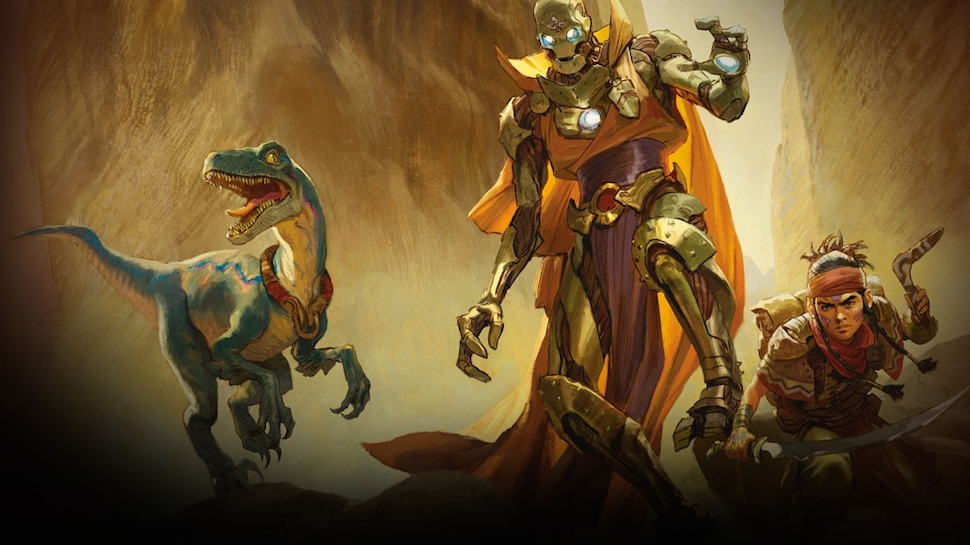
Eberron: Rising from the Last War – Wizards of the Coast

I’d consider this to be a pattern of behavior, where I get really excited about a thing and throw myself headfirst into it, only to burn out on it before I can finish. The amount of maps, music, and artwork I’ve made and sourced for this specific campaign is kind of staggering when I try to take stock of it all. From tons and tons of adventures I can plug into the game, to NPCs who might never see the light of day, to entire game systems that will never be played, to just pure story and lore I’ve written that’s just never going to be utilized, I have a lot of things I could do with our campaign but just never seem to have the energy to follow through on.

But I recognized this as a problem a few weeks ago when I found myself prioritizing literally anything else above actually working on the campaign. But now we’re in the middle of a hiatus, and all I want to do is just play D&D again, something I won’t be able to do for another few weeks. In that time I’ve looked into plenty of settings, modules and games that we could utilize for whatever is next, but with so many options and the inability to meet with all of my players to consider them, all I can do right now is really just work on our current campaign.

But just because our current campaign is the only D&D thing I can confidently work on right now doesn’t mean that I haven’t regained some excitement for it. Being away from that world has given a lot of time to reflect on what I can do to revitalize the experience for myself. While I’ve generated some cool new ideas I’m excited to implement, I’ve also had time to reconsider parts of the campaign that I had planned. It feels weird to say that I’ve been cutting content from our adventure, but I think removing those things is going to help the adventure feel more cohesive and understandable. It also means I can focus on the ending of our story and how I’m possibly going to put a neat little bow on this whole experience.

The moral of this story is that you shouldn’t be afraid to take a break from any creative endeavor if you need it. I personally was feeling drained for so long, and just needed time away from the entire concept of rolling dice and adding numbers. Now I feel refreshed and energized, eagerly waiting for the next session to finally come along, but there’s still more waiting and planning to be done before that happens. I should also consider writing down some of these ideas and expanding upon them rather than just having a list with meandering phrases on them like “dragon(s?)” or “A mountain with legs.”

Blog: Storied Stories – 08/11/21

One of the things I’ve noticed as I’ve gotten older is how it’s become harder and harder for me to dedicate the time and attention to story-focused games. There was a period of time throughout the last decade where you’d get games like The Walking Dead that told a great story, but didn’t really do anything interesting from a gameplay perspective. But despite not being anything special on the gameplay front, The Walking Dead‘s story and writing were so good that none of its shortcomings outweighed its strengths. I also don’t want to imply that it’s a one-or-the-other kind of situation where story-focused games can’t have good gameplay or vice versa, because there are plenty of games that have delivered on both elements. Regardless, I wanted to highlight some of my favorite story-focused games that I’ve played over the past few years that I think are well worth your time, if you, unlike myself, can actually dedicate time to these kinds of games anymore.


WHAT REMAINS OF EDITH FINCH

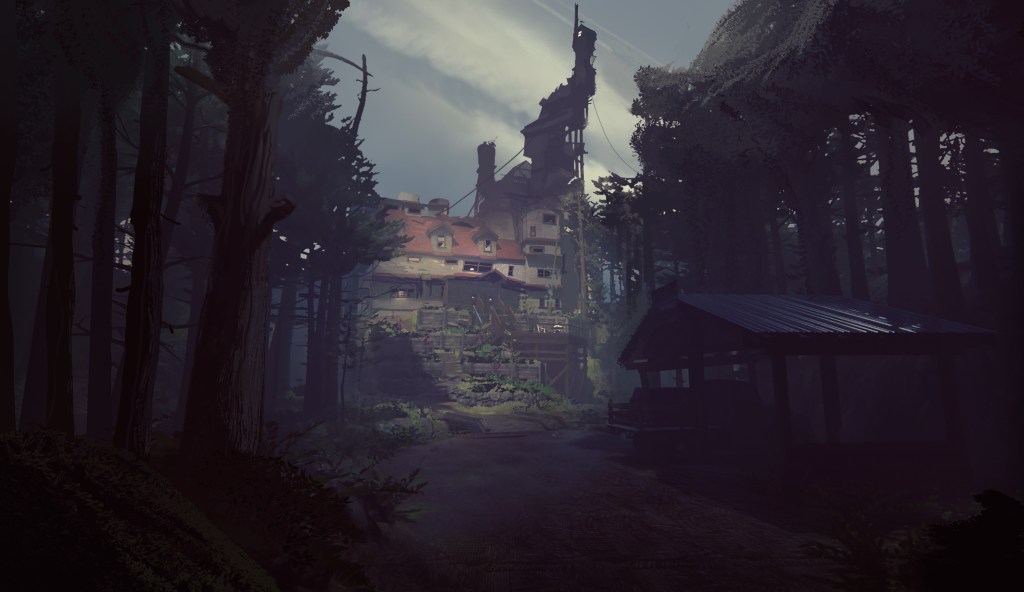
What Remains of Edith Finch tells the story of the Finch family through the exploration of their Seussian-styled home that housed several branches of the Finch family tree. It’s a story told through narration and playable vignettes that explain the mentality of various family members while adding to the grander mystery of the Finch family curse. Without going too deep into it, you are the last remaining Finch, and you’re going back home to understand the secrets of your fallen family members by exploring this comically constructed home that’s rife with secret passageways and impressive craftsmanship.

The game itself is only about 2 to 3 hours long, which is more than enough time for you to understand the wild set of circumstances that led the protagonist, Edith Finch, to explore and unpack her complicated family history. You’ll make your way into the rooms of these family members, and play through a vignette that has its own unique gameplay mechanics and/or art style, while hearing a cryptic story that feeds into the mystique of the Finch family curse. What I really enjoyed about What Remains of Edith Finch was not only how well the story was told, but how the gameplay segments never lingered too long or slowed down the pacing of the story itself. What Remains of Edith Finch is well worth your time and inevitable tears.

FIREWATCH

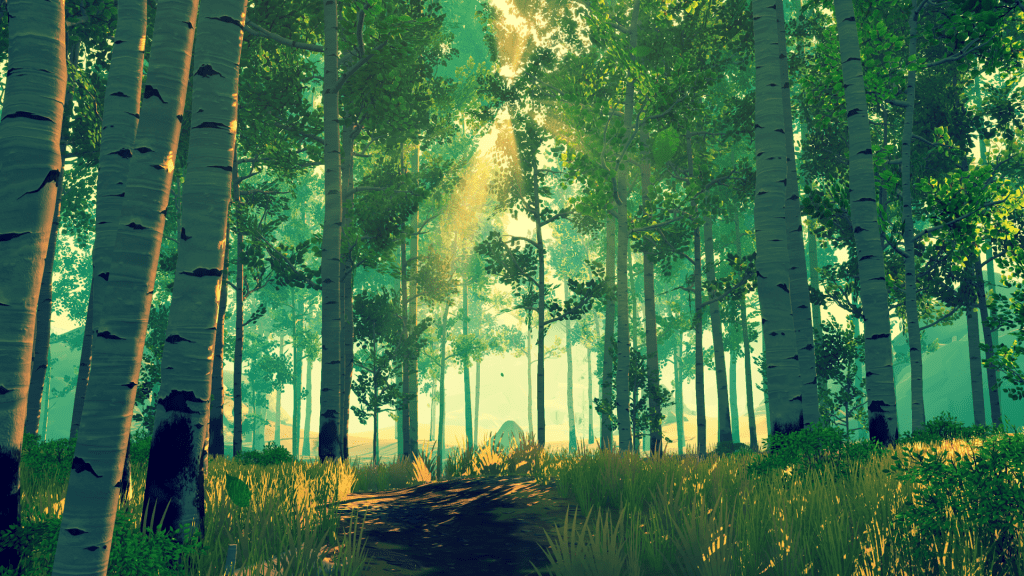
Firewatch is one of the few games on this list that I don’t know if I actually want to play again because of how emotionally taxing it actually was. You play as Henry, a man whose life has experienced some, let’s just say turbulence, that leads him to take a job as a fire lookout in the Shoshone National Forest in Wyoming. His only contact with other humans comes in the form of another fire lookout on the other end of his walkie-talkie, Delilah. Delilah and Henry will interact exclusively through these radios, which means you as the player have conversational choices to make in what you ask or divulge to Delilah as you traipse around the woods during your daily rounds.

The story of Firewatch is truly a triumph. The story of Henry, Delilah and their lives before meeting one another is engaging and impressive on its own, but then there are also some other mysteries about the Shoshone National Forest that you’ll uncover that are just as intriguing as anything else in the game. Also, as if if wasn’t preposterous enough for a game to tell several spectacular stories at once and do it well, Firewatch has the audacity to have an incredible art style too. Like, Firewatch in game looks incredible, but also the artwork for the game has been the background image on my computer for years now. Do yourselves a favor and get emotionally wrapped up in Firewatch.

THOMAS WAS ALONE

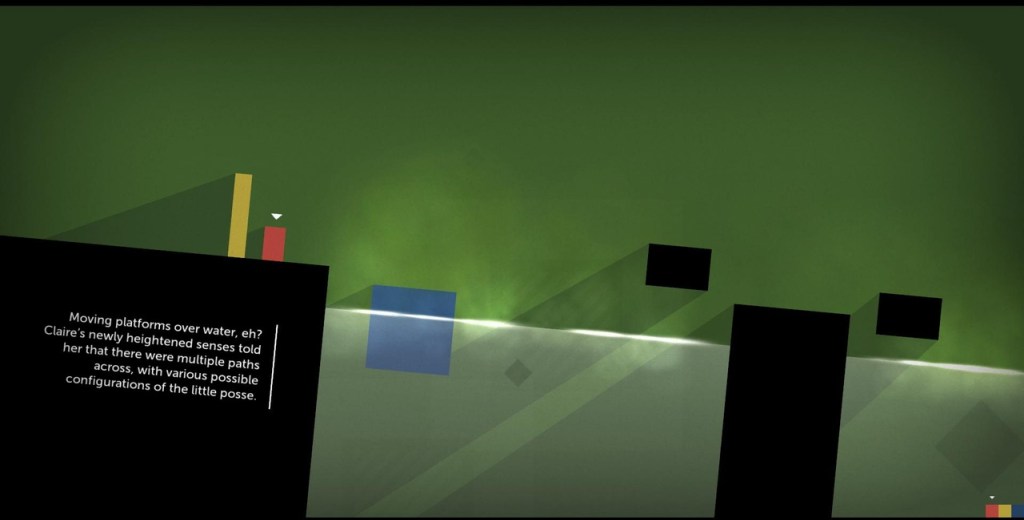
Would you like to become emotionally attached to a bunch of geometric shapes while playing a fairly straightforward puzzle-platformer while a soothing British voice narrates the machinations of said shapes? Well my friend, I’ve got just the game for that oddly specific request and it’s called Thomas Was Alone. For real, this is a narrative puzzle-platformer where you inhabit various shapes that control differently in order to complete puzzles and move forward. For instance, you’ll need your rectangle buddy to make themselves into a bridge for the other shapes to traverse across. It’s nothing exceptional there, but it isn’t about the gameplay.

Thomas Was Alone is a game that will actually get you to have emotional connections with differently colored shapes. It’s absolutely wild to think that such a thing would even be possible, but it is and you can play it. While I don’t necessarily want to get too into the story, I can say that as the title would imply, the story is about these feelings of isolation and exclusion told through the lens of a small red square and their growing retinue of geometric buddies. Seriously, Thomas Was Alone is a great story layered upon a decent enough game that I think is well worth your time.

NIGHT IN THE WOODS

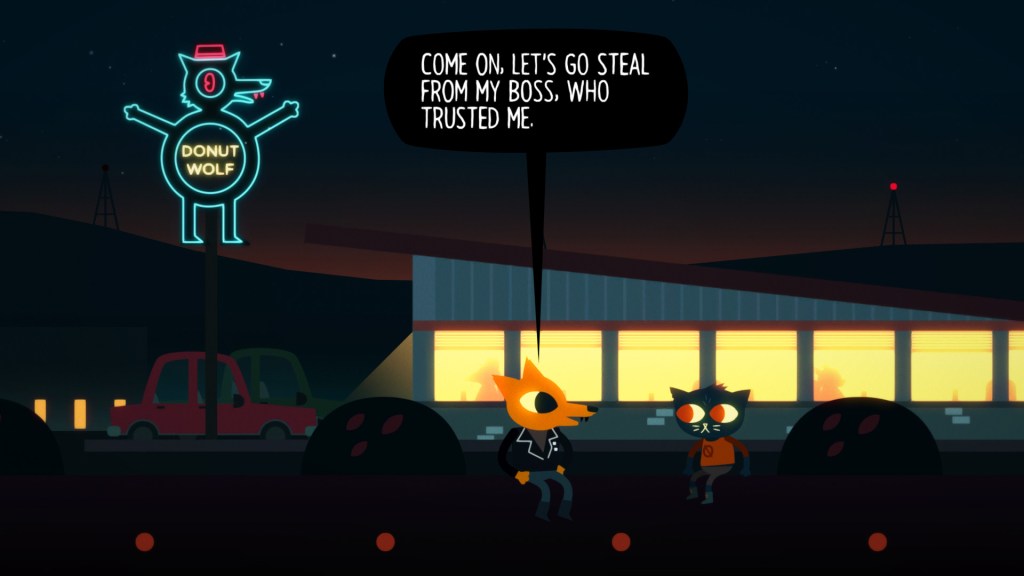
You’ve caught me. This entire list was just an excuse to talk about Night in the Woods once more. For those who don’t know my history with this game, I considered it my Game of the Year back in 2017 and still stand by that decision. But for those of you that don’t know, Night in the Woods is a story about expectations and reality, set to the backdrop of a dying Rust Belt town. Also everyone is an anthropomorphic animal, with you being a cat named Mae who hangs out with her friends who are a bear, a fox, and an alligator who smokes cigarettes.

There are a couple of competing plot threads that range from exceptional to okay, with the former being about Mae returning home from college to try and rekindle the life and lifestyle she left behind, and some vaguely paranormal stuff that involves a series of murders. One of the things I’ve come to recognize since first playing Night in the Woods however, is that my unbridled love for this game is directly linked to the fact that I was able to relate to so many of the characters in the game cause I’ve gone through and in some cases am still going through exactly what’s on screen. I truly cannot sing the praises of Night in the Woods enough, and you really should play it.


There are way more games that deserve to be talked about in this list, but I wanted to touch on some of my favorites without making this a full blown feature. Games like Celeste, Limbo, Spiritfairer, Papers, Please, A Short Hike and so many more deserve your attention, but I only have so much typing in me. Go play these games and get sad!

Blog: Whatcha Playing? – 08/04/21

This might come as a surprise to a lot of you, but I’ve actually been playing some video games lately that I’m pretty eager to talk about. I know it’s a novel concept that’s never been attempted before on this or any website, but I think I can land this metaphorical plane. Probably should avoid using plane metaphors considering a big plane-based video game did just release on consoles, and I did not play that because I value my hard drive space. Anyway, here are some of the games I’ve been tinkering around with this past week.

And if you’re interested in trying any of these games, all of them are available on Xbox Game Pass, which is how I gained access to them all. So that’s an option if you find yourself wanting to try any of the games on this list.


OMNO

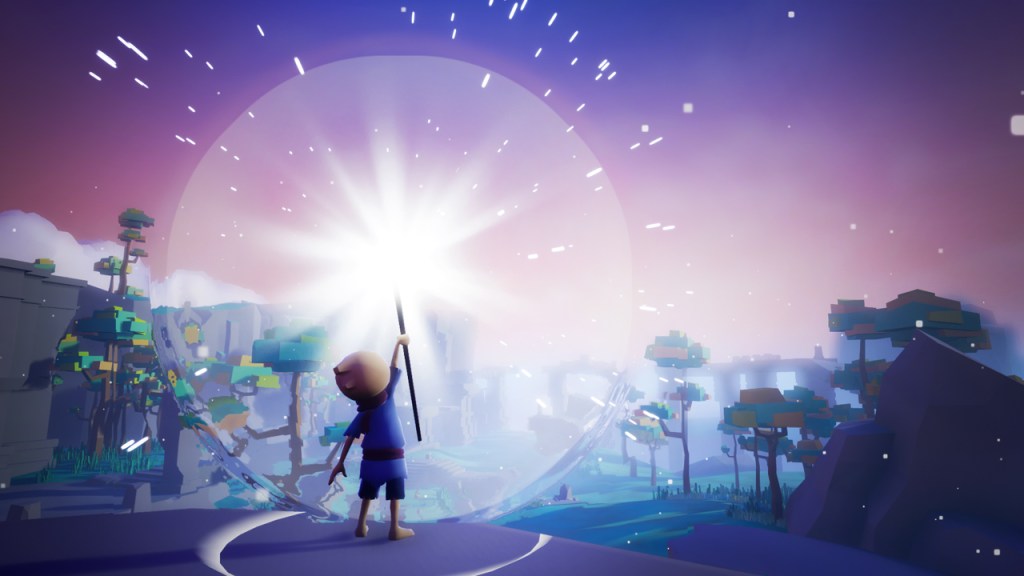
Omno isn’t a perfect game, but it is the exact kind of experience that I needed to refill the metaphorical “gaming tank”. Omno is a puzzle game where you play as this little person that’s making their way across a low-poly world, solving puzzles and riding big animals from level to level. You’ll need to complete a certain amount of puzzles in order to unlock the exit to the next level, but you can stick around and 100% each area if you’re so inclined. While all of the puzzles are fairly straightforward and share the same goal of, “make your way to, and collect this glowing orb,” there’s just enough variety to keep things from feeling stale. Additionally, you’ve got this magic staff that let’s you surf along the ground, float through the air, and more, that allow for the puzzles to be as varied as they are.

There’s a lot more to say about Omno, but as it stands, I had a very good time with it aside from some inconsistent control stuff that would show up whenever Omno wanted me to do something relatively quickly. Omno can get really frustrating when it asks you to operate within a time limit, because the controls aren’t as responsive as you’d like them to be. But aside from that, I really liked Omno and think it’s worth checking out if you’re looking for a chill way to kill 3 or 4 hours.

THE ASCENT

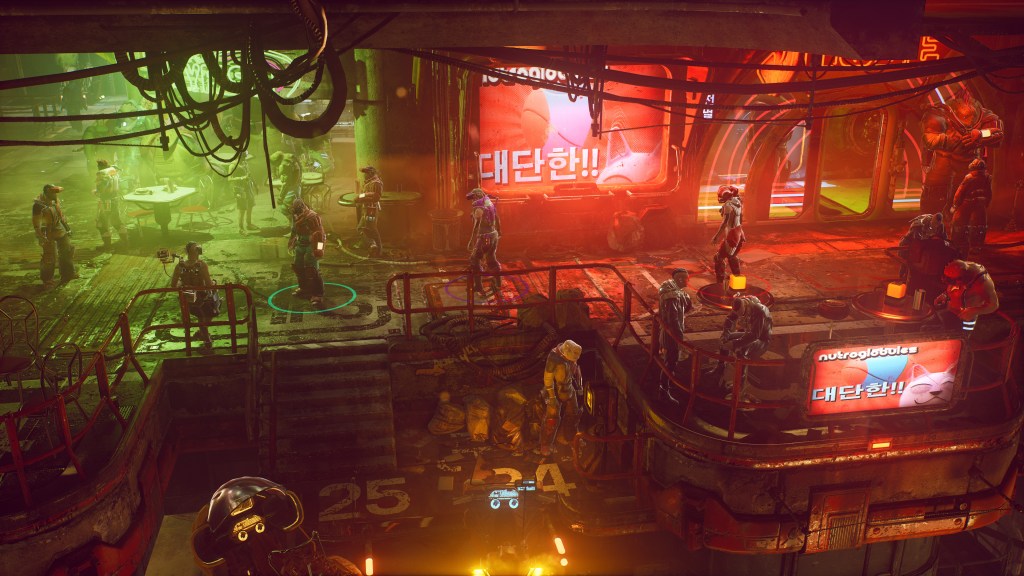
The Ascent seems really cool from the little bit of it that I’ve played of it thus far. It’s a cyberpunk-themed, twin-stick shooter with a ton of loot and RPG mechanics. It’s like if Diablo and HELLDIVERS decided to make a cyberpunk baby. The story seems like another one of those classic cyberpunk stories about a mega corporation that’s slowly bleeding its employees dry and perpetuating a world in which the only worth a person could have is intrinsically tied to their job status. You know, the kind of farfetched nonsense that could only exist in a video game…

I haven’t played enough of the game to really say anything more definitive about the experience, but it sure seems like something I’d like to play with my friends, which is allegedly a thing you should be able to do. However, the online (at the time of writing this) is hilariously broken. The Ascent is the kind of game I’ll probably only want to play with other people as opposed to solo, and you just can’t do that right now. From progression issues to straight up just not being able to start or connect to another players game, everything about the online experience of The Ascent is fucked. Still though, if they fix that, I could see me and my friends pouring hours into this game.

LAST STOP

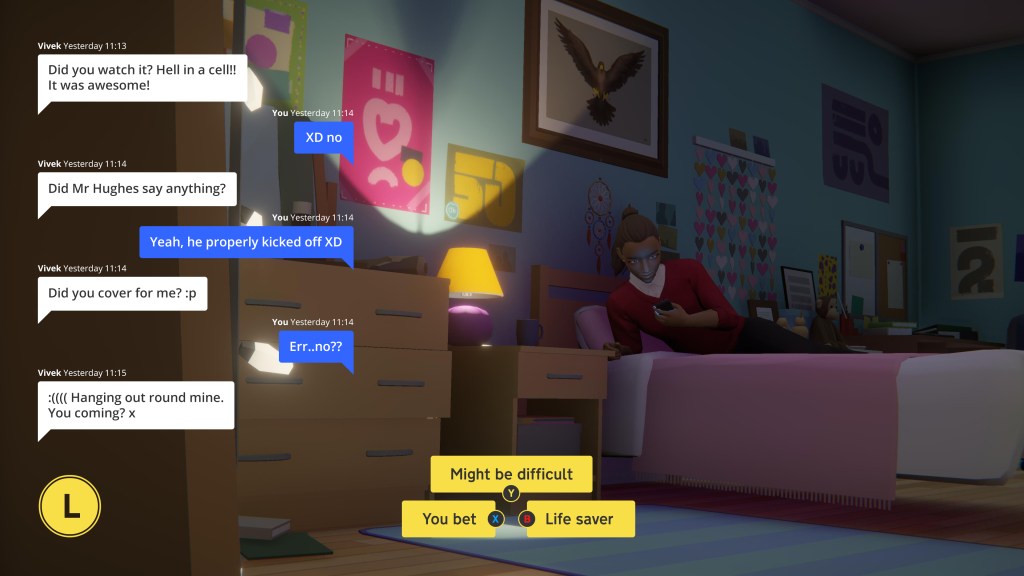
Last Stop is a narrative adventure game that’s set in present day London, telling three different stories that apparently all tie into each other. I’ve only played the first chapter of each of these stories, and so far they’ve each been fairly interesting. From infidelity to supernatural mystery, everything I’ve played of Last Stop has been pretty engaging and decently written. There isn’t much to the gameplay to at this point considering it’s basically following in the vein of something like The Walking Dead or Life is Strange, so expect a lot of conversation choices mixed with the occasional mini-game.

My only grievance thus far is just the lack of exploration or ambient storytelling. Usually in these types of games, you can snoop in notebooks or look at emails or something to get some vague backstory for characters, but there hasn’t really been much of any of that. As the name might imply, Last Stop feels pretty on rails in that regard, which isn’t a bad thing, I just wish I could be rewarded a bit for poking around the world. Maybe that stuff is in there later on, but from what I’ve seen there’s very little, if any at all. Regardless, I still intend on playing through it.

LETHAL LEAGUE BLAZE

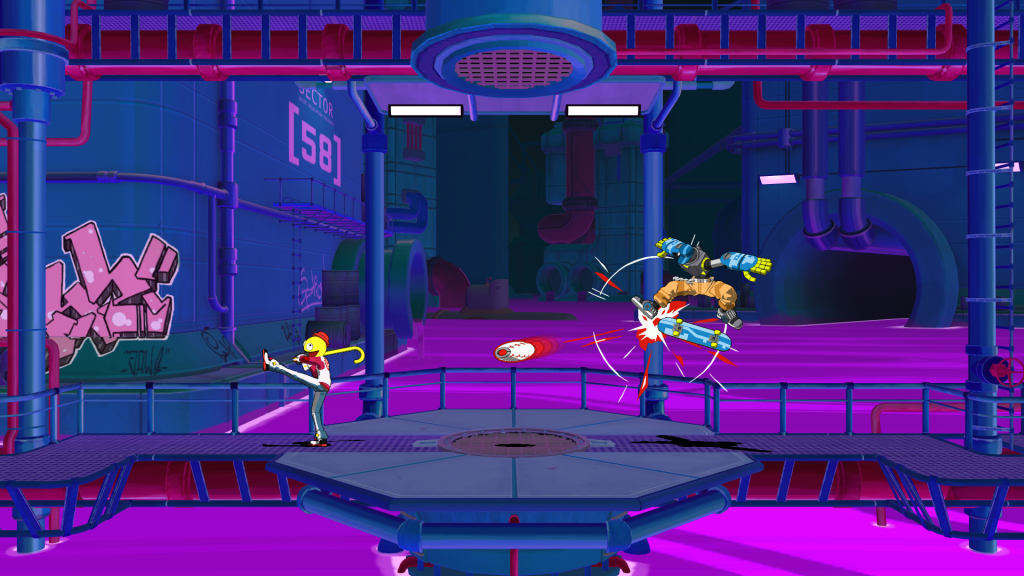
The original Lethal League is one of my favorite multiplayer games of all time. From its hyper-stylized presentation to the chaotic and frenetic action, that first game was truly a delight from top to bottom. Lethal League Blaze is the sequel that released back in 2018 and only recently got shoved into the vast Game Pass library. Lethal League Blaze is still a very good game just like its predecessor, but I don’t know that I can really spot many differences between the entries, which isn’t necessarily a bad thing, it’s just a bit underwhelming.

For those who don’t know, Lethal League is the answer to the question, “what would it look like if Super Saiyans played racquetball?” Up to 4 players can jump in an arena where they’ll have to bat a ball around the screen, utilizing special abilities, power-ups and just their raw strength and timing to launch the ball at another players face over and over until they die. Words cannot accurately do justice to how crazy things can get in Lethal League, but I genuinely cannot recommend it enough to any group of friends.

GANG BEASTS

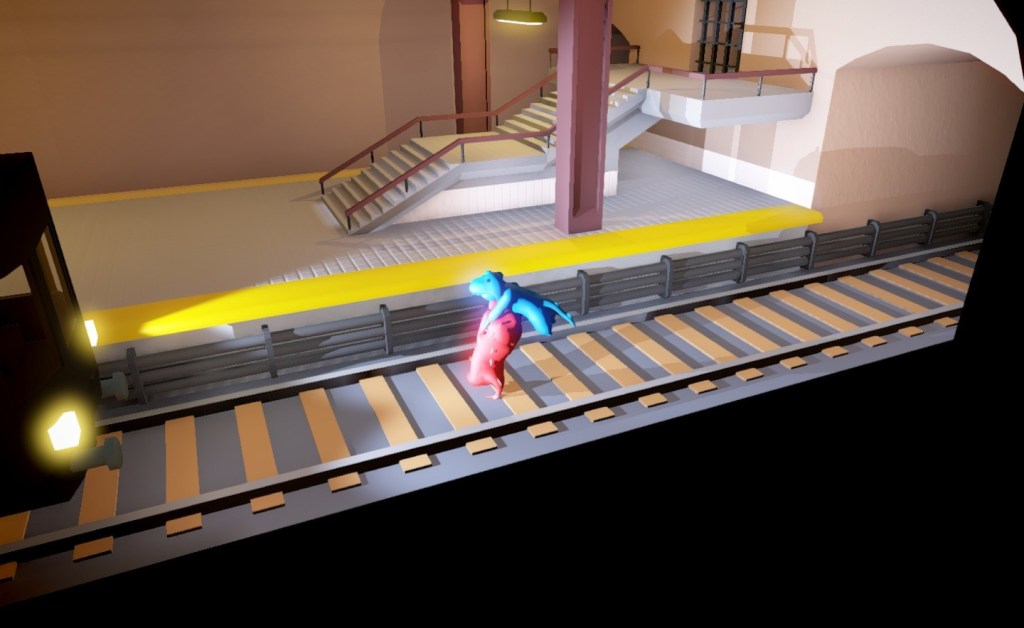
I’ve loved Gang Beasts for years and was more than pleased when it finally made its way onto the Game Pass library. It meant that I could finally subject my friends to my very favorite physics-based fighting game, and hopefully get them to understand why I like it so much. Hurling punches, kicks and headbutts at each other while trying to chuck them off a roof or into an incinerator is just heaps of fun that can’t be matched by “traditional” fighting games. No, you can keep your dragon punches and spinning kicks, and I’ll be over here just trying to feed my good buddies to a kraken that somehow got put in an aquarium, or hurling them into the path of an oncoming train. That’s the kind of fun I’m looking for.


So that’s been my week in a nutshell. I honestly don’t think I would have tried this many games, let alone continue to play this many games had they not been on the Game Pass service. It’s really interesting to me that Game Pass has reignited this Blockbuster-like mentality, where I literally will just try anything that looks cool. I really don’t like sounding like I’m advertising this service, but I’ve really found tremendous value in it as an Xbox and PC owner. All that aside however, I’m glad that I’ve been able to find that “try more games” spark again, because it’s led to some really great experiences over the past week.