Monthly Archives: May 2024

The Spotlight – 04

The Spotlight is a monthly summary that encapsulates some of the more notable media experiences I’ve had over the past thirty days. From insights on games played, to articles worth checking out, and even cool stories from tabletop role-playing games, it all has a place in the Spotlight.

For the month of May, 2024, here’s what I’m shining the spotlight on.


Games

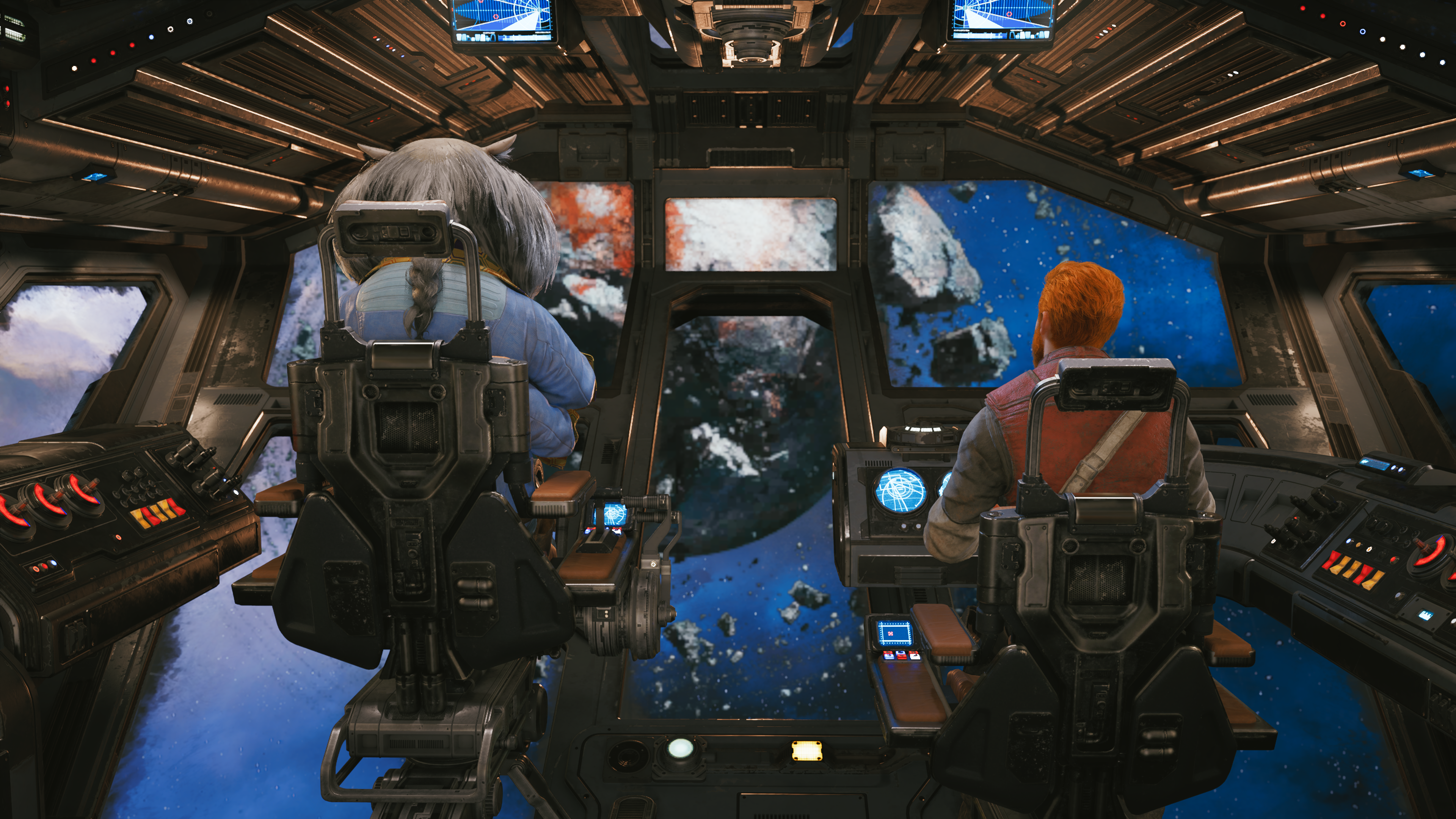
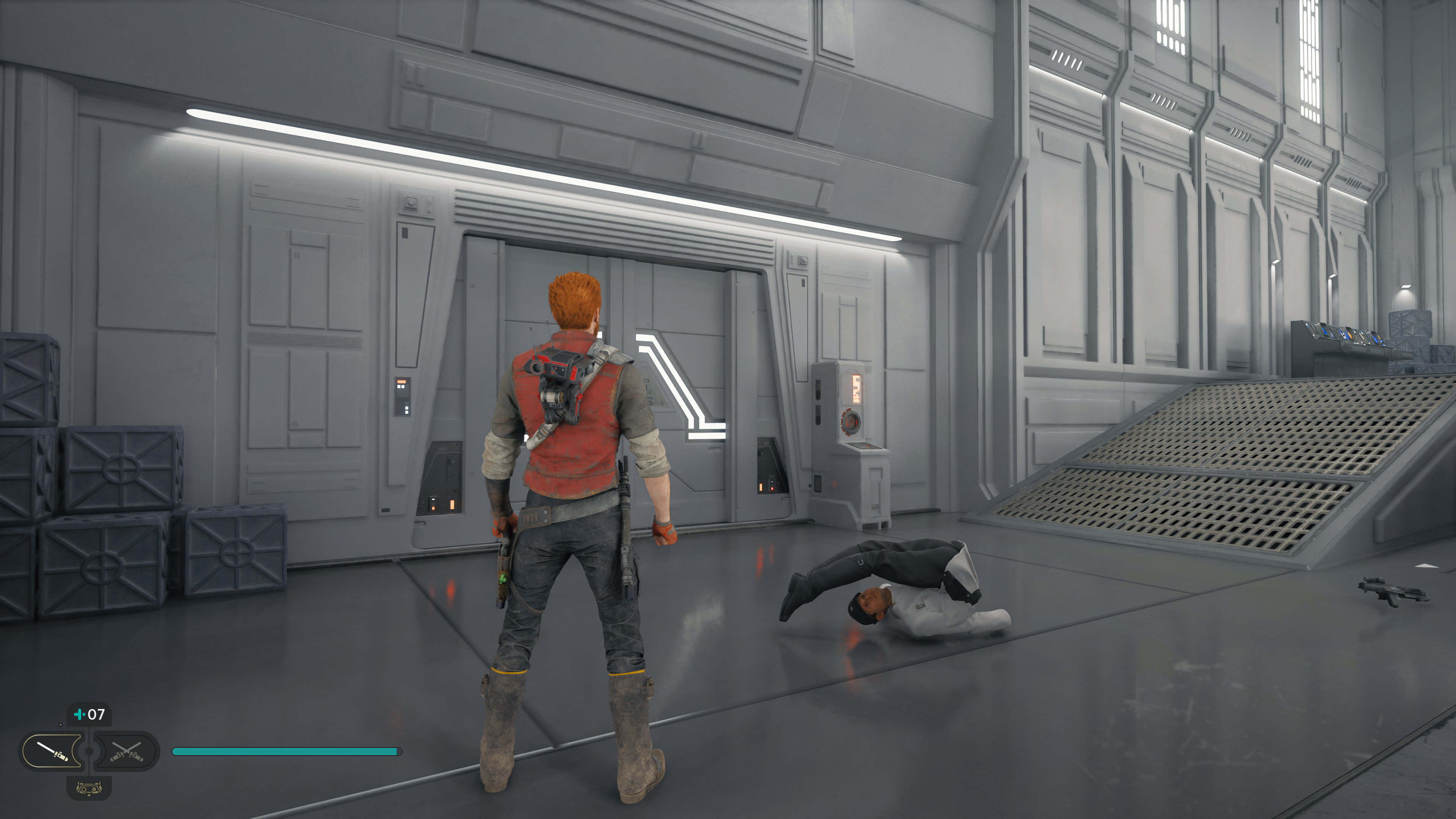
Star Wars Jedi: Survivor
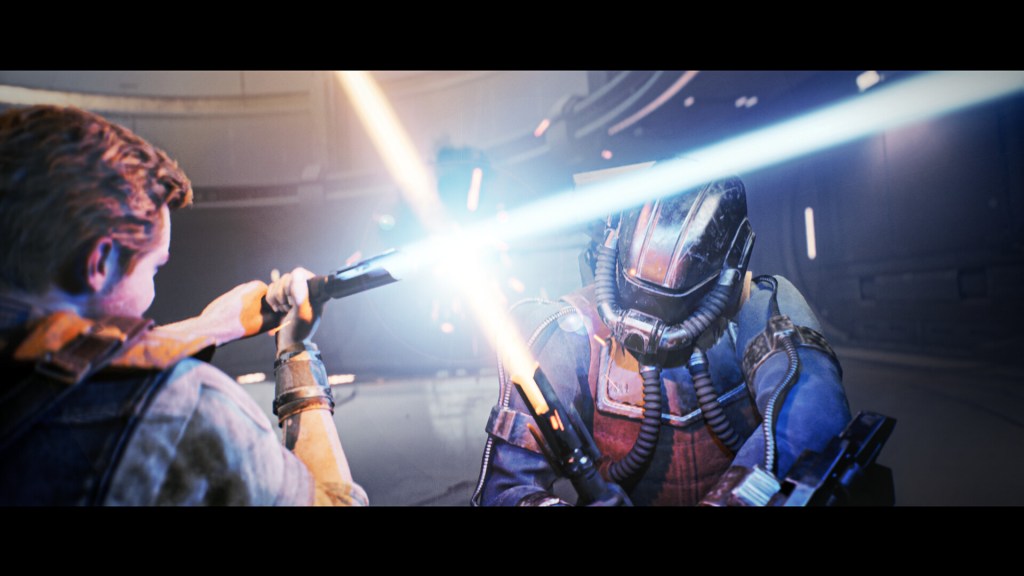
Star Wars Jedi: Survivor successfully builds upon the excellent narrative and solid mechanics put forward by its predecessor, Star Wars Jedi: Fallen Order in every way, save for its technical performance. That poor performance is such an overwhelmingly negative force in this game, that it nearly stopped me from continuing on several times. But I stuck with it and saw it through to the end, and for my troubles I was rewarded with a pretty great Star Wars story, that while predictable at times, still managed to surprise me.

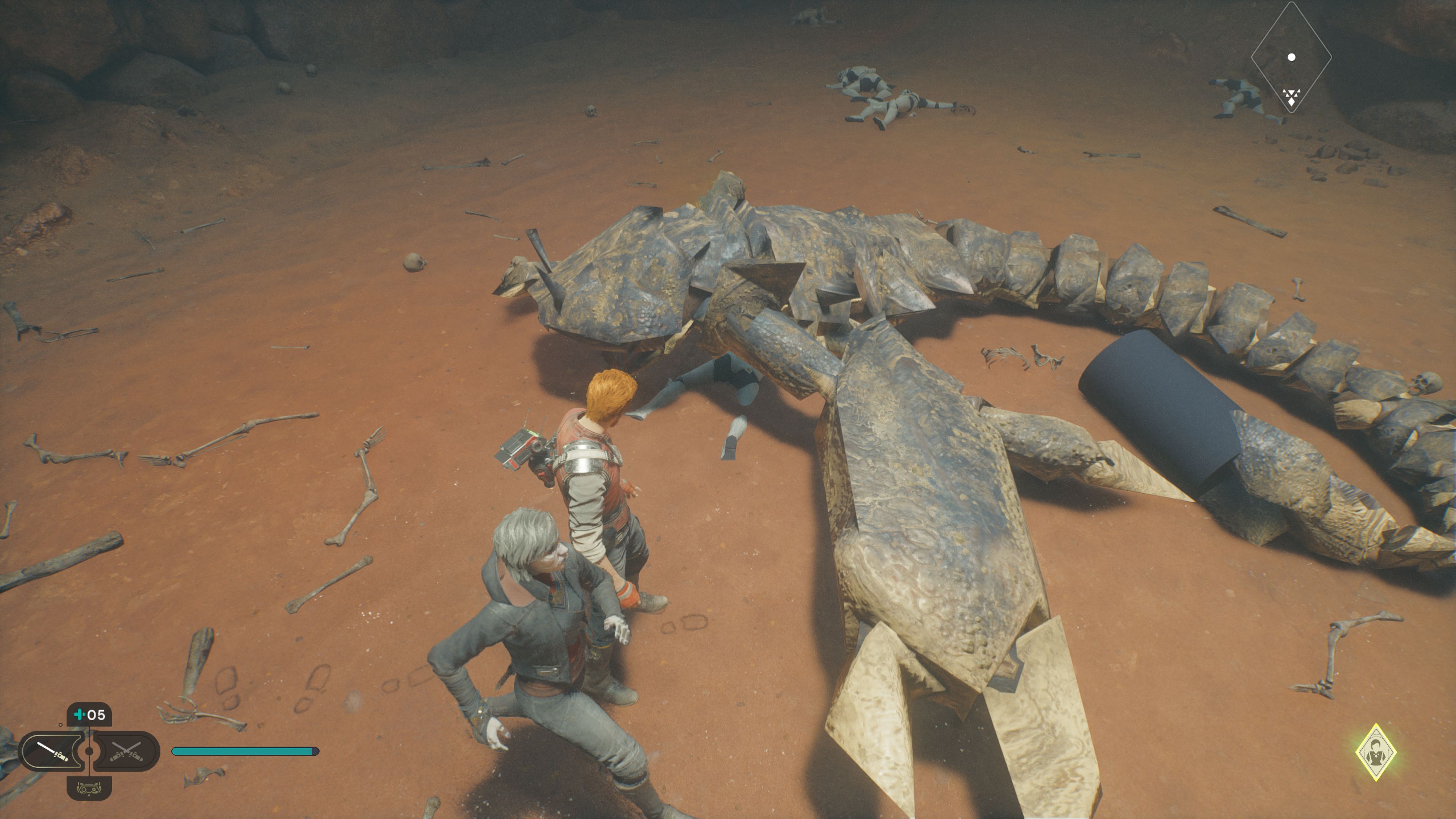
I don’t have too much to say about Star Wars Jedi: Survivor without delving into spoilers, but I will say that this sequel plays far more into the power fantasy of being a Jedi than its predecessor did. If Fallen Order was about the protagonist learning how to be a Jedi and coming into their powers, Survivor is about them not letting that power consume them.

I just wish that Star Wars Jedi: Survivor wasn’t so buggy — both in terms of performance and in terms of that one terrible spider enemy that camouflages itself before pouncing at you. I hate that thing.

Animal Well
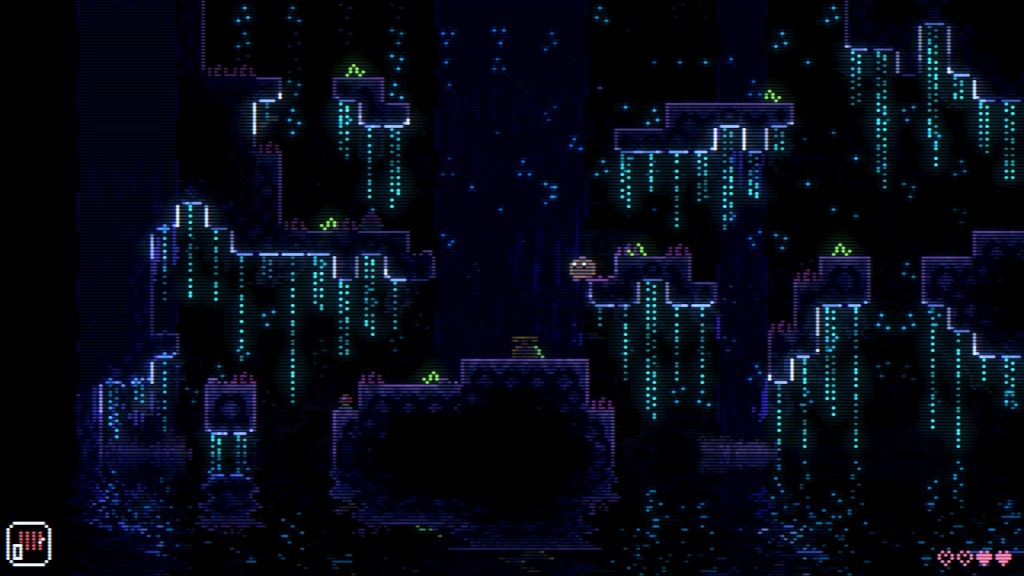
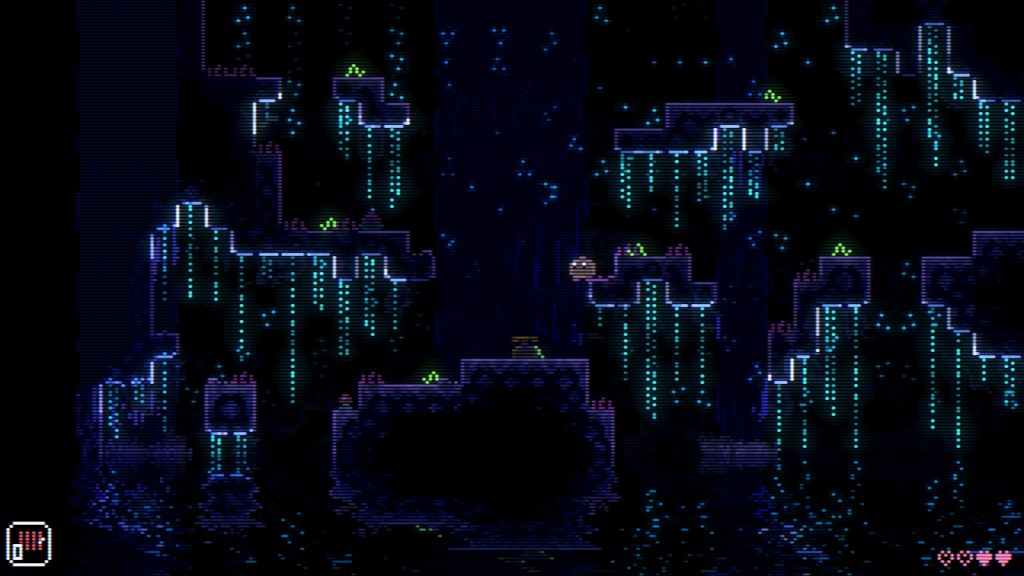
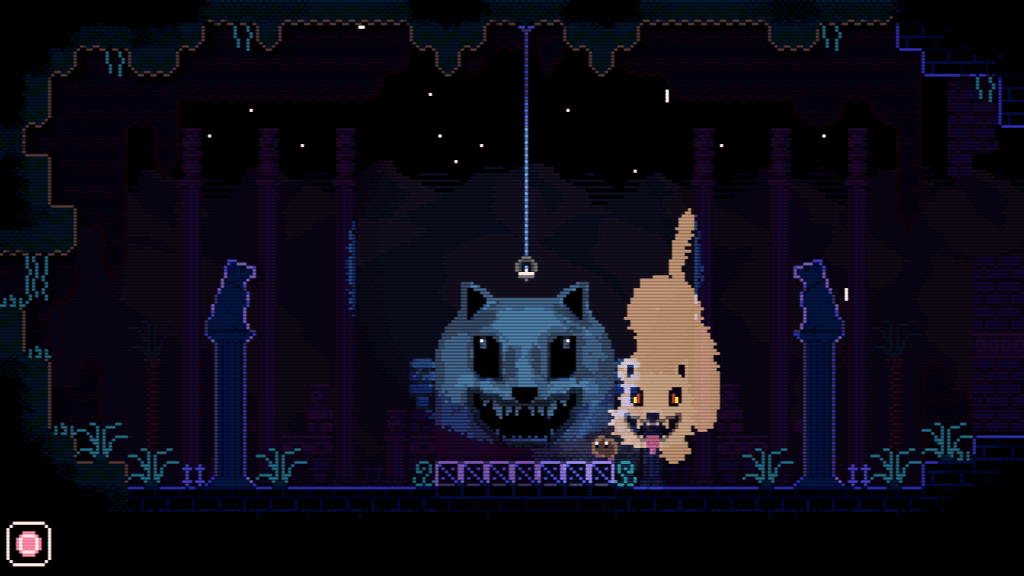
I wrote a whole thing about Animal Well, so I encourage you to read my expanded thoughts on it there. The short version, however, is that I was unimpressed by Animal Well early on, but it slowly revealed itself to be one of the most intriguing games I’ve ever played, even if it left me with infinitely more questions than answers.

Little Kitty, Big City
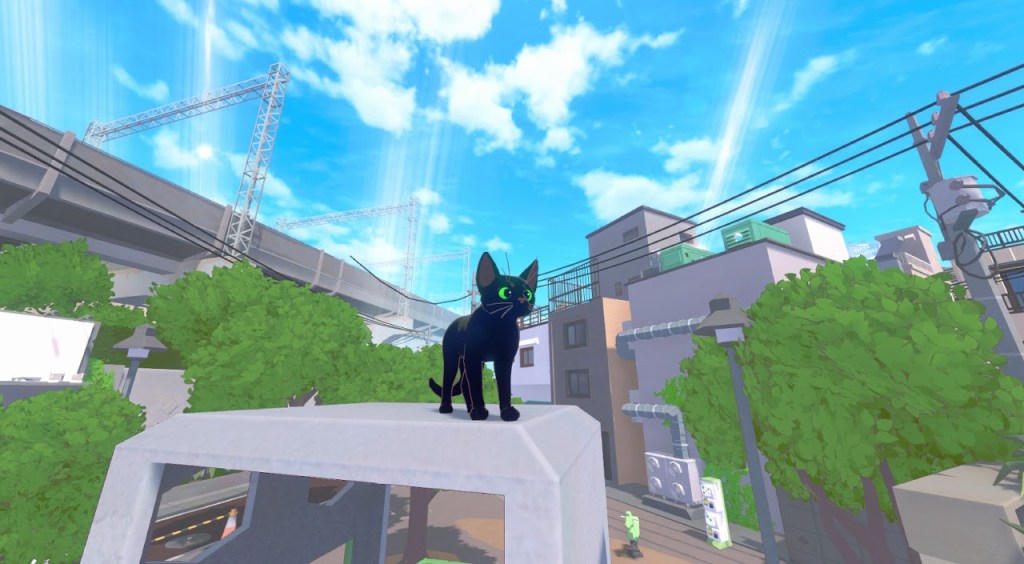
Little Kitty, Big City is a rare games that’s nice and relaxing while also offering just enough mechanical density to keep you hooked with engaging gameplay. Despite some rough edges, Little Kitty, Big City is a delightful game that fans of platformers and animal hijinks shouldn’t miss out on.

You play as the titular “little kitty,” and you need to get back to your home which just so happens to be in a high-rise apartment building. To accomplish that, you’ll have to help a whole cast of animal characters out with their problems, from a forgetful duck that keeps misplacing their ducklings, to an enterprising tanuki with a penchant for crafting wacky inventions, one of which being your ability to fast-travel.

Little Kitty, Big City is platformer (catformer?) at its core, requiring you to poke in every nook and cranny you can find, pick up every collectible or shiny object you can see, and simply interact with everything that you can. While it’s a lot of fun and incredible low-stakes, the platforming mechanics don’t work especially well when you’re trying to navigate tight spaces. Leaping up staggered air conditioners to reach the top of a building is good idea in theory, but much like a cat the camera tends to do its own thing and complicates the issue.

None of my nitpicks are strong enough to dampen my positivity for Little Kitty, Big City, however. I think it’s a fantastic little game that scratches my itches for both a low-stakes cozy game, and a platformer with lots of bits and bobs to snatch up. It’s a lot of fun and is oozing with charm, and I think it’s well worth your time.

Hellblade: Senua’s Sacrifice
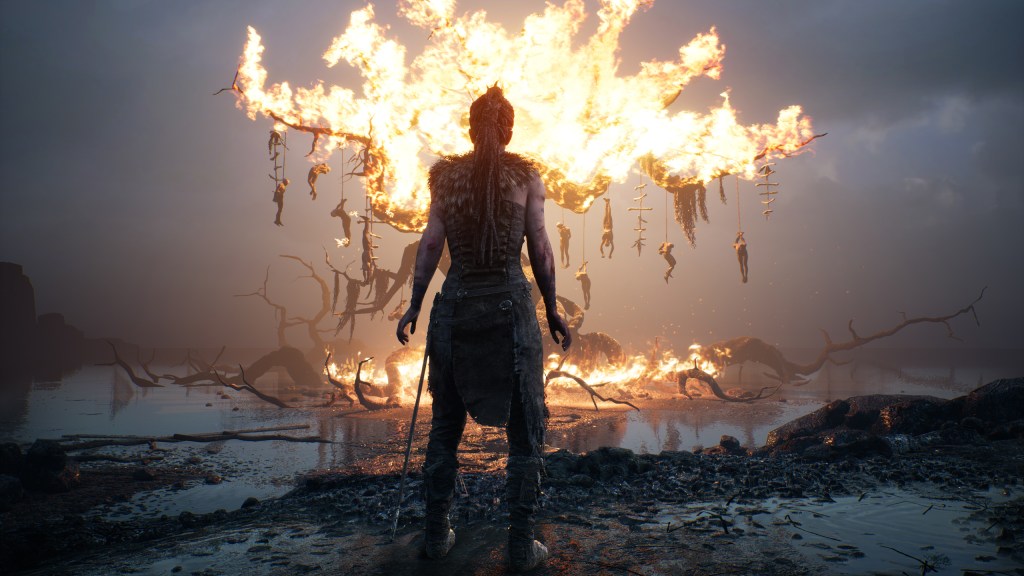
I’m a few years late to the party, but I finally got around to playing Hellblade: Senua’s Sacrifice just in time for its long-awaited sequel to finally drop. But based on my short time with this entry, I don’t think I’ll ever finish this game, let alone play its sequel.

Hellblade: Senua’s Sacrifice is a third-person action game that’s absolutely beautiful to behold, but doesn’t offer much more beyond its aesthetic beauty. I found it to be extremely boring, which is a pretty damming thing to say about a game with a six hour runtime. I’ve often heard that the story of Hellblade was the real star of the show, but I didn’t find it engaging enough to outweigh the issues I had with it.

Chief among those issues was that every mechanic and creative decision felt half-baked, often resembling a first draft of something more engaging. The enemies you fight are just as uninspired as the moves that Senua could pull off, making combat feel very receptive from the earliest parts of the game.

I could handle simple combat were it not for the constant recycling of puzzles, though. All you’re ever tasked outside of combat are basic perspective puzzles that require you to seek the shape of a glyph out among the environment, just like something you’d see in the early stages of The Witness. You do that a couple of times between fights with some bad guys, then a boss shows up, and that’s it.

I guess people must have really jived with Hellblade: Senua’s Sacrifice‘s story or something, because I do not understand why this game is so beloved. It’s boring and repetitive, and my understanding is that the sequel is just more of that. It’s an absolute stunner with its visuals, but I found it to be thoroughly non-engaging.

Deadpool
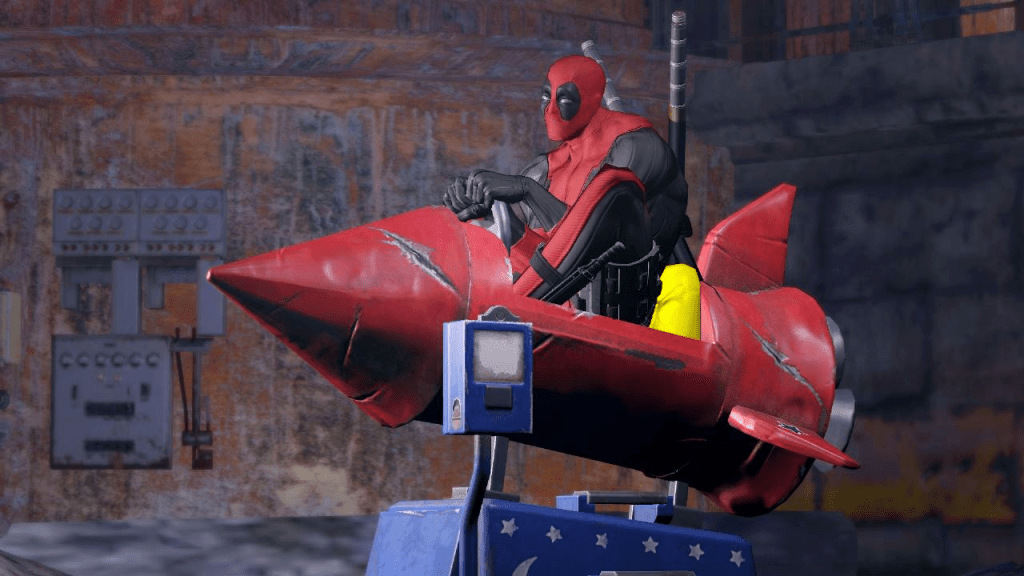
Talk about a time capsule. Deadpool is a game that initially came out on the Xbox 360, and boy is it a product of its time. The humor is dated, but I bet some comic fan out there is all about having words like “shitballs” and “chimichangas” yelled at them and considers it, “very character appropriate.”

Humor and story aside, however, it’s just not an exceptionally fun game to play in 2024. It’s dated in every conceivable way, and honestly, doesn’t deserve to be judged by modern standards. Even so, I’m glad I was able to rent a copy of this from my local library, which is a whole other discussion for later in this Spotlight, rather than track down a copy on my own.

Chants of Sennaar

Like Animal Well before it, Chants of Sennaar is the hot and new puzzle obsession in my household. It has been the catalyst for several discussions about the intent behind the written languages of the many fictional cultures in the game, and has truly been one of the best bonding activities we’ve partook in.

But what is Chants of Sennaar? Chants of Sennaar is a puzzle game that sees your character traversing a massive city-sized tower that’s comprised of different cultures with different values, priorities, and most importantly, different languages. Ascending to the top of the city requires you to pass through the various levels, where you’ll need to learn the languages within in order to find any success.

I won’t say too much more because I plan on writing up a piece for Chants of Sennaar in the coming weeks, but simply put, I really love this game. It has its faults that make certain sections a bit more laborious than you’d like, but overall it’s a massive hit in our home, and would have easily cracked last year’s Game of the Year list.


Watch List

Manifest
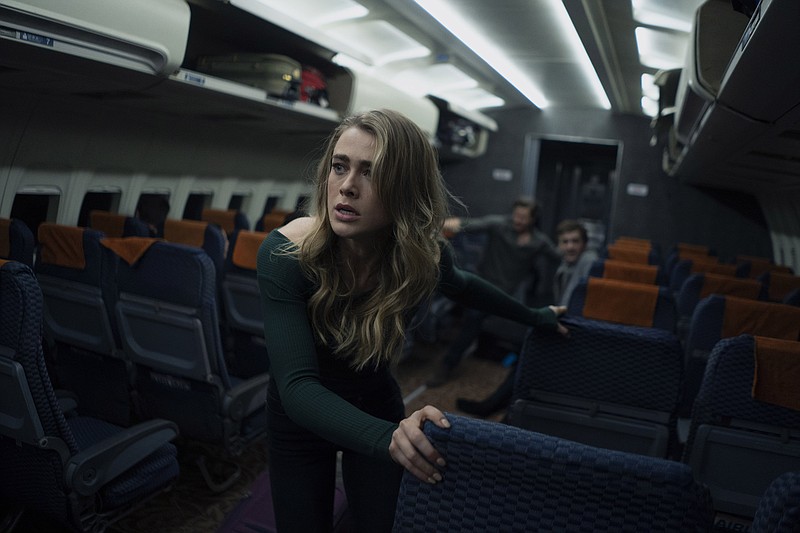
I can’t remember the last time I watched something out of spite before Manifest. I only bring this show up because of how much time we spent watching the entirety of this piece of garbage, but I urge you to not watch any of it. Or do what you want, it’s your life.

The cool elevator pitch for this show is that a plane in 2013 took off from Jamaica and was bound for New York. The plane hit some wild turbulence and once cleared, was diverted to land elsewhere in upstate New York, where it’s revealed that it’s now 2018. The plane vanished and resurfaced 5 years later, and now its passengers are trying to rebuild their lives and understand the voices they all now have in their heads.

Sounds pretty cool, right? Three or four episodes in, however, it sure felt like the elevator pitch was all the show runners had conceived and were figuring it out as they went. Things go so far off the rails in its unnecessarily convoluted story, with plot points introduced and immediately forgotten about at a staggering pace. All of that is made even more obvious in the presence of some world class over acting. Netflix categorizes this one as a soap opera, and that description could not be more accurate.

If you’re like me and enjoy making fun of bad television to soften the blow of having to suffer through it, you’re going to fucking adore Manifest. But if you actually wanted to see if this cool elevator pitch lands the plane (pun very intended), I’ll save you the time: it doesn’t.

The Hairy History Of 6 Forgotten Planet Of The Apes Games

When I saw this video pop up on my feed, it struck me that I could not name one Planet of the Apes game. Finding out that there were at least six of them was very surprising. After watching this video, however, I understand why I’ve never heard of them.

X-Men ’97
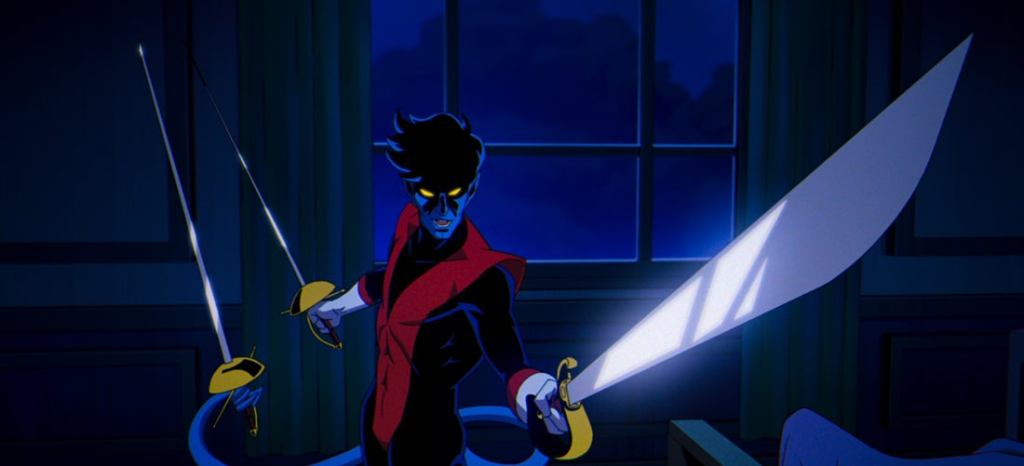
I don’t think that I’ve enjoyed any piece of X-Men media as much as I did the first season of X-Men ’97. Aside from reminding me that I need to go back and complete the original series, X-Men ’97 kept me gripped from start to finish, thanks to its stellar story lines and gorgeous animation.

If I were to nitpick (and I will), I’d say that the story gets a bit bogged down mid-season, and some of the voice acting is downright bad in places, both in terms of performance and in audio quality. But these are minor gripes that don’t overshadow of the overwhelming excellence of the series. Not having watched the original series beforehand, I did feel a bit out-of-the-loop at times, but it was pretty easy to figure out what was happening as long as you have a base understanding of the core conflict behind the X-Men and mutants alike.

If you like the X-Men, you should watch this show. If you aren’t a huge fan of the X-Men, you should still watch this show, because it might be the thing that wins you over. I’ve never been a huge fan of the X-Men, but I absolutely loved X-Men ’97 despite that fact, and I think you will too.


Listening Party

It Never Stops – Bad Books

Even Rats – The Slip

Known By None – Medium Build


The Rest

The Master of Disaster – Big Hits

The Master of Disaster returns at last to discuss beating the living shit out of my player’s characters, and how doing so made for some of the most engaging D&D content we’ve had in a while. This article also goes into the narrative and mechanical considerations around combat scenarios, which sounds obvious, but is something I’ve struggled with in the past.

The Incredible Enigma of Animal Well

My partner and I fell in love with Animal Well and its many, many secrets. We also discovered that puzzle games are a very serious, very satisfying, and sometimes very contentious genre of game in this house.


News

Microsoft Shutters More Studios

I love video games as a product and absolutely hate the industry that creates them, because they pull shit like what Microsoft just pulled, all the time. It’s even more brutal when you consider that developers are often exploited due to their love of the product they’re working on, meaning that they’re likely more willing to accept less pay just to work on stuff they enjoy.

Couple that with cold hard capitalism, and you get instances like this where Microsoft shuts down several studios at once, and hundreds of people are just out on their asses in an industry that’s somehow so profitable, but so volatile. This is bullshit as is, but it’s even worse when you see that Microsoft praised HiFi Rush for being a “break out hit,” but closed the studio anyway.

It’s moves like this that should make anyone considering doing business with Xbox hesitate. If I was running an indie studio that Xbox wanted to absorb, I’d be a lot more wary of that offer after seeing that making good games aren’t enough to save you from being shut down.

There’s a lot I could say about this whole mess beyond what I already have, but just know that it’s all garbage and I hate it.

IGN Consumes More Outlets

The Imagine Games Network has gobbled up some international outlets, such as Gamesindustry.biz and Eurogamer, along with the rest of the Gamer network. I suspect that IGN’s international stuff just isn’t as popular outside of the US, which explains why you buy these big international organizations.

I doubt that fans of those publications will see any real difference in content strategies or whatever, but anything could happen. I included this news story mostly because I think it’s important to take note when news outlets start to consolidate. Sure, the stakes are way lower in the games industry, but you never know, a directive from high up could result in all outlets publicly praising Mario Party, and we just can’t have that.


Thanks for checking out The Spotlight. We’ll be back at the end of June with another installment. Consider subscribing to The Bonus World so you can get an email updating you whenever we publish something new.
The Incredible Enigma of Animal Well

Aside from basking in its stellar visuals and vibes, my first hour or so with Animal Well was fairly unremarkable by modern search-action game standards. Without any real guidance on what to do, I defaulted to mindlessly exploring the vast map for anything that seemed interesting, whether it be a tool, ability, or some arcane puzzle to solve. That initial impression led me to believe that this would be little more than a very pretty, otherwise unremarkable puzzle-platformer game. My next 20 hours, however, were a completely different story.

Animal Well tosses you right into the action, giving little motivation beyond setting four waypoints on its vast and initially blank map to navigate to. It was that meandering exploration that was both so entrancing and off-putting all at once, which is kind of the whole thing with Animal Well. You don’t realize it in the early hours of the game, but Animal Well wants you to poke and prod at every square inch of every screen you step into, because often times that curiosity is rewarded with something.

Sometimes you stumble across a new path forward, and sometimes it’s just a piece of another mystery you haven’t even considered yet. For instance, the main “collectible” in Animal Well are eggs. Usually there’s a small puzzle or platforming challenge required before you can actually collect them, but you can probably snag half of them without really thinking too hard about it. They’re all visually distinct but don’t appear to do much else at first blush, and I assumed they were little more than a tongue-in-cheek reference to the concept of Easter-eggs. No spoilers, but you should get those eggs — trust me.

Even when you’re unclear as to what you’ve just accomplished, you still experience that coveted “aha!” moment you get from good puzzle games. You feel like an absolute genius when you figure something out because there are a lot of, “this shouldn’t work,” moments, where you feel like you’re exploiting the mechanics of the game to get ahead. Animal Well rewards and expects out-of-the-box thinking from you in conjunction with pixel-perfect platforming. It can be a difficult and demoralizing experience at times, but the dopamine hit when you finally crack a puzzle wide open or chain your abilities in just the right way so you can get to an undiscovered screen, is unparalleled.

One could look at Animal Well as a mysterious game that doesn’t hold your hand, allowing you to experiment with your ever-expanding toolkit to uncover its many, many layers of secrets for yourself. Whereas another person could see Animal Well as a meandering experience that’s far too vague and ambiguous for its own good. Both are valid, but my experience has wildly oscillated between these views several times during my playthrough. The only consistent emotion I felt while playing Animal Well was discomfort.

Animal Well is unsettling. The soft glow of neon colored lights, the stark and slick creature designs, the ambient and dreadful music that ominously thumps in the background, all congeals into a game that’s just as beautiful as it is horrifying. I felt on edge every time I’d enter an undiscovered area, just terrified of whatever gorgeous nightmare might be on the other side. Just existing in the world of Animal Well plays into a foreboding sense of dread, which was a big obstacle for me as someone who does not enjoy any kind of horror-based media.

I also think Animal Well is a bit more punishing than it needs to be. There aren’t enough save rooms which makes dying way more tedious than I was expecting. Certainly there were times when the tension derived from my fear of having to hike back to whatever screen I was currently on, added to the experience, but overall I wouldn’t have hated it had Animal Well been a tad more generous with saving and checkpoints. Having to hike back to a tough platforming challenge through several empty rooms isn’t fun, it just kind of feels like padding.

It’s also a game that seems to revel in not giving you any information, whether it be context, lore, or even just a story you can follow. In most search-action games, Animal Well included, getting a new tool or ability usually means that you can access a new part of the map. But for better or worse, Animal Well doesn’t indicate what’s currently available to you with any new acquisition, leading to a lot of wandering about while incessantly spamming a new tool on every inch of the world I could touch.

That’s kind of the point of Animal Well, though. I’ve “beaten” the game, and I have no idea what the hell anything I’ve done or encountered meant. Not a single thing was ever explained to me, which I usually hate in games, but it really works in Animal Well. I don’t think I’ve ever encountered a game that hooked me so thoroughly without ever offering any clarification or shred of exposition. It was little more than curiosity that pulled me through the vast majority of Animal Well — that and my partner, of course.

As it turns out, Animal Well is one of the best cooperative experiences I think we’ve ever had. This single-player game turned out to be the perfect fit for us and how we like to approach games. I helmed the controller, performing all of the tight maneuvers like a real gamer might do, and they were my first mate, helping me navigate the sprawling map, note-taking, deciphering clues, and providing emotional support for when things would get a bit too overwhelming for me. We enjoyed this dynamic so much, that I’m currently brainstorming the next game of this ilk we can dive into.

I think there’s a version of Animal Well that I would enjoy a bit more had it been less aggressively obtuse, but as is, it’s a phenomenal game. From its platforming to its inscrutable nature, you have to be onboard with all of Animal Well, otherwise you’d likely miss out on most of what makes it so special. For what it is though, Animal Well is one of the best gaming experiences I’ve had in quite some time, and I can’t wait to see what the community uncovers as it continues to scour every inch of this game.

The Master of Disaster – Big Hits

A persistent source of frustration for me has always been how my combat encounters would routinely devolve into wars of attrition that were both, not fun to run and definitely not fun to play. I’ve tried a lot of different approaches to injecting life into my combat scenarios, most of which involved putting in interactive elements like turrets and cannons into to my maps and hoping that would be interesting enough for my players to engage with. None of it really worked out the way I wanted it to, but I had to keep trying for the sake of fun.

The list of issues started with me not doing enough preparation in advance of combat-heavy sessions. I cannot overemphasize how important it is to do your prep work for battles. I always thought I’d be able to adjust on the fly and make enemies coordinate attacks and spells in a meaningful way, and while maybe some GMs can do that, I cannot. There’s a fun juxtaposition to behold when comparing my love of D&D to my complete inability to think tactically. My ambushes rarely felt ambush-y enough, my boss battles lacked “oomph,” and no amount of narrative leading up to an encounter could make up for the boring slug-fests they eventually devolved into.

Aside from just knowing enemy abilities and modifiers, one of the biggest things I had to contend with was the concept of how aware of the world around them an enemy should be. Specifically, should my enemies be able to identify the party wizard as such, and then use that knowledge to avoid clumping together in optimal fireball range, or should this band of goblins be thoroughly unfamiliar with the concept of magic altogether? I’m sure that question gets answered differently from campaign to campaign, but it’s something worth thinking about when world building.

Regardless, I never consciously decided that my enemies shouldn’t be aware of spells or tactics adventurers might use, but actively deciding that they could know these things led to me playing them more thoughtfully. No longer would all of my enemies blindly charge the wizard in a single filed formation, ready to sacrifice themselves to an impending lightning bolt. No longer would my enemies be so bloodthirsty that they’d give up every ounce of advantageous positioning just to hit someone with their spiky club. No longer would my enemies be so stupid in combat unless I truly wanted them to be.

All of this is in addition to making more dynamic situations in general. Knock down, drag-out fights can be fun, but peppering having objectives or taking a wave-based approach to enemy distribution can be an absolute game changer. Combat for the sake of combat is fine, but I’ve found that encounters that are spurned on by, or have some consequences pertaining to the larger narrative, have elevated both the game play and storytelling aspects of my campaign.

Recently, my players were infiltrating the warehouse of a courier service, looking for some evidence of an alleged connection to a local drug trade that was ravaging the area. The goal was to find the evidence and get the hell out, no more, no less. The party split up to utilize the various entry points of the warehouse, which led to the rogue darting around in the shadows and scouring the place for clues, while the druid wildshaped into a spider and sneaked into the office where some incriminating files could be found. A few bad rolls later, and the majority of the party is in combat on the warehouse floor, while the druid secured all the evidence they needed on a natural 20 investigation check. While not the intent, the combat turned out to be an excellent distraction for the druid. This led to a moment where the druid had what they needed and ultimately escaped while the other members got utterly rocked by an overwhelmingly powerful enemy and their minions.

There was this pregnant pause before the druid scurried out of the window where they thought, “should I go and help them?” The druid wouldn’t have made much of a difference in combat, so the party agreed that getting the evidence and getting out was the most important thing. The druid left and ran into the night, far away from their friends whose fates were unknown.

Because of how things played out in this combat scenario, the majority of the party was separated from the druid for an extended period of time. Conveniently, the druid had some scheduling issues, so I was able to run a completely different session with the other players about what happened after they were defeated in combat. It was a whole side adventure that really added to the drama of the story and raised more questions about the characters involved, various NPCs, and their backstories. My point here is that dynamic combat has a bigger impact than just cool fights — they can also be the catalyst for interesting story beats.

But overall the biggest change I made was the easiest one to implement, and it’s something I struggled with for a long time: I had to become okay with beating the shit out of and possibly killing the player’s characters. While there is something to accommodating different play styles with varying difficulties, I would tend to bend over backwards to save my players from their bad decisions. I had a nasty habit of pulling punches out of fear that killing a player would make them want to stop playing D&D with me all together. I still have that fear, but now I trust the people around me to actually want to play the game and accept the consequences of their actions.

Just about everything I’ve written about in this article was actively implemented in our most recent session, which saw my players were taking a ride to a northern city aboard a dwarven ship. The ship was attacked by a rampaging group of Sahuagin, who were just as interested in scuttling said ship as they were killing its passengers. Instead of just making these Sahuagin horny for stabbing their enemies to death, I had some of them also attack the ship directly, which dovetailed into a whole mechanic for patching holes in the hull. I simply made some enemies change targets and it made a world of difference and especially heightened the drama behind something so benign as checks to patch the boat.

Just as they thought they had things under control however, a second wave of enemies emerged from the ocean, both boarding from atop the deck and through the already battered hull of the ship. I had hearty fish-lads, soaking up just as much damage as they were doling out. I had a spell caster keeping the rogue and druid from standing still and getting too comfortable. And I had a big, legendary action-filled boss wreaking havoc among NPC and PC alike. The battle was chaotic and I could see the desperation in my player’s eyes when they really needed to roll well. They were pushed to their limits and depleted of resources, but they managed to squeak out a victory. It was awesome.

The truth of the matter is that there is no “one-size-fits-all” approach to anything in D&D because every group is going to want something different. These things worked for me with my current group but that won’t always be the case going forward, and it’s important to acknowledge that. I think the simplest and most valuable tip I can offer is this: you need to know what’s written on the page. Knowing what behaviors and abilities a creature has is invaluable when running a game, because role-play doesn’t suddenly stop when you’re in combat, it’s just different. Knowing why an enemy is attacking and how it likes to attack is just as important as knowing what kind of damage dice it rolls.


Thanks for reading this article, and consider subscribing to The Bonus World so you can get an email updating you whenever we publish something new.