Author Archives: thebonusworld

The Master of Disaster: Finding Your Style – 13

Recently my friends and I shuffled our roles, affording me the opportunity to play in a campaign rather than run one. It’s been fantastic both from a gameplay standpoint along with freeing me up creatively to focus on other projects. Simultaneously another group of friends expressed interest in running a starter Dungeons & Dragons campaign, so being the masochist I am I obliged and started running them through The Lost Mines of Phandelver. And honestly, both games have been tremendous learning experiences that I desperately needed.

I don’t want to imply that I didn’t have fun running home-brew campaigns for my friends, but it did get pretty exhausting from a creative standpoint, which is ultimately why I needed to shift focus from running games to playing them. I agreed to run my other friends through The Lost Mines of Phandelver because I didn’t have to really prepare anything on a week to week basis. Everything is accounted for and fairly well explained, leaving little need for drastic improvisation.

Being a player again allowed me to experience how other people run their games, seeing what rules and mechanics they tend to enforce or cast aside. That’s given me a lot of perspective on just how much of my own campaigns I was glossing over in terms of rules and abilities, giving me more insight as to why they exist in the first place. Understanding the various resistances, spell components, move actions and so much more have made it really apparent as to how infuriating my DM style could be at times.

It was never something I did to intentionally upset or undermine my players, but I’m almost certain that my actions directly resulted in a lot of session to session disenfranchisement. Considering I’ve only been a player once or twice back in the very early stages of my relationship with Dungeons & Dragons, I didn’t really have any experience as a player and instead just became a DM when I had no business doing so. But everyone has to start somewhere right?

Being a player wasn’t the only thing that helped me gain some insight into proper Dungeons & Dragons gameplay, running the starter campaign has been infinitely more helpful than anything I was doing before on my own. Being able to see what a module accounts for and doesn’t has been instrumental in my better understanding of how to build worlds, maps and encounters. To see exactly what I should be accounting for when crafting my own adventures has been illuminating to say the least.

At this point I’ve been playing Dungeons & Dragons for about 3 years or so and only now can I say that I’ve really made progress as both a player and a DM. When I first started running games, I was trying to emulate what I’d seen and heard from popular videos and actual-play podcasts, not really understanding that real games don’t work like that. As of now I can safely say that my style of running games has evolved to the point where I am taking the rules of Dungeons & Dragons more seriously, and I am more conscious and aware of so many more facets of the game itself. I believe that this will only lead to a more positive experience for whatever group I end up running games for in the future. And for the first time in a while, I feel really confident about my abilities as both a player and a dungeon master.

For anyone out there that’s aspiring to be a DM, I genuinely and sincerely recommend starting with a preexisting module and really understanding why certain things interact with others and why. Knowing and enforcing effects on moves and spells heightens the tension and importance of every combat encounter because everyone is aware of what can and cannot happen. I look back at my previous blunders and wince at how I behaved and ruled on things, but genuinely hope that one day I can give my friends the satisfying and fun campaign that they deserve.
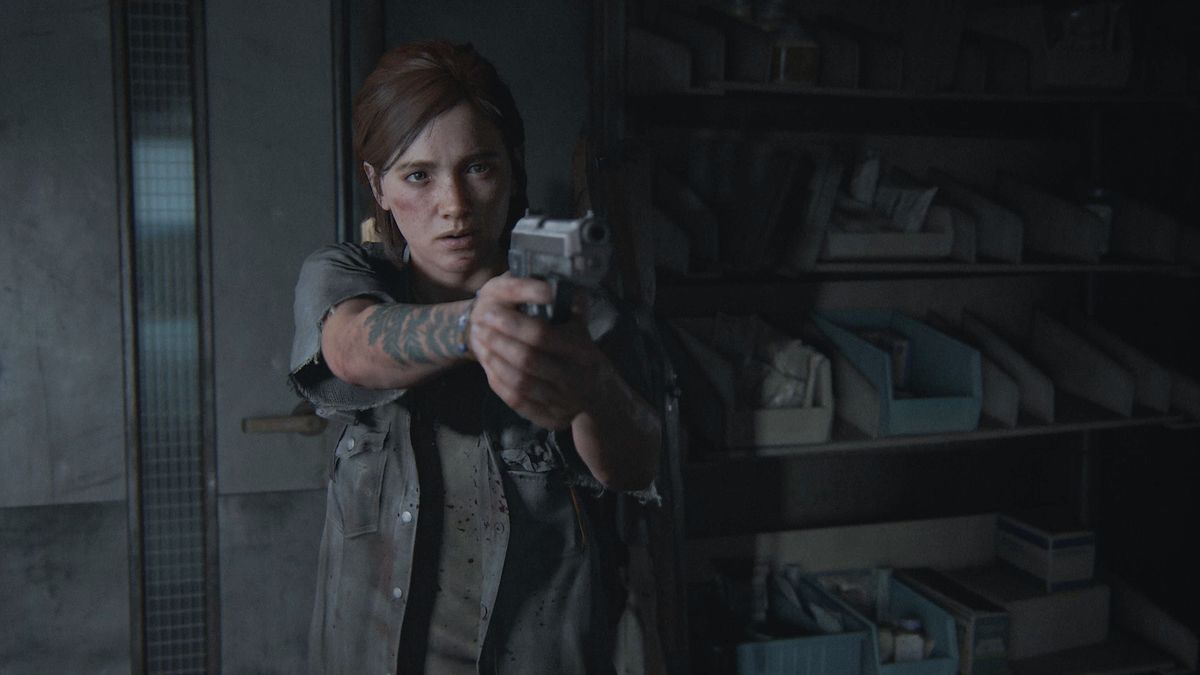
Blog: I Don’t Really Want to Play The Last of Us 2 – 06/17/20

To be perfectly honest, there is nothing I want to do less than play The Last of Us Part II right now. If I had to put my finger on it, I think the whole global pandemic thing has really soured me on a lot of zombie fiction in general, but none more so than the inevitable gut-punch that’s sure to be the entire narrative of the game.

The basic idea behind the zombie outbreak in The Last of Us, was that the Cordyceps fungus had mutated in such a way that it would consume up to 60% of the humanity the host had, causing them to be living husks that want to feast on your flesh. I don’t think I remembered that the infected were still technically alive underneath all of that mess, but according to a The Last of Us wiki, that seems to be the horrible truth of the matter.

While these gruesome details were just lore and world building for the 2013 release, the sequel was unfortunate enough to release during a global pandemic which in my case, has soured me on the product as a whole. It isn’t as if I didn’t enjoy the original The Last of Us, in fact I championed that game to a lot of my non-PS3-owning friends at the time as a genuinely emotionally impactful game. Under normal circumstances, I would be all over The Last of Us Part II, but I just cannot muster the enthusiasm for it right now.

Additionally, I’ve been desperate for a game I can sink my teeth into, but haven’t really been able to find anything to scratch that itch. The Last of Us Part II seemed like a great contender back in the before times, but I genuinely don’t know when I’m going to ever find time for it. The Last of Us Part II seems poised to illicit the exact opposite response that Animal Crossing: New Horizons received earlier this year from a lot of folks who considered it an escape from the misery of our new normal.

Maybe I’m being overly sensitive about the content of The Last of Us Part II and am dismissing it without giving it a proper chance. But the reasons for why I’m probably not going to play it aren’t indictments of its quality, it’s just that I really don’t feel like it’s going to offer me the escapism I want right now. I fear that the entire time I’d just be drawing parallels between it and our reality, and reality sucks ass right now, so I’m good.

Review: The House of Da Vinci 2

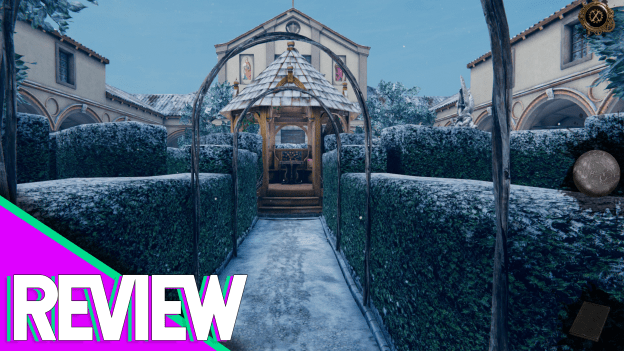
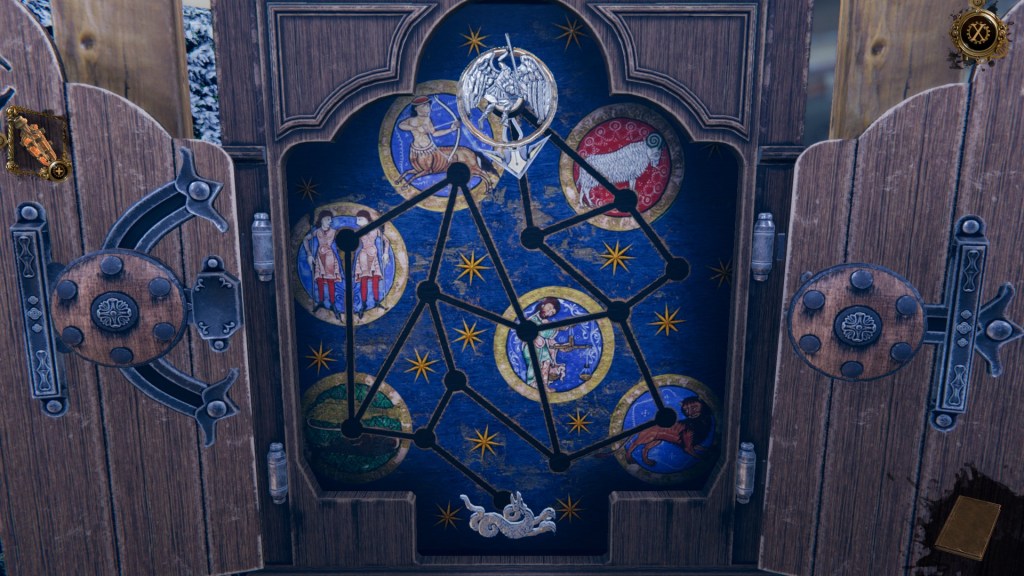
Back in 2016 the first The House of Da Vinci was released on mobile devices and was received warmly by critics and myself alike. In 2019 a sequel was released, once again on mobile devices, and despite my enjoyment of the first entry I completely missed The House of Da Vinci 2. Now in 2020, The House of Da Vinci 2 has been released on PC and has proven to be another solid entry in the series, mixing both very creative and frustratingly obtuse puzzles with a largely forgettable story.

To be completely candid here, I found the story of The House of Da Vinci 2 to be entirely forgettable and mostly an obstacle that got in the way of solving cool puzzles. I understand that you need some connective tissue to grant some sort of motivating factor or narrative thread, but it never managed to engage me at all. The story seemed fine overall, but it just was so far from the reason I was playing, that for the rest of this review it won’t really be a talking point.

With that said, you start The House of Da Vinci 2 off by escaping a prison cell and the sewers that run beneath it. You learn the basics of interacting with the world along with how to manage your inventory and how to use a special magic orb that you eventually come across.

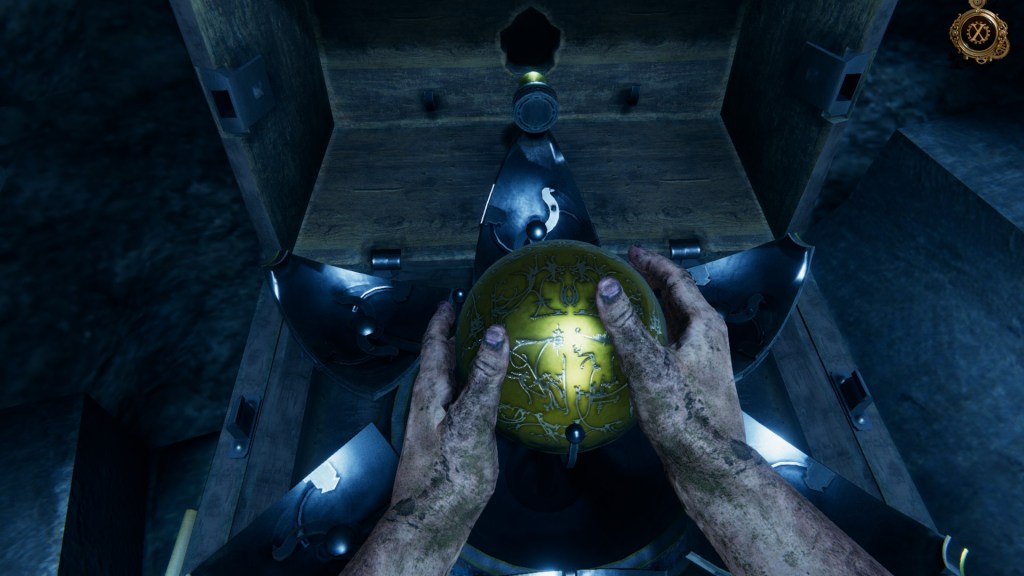
The orb in question can be twisted open to reveal two lenses inside that both allow you to see hidden things in the environment, and also see through time. The first lens let’s you see hidden mechanisms that are obscured by walls or inside of another object, and it allows you to interact with them. So you might not be able to see the lock on a door, but with this orb you can see the mechanism for it, and mess around with it.

The second lens allows you to see through time and travel to a past version of the level. These are highly scripted events and not something you can just do whenever you like. In certain parts of the level, if you open up the orb you’ll be greeted by a static swirling portal that you can walk through and enter the past. For example, in an early level I was in a Gazebo that only had one entrance in it, but opposite me in the distance was a very large door that seemed like where I had to go. I popped open the orb and was transported to a past version of the gazebo that had two exits, allowing me to progress further and solve other puzzles before returning to the portal and climbing through into the future.

One of the things that jumped out to me immediately was how clearly The House of Da Vinci 2, just like its predecessor, is a mobile game first. From the menus to just navigating and interacting with the world was crafted with a mobile user in mind and ultimately feels clunky in spots on other platforms. That’s not a bad thing if you’re playing on a mobile device, but considering I was playing it on PC I found some of the movement and interaction stuff to be a little tedious.

The entire game is mouse driven, allowing to you look around by clicking and dragging the mouse which works without any issue. The problem is that in order to move around or zoom in on a puzzle so you can interact with it, you have to double click the area or object, and sometimes those things can be a little closer to each other than you’d like. There were plenty of times in levels where I would try to interact with an object, and suddenly find myself gliding across the floor to another section of the level. It’s not game breaking or anything like that, just a minor annoyance that I kept running into.

The puzzles themselves run the entire gamut from really interesting, to straightforward, and to completely obtuse nonsense that doesn’t make any sense and you just so happened to luck your way into solving. There are so many puzzles that are either really cool or just not noteworthy whatsoever, so you just kind of breeze past them thinking you’re the smartest person in the world. Then you get to a puzzle that mentally breaks you, occupies an hour of your time as you start to question how you ever even made it through school, and then eventually realize you didn’t fully move a switch or something. Standard puzzle game stuff.

Luckily there’s a pretty good hint system in place that will give you increasingly more descriptive tips depending on how long you’ve lingered in a section without advancing a little. To better explain it, there will be a room filled with puzzle boxes and panels that all tie into each other in some fashion, but they usually have some chronological order for you to tackle them in. So the hint system starts some timer depending on how long you’ve gone without any progress, and gives you the first and most vague hint before starting the timer again and issuing a more descriptive one. It’s a good system that unfortunately doesn’t offer much for when you’ve exhausted all the hints and still don’t know what to do.

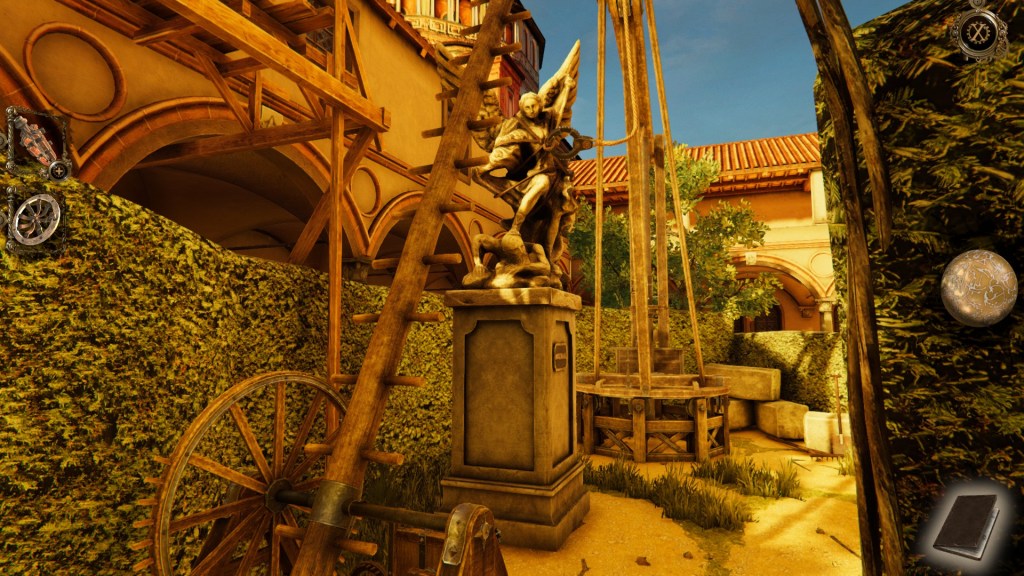
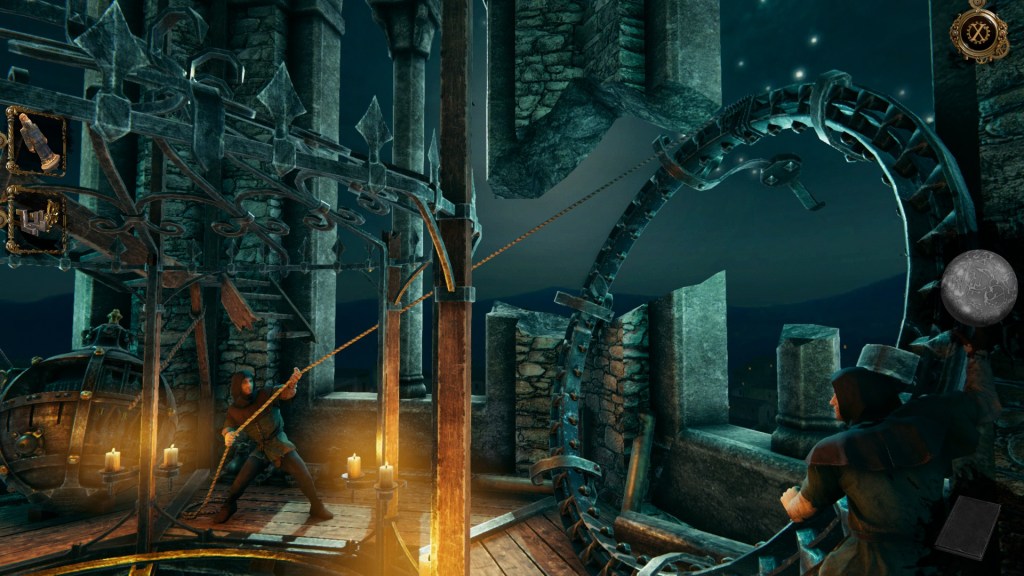
The House of Da Vinci 2 is also a pretty long game for what it is, clocking in around six hours for me which was a welcome surprise for me. The beauty of The House of Da Vinci 2 is that there’s very little to no repetition in the puzzles, and for the few times there was a similar puzzle, it was just different enough to feel fresh. The levels themselves are visually interesting, but usually boil down to little more than a cool new backdrop for you to play with a few objects inside of. The levels do a good job providing something that’s new and visually interesting, without being overly distracting.

Lastly, I should mention that while the game looks and runs well on PC it also comes with an inflated price tag if you choose the non-mobile approach. On phones it’s just five dollars, whereas the price on Steam is twenty. I don’t say that as a value judgement, just something for potential player to consider if they’re interested. Aside from playing on a larger screen with better graphical fidelity, there’s no real difference between the versions.

The House of Da Vinci 2 isn’t going to change your life or the way you think about puzzle games or anything like that. The truth is that it’s a solid puzzler that’s good for a few hours of fun. Maybe you’ll find the story to be engaging and thought provoking, but judging it solely on the strength of its puzzles, The House of Da Vinci 2 is pretty good.

Gut Check: Neversong

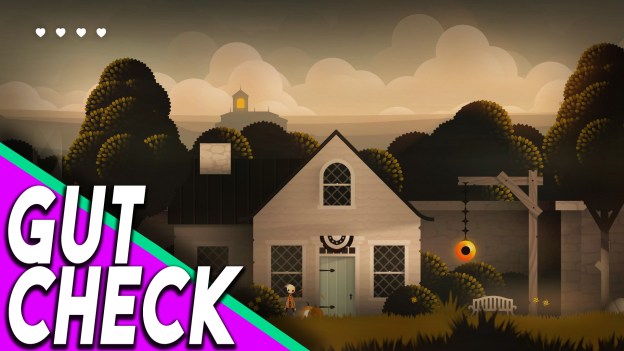
Neversong is a spooky little side-scrolling game that tries to blend so many elements together, but ultimately doesn’t succeed at most of them.  The spooky action, adventure and puzzle game has an interesting enough stylistic and plot hook to grab your attention, but many of the gameplay decisions are just dull.

In Neversong, you play as Peet, a young boy who you might traditionally call something of a coward.  Peet is juxtaposed by his best friend Wren, a young girl with no fear.  The two were inseparable best buds who one day found themselves in an abandoned asylum, where Wren was kidnapped by a horrifying monster, and Peet was put into a coma from what I can only assume is fear.  That part wasn’t super clear, but the main thrust of the story seems to be rescuing Wren.

20200522145513_1

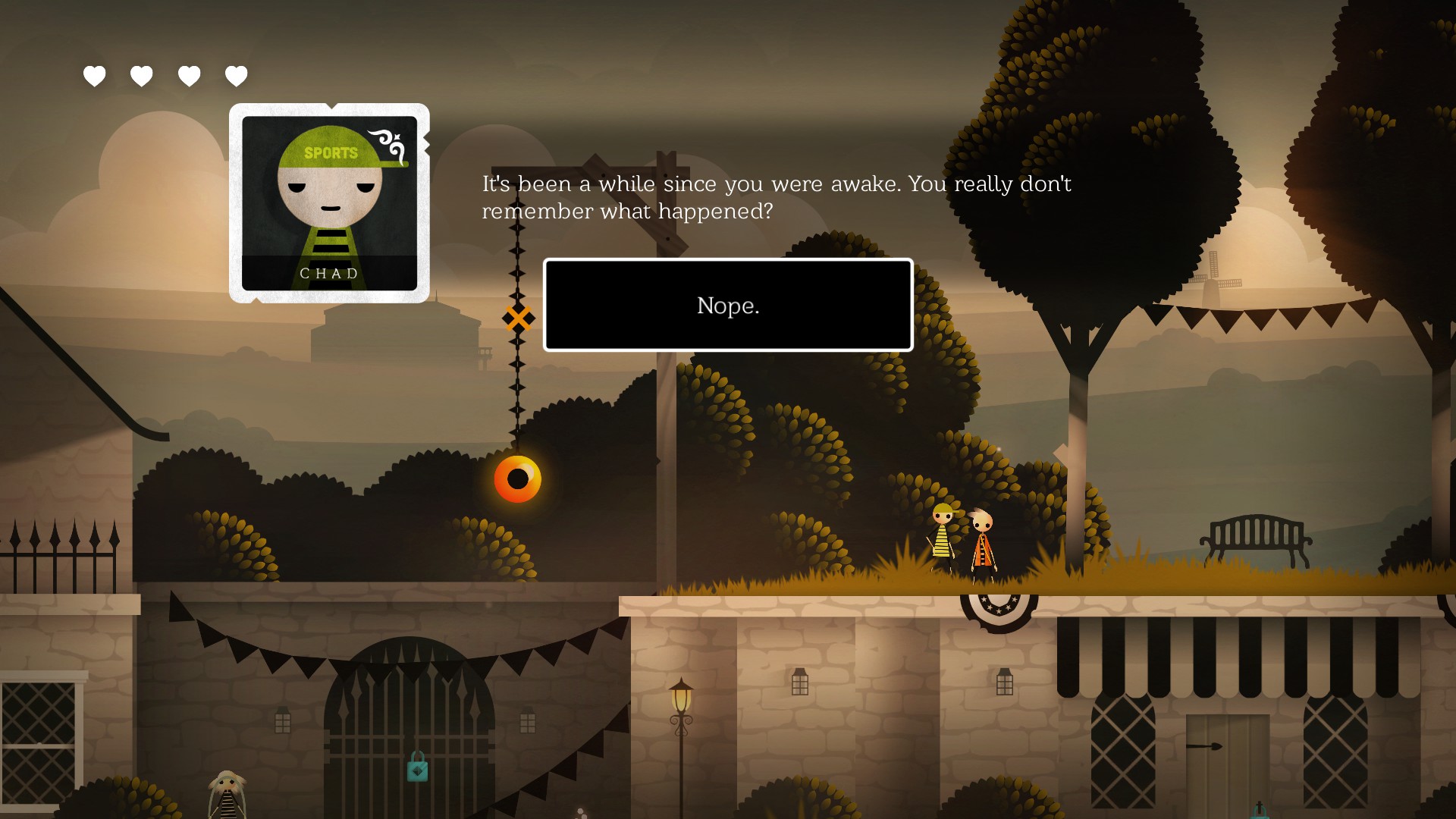
You wake up in your hometown, a place that is suspiciously devoid of any adults and only inhabited by what can only be described as the shittiest children on the planet.  Seriously, these kids are horrible, often times reveling in the fact that your best friend is missing and probably dead, or just calling you weak and a coward.  I genuinely hated every character in the game that wasn’t Wren.  If that was the desired effect, then mission accomplished.

Neversong excels in its tone and presentation, from its usage of music to its art style, everything is cohesive and vaguely terrifying.  Then you actually start playing the game, and you’re immediately confronted with the shallowness of the mechanics.  Now, to preface, I don’t think that Neversong is a bad game, I’m actually having a pretty alright time with it so far.  I just think that of everything I’ve seen so far, the parts where you need to either fight things or be accurate in your platforming are severely under-cooked.

20200522152917_1

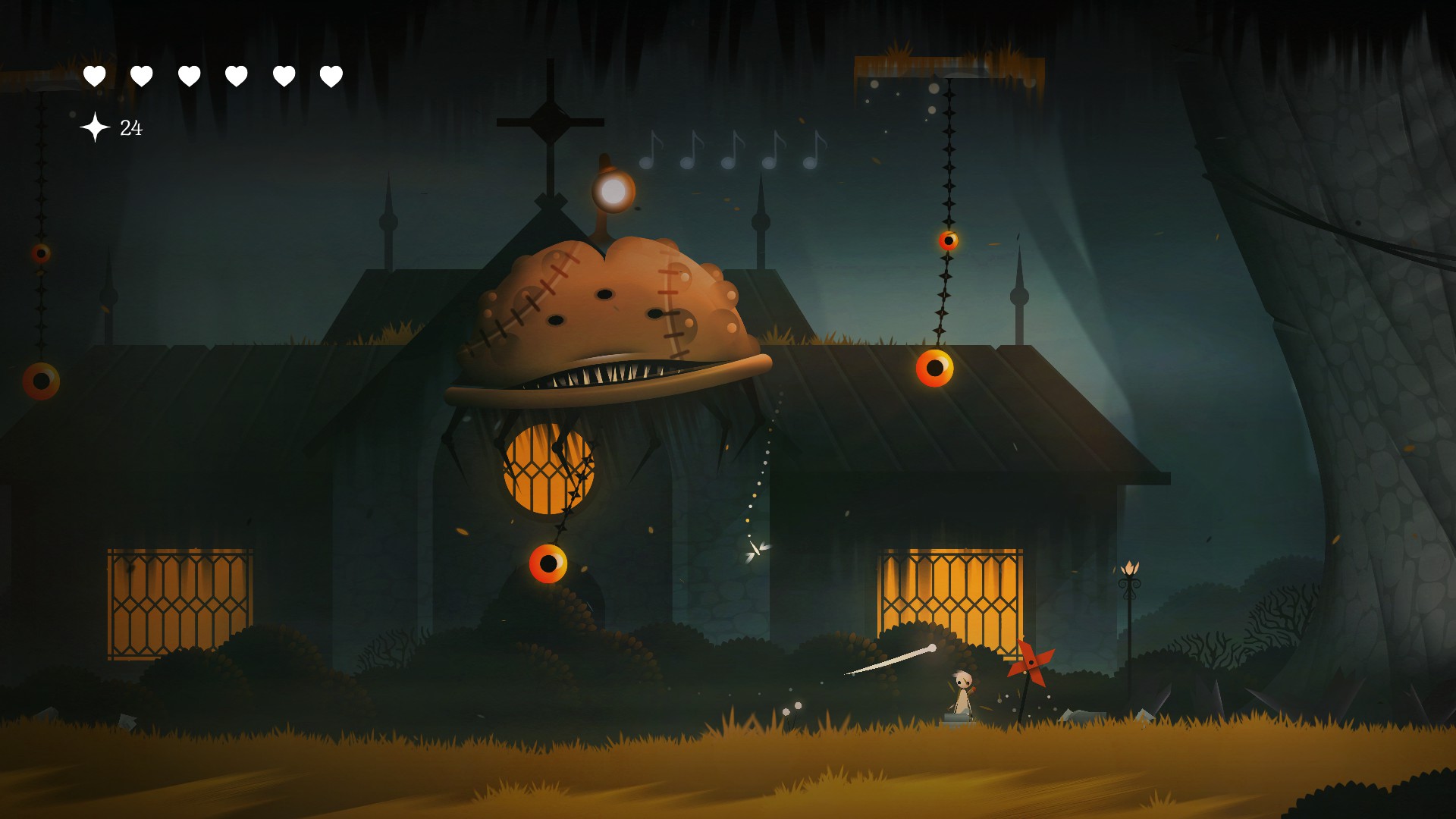
Early on, Peet becomes armed with a baseball bat which does exactly what you think it does.  You walk around the world and whack things with it until they explode into XP or health drops.  The XP system is pretty simple, offering you an extra pip of max health in return for collecting 100 XP shards.  It adds a welcome, albeit shallow form of progression that the game is ultimately better for.

Combat however just sucks.  It’s boring and lifeless, ultimately feeling more like an afterthought than anything.  Now, that might change as I progress further in the game, but after defeating two bosses by doing nothing more than mashing the X button at them, I feel less confident about that change actually happening.

20200522155837_1

Enemies up until now haven’t actually been a challenge, instead feeling more like obstacles that impede you as you move from area to area.  The same thing goes for bosses, who up till now haven’t been difficult at all, but they take forever to defeat because you need to go through that whole song and dance of hitting them then waiting for them to attack, and repeating that process 5 more times until they actually die.

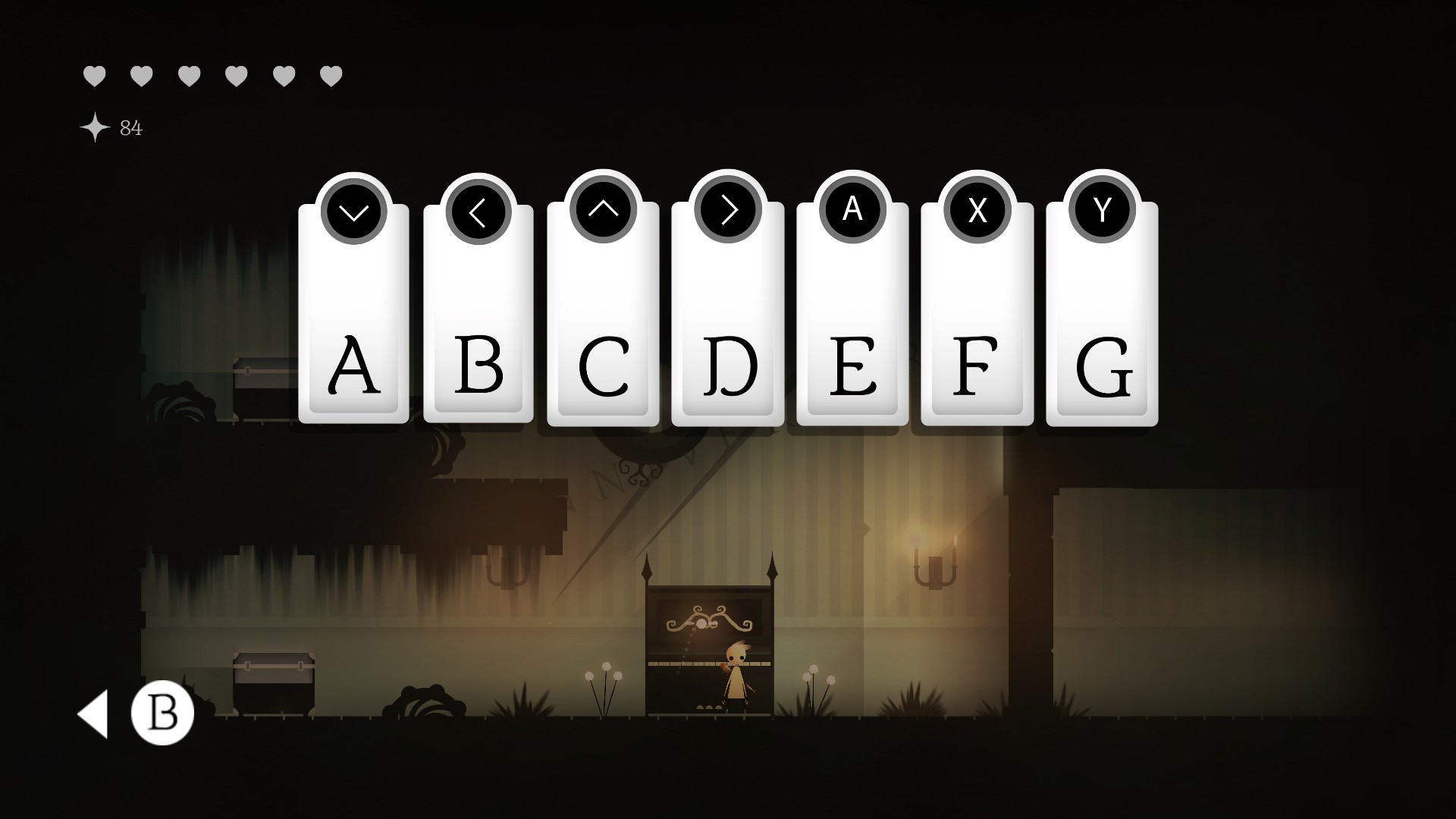
But after you finally defeat one of these time-consuming bosses, you unlock the notes for a song of theirs.  I’m not sure why you get a song from them, but you do.  So you head back from where you fought the boss, wading through the now respawned enemies and excessive amounts of loading screens, and head back to the town and into Wren’s house where a piano is.  At the piano, you play the song you just learned which unlocks a new tool or ability for you to use.  The first is the baseball bat and the second is the ability to latch onto these hanging orbs that you can swing from.  It’s a neat little bit of progression that feels laborious at times because you have to trudge your way back to the town, arguably because some story stuff will happen to you while in transit.  I get why they make you run back home after each level, but it’s still annoying.

20200522160726_1

For all the bellyaching that I’ve done at the expense of Neversong, to its credit, it hasn’t made me do the same thing twice.  The puzzles are all unique to the areas I’ve seen, they keep layering in new kinds of enemies for you to fight, and the only place I’ve had to revisit has been the main town.  Like I said, I’m not saying anything that Neversong is doing is bad, just some of it feels half-baked.

For what it’s worth, I think Neversong is a pretty good package that has its fair share of ups and downs just like any other game.  There is a part of me that’s thankful for the bare-bones combat being included, and another part of me that thinks that Neversong would have been a better game if it was just a puzzle focused experience.  I’m less conflicted about Neversong, and more just underwhelmed by it.  Although, even saying “underwhelmed” is too strong of an emotion for how I feel about the game.  Neversong is a game that I genuinely don’t have strong feelings about, whether they’re positive or negative.

Blog: GOG Galaxy – 06/10/20

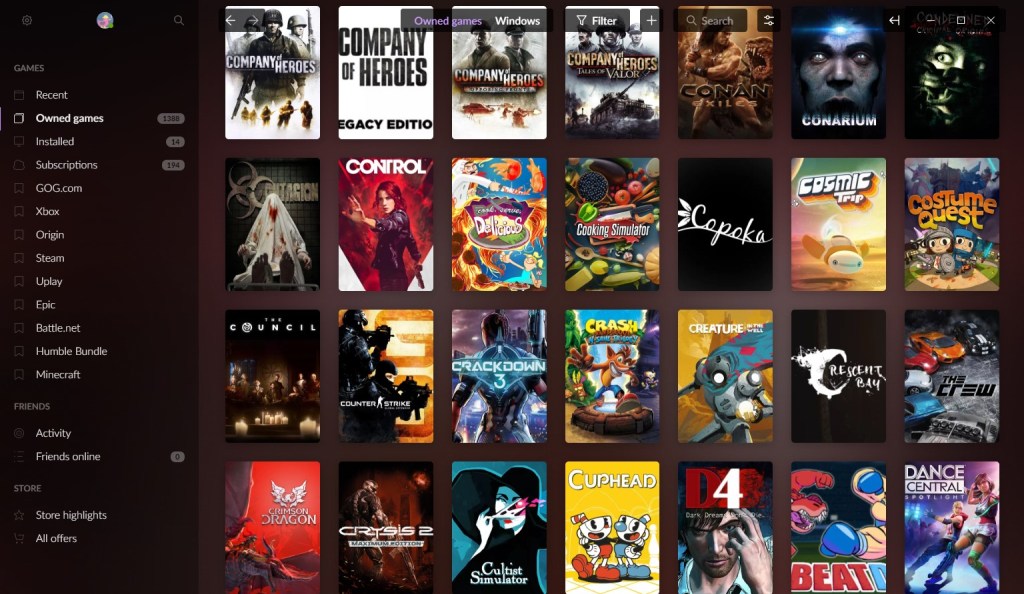
With the nearly untenable amount of launchers and storefronts currently available on PC, a joke eventually arose from this heap of software that essentially said, “Soon enough you’ll need a launcher for all of your launchers.” Sure enough, in the past few years we’ve seen several pieces of software try to position themselves as the last launcher you’d ever need. From Playnite to Discord, there have been no shortage of these inter-intermediaries available, but I’d like to focus specifically on GOG Galaxy.

For years now, GOG has offered a wide variety of classic and modern games for people to purchase and download, all of which carry a DRM-free guarantee. Essentially this means that unlike a Steam or a Uplay, games purchased on GOG are just yours and don’t require an extra layer of software to run. The makers of GOG also happen to be the people behind a little indie game series, perhaps you’ve heard of The Witcher? I think that’s what it’s called.

A few years ago, the makers of GOG made the decision to launch their own software that could not only be a storefront, but a launcher for your games. Just last year however, GOG announced and later added the ability to integrate your accounts from all corners of the PC launcher universe and settle them all in one place.

While other software had existed that filled this void well before GOG Galaxy was released into an open beta, I never felt emboldened to actually use any of them. This changed for me due to two very important developments in the way I get and play games. Firstly, the Epic Games Store started to sell a lot of games I was very interested in, while also giving away new games every week. And secondly, Xbox Gamepass became a part of my life. Now, the Epic Games Store has come a long way since it launched, but it’s still a bit too messy for my taste. Then there’s the Xbox Gamepass for PC launcher which is still in beta, but can be a laggy and unresponsive nightmare at times that I’d prefer to use as little as possible.

Those factors combined with the disgusting amount of games I own that are spread out across so many launchers meant it was finally time to try some sort of universal solution. So I embarked on the tedious journey of trying to remember all of my logins to these other services, forgetting them, and resetting every password I had in an attempt to streamline my gaming experience. I understand that GOG Galaxy is still technically in beta and isn’t finished, so take what I say next with that in mind.

I really like how everything in GOG Galaxy is laid out. It’s clean and simple to understand, while offering a ton of different sorting filters and categories for further refinement of your game library. Setting it up is simple as well, that is unless you don’t remember your logins to other services, but that’s never happened to anyone.

What is frustrating however is how you might find yourself waiting longer than it would take to just launch another launcher to play your game of choice. Whenever I start GOG Galaxy from scratch, it understandably has to validate and verify your logins to every service you’ve connected, and make sure your lists, stats, friends and recent activities are all represented as up to date and accurately as possible. For some services, this is hardly noticeable if at all, and is what I would consider seamless. But for other services, specifically Steam, I find that sometimes I’ll have to wait a few minutes for the list populate or to even verify my account is connected to GOG Galaxy.

To be completely fair though, I do have an unnecessarily big Steam library, so maybe that might be a reason for its occasional hiccups? But those hiccups are the sole reason as to why I don’t consistently use the software anymore. At this point I just default to opening Steam when I want to play I game I purchased through there, or clicking on a shortcut I have on my desktop. Very rarely am I opening GOG Galaxy at all, and it’s almost exclusively to avoid having to open the Xbox Gamepass PC launcher.

Outside of that, I just wish that the GOG Galaxy overlay actually worked so I could capture screenshots of every game I play, without having to worry about which games respect the GeForce overlay, which a surprising amount of games just don’t do in my experience. Having a universal way to capture images from games would make writing articles for this site a whole lot easier.

But in all seriousness, I think once GOG Galaxy sands down all of those rough edges I’ll ultimately return to it and save myself the headache of remembering what game lives where. Maybe you’re good with the setup you’ve got now, or maybe you’re actively looking for a replacement to whatever mess you’re currently in? Regardless, it couldn’t hurt to check out what GOG Galaxy has to offer.

Gut Check: Beautiful Desolation

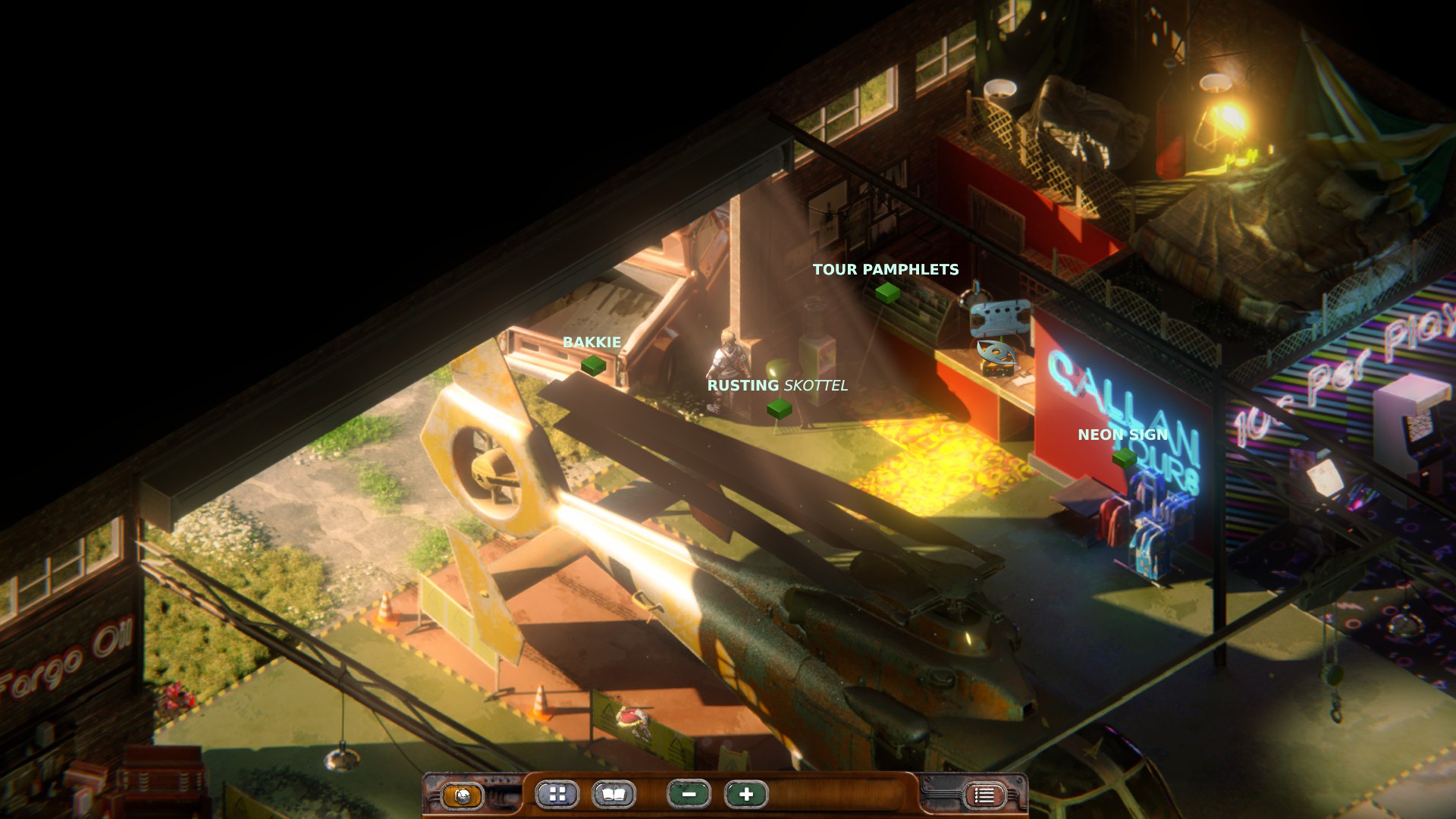
Beautiful Desolation is a point and click adventure game that puts you in the shoes of a gloriously mullet-ed man who is investigating the presence of a mysterious triangular object that’s appeared in the sky.  Through a combination of puzzle solving, dialogue trees and aimlessly wandering around gorgeously rendered landscapes, you start to peel back the cosmic mystery that’s upended your life.

20200518151432_1

Beautiful Desolation starts out very dramatically as you and your wife are driving through a thunderstorm to go pick up your brother from an undisclosed location.  The dialogue reveals that your brother has a reoccurring problem that’s put a lot of stress on your relationship with him, but before you actually arrive anywhere a mysterious shape in the sky called the penrose appears, and some sort of wave of energy flows out of it that ends up flipping your car and killing your wife.

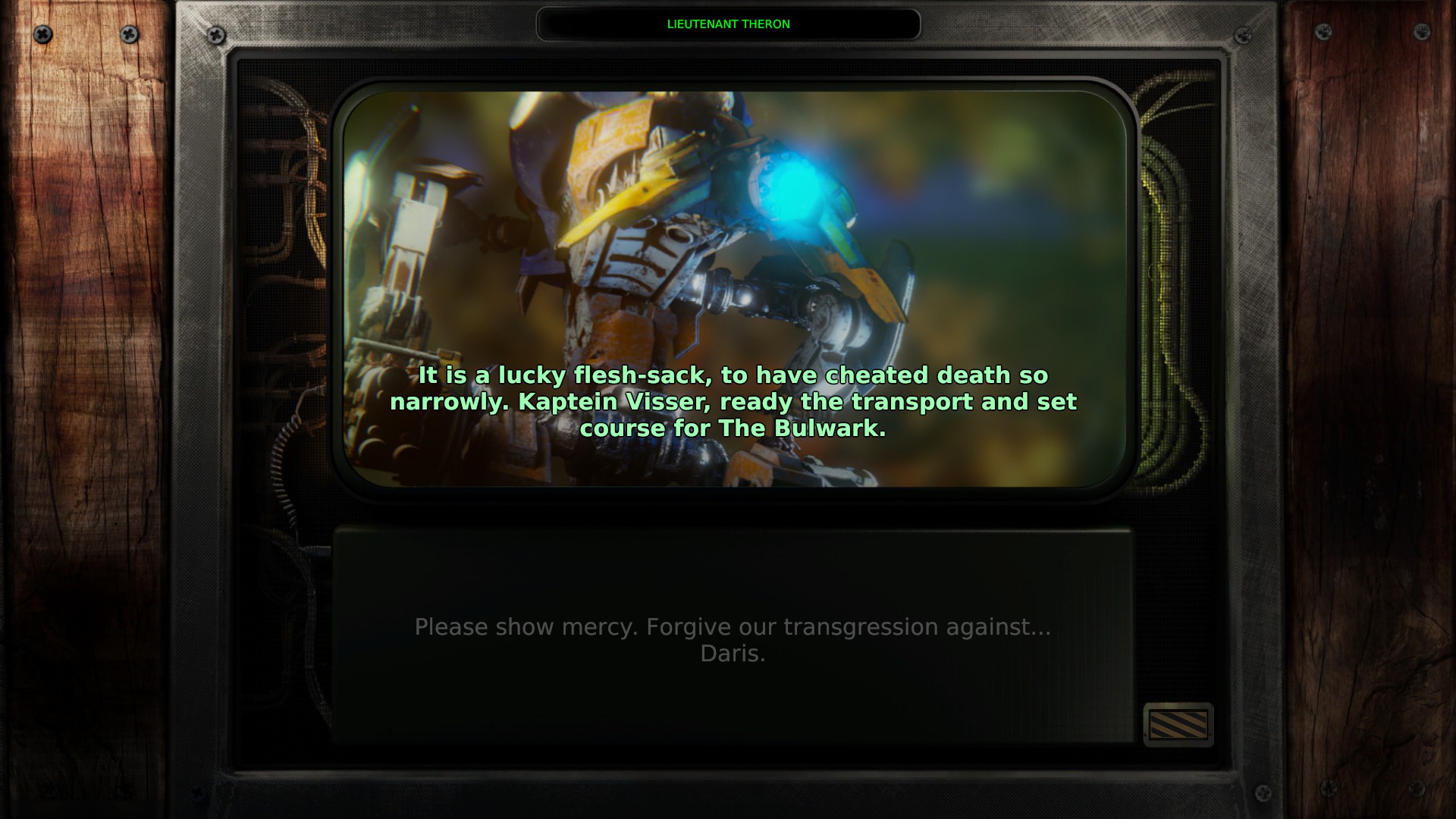
A decade later your character arrives at a hangar owned by your brother in the hopes of getting him to pilot his helicopter up to the penrose that’s still in the sky.  Your character has basically become obsessed with the true nature of this structure, eagerly laying out his intentions of retrieving some sort of data set from the now government (I think?) controlled penrose.  Once up there, you collect the data and things immediately go wrong.  Suddenly, you’re whisked away to another place in another time where you’re arrested by robots, and in transit to the authorities for questioning are shot down.  Thus begins your search for your brother as well as a way home and probably some explanation about what the hell is going on.

20200518150939_1

Typically, this is where I’d discuss the gameplay side of Beautiful Desolation, but the gameplay really doesn’t seem like the main attraction.  You’re basically just clicking on points of interest, interfacing with them using your PDA (which is more or less a handheld PipBoy,) and dragging items around your inventory to combine them.  That is until later on when you get control of a spaceship and can head from point of interest to point of interest.

The real star of the show seems to be the story and characters, rightfully so considering this is an adventure game.  You’ll talk to several other beings on your travels, picking from a few different options of dialogue in an attempt to further your goals and learn what you can.  Since starting the game, I haven’t met a character that wasn’t fun to talk to, although I admit I’m still very early on in the game so that could all change.  I also can’t say how much of an impact on the story your choices have, but I’m hoping that in this dialogue driven experience it’s pretty severe.

20200518144952_1

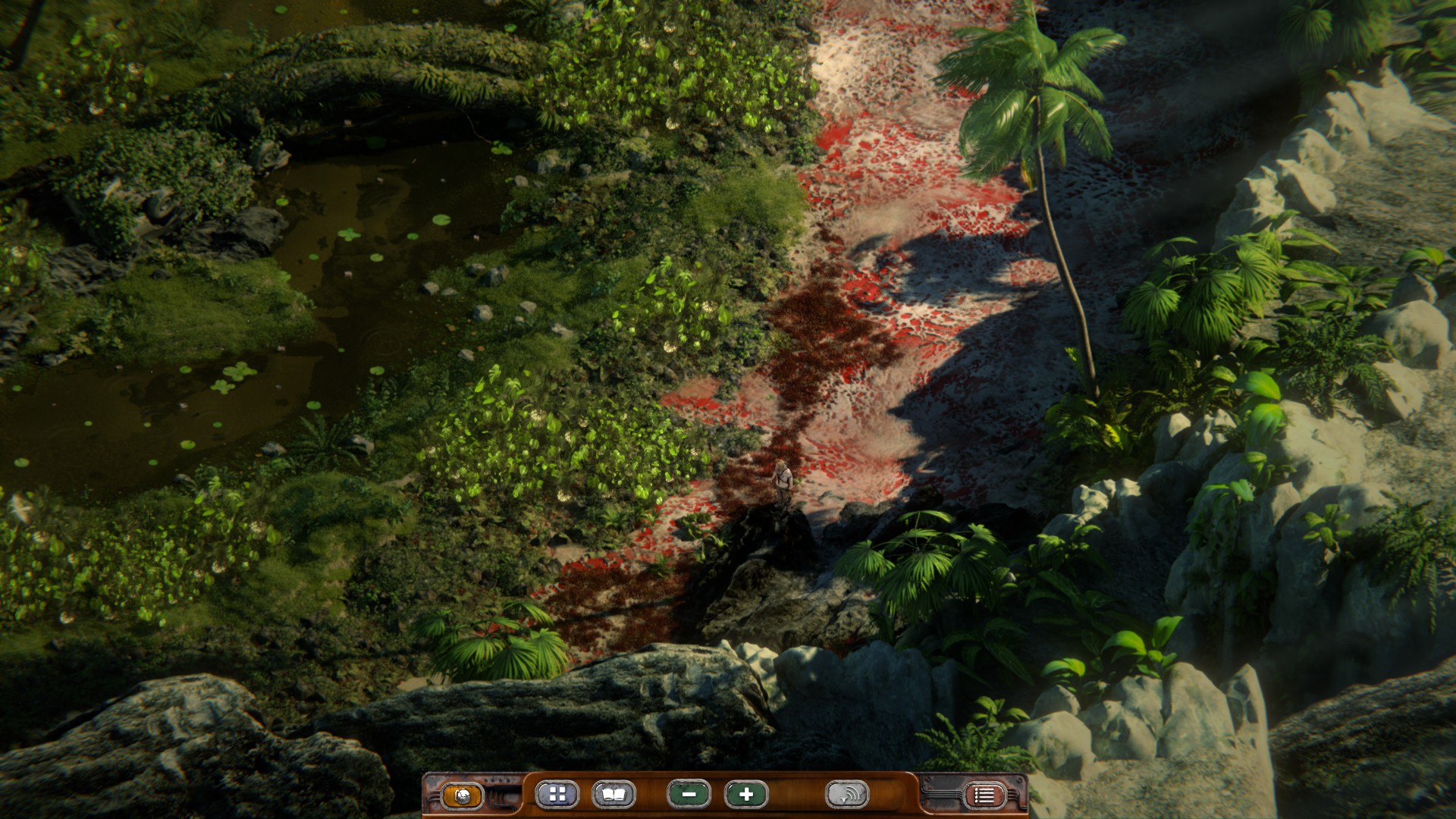
While I’ve enjoyed what I’ve seen of Beautiful Desolation up until now, one thing that proved to be a nuisance has to do with the beautifully rendered world you traipse around.  While it’s a delight to look at, it also has led to several instances of me not knowing what was walk-able terrain and what wasn’t.  I must of killed fifteen minutes trying to find a way out of the map I was on, only to accidentally click my way onto a ramp that didn’t immediately read as a ramp.  Everything looks so damn good in this game, that I just assumed I couldn’t walk on it.  There’s an indicator that’s supposed to tell me if I can traverse an area or not, but clearly it didn’t register for me.

Beautiful Desolation is a game that intrigues me more than it does interest me, at least that’s how I feel about it a few hours in.  No element of it has either gripped nor repelled me yet, and I’m hoping that changes soon.  Where Beautiful Desolation ends up going is something I can’t answer yet, but I’m definitely going to give it another shot and see if anything changes.

Gut Check: Umurangi Generation

Umurangi Generation is a stylistic and serene game about being a photographer in some weird dystopian, vaguely cyberpunk world where somebody is paying top dollar for your random pictures of birds.  It’s actually a really neat concept that fumbles the execution in certain spots, but still retains a certain meditative quality that I appreciate.

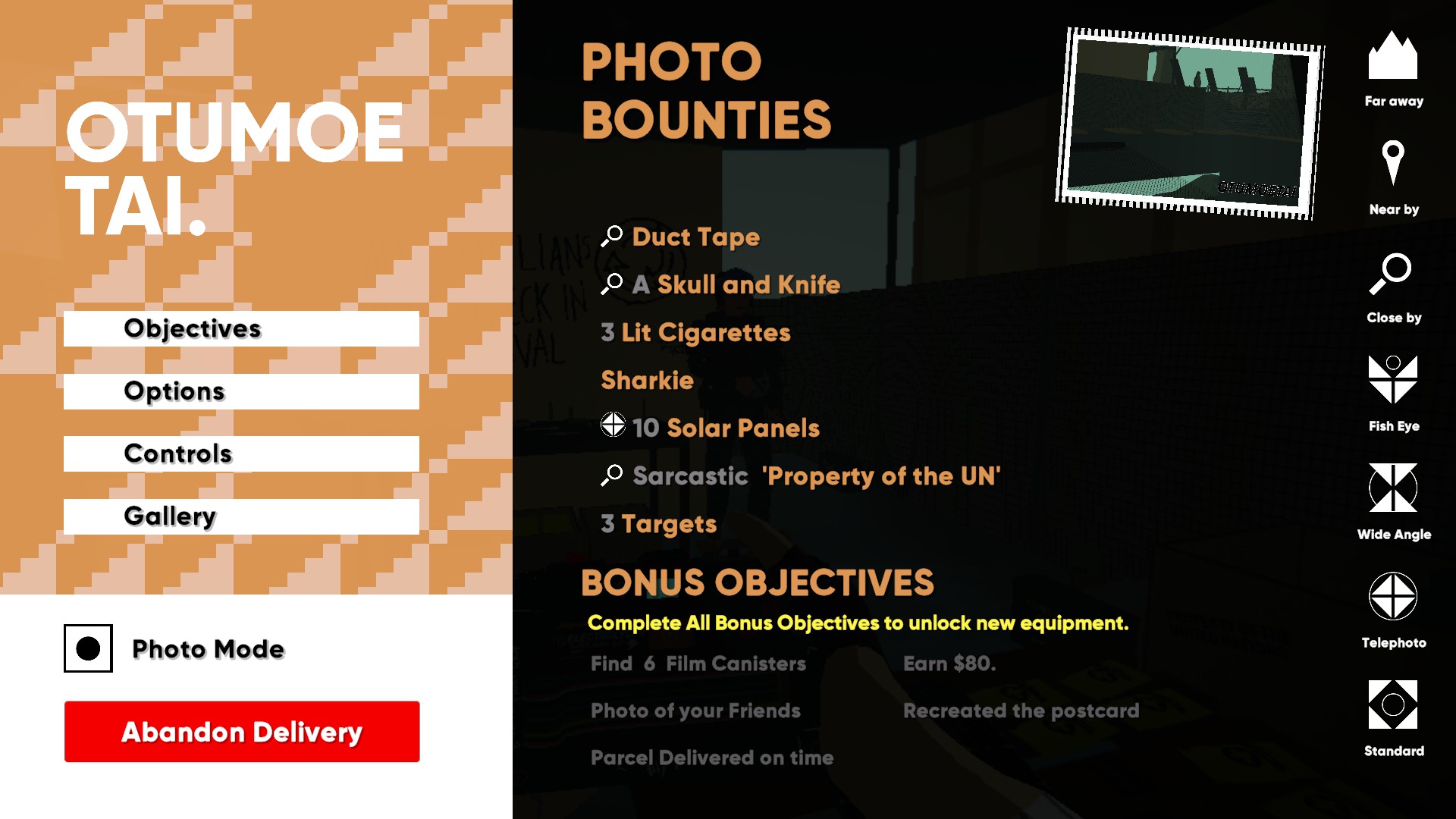
When I jumped into the first level of Umurangi Generation, I honestly felt a little overwhelmed by what I was supposed to do.  You’re given a list of photo objectives, most of which just want something specific in it like a mountain or a flag, but some will have an additional piece of criteria that asks you to use a specific lens or be at a particular distance from the subject. As I played more however, I started to feel more comfortable with the suite of tools I had and when to use them.

20200523131513_1

What doesn’t get easier however, is the unnecessary vagueness of some of these objectives.  Often times the objectives are straightforward, asking you to get a certain amount of an object in one shot or asking you to recreate a postcard.  Then there are objectives that are so purposefully vague that you’ll end up spending several minutes trying to even comprehend what you’re actually supposed to be looking for.

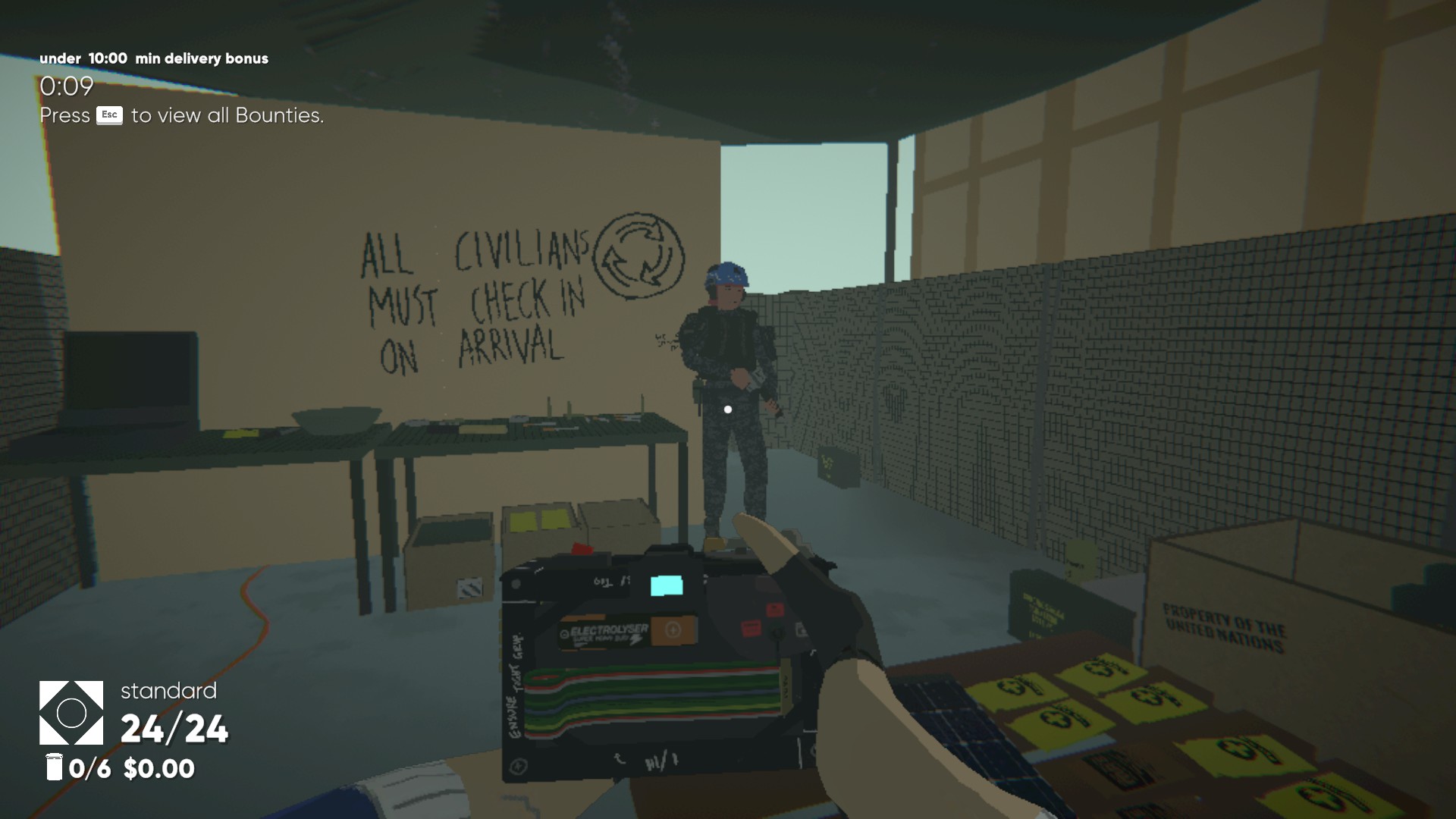
For instance, an early objective was to find a sarcastic version of the phrase, “Property of the United Nations.”  This level looked like some military outpost, so literally everything had the phrase, “Property of the United Nations” on it somewhere.  But not knowing what I was exactly looking for caused me more frustration than satisfaction when I eventually discovered that one of the soldiers was wearing a helmet that said something cheeky on it.  Like, it was a decent joke I suppose, but the punchline didn’t land because I had already wasted twenty minutes trying to find the damn thing.

20200523132647_1

That nebulous goal was only made more infuriating by the slow and imprecise movement of your character.  My main issues are the speed at which you move and how often I found myself getting tangled up on level geometry.  I’d get caught on corners and ledges for the most part, which were less than ideal when you have ten minutes to complete all the objectives in a level.

Technically you can go over that time limit, but you’ll take a penalty for it.  In Umurangi Generation, you pay for every roll of film you use in your camera, and get paid for the content and accuracy of your shots.  I never really felt the financial impact of wasting time or film in the early parts of the game, but I imagine that could change in later levels.  You’re also dinged for having any “blue bottles” or man o’ wars in your shots, something I feel I should mention because they’re literally everywhere.  It’s this extra obstacle that makes you find more creative ways to get the perfect shot.

20200523132643_1

Once you take a picture, you get the opportunity to edit it.  It starts simple at first, only allowing you to change the exposure and color tint, but by the third level I had unlocked a saturation slider as well.  Umurangi Generation has a decent progression system in it too, where you unlock a new tool as you move from level to level.  The first unlock I got was a telephoto lens, followed by the aforementioned saturation slider. I don’t know if Umurangi Generation will keep up the pace of unlocks as I progress, but I sure hope it does.

Umurangi Generation is an extremely cool concept for a game that does a really good job with the photography mechanics, but has some rough edges on almost every other aspect of it.  That being said, I really like Umurangi Generation.  When the weight of the timer or the nebulous goals isn’t pushing down on me, it truly feels like the meditative experience I want from a game.

Blog: Black Lives Matter – 06/03/20

I know everyone has their opinion about what’s going on in the world right now, and I also know that my voice is not the best suited to speak on these heated issues, but being silent is akin to not caring at all. I’m sure you’ve seen and read a lot of media about this very topic, so my apologies for just adding another thing on the pile. Oh, and this shouldn’t be surprising, but this one isn’t about video games.

I 100% am in support the protestors and the Black Lives Matter movement. This country has needed systemic reform since its inception, and its citizens have cried out for it countless times in our history. George Floyd was murdered by the police, and those officers, along with every officer needs to be held accountable for their actions, as they’ve been literally getting away with murder for decades.

I know I’m far from the right person to speak eloquently and informatively about this topic, so I won’t belabor the point. It’s been long past the time for action in this country, and I applaud the protestors for continually standing up to oppression despite having a president who both encourages and celebrates violence towards them.

There are plenty of ways to provide support and aid to the movement, all of which are listed here, and I strongly suggest you look into if you are able to. And if you are participating in the protests, stay safe. Not only do you have to contend with the police, but there’s still a deadly virus hanging around that you still need to be cautious about. Above all, if you want to see real and tangible change, vote in November. Vote this pompous, malevolent and quite frankly, evil man out of office later this year. You can check your voter registration at vote.org.

Stay safe everyone. This is only going to get harder.

Gut Check: Maneater

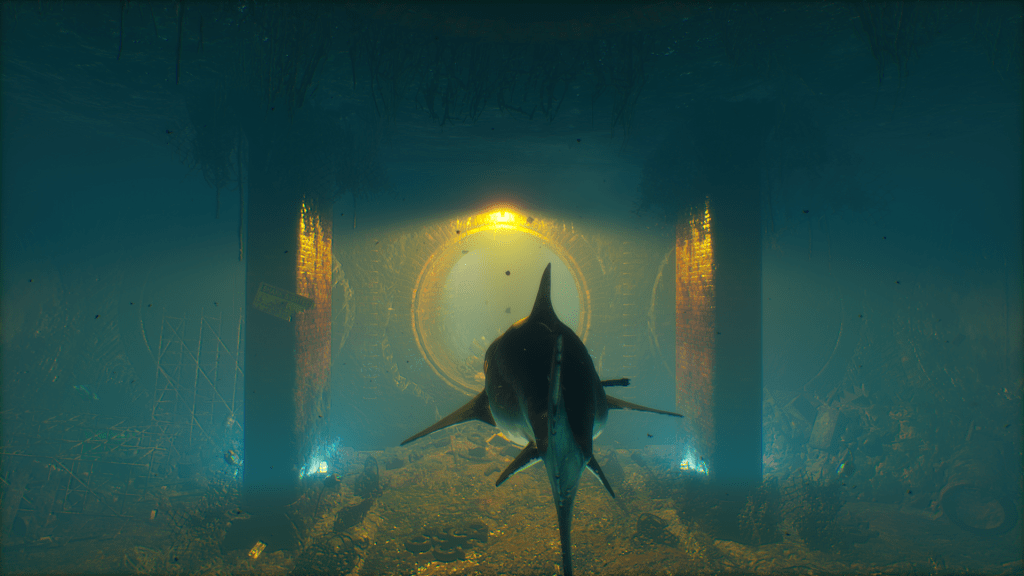
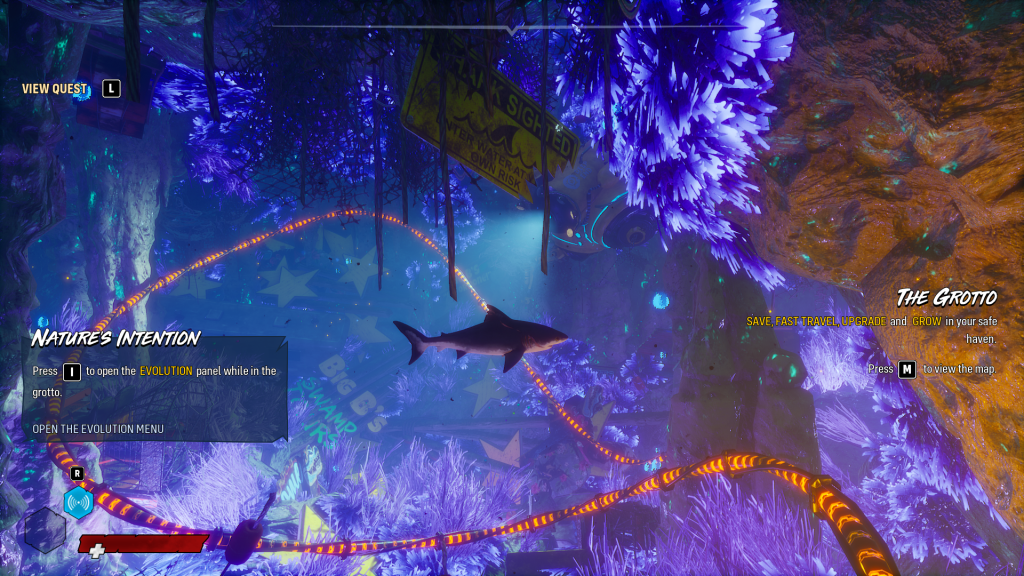
Maneater is a genuinely fun game with an extremely unique concept that ultimately gets bogged down in repetition and monotony far sooner than you’d expect or want. One would think that a game about being a shark that’s hell-bent on consuming and destroying any and everything in its path would be more exciting to play, and while the moment to moment gameplay achieves that desired level of excitement, the objectives and grinding required of you become very tedious, very quickly.

When you begin Maneater, you’re thrust into the far more capable fins of an adult shark that’s fairly hearty and ferocious. You learn the basic controls of locomotion and eating, and shortly afterwards find yourself devouring placid beach-goers just trying to soak up the sun. After a few snacks of the human variety, a shark hunting party is deployed to your location where you summarily dispatch them through a combination of ramming their boats, hurling divers at their boats, leaping atop their boats, or just chomping away at them until there’s nothing left.

In classic “abilitease” fashion, your shark is captured by some big time shark hunter that’s being filmed for the reality TV show, unsurprisingly titled “Maneater.” This jerk kills the shark you were playing as, cuts a baby out of your stomach, and throws it back into the water, but only after this baby shark chomps off this dude’s arm. Thus you start your murder-shark career in earnest as this orphaned shark-child that’s definitely not out for revenge.

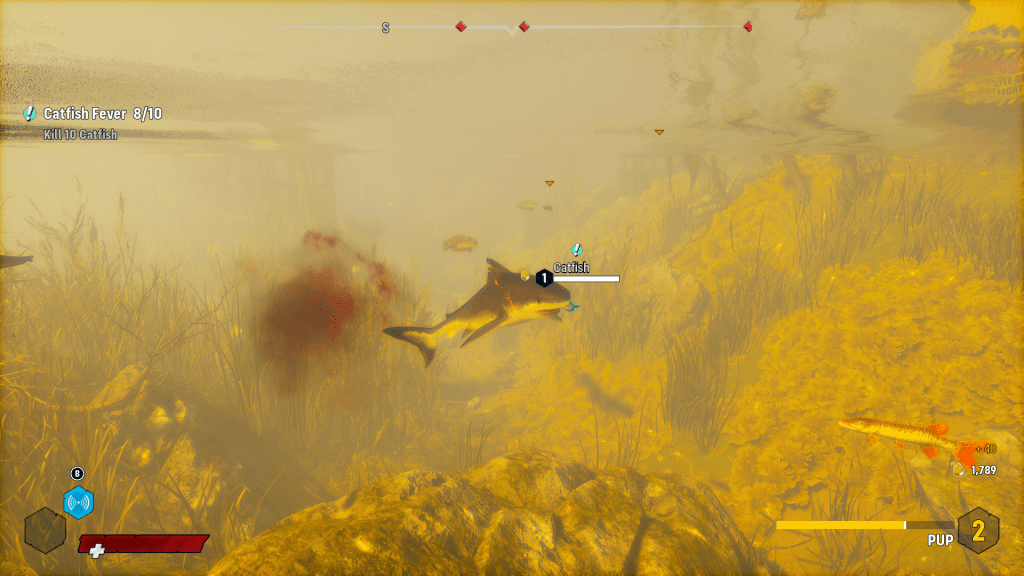
It’s during this first level of Maneater where I cultivated my “Gut Check” opinions, so I’m well aware that things can change as I progress further. The first level is your standard bayou that’s chock full of catfish, cattails, murky brown water and of course, gators. You spend most of this time trying to navigate towards your objective marker while chowing down on turtles and other tiny fish on your way. In this way Maneater feels a lot like a Feeding Frenzy type of game, where you eat enough smaller fish to level up and grow into a bigger shark that’s capable of taking on bigger foes. Except, even at higher levels and larger sizes I was still getting attacked by level one fish who no longer posed any sort of threat to me.

See, in Maneater you don’t just swim over a fish and eat it, you literally have to mash on the right trigger to chew your food. You’ll also need to wiggle the right analog stick if something caught in your maw tries to escape your grasp. If you’re feeling especially froggy, you can even grab some prey in your massive chompers, and then hurl them off into the distance at another target. Maneater clearly is taking its subject matter about as seriously as Sharknado did, and I love it for that. It’s one of the few games in recent memory that have made me laugh, not through a joke or a cut-scene, but through the sheer absurdity of what I was controlling.

Unfortunately, Maneater gets a little repetitive, even so early in the game. I progressed through a few objectives pretty quickly, but ultimately was greeted by a progress gate that required me to be level 4 before I could take on any additional missions. That meant I was just going to swim around and eat more turtles and groupers until I became a bit heartier. This took a while. Now this could just be an isolated incident, but the word on the street is that this repetitive structure only gets worse as you progress.

That’s a damn shame too because I genuinely think that Maneater is such a strong concept for a game. Unfortunately it shows its cards a little too early in the game, revealing that while the core gameplay loop is fun, it isn’t fun enough to outweigh Maneater‘s repetitious nature. That isn’t to say that repetition is the only issue that Maneater has, but it is the most predominant one, with a close second place going to the unwieldy camera.

Maneater does its best in trying to make a game about swimming actually feel good to play, and for the most part it succeeds. But the way the camera works, particularly when you’re in combat with something is infuriating. Combat usually devolves into you and your opponent circling one another, waiting for and then dodging their attack, and then retaliating with your own powerful chomps until they finally die. This would all be fine if the camera actually played along and locked-on to your enemy. Instead, you can click the right stick in to whip the camera around to face your enemy, but it doesn’t lock-on to them. It’s bewildering at best, and I sure hope that there’s either a setting in the menus I missed, or even some woefully misguided later upgrade I can unlock, because as it is fighting anything is a messy endeavor.

Maneater does have its highs though, primarily in how it presents the story to you. The show, “Maneater,” is portrayed to you in the style of a Discovery Channel show about wildlife, interspersed with reality TV show moments that follow the folks trying to hunt you. It’s all narrated by Chris Parnell as well, which is honestly a great choice because he does a fantastic job with the script he’s given, even if all of the jokes don’t land.

I’ve only played a small piece of Maneater, but I’m already starting to feel a little worn down by it. I’m not ready to throw in the towel just yet, but I kind of already know that there’s a very little chance I end up seeing this thing through to the end. I’m just not a big fan of having to grind or complete repeated objectives in games, and it sounds like there’s a lot of that in Maneater.

I Wanted to Play Assassin’s Creed Odyssey, But Apparently That Was Too Much to Ask For

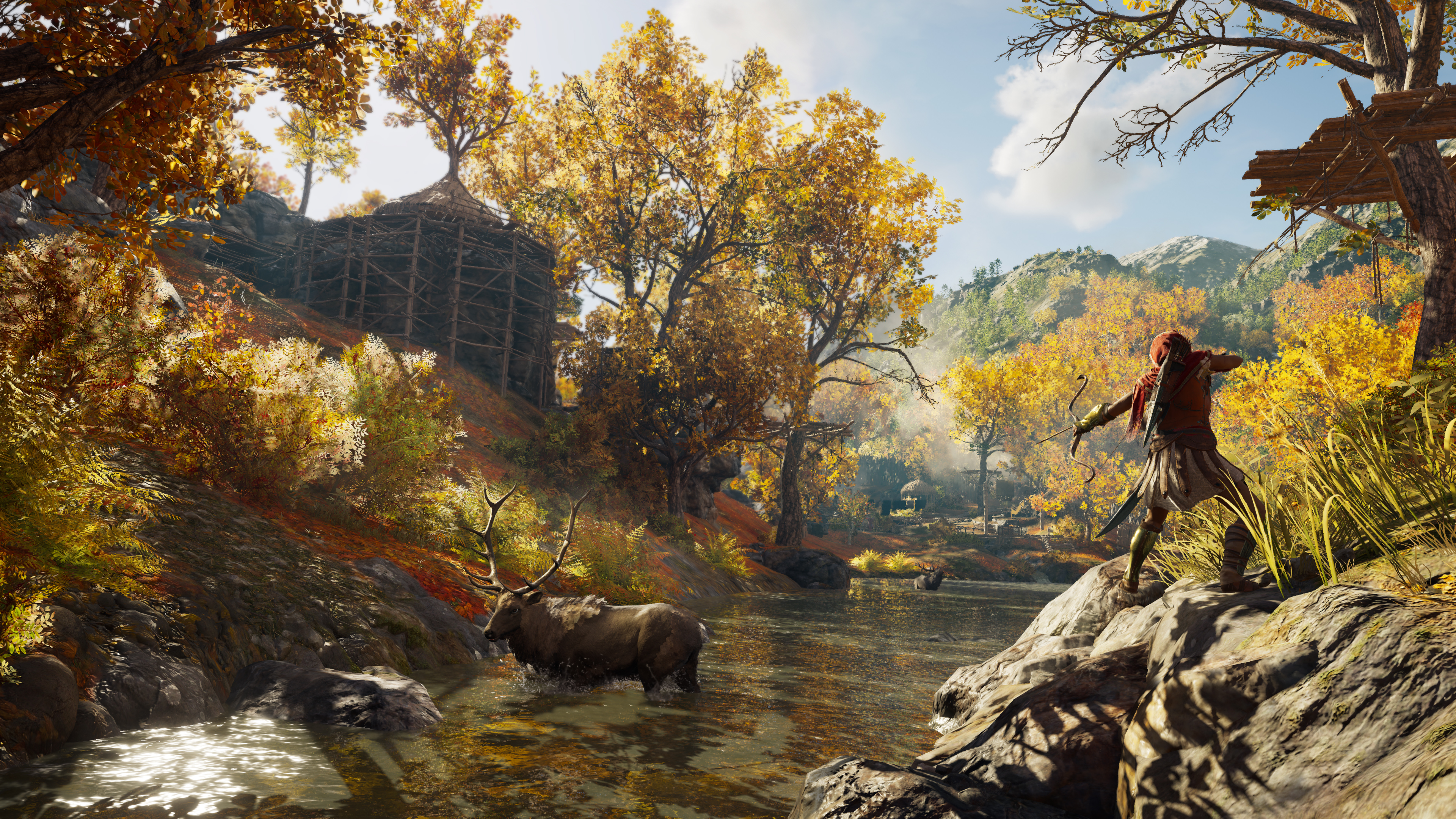
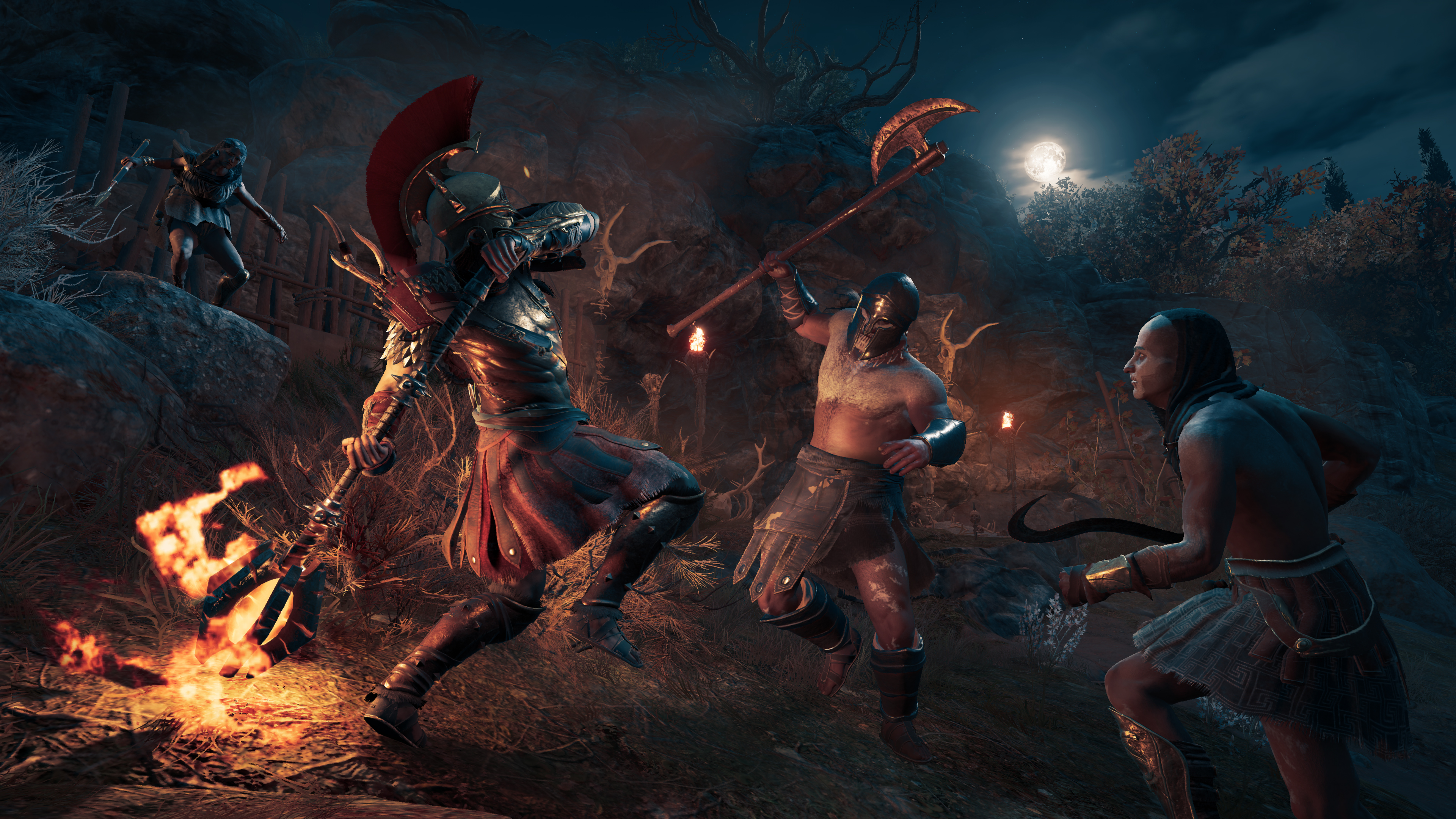
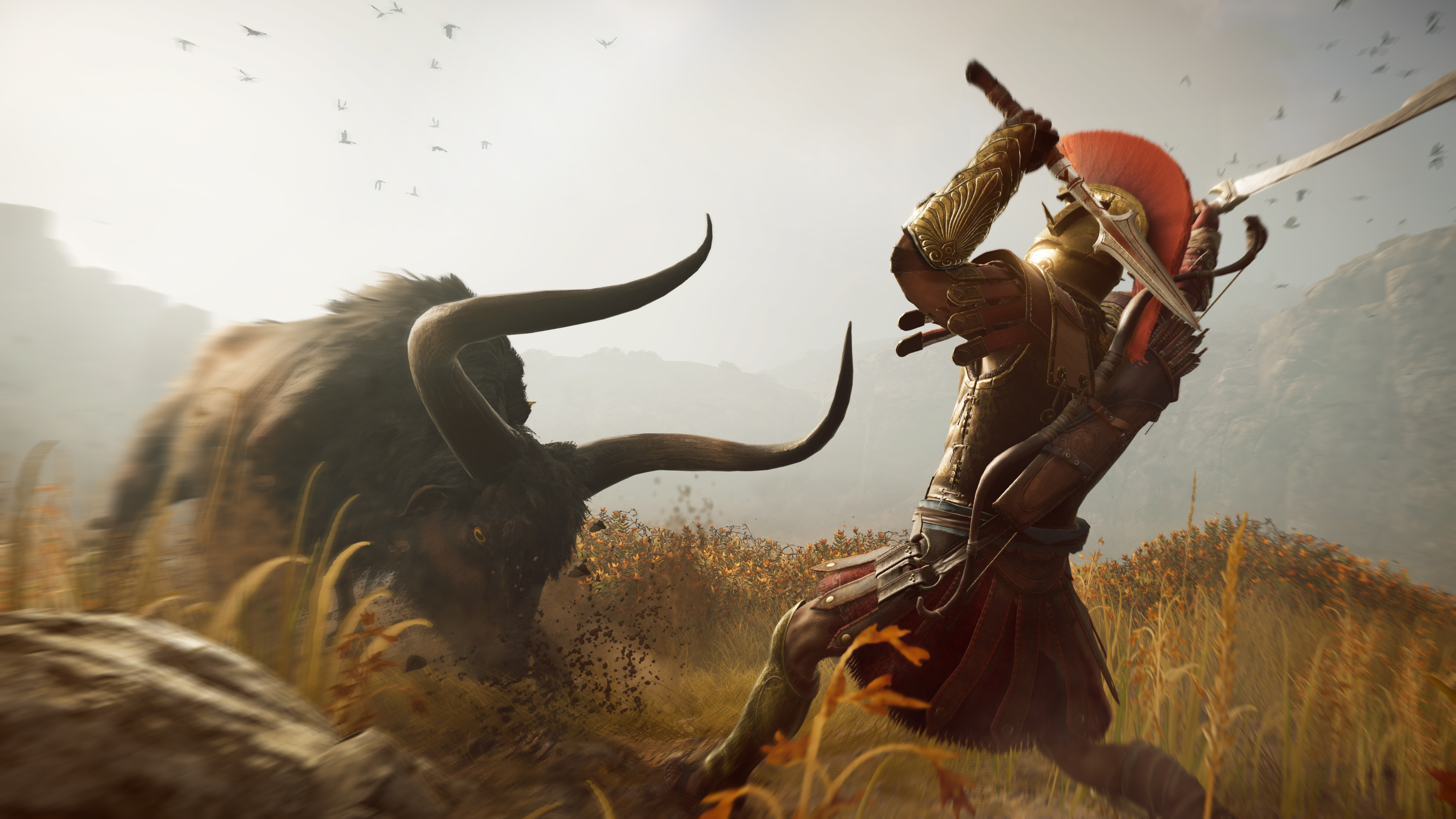
Recently the Epic Games Store ran their “Epic Mega Sale,” in which not only were games on sale, but they issued ten dollar coupons to everyone to entice people to buy more. Needless to say, this offer worked and I picked up Assassin’s Creed Odyssey for only a couple of bucks, thus starting a several day journey of actually getting to play the damn thing.

Assassin’s Creed Odyssey clocked in around 81 gigabytes for its initial install time. I wasn’t surprised by how massive it was considering I knew how big of a game it was. Sure having to wait a few hours for something to install sucks, but it’s an unavoidable part of playing just about any game these days. This was something I anticipated and was prepared for.

What I wasn’t ready for was the disconnect between the Epic Games Store and Uplay, a factor that took me alarmingly long to realize and fix. See, when you launch a Ubisoft title outside of Uplay itself, Uplay still has to launch and authorize that you actually own the game. What I hadn’t accounted for was the fact that I hadn’t actually launched Uplay for a long time, so it needed to update itself as well, but since I was running a shell of UPlay the actual program itself was unable to update.

I was met with a blue dialogue box in Ubisoft colors that said something to the effect of “looking for updates.” This box never went away. It was looking for updates but couldn’t find any. After some time of waiting, I decided to just launch Uplay by itself to see if an update would automatically initialize. Luckily, that did the trick.

So now I was ready to go, right? Of course not. Assassin’s Creed Odyssey had a 30 gigabyte update ready and waiting for me. You would think that in buying the game I would have received the most updated version of the dang thing, but no. For some reason, far beyond my comprehension, I still had an update that was nearly half the size of the game to install before I could have my fun stabbing adventures.

Finally, the update was applied and I was ready to go, right? Nope! Because suddenly Uplay was asking me for a CD key for the game I just bought, and I couldn’t find that information in my cursory searching through the Epic Games Store. So I restarted the Epic store to see if that might refresh some entitlements or something, and it kind of worked out. I had to link my Epic account to Uplay, something I could’ve sworn I already did when I bought The Division 2 when it initially released. So I did that and finally I could play the game, right?

If that was the end of the saga, I might not have written this article at all, but unfortunately for me a new problem appeared just in time to properly piss me off. The game launches, I do the intro mission and start to progress. Not five minutes into actually playing the game as the protagonist, it crashes.

The first mission in the game has you face off against two hooligans who come and harass you on behalf of some gang leader named “The Cyclops.” After roughing them up, you get to make your first choice in the game of whether to kill them or let them live. I chose the latter. A cut-scene happens and you have to make your way a short distance to the next objective. On that journey, I was ambushed by the hooligans I had spared and had to properly dispatch them this time. Upon killing the final enemy in the group, the game crashed.

It did this every single time. I have played this 3 minute portion of the mission a total of 5 times already in the hopes that something different would happen, and I could finally enjoy the fucking game I paid for. I don’t even want to play the game that badly anymore thanks to the multi-day calamity that I’ve been through with Assassin’s Creed Odyssey, but part of me doesn’t want to let the game get away with this bullshit.

This whole article has been pretty directly pointed at Assassin’s Creed Odyssey, but this is the kind of shit that can happen in the world of PC gaming and digital distribution. Now, I love playing games on my computer and consider it my go-to place for gaming, but this kind of nonsense is the exact kind of thing that makes me think I’d be better off just playing it on my PS4. But this isn’t unique to Assassin’s Creed Odyssey considering that just last year I went through this exact same thing with Red Dead Redemption II, also through an Epic Games Store purchase.

I know that all of this sounds like I’d end this article bashing Epic or Ubisoft, but I kind of get why it’s such a mess. Publishers want to make as much money as they possibly can, which is why almost all of them have their own PC launcher and storefront. But they also want to put their games where people will actually see them like Steam, Epic or GOG, and still be able to verify purchases and track their players habits in game. That’s why whenever you buy a Ubisoft game on Steam, it launches an extra layer of DRM in the form of Uplay. It’s cumbersome and annoying, but I get it. The problem is that while these problems don’t always crop up, when they do it’s usually because the solutions aren’t as seamless or elegant as you’d hope. I don’t know what the solution to all of this is, but I do know that I’m going to fucking play Assassin’s Creed Odyssey even if I have to reinstall the god damned thing.

UPDATE #1: I have verified the files of the game and unfortunately was greeted with the same crash in the same place, every time.

UPDATE #2: I’ve resigned myself to the fact that I’m going to have to reinstall this game, and have already begun that process. It’s been two hours and I’m around two-thirds of the way through the download.

UPDATE #3: The installation process is complete and I have officially completed that mission without any additional hiccups. The frame rate is a little wonky though.

UPDATE #4: I haven’t played the game in days. This was a really good use of my time.