Author Archives: thebonusworld

Blog: Storied Stories – 08/11/21

One of the things I’ve noticed as I’ve gotten older is how it’s become harder and harder for me to dedicate the time and attention to story-focused games. There was a period of time throughout the last decade where you’d get games like The Walking Dead that told a great story, but didn’t really do anything interesting from a gameplay perspective. But despite not being anything special on the gameplay front, The Walking Dead‘s story and writing were so good that none of its shortcomings outweighed its strengths. I also don’t want to imply that it’s a one-or-the-other kind of situation where story-focused games can’t have good gameplay or vice versa, because there are plenty of games that have delivered on both elements. Regardless, I wanted to highlight some of my favorite story-focused games that I’ve played over the past few years that I think are well worth your time, if you, unlike myself, can actually dedicate time to these kinds of games anymore.


WHAT REMAINS OF EDITH FINCH
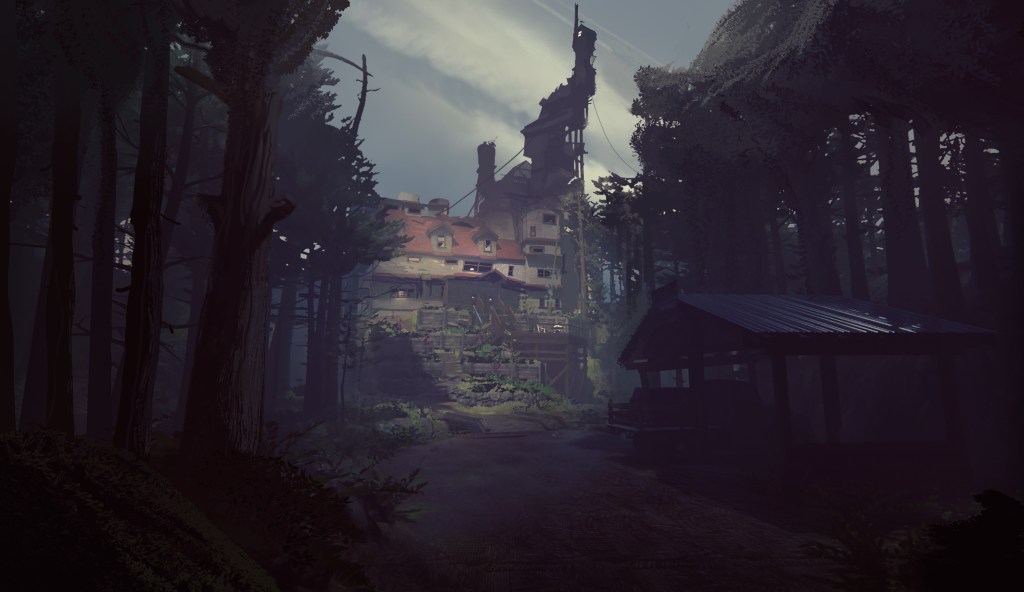
What Remains of Edith Finch tells the story of the Finch family through the exploration of their Seussian-styled home that housed several branches of the Finch family tree. It’s a story told through narration and playable vignettes that explain the mentality of various family members while adding to the grander mystery of the Finch family curse. Without going too deep into it, you are the last remaining Finch, and you’re going back home to understand the secrets of your fallen family members by exploring this comically constructed home that’s rife with secret passageways and impressive craftsmanship.

The game itself is only about 2 to 3 hours long, which is more than enough time for you to understand the wild set of circumstances that led the protagonist, Edith Finch, to explore and unpack her complicated family history. You’ll make your way into the rooms of these family members, and play through a vignette that has its own unique gameplay mechanics and/or art style, while hearing a cryptic story that feeds into the mystique of the Finch family curse. What I really enjoyed about What Remains of Edith Finch was not only how well the story was told, but how the gameplay segments never lingered too long or slowed down the pacing of the story itself. What Remains of Edith Finch is well worth your time and inevitable tears.

FIREWATCH
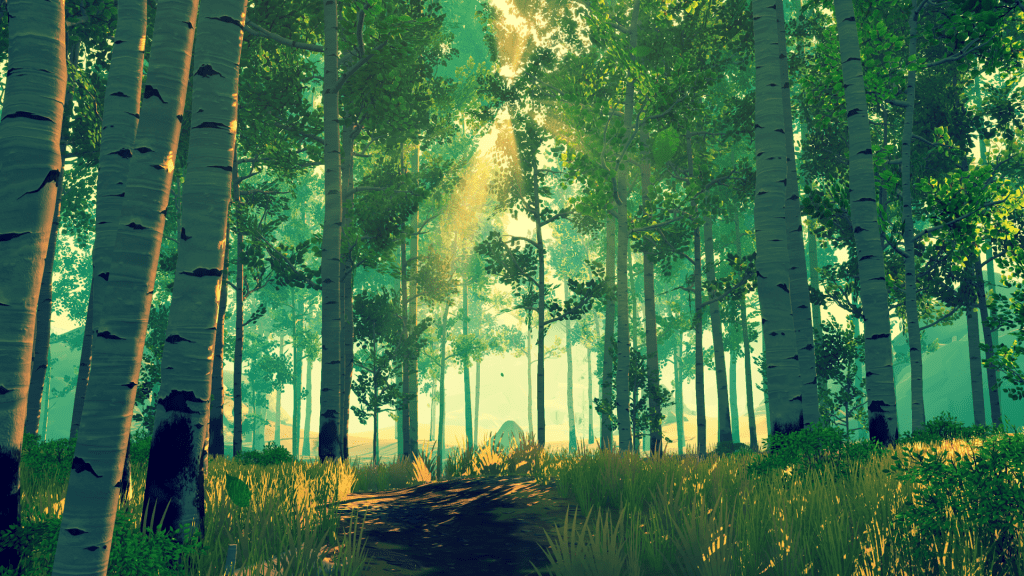
Firewatch is one of the few games on this list that I don’t know if I actually want to play again because of how emotionally taxing it actually was. You play as Henry, a man whose life has experienced some, let’s just say turbulence, that leads him to take a job as a fire lookout in the Shoshone National Forest in Wyoming. His only contact with other humans comes in the form of another fire lookout on the other end of his walkie-talkie, Delilah. Delilah and Henry will interact exclusively through these radios, which means you as the player have conversational choices to make in what you ask or divulge to Delilah as you traipse around the woods during your daily rounds.

The story of Firewatch is truly a triumph. The story of Henry, Delilah and their lives before meeting one another is engaging and impressive on its own, but then there are also some other mysteries about the Shoshone National Forest that you’ll uncover that are just as intriguing as anything else in the game. Also, as if if wasn’t preposterous enough for a game to tell several spectacular stories at once and do it well, Firewatch has the audacity to have an incredible art style too. Like, Firewatch in game looks incredible, but also the artwork for the game has been the background image on my computer for years now. Do yourselves a favor and get emotionally wrapped up in Firewatch.

THOMAS WAS ALONE
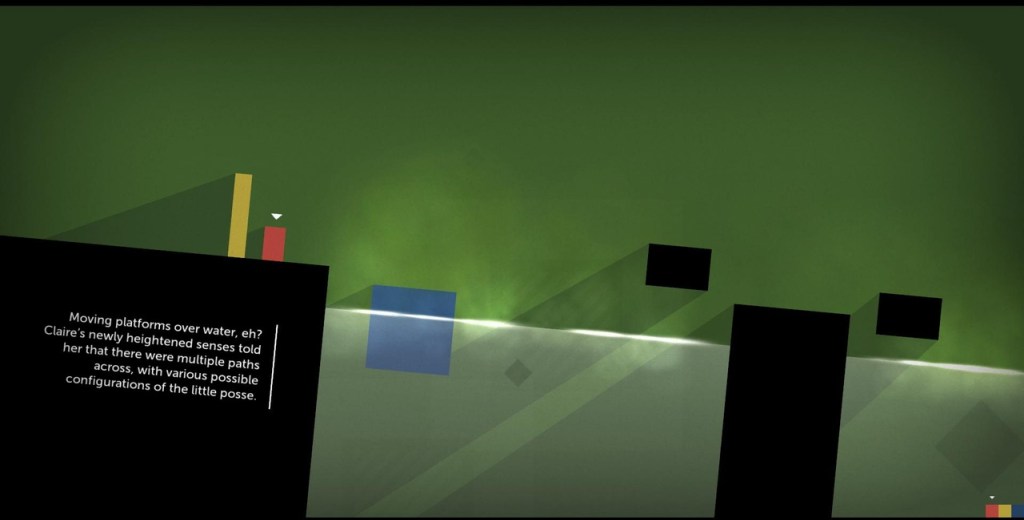
Would you like to become emotionally attached to a bunch of geometric shapes while playing a fairly straightforward puzzle-platformer while a soothing British voice narrates the machinations of said shapes? Well my friend, I’ve got just the game for that oddly specific request and it’s called Thomas Was Alone. For real, this is a narrative puzzle-platformer where you inhabit various shapes that control differently in order to complete puzzles and move forward. For instance, you’ll need your rectangle buddy to make themselves into a bridge for the other shapes to traverse across. It’s nothing exceptional there, but it isn’t about the gameplay.

Thomas Was Alone is a game that will actually get you to have emotional connections with differently colored shapes. It’s absolutely wild to think that such a thing would even be possible, but it is and you can play it. While I don’t necessarily want to get too into the story, I can say that as the title would imply, the story is about these feelings of isolation and exclusion told through the lens of a small red square and their growing retinue of geometric buddies. Seriously, Thomas Was Alone is a great story layered upon a decent enough game that I think is well worth your time.

NIGHT IN THE WOODS
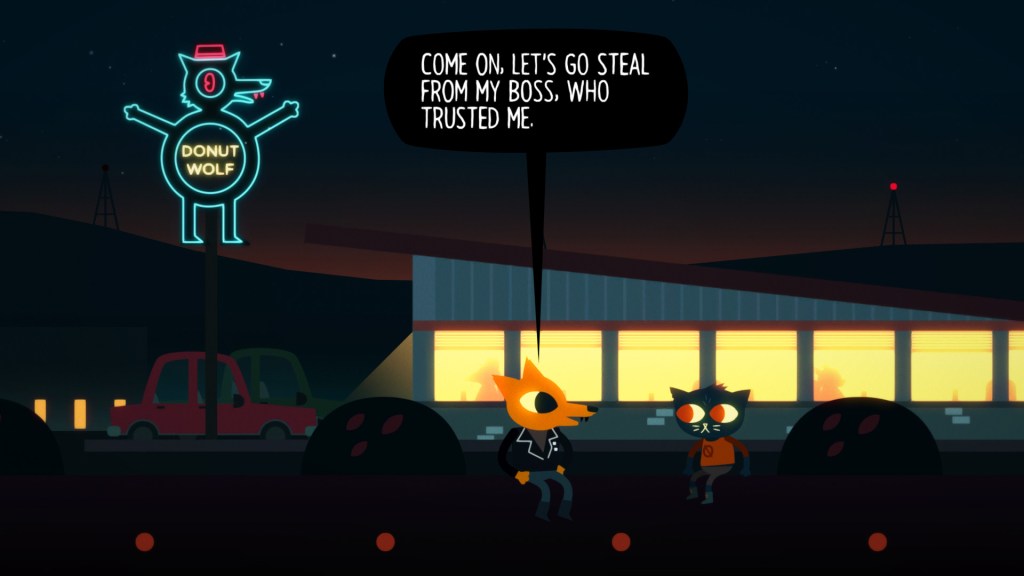
You’ve caught me. This entire list was just an excuse to talk about Night in the Woods once more. For those who don’t know my history with this game, I considered it my Game of the Year back in 2017 and still stand by that decision. But for those of you that don’t know, Night in the Woods is a story about expectations and reality, set to the backdrop of a dying Rust Belt town. Also everyone is an anthropomorphic animal, with you being a cat named Mae who hangs out with her friends who are a bear, a fox, and an alligator who smokes cigarettes.

There are a couple of competing plot threads that range from exceptional to okay, with the former being about Mae returning home from college to try and rekindle the life and lifestyle she left behind, and some vaguely paranormal stuff that involves a series of murders. One of the things I’ve come to recognize since first playing Night in the Woods however, is that my unbridled love for this game is directly linked to the fact that I was able to relate to so many of the characters in the game cause I’ve gone through and in some cases am still going through exactly what’s on screen. I truly cannot sing the praises of Night in the Woods enough, and you really should play it.


There are way more games that deserve to be talked about in this list, but I wanted to touch on some of my favorites without making this a full blown feature. Games like Celeste, Limbo, Spiritfairer, Papers, Please, A Short Hike and so many more deserve your attention, but I only have so much typing in me. Go play these games and get sad!

Blog: Whatcha Playing? – 08/04/21

This might come as a surprise to a lot of you, but I’ve actually been playing some video games lately that I’m pretty eager to talk about. I know it’s a novel concept that’s never been attempted before on this or any website, but I think I can land this metaphorical plane. Probably should avoid using plane metaphors considering a big plane-based video game did just release on consoles, and I did not play that because I value my hard drive space. Anyway, here are some of the games I’ve been tinkering around with this past week.

And if you’re interested in trying any of these games, all of them are available on Xbox Game Pass, which is how I gained access to them all. So that’s an option if you find yourself wanting to try any of the games on this list.


OMNO

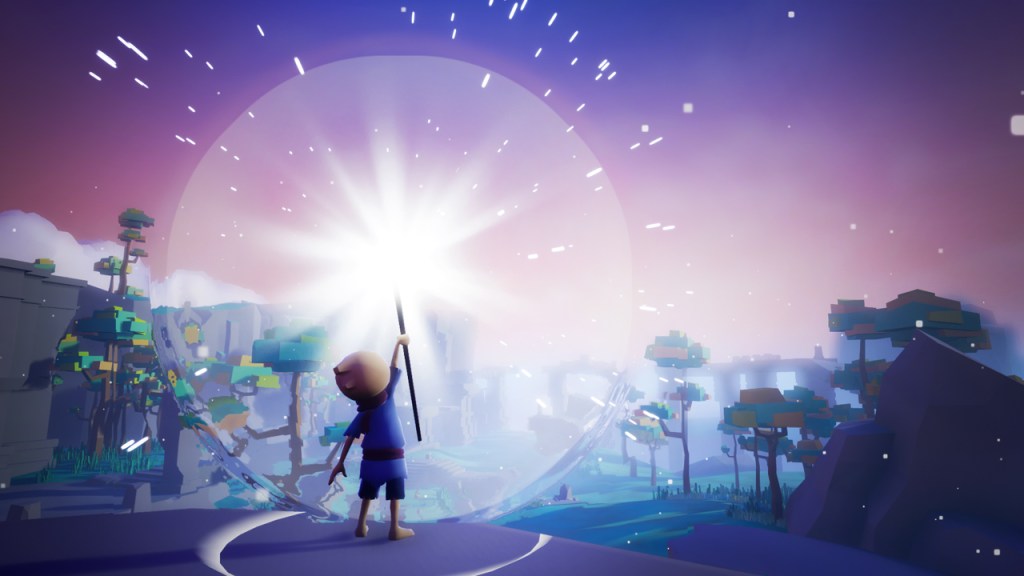
Omno isn’t a perfect game, but it is the exact kind of experience that I needed to refill the metaphorical “gaming tank”. Omno is a puzzle game where you play as this little person that’s making their way across a low-poly world, solving puzzles and riding big animals from level to level. You’ll need to complete a certain amount of puzzles in order to unlock the exit to the next level, but you can stick around and 100% each area if you’re so inclined. While all of the puzzles are fairly straightforward and share the same goal of, “make your way to, and collect this glowing orb,” there’s just enough variety to keep things from feeling stale. Additionally, you’ve got this magic staff that let’s you surf along the ground, float through the air, and more, that allow for the puzzles to be as varied as they are.

There’s a lot more to say about Omno, but as it stands, I had a very good time with it aside from some inconsistent control stuff that would show up whenever Omno wanted me to do something relatively quickly. Omno can get really frustrating when it asks you to operate within a time limit, because the controls aren’t as responsive as you’d like them to be. But aside from that, I really liked Omno and think it’s worth checking out if you’re looking for a chill way to kill 3 or 4 hours.

THE ASCENT

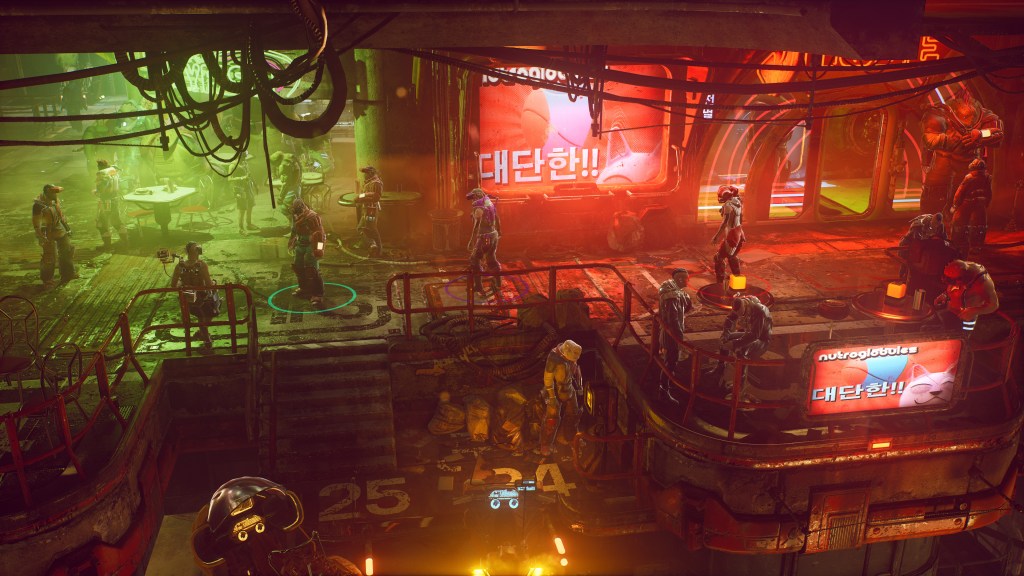
The Ascent seems really cool from the little bit of it that I’ve played of it thus far. It’s a cyberpunk-themed, twin-stick shooter with a ton of loot and RPG mechanics. It’s like if Diablo and HELLDIVERS decided to make a cyberpunk baby. The story seems like another one of those classic cyberpunk stories about a mega corporation that’s slowly bleeding its employees dry and perpetuating a world in which the only worth a person could have is intrinsically tied to their job status. You know, the kind of farfetched nonsense that could only exist in a video game…

I haven’t played enough of the game to really say anything more definitive about the experience, but it sure seems like something I’d like to play with my friends, which is allegedly a thing you should be able to do. However, the online (at the time of writing this) is hilariously broken. The Ascent is the kind of game I’ll probably only want to play with other people as opposed to solo, and you just can’t do that right now. From progression issues to straight up just not being able to start or connect to another players game, everything about the online experience of The Ascent is fucked. Still though, if they fix that, I could see me and my friends pouring hours into this game.

LAST STOP

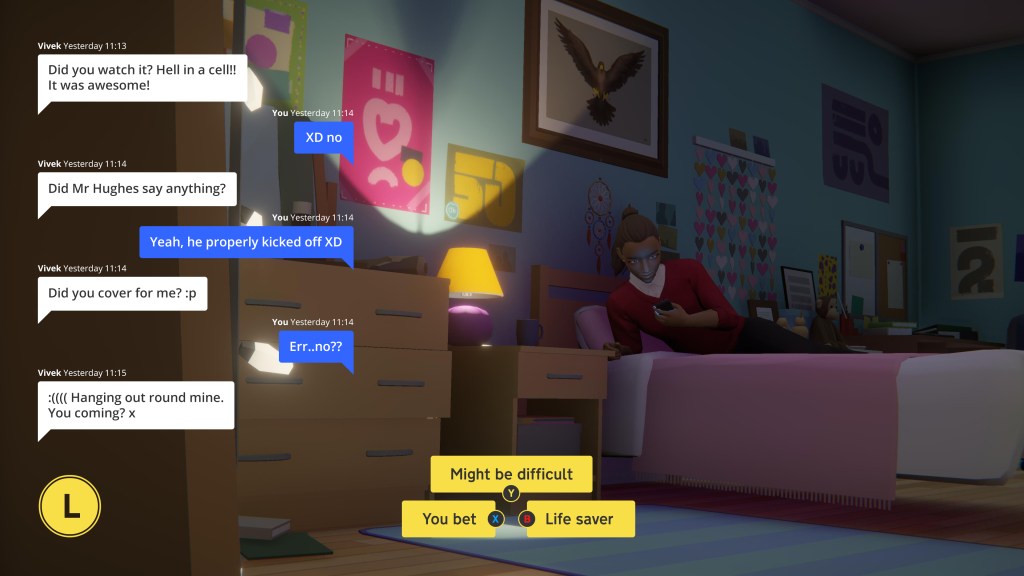
Last Stop is a narrative adventure game that’s set in present day London, telling three different stories that apparently all tie into each other. I’ve only played the first chapter of each of these stories, and so far they’ve each been fairly interesting. From infidelity to supernatural mystery, everything I’ve played of Last Stop has been pretty engaging and decently written. There isn’t much to the gameplay to at this point considering it’s basically following in the vein of something like The Walking Dead or Life is Strange, so expect a lot of conversation choices mixed with the occasional mini-game.

My only grievance thus far is just the lack of exploration or ambient storytelling. Usually in these types of games, you can snoop in notebooks or look at emails or something to get some vague backstory for characters, but there hasn’t really been much of any of that. As the name might imply, Last Stop feels pretty on rails in that regard, which isn’t a bad thing, I just wish I could be rewarded a bit for poking around the world. Maybe that stuff is in there later on, but from what I’ve seen there’s very little, if any at all. Regardless, I still intend on playing through it.

LETHAL LEAGUE BLAZE

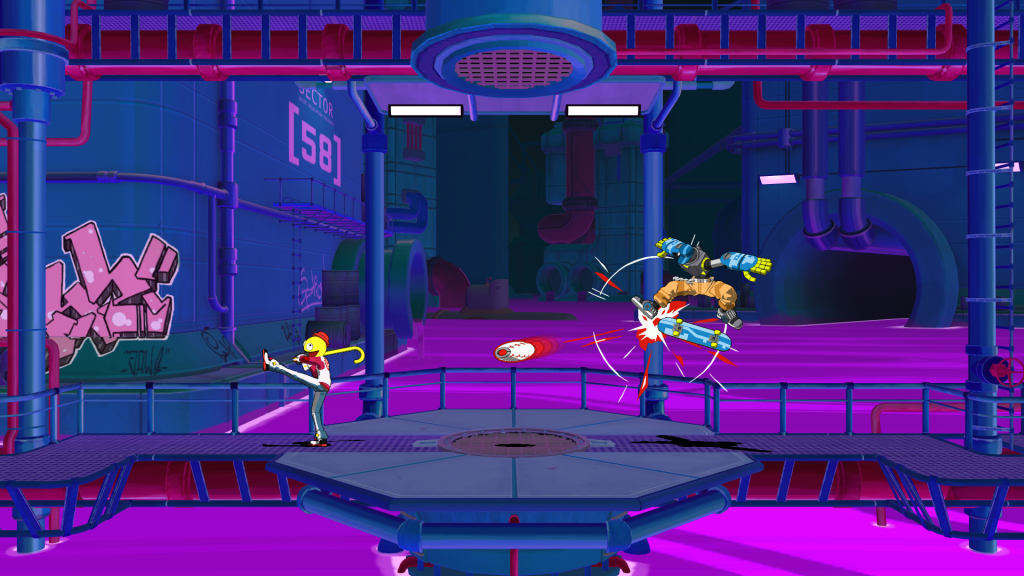
The original Lethal League is one of my favorite multiplayer games of all time. From its hyper-stylized presentation to the chaotic and frenetic action, that first game was truly a delight from top to bottom. Lethal League Blaze is the sequel that released back in 2018 and only recently got shoved into the vast Game Pass library. Lethal League Blaze is still a very good game just like its predecessor, but I don’t know that I can really spot many differences between the entries, which isn’t necessarily a bad thing, it’s just a bit underwhelming.

For those who don’t know, Lethal League is the answer to the question, “what would it look like if Super Saiyans played racquetball?” Up to 4 players can jump in an arena where they’ll have to bat a ball around the screen, utilizing special abilities, power-ups and just their raw strength and timing to launch the ball at another players face over and over until they die. Words cannot accurately do justice to how crazy things can get in Lethal League, but I genuinely cannot recommend it enough to any group of friends.

GANG BEASTS

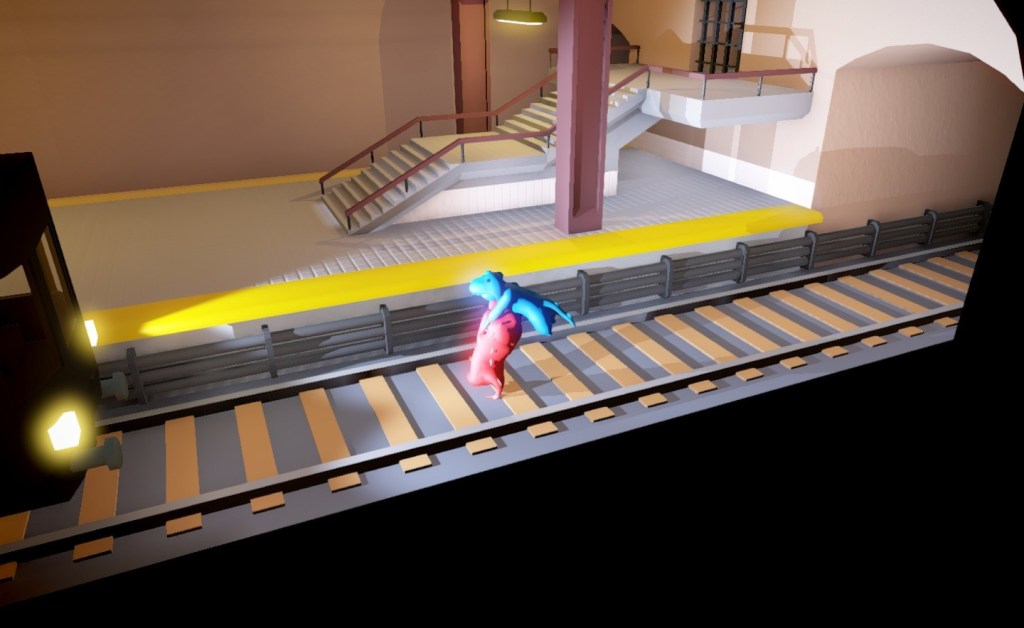
I’ve loved Gang Beasts for years and was more than pleased when it finally made its way onto the Game Pass library. It meant that I could finally subject my friends to my very favorite physics-based fighting game, and hopefully get them to understand why I like it so much. Hurling punches, kicks and headbutts at each other while trying to chuck them off a roof or into an incinerator is just heaps of fun that can’t be matched by “traditional” fighting games. No, you can keep your dragon punches and spinning kicks, and I’ll be over here just trying to feed my good buddies to a kraken that somehow got put in an aquarium, or hurling them into the path of an oncoming train. That’s the kind of fun I’m looking for.


So that’s been my week in a nutshell. I honestly don’t think I would have tried this many games, let alone continue to play this many games had they not been on the Game Pass service. It’s really interesting to me that Game Pass has reignited this Blockbuster-like mentality, where I literally will just try anything that looks cool. I really don’t like sounding like I’m advertising this service, but I’ve really found tremendous value in it as an Xbox and PC owner. All that aside however, I’m glad that I’ve been able to find that “try more games” spark again, because it’s led to some really great experiences over the past week.

Blog: Under Achievement Hunter – 07/28/21

I have this Pavlovian response every time I unlock an achievement that triggers a bit of joy and validation whenever that pleasant little notification pops up. The numbers don’t mean anything in the grand scheme of things, but I sure do enjoy seeing my total score inflate with every game I play. But even that shot of dopamine that I get from these little micro-celebrations aren’t enough to make me fully engage with the idea of achievement hunting. No, for me it’s been a long career of just playing everything I could first, while paying attention to the achievement list second. It’s a scattershot approach that’s worked for me in the past, even if it’s been financially ruinous, but it’s an approach that’s unsustainable for me currently.

I bring all of this up because whenever I look at the achievement leaderboard on my Xbox, I can see that my approach was only successful because I had spent the past 15 or so years casually building my total up. In stark contrast to that approach is how this system was probably intended to be utilized, with people actively seeking out ways to unlock every achievement possible. I have some friends on my list that have fully unlocked everything in a large portion of the games they’ve played, whereas I basically just have the equivalent of souvenirs from every game I’ve ever played on a Microsoft console. The only reason why our totals are even close is because I’ve just played way more games than they have, otherwise their completion rates would blow mine out of the water.

It’s one of those things that make me wonder if I’m doing myself a disservice by not pushing through with games that I’m not 100% feeling. I fully endorse the idea that you shouldn’t waste your time with a game that isn’t grabbing you for the alleged promise of it “getting good” later on, but maybe there is some truth to that. My friends are out there putting hours and hours into games from all different genres, unlocking most of, if not all of the available achievements in each of them. It’s because of this that I’ve been able to actually step back and recognize that the way I’ve been playing games, especially after the brief stint I had doing YouTube stuff along with running this very site, just isn’t a great way to actually enjoy playing video games.

All of this is to say that achievements were a big part of recognizing that I was trying to live this untenable lifestyle that only the people who are paid to cover games can really afford to do. I look at my achievement list and just see hundreds of games I’ve wasted money on, with nothing to show for it, most of the time without even having any memory of ever playing them at all. Achievements aren’t anything special but I’d feel better about having actually unlocked a lot of them in prior games I’ve played, because that at least means I got some bang for my buck. As it stands now, it’s a graveyard for all of the money I once had.

Blog: Still Waters – 07/21/21

It used to be that the summertime was infamous for its lack of new game releases, but that’s no longer the case these days. Games are being made by all sorts of folks in all sorts of different circumstances, most of which are not beholden to the fiscal calendar that demands the biggest releases congregate at the end of a given year. It means that at any point during a year, your personal game of the year could blindside you and just release on Steam on a Wednesday. Well I’m here to tell you that I have not had that experience yet this year, and I’m bored out of my mind.

So far, 2021 hasn’t really dazzled me in terms of game releases. Actually, the whole year is questionable at best, but I won’t get into that. My point is that it’s been a really slow year for me when it comes to actually playing new games. I think I can count on one hand the amount of 2021 games I’ve really liked, let alone finished. Part of me worries that this is all just a sign that as we get older we’ll end up treating video games like albums, and only play the things we liked because nothing new resonates with us. That might just be me though.

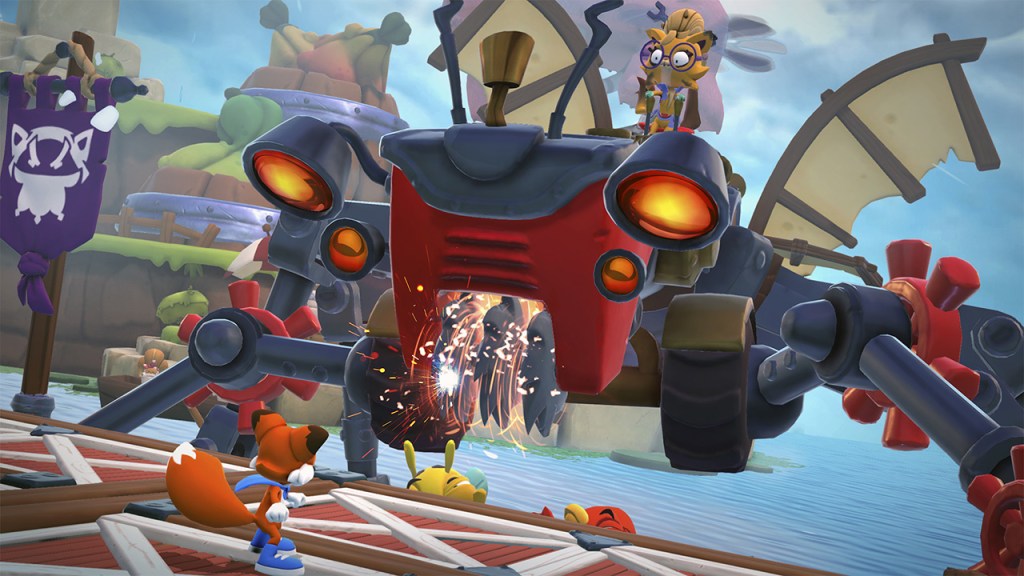
My gaming habits are starting to feel more like a stringent diet these days, where I stick with what I know and occasionally have a cheat day with a new release or something. It hasn’t necessarily been a bad thing however, because I’m actually trying more games without having to shell out 60 to 70 dollars for it thanks to Game Pass. I just blasted through a cute, albeit unremarkable 3D platformer called New Super Lucky’s Tale, which is an updated and more accessible version of Super Lucky’s Tale, which was an Oculus Rift exclusive for a while. I didn’t know this game finally made it to consoles and was playable, but once I discovered that I basically spent 4 days just blazing through it. I hadn’t played a game that obsessively in quite some time, and who would have guessed that New Super Lucky’s Tale would be the game to do it.

Aside from that, I started a new Skyrim save with the intention of making myself an un-killable demigod who can leap from mountain top to mountain top in a single bound. I feel like I’ve done this exact thing before. But the reason I’ve dived back into the game is because not only is it on both PC and Xbox Game Pass and I can snag some sweet achievements for my time spent in this dreary world, but because it’s super fucking fun to kill a boss so good and so quickly that the game literally can’t progress any further. It’s been this wonderful experiment of “how quickly can I break Skyrim,” that’s quite frankly been one of the most fulfilling game experiences I’ve had this year. It turns out that you just kind of have to cough in the direction Skyrim for it to just implode in on itself. Really a bummer that the Game Pass version of Skyrim doesn’t have cloud saves though.

But yeah, at the risk of sounding like an ad for Game Pass, the last thing I will say about it is that it’s led to me spending a lot less on video games lately. It’s not like they’re out there grabbing the hottest new releases or anything, but they are regularly putting up either new and unknown indie games, or just these titles that I’ve been curious about for a while that I’d never actually pull the trigger on and buy. The service isn’t perfect by any stretch of the imagination, but it’s one of those “untouchable” subscriptions that I will gladly continue paying for. Unlike Apple TV, who only remains because of how good Ted Lasso is and how badly I want to watch the second season.

Blog: The Quiet Year – 07/15/21

I’m not gonna name any names here, but someone may have forgotten what day it was and never scheduled a blog post to go up. Whoops. Regardless, I want to talk about a game that I got to play a couple of times over the past few days called The Quiet Year by Avery Alder. The Quiet Year is a cartography-focused, world building game for 2-4 players that heavily relies on improvisational skills and social contracts between friends that will inevitably be broken. It’s a ton of fun.

Without getting too deep into the mechanics, the long and short of The Quiet Year is that you and your buddies will draw cards from a deck that have prompts on them. Those prompts will ask you to change or expand the lore of the world in some way, and whether that change is borne out of triumph, failure, happiness or misery, the world you create is constantly evolving whether you like it or not. It’s this beautiful mixture of cooperation and chaos, asking you and your friends to represent a burgeoning community and its occupants for better or worse. Some people may value sustainable lifestyles while others might want militaristic might, but you need to speak for and represent all aspects of the community because you never know what’s going to be thrown at it. There’s a lot more to it than this paragraph can describe, so I recommend you look into it if anything I just said sounded interesting.

If none of that grabbed you, maybe a story about the game of The Quiet Year I’m playing will pique your interest.

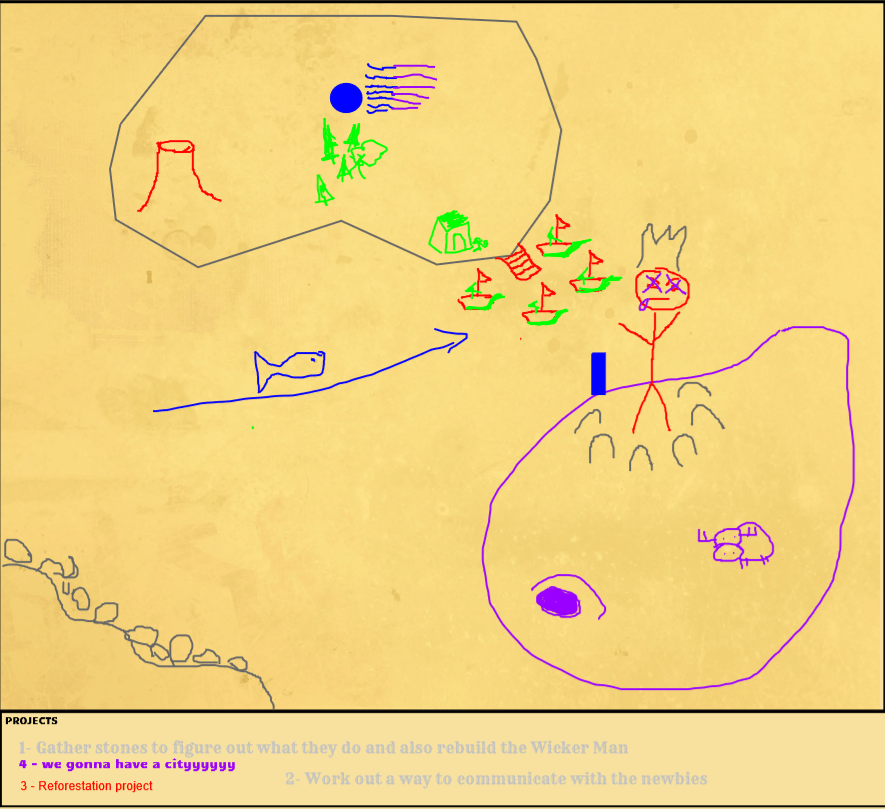
It all starts on an island with a fresh water spring, a volcano and a forest. The small, then unnamed community of settlers had just escaped from some sort of devastating encounter in their previous home, and decided to set up shop here on this seemingly abandoned landmass. They soon discovered that this island was part of an archipelago, and another island that kind of looked like a big avocado was spotted to the southeast. That’s when the trouble began.

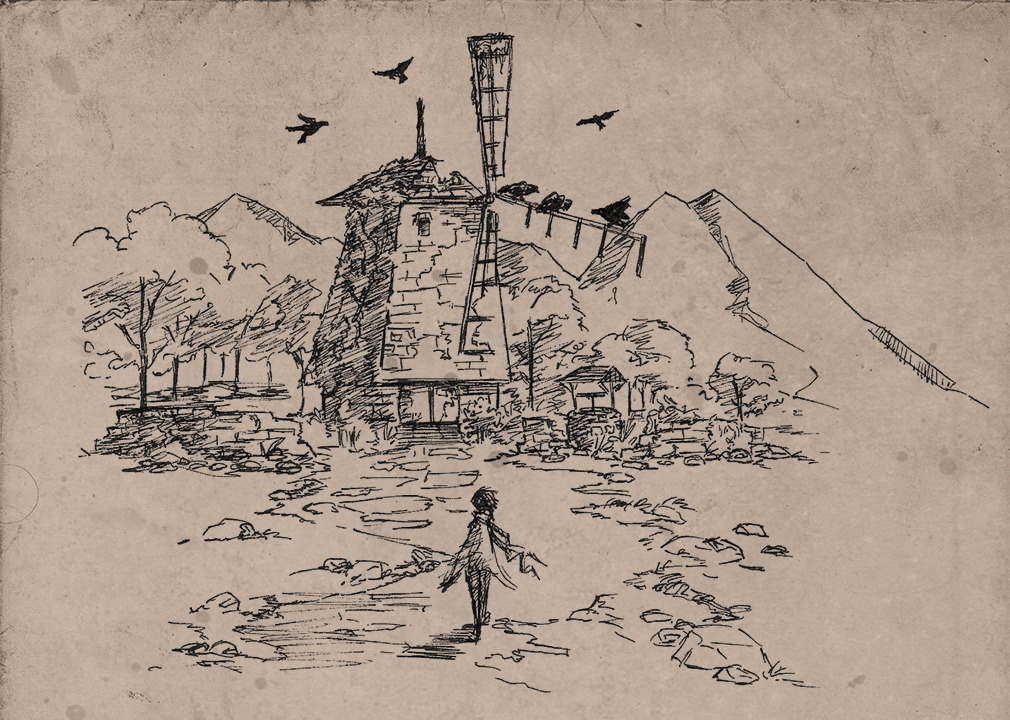
Artwork from The Quiet Year

While we don’t know what the lives of these people were like before they arrived here, they were awestruck by the sight of a massive idol that was built on the coast of what is now officially called Avocado Island. A jewel encrusted giant man made of wicker could be seen towering over everything and was surrounded by a few abandoned huts, leading some to ask “how did we only just see this?”

A profoundly upsetting amount of citizens on the island began to worship the wicker-man pretty much from the moment they laid eyes on it, which basically meant that everything the community did was in service of praising this unknown structure. Idolatry had gripped our little community so tightly and so quickly, that I instantly became painfully aware of how easy it could be to fall into a cult. A fascination with the wicker-man and their various gemstones led to a search for more gems that apparently granted people the ability to cast magic should they shake the stone strongly enough. This led to the development of a fleet of heavily armored ships that basically had big, enclosed slingshots on them that would shake fire spells in the direction of enemies.

I should mention that at this point we’d basically run out of reliable food sources, didn’t have anything more than tents for shelter, and only had a community of Vineyard Vines-wearing boat captains who looked down upon anyone who wasn’t them. A small, slightly deadly riot occurred which led to the eventual fleeing of these boat-bros, leaving only those who attacked them, the followers of the wicker-man, to themselves. Definitely a great situation that isn’t troubling in anyway whatsoever.

I swear this all makes sense

While everything was admittedly funny, our community was in shambles and spiraling out of control. Some people in the community were doing everything they could to push food production and shelter, but most of them were pretty hellbent on pleasing the wicker-man. Unfortunately for them an ill omen in the form of a storm came through and ravaged basically the wicker-man and nothing else, not even the small and seemingly abandoned huts that were constructed around it. What a weird thing to have happened.

In response to this, the community dedicated more time and effort to this damn wicker-man and his whole deal, going so far as to spy on the now returned and mysterious inhabitants of the huts around its demolished base. These people apparently knew of a legend that told of how to have the wicker-man reconstruct itself through the usage of more of these fucking gems. This led to even more time and more effort spent on learning about this thing that, while mysterious, literally isn’t helping the community in any real way aside from giving them a weird sense of faith.

The wildest part about this all is that we’re only halfway through the damn game. The Quiet Year, as its name implies, covers a community throughout the course of a year but can be cut short if the wrong card is drawn in the winter. Once that card is drawn the game ends. What I’m saying is that all of this wild-ass shit only happened during the spring and summertime months. As the seasons pass, the card prompts will get nastier and nastier, so the shit we’ve cobbled together here are representative of the “easier” months of play.

One last thing that’s worth mentioning about our game in particular is that like most folks, we aren’t artists. So our first and main island may have looked more like a butt than anyone initially intended, but boy-howdy did we run with it. Towards the end of our first session we finally landed on a name for our island. We called it Dolius. Apparently dolius is the Latin word for butt, so there’s that. It was a fairly nuanced name for our ass-island, but rest assured that a more silly name was given to the volcano. That volcano was called Posterior Peak and we once threw an old man into it, not just because he was a shithead, but because that’s what the wicker-man would’ve wanted.

Blog: Double Dashed – 07/07/21

I’ve often heard it said that everyone has a favorite Mario Kart game and it’s directly associated with whichever one was released when you were a kid. It’s rarely a conversation about if someone likes Mario Kart, but rather which one they like the most. So maybe it comes across as some sort of weird sacrilegious thing when I posit that I don’t think I like Mario Kart as a concept, especially after having played a particularly beloved entry in the series for a few hours. Let me explain.

The other day my partner and I were looking for something to play together. “We could play my Game Cube,” they offered, to which I begrudgingly agreed to. I’ve never been particularly fond of the Game Cube as a platform. My core issues with the console boil down to what I believe to be a pretty terrible controller along with a pretty miserable Mario game in Super Mario Sunshine, both of which zapped my enthusiasm for the little purple game-box. I get that people have very strong feelings about the Game Cube, but it never resonated with me.

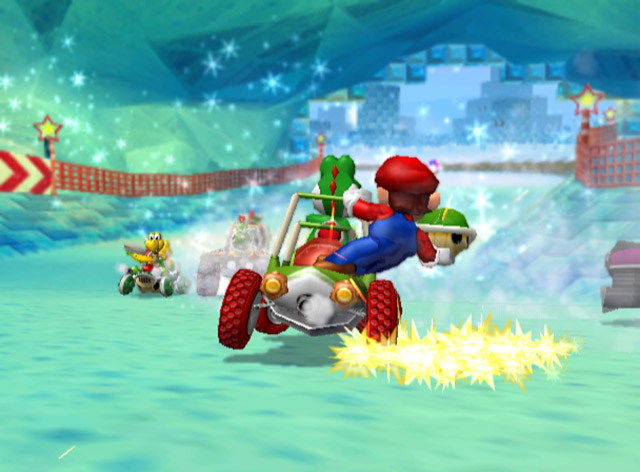
After showing me their defunct Animal Crossing town that was filled with weeds and surprisingly mean villagers, I was treated to an extended session of playing Mario Kart Double Dash, one of the most beloved entries in the franchise. While that entry is fine in the broader context of Mario Kart as a series, it became pretty apparent to both of us after a while of playing that I wasn’t enjoying myself. Some races I’d do well in and even squeak out a win, while most other races were resounding losses that were shameful displays at best. Regardless of the outcome of a particular race however, I was not enjoying myself.

There’s a weird through line I’ve noticed in the Mario Kart games I’ve played, which is that they all seem to relish in screwing you over much like another extremely popular Mario game. That’s when I had the realization that Mario Kart does everything I hate about Mario Party, just in a much faster way. I don’t have any statistical evidence to support this nor did I dive into the code of either franchise to support these claims so consider what I say to be purely conjecture, but the two series really seem to have a weird fascination with pouring on the bullshit whenever you think you’re doing well. Sure you need ways for the folks in last place to stand a chance in either game, so you might throw them an item or something that can help change the tide, but in both series there really doesn’t seem to be any incentive to do well right out of the gate. That is unless you enjoy being the target of every pixel of bullshit that your opponents can and will ever launch.

Video Credit: HowBoutGaming on YouTube

Every race in which I got out to an early lead ended with me in last place, whereas every race in which I started off poorly ended with me in the top 3 or 4. You could chalk that up to nothing but pure coincidence, but after a two to three hour session of playing, it started to feel less random and more spiteful. Mario Kart Double Dash had this nasty habit of fucking you so hard in such a short period of time, over and over. You don’t just get hit by a blue shell, no, you get hit by the blue shell, then a red one, then some super move, then you’re nudged off the course, all while in sight of the finish line. That’s where the whole Mario Kart experience just broke down for me, because it would happen with such alarming regularity that I’d go from first place to last within mere inches of the finish line. You can call it bad luck, but I call it bullshit.

Eventually we stopped playing because my partner was concerned with my attitude after I slammed the controller into the ground (it’s fine). I’ve come a long way since my high school days of getting so angry at video games that I’d throw something, but something about Mario Kart just manages to bring out the worst in me. Rubber-banding in games is always a tricky thing to nail, and when it’s done well it can lead to some really exciting and competitive moments in games. I just feel like both Mario Kart and Mario Party aren’t great at implementing these on-the-fly balances, which leads to a lot of frustration on my part cause I feel like I have no control over the outcome of the game anymore. But at least Mario Party has the courtesy to look you in the eye while it’s fucking you over, unlike Mario Kart who only wants to do it as quickly and spitefully as possible.

Blog: Game Tourist – 06/30/21

I remember back around 2004 or 2005 a friend of mine managed to get me into Star Wars Galaxies, an incredibly popular MMO at the time that ran from about 2003 to 2011. This game was significant to me both because it was one of the first real games that my new friends and I could bond over, but also because it was the first and last game that I can remember religiously playing. Star Wars Galaxies was a daily event for us and was often times our congregation point as friends. Nowadays I see people playing things like World of Warcraft, Final Fantasy XIV, League of Legends and Destiny 2, all of which have these thriving communities around them that kind of leave me feeling wistful when I think about them even though I know I could never engage with games like that ever again.

We’ve seen a ton of games-as-service games release over the past few years, often boasting these long roadmaps of events, updates and content drops, all in service of cultivating a consistent and engaged player base. Some these games land while most of them do not, but regardless of how they perform I always feel that despite how alluring one of these games might be, I know that I’m no longer the kind of person who will play a singular game for years on end. Some people are just able to pick a handful of games to play throughout any given year and just stick with them until something else comes along, but for better or worse, I am not one of them.

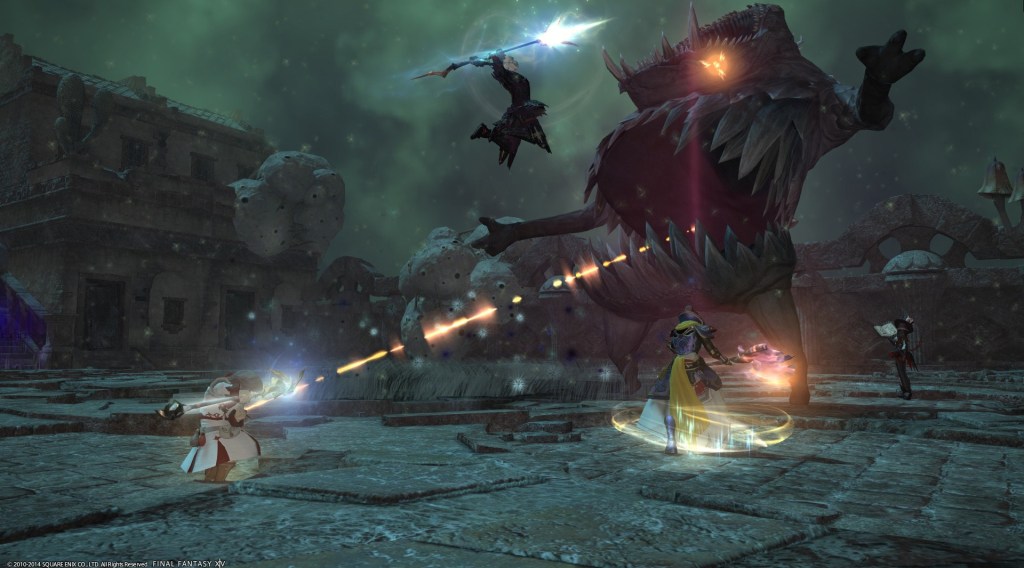
What’s even happening in this Final Fantasy XIV screenshot? I don’t know, but it looks pretty fun.

I consider myself more of a video game tourist that drops by these video game landmarks, taking some photos, seeing the attractions, buying a souvenir and then moseying onward to the next thing. I don’t consider this to be a negative thing, but it does lead to a lot of instances of me not being able to engage with these overwhelmingly popular products in ways that others can. For instance, The Elder Scrolls Online looks pretty cool to me, but I know that I won’t stick with it long enough to see all of the rad new shit they’ve added to the game over the years. Sure the expansions seem really well done and positively received, but there’s no way my enthusiasm will propel me through the base game and onto an expansion.

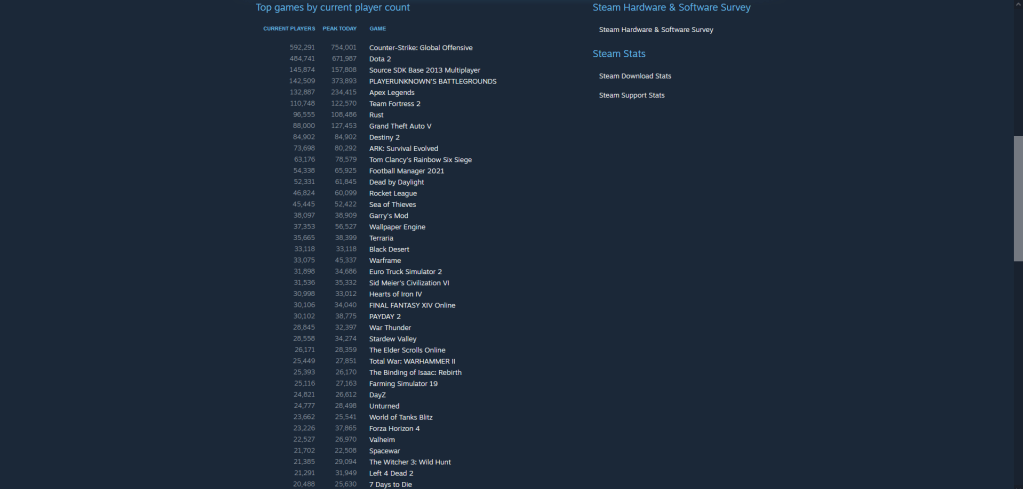
Clearly I’m just a broken individual who can’t enjoy things, because just by looking at the Steam concurrent charts you can see that the top performers are by and large older games that have endured for years thanks to their thriving and possibly toxic communities. There isn’t one game in the top 10 of this chart that came out this century. The most recent game in that selection is 2019’s Apex Legends, which Steam lists as a 2020 release because that’s when it came to Steam itself. Yet here I am unable to fathom playing any of the games on that list that weren’t released in 2021 for some reason, one of which might be my weird desire to stay up to date on video games for the purpose of having things to write about on this site.

Maybe this is all just a big case of “the grass is always greener,” and I’m just looking at these games and manufacturing a feeling of longing, or maybe it’d just nice to be a part of a community once more especially after the forced isolation of 2020. Ultimately I’d like to be able to find games I can consistently resonate with that aren’t annualized sports franchises, but getting into a game like that seems like a lot of effort. Maybe the real thing that’s happening is that I’ve gotten so lazy that the idea of starting a new game is just something I don’t have the energy for anymore. Now that I say that out loud, I think I need to change some stuff in my life.

Review: Dungeons & Dragons: Dark Alliance

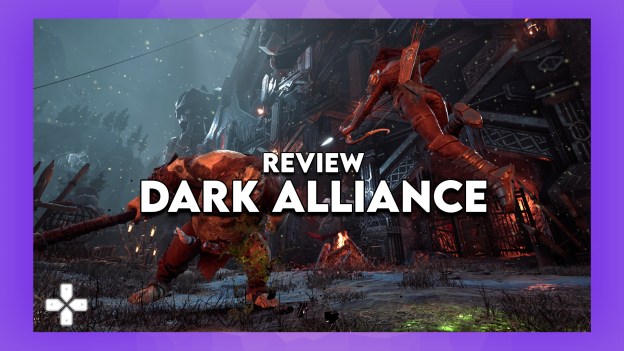
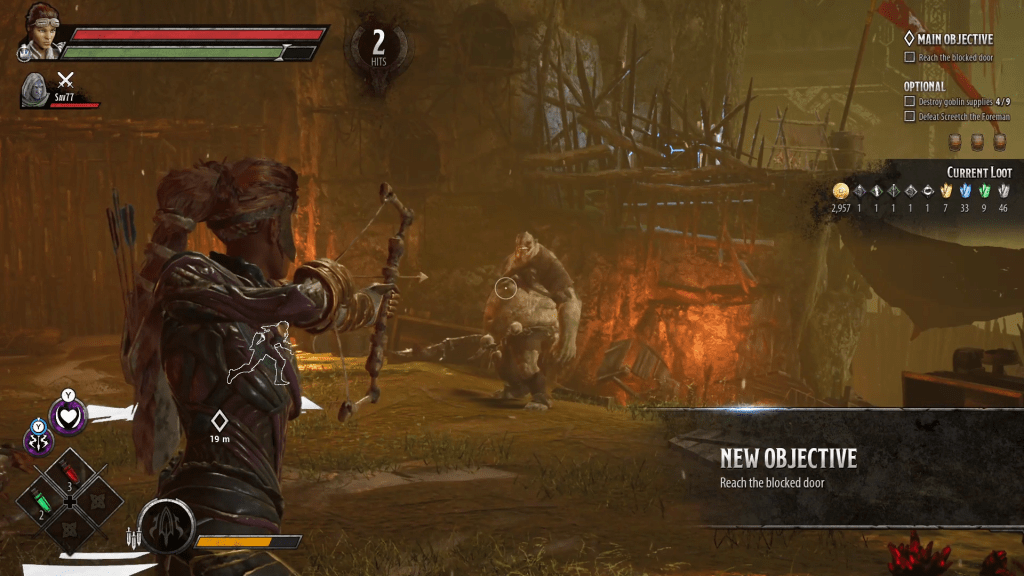
Dungeons & Dragons: Dark Alliance isn’t a very good video game. Some might even go as far as to say that it’s a bad video game, a take that I don’t know that I fully disagree with if we’re being honest, but it does paint the game in an absolute and irredeemable light, which I don’t believe is the case here. Dungeons & Dragons: Dark Alliance is a rough, buggy, clunky game that should have been better, but it misses the mark in so many ways, ranging from combat to its core structure that it will surely require some hefty patches to get it to a recommendable state.

Full transparency here: I was really looking forward to Dungeons & Dragons: Dark Alliance, the spiritual successor the two very good Baldur’s Gate: Dark Alliance games from the PS2 era. This modernization is such a different product than its predecessors, that it ultimately feels like a massive injustice to the legacy of those previous titles. Whereas the originals were top-down, action-RPG games that walked the line between the dense RPG mechanics of Dungeons & Dragons proper, and some genuinely fun brawler combat. I’m sure plenty of folks out there would disagree with that statement but as a young man with no interest in the source material at the time, these games were able to keep me invested and engaged in a way that fantasy properties across all forms of media had failed to do. I was hoping that this new Dark Alliance would illicit some of those same feelings, but the D&D DNA on display in Dungeons & Dragons: Dark Alliance seem like little more than set dressing thrown over a pretty bland cooperative action game.

One of the more puzzling aspects of Dungeons & Dragons: Dark Alliance has to be the lack of a dedicated caster class. It’s kind of buck-wild to me that in a Dungeons & Dragons themed product, the use of magic is relegated to special abilities to be used in conjunction with martial fighting rather than have its own dedicated class. With so many different classes available to choose from in D&D proper, it’s a severe letdown to only be able to pick between two fighters, a ranger and a barbarian, all of which are martial combat focused. There’s an actual reason for this limited selection of classes however, because Dungeons & Dragons: Dark Alliance is an adaption of the R.A. Salvatore novel The Crystal Shard which explains why the characters and classes are what they are.

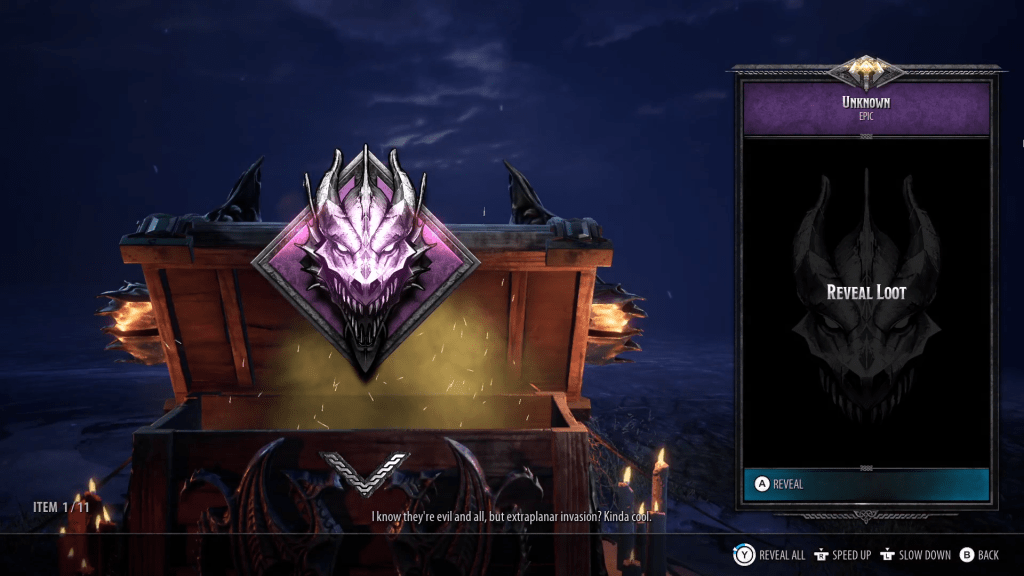
Even if you’re able to look past the limited character options, the game itself does a pretty poor job of capturing the essence of Dungeon’s & Dragons. Not having the ability to create your own character regardless of story justifications, is just a big bummer in my eyes. Not being able to access your inventory mid-game also is a big misstep especially when you look at the original Dark Alliance games where you were always able to equip the stuff you found on the fly. Even weirder is that the loot you pick up inside levels are generic placeholders that get “identified” and usable when you return to the hub area. It reminds me a lot of early Destiny where you had to get the engrams you’d find identified before they turned into real and usable loot.

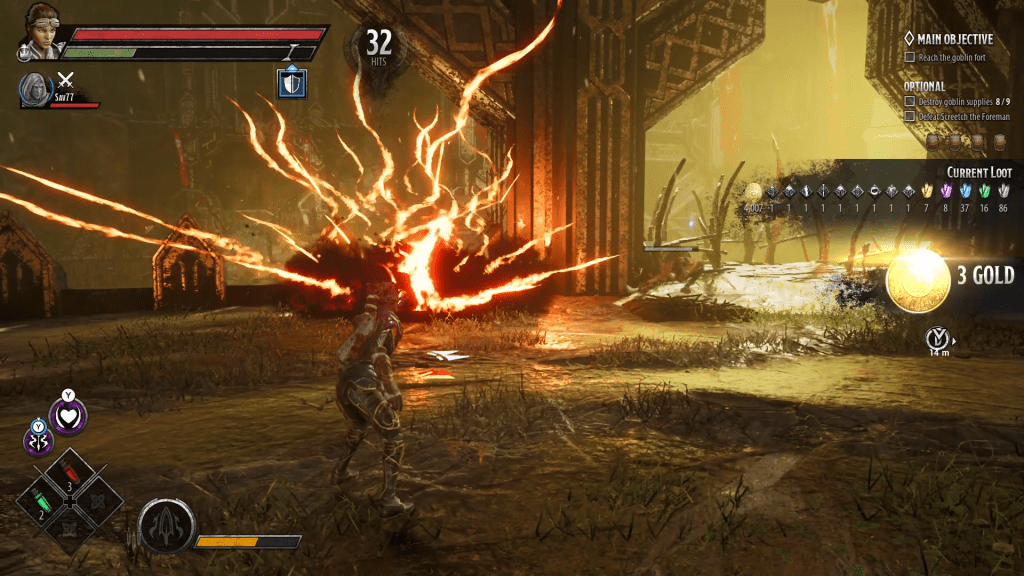
But Dungeons & Dragons: Dark Alliance actually does attempt to incorporate some more D&D and RPG elements into the experience, by putting a pretty big focus on exploration and puzzle solving while you’re in levels. None of it is particularly hard or interesting, but about half of your time spent within the levels allow for some significant loot and resource hunting, which basically just means breaking everything you can see to reveal hidden paths, mining (smashing) crystal ore (upgrade currency), platforming challenges and what I’m very generously calling “puzzle solving.” These mostly come in the form of timing your movement to avoid spike and fire traps, finding an item to help unlock a door or elevator, or just running in the opposite direction of the horribly unclear objective markers on your map to find treasure chests and optional enemies.

There are also some optional objectives to tackle within levels, all of which seem to involve collecting things, killing bosses, or destroying things. There are also several different difficulty levels to choose from when selecting missions if that’s something you’d like to do, but I don’t know if it does anything aside from just giving enemies bigger health bars or letting them hit you harder.

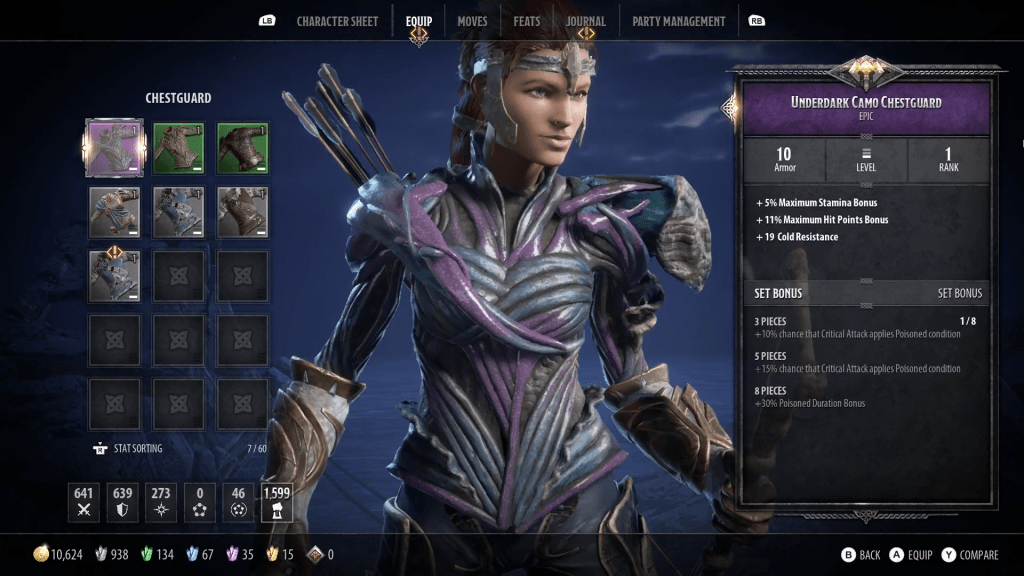
One of the things I am mildly enjoying in the game is its upgrade system, which is admittedly very overwhelming at first. It’s nothing crazy or revolutionary, but you can essentially upgrade every piece of gear a couple of times by utilizing both the crystal ore you find throughout levels, as well as the gold you pick up along the way. There are 5 or so different rarities of crystals that allow you to upgrade rarer gear. So legendary crystals will allow you to upgrade legendary equipment, whereas common crystals wouldn’t allow for that. You can also transform common crystals into their more rare counterparts by using gold, which helps curb the reliance on random crystal drops.

Aside from upgrading your gear you can also pick from different color options for just about every piece of gear for the paltry price of just 50 gold pieces, which for context is basically nothing. You can upgrade your core stats via attribute points which can be earned through exploring levels, but are primarily earned through leveling up where you can also unlock feats, new moves, and inventory upgrades. Unfortunately, nothing you can unlock is capable of washing away the myriad of gameplay specific issues within Dungeons & Dragons: Dark Alliance.

Playing Dungeons & Dragons: Dark Alliance can feel like an exercise in futility, because all manner of issues can hamper your experience at any time. One of the more notable issues I noticed was that the enemy AI just doesn’t work. I could stand right outside of an area where enemies are hanging out and just kill them from a distance without them ever reacting to being peppered with arrows. It was ridiculously easy to cheese my way through parts of this game because the enemies never really put up a fight or acknowledged my presence if I stood far enough away from them. I’m sure the game gets hard enough to the point that cheesing it or playing solo won’t be viable, but in the early goings I never felt overwhelmed or outgunned.

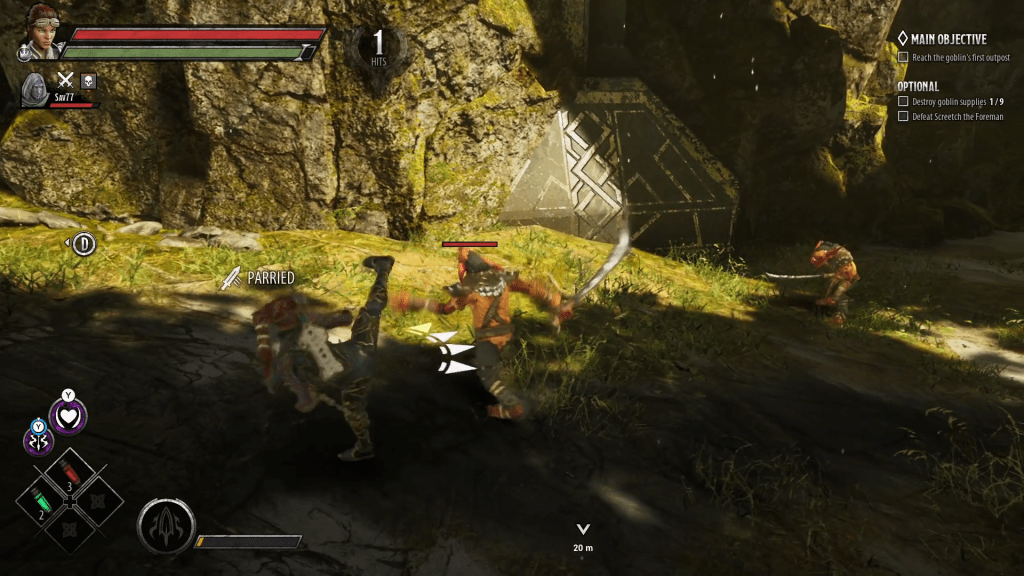
Even when I decided to leap into the fray and not just annoy my enemies from afar, I found that the combat was mushy and unresponsive, which led to a lot of moments where I was trying to charge up an attack but the game just straight up ignored my inputs. It was as if I was trying to play faster than the game would allow for, which seemed like a weird additional way of keeping me from spamming attacks considering there’s a stamina meter in the game that still doesn’t fully make sense to me. Some attacks I did would just lower the maximum amount of stamina I could have at any given time, without ever really providing a clear way to fix that issue. You’d think that taking a short rest would remove that cap from the stamina meter, but sometimes it just doesn’t work. In fact, sometimes it will just randomly fix itself without any explanation, which is infinitely more maddening to me.

By default both light and heavy attacks are assigned to the right bumper and trigger respectively both of which are supposed to combo together seamlessly, but the controls are just so muddy and unresponsive that combos happen more by accident than anything else. There are also some special abilities that are on a cool-down, as well as an ultimate move I could activate whenever the ultimate meter finally decided to fill up. Aside from that, the game has fairly standard brawling mechanics that include blocks, parries, launchers and so on.

Dungeons & Dragons: Dark Alliance is a painfully buggy experience, of which my favorite bug has to be when I killed something and its lifeless body is launched into the stratosphere, never to be seen again. I hope this is never “fixed,” because there’s nothing to fix in my eyes, so we can just go ahead and hand-wave the issue away by saying that goblins naturally fly away when they die. But not all of the bugs are as funny as that one, because a lot of revolve around performance and online desynchronization issues. It’s never fun to hit an enemy and have them vanish only to appear behind me and pummel me to death, and that happens with alarming regularity when playing online. Online connectivity is a prevalent problem too, because after every chapter in a mission when my group would try to return to the hub world together we’d all be disconnected without fail.

To put it kindly, Dungeons & Dragons: Dark Alliance is a flawed game that’s in dire need of some patches to not just address bugs, but to smooth out some of the rougher edges of the non-gameplay experience. From connectivity issues and desynchronization issues to loot management, these things need to get sorted out before any sort of community can really develop around the game. I’m hopeful that the bigger issues like bugs and combat functionality will be fixed and adjusted as time goes on, but those little nuisances are the pain points that will eventually kill an online game if unaddressed for too long.

Dungeons & Dragons: Dark Alliance didn’t turn out the way I had hoped it would but I have to believe that it can only get better from here. Like most games, it’s an infinitely more enjoyable experience with friends, but that isn’t a phenomenon that’s exclusive to Dungeons & Dragons: Dark Alliance. In its current state it’s not a good game to play, but it is a great thing to laugh at with your buddies thanks to its shoddy B-movie qualities. I’d love to be able to both enjoy the campy aspects of the game in addition to a great gameplay experience, but it just isn’t there yet.

Blog: Blast That Gunk – 06/23/21

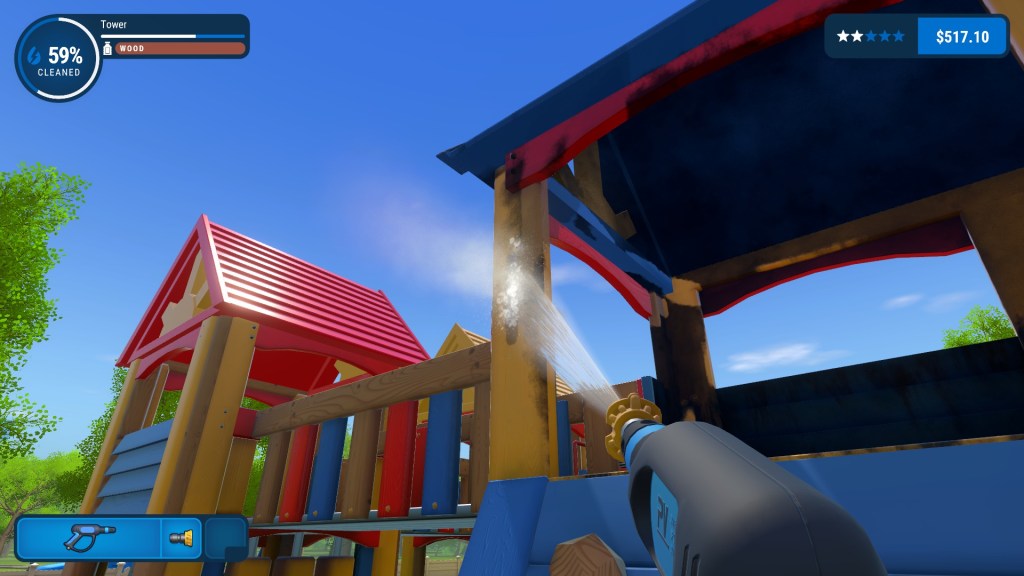
Dang, it happened again. Another weirdly specific “simulator” game has come into my life and completely dominated my free time. Of course I’m talking about the current front-runner for Game of the Year, PowerWash Simulator, a game that’s irrefutable evidence of the fact that we have jumped the shark when it comes to simulator ideas. But despite how objectively ridiculous it is that this game exists at all, I’m so grateful that it does.

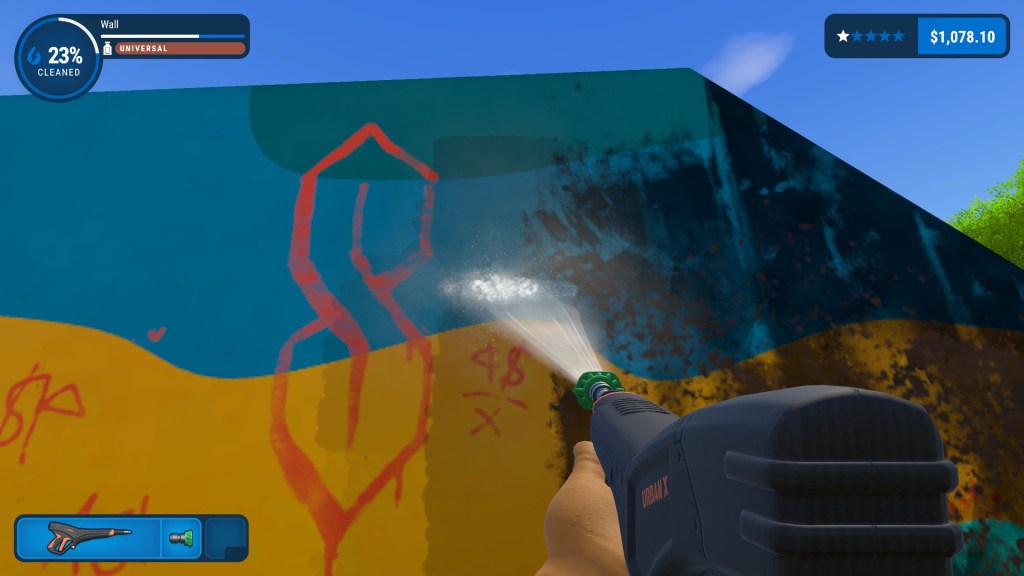
There’s no hidden mechanics here or secrets to uncover (or are there?) in PowerWash Simulator, instead you’re literally just going from building to building and blasting the gunk off of everything that’s been gunk-ified. You earn cash for completing jobs, which you can spend on upgrading your power washer via different models of washer, attachments and cleaning solutions. From there, you load into the map of a structure and methodically blast the dirt and grime off of everything, and then (pardon the wordplay) rinse and repeat until there aren’t anymore jobs available.

Like most of these simulator games, there’s a fair bit of jank involved that really gets annoying when you’re pixel-hunting for the last speck of dirt on a surface. You can hit the TAB key and bring up your “dirt-vision” or whatever they’re calling it, but that doesn’t really help when the dirt is completely out of sight. A lot of grime is underneath things like ledges and windowsills, which can result in these moments where there dirt is lower than your character can physically get. Suddenly you’re trying to do trick shots with your hose to blast water off of surfaces you can’t fully see, and that’s really a momentum killer in PowerWash Simulator, a game I’m using to try and achieve a zen-like state of peace and calm.

I know I talk about these kinds of games fairly regularly, and I do so proudly because I genuinely enjoy some of these games and their representations of seemingly mundane occupations. I don’t know what part of my brain lights up when I start organizing or cleaning things in video games, but that part of my brain must be fairly dominant because I spent maybe six hours straight the other playing this game. PowerWash Simulator is an early access game that provides a soothing experience about blasting dirt into another dimension, and I absolutely adore it.

The Master of Disaster: Tone – 20

When I first started running games my gut instinct was to try and make my sessions all be well rounded, providing drama, comedy, excitement and so on and so forth, all at once. The idea was that one person would have a funny quest for players while another would have a more dour objective for them. That’s how it kind of works in video games, so why wouldn’t it work here? Well it wasn’t that it couldn’t work here, it was more that it sometimes led to a sense of emotional whiplash. The party would go from joking with a bartender while breaking the fourth wall, to talking to a grieving widow who is desperate to uncover the culprit for her partner’s murder. It was tonally inconsistent in a way that was very noticeable. More to the point, it made keeping my players engaged and role-playing, incredibly difficult.

Going from joking about a funny looking cow or whatever, to talking about the vast political corruption in the city might work in the real world because we’re all emotionally broken, but in game I’ve found that tonal consistency is valued more than it is in our world. Now, that isn’t to say that I’m forbidding jokes when we’re having a serious conversation, but the way you address that kind of thing is important.

Everyone in every adventuring party wants to crack a joke that’s going to make everyone at the table erupt into laughter, which is fine, but if they’re talking to that poor widow from the example earlier, that widow is gonna call them out. It isn’t about whether I, the DM am calling them out or not, it’s about if the NPC they’re practicing their standup routine on is willing to put up with their shit. There’s no use in me as the DM breaking the flow of the game to tell my players to get serious about our game where dragons and goblins are kicking it with raptors and dwarves or whatever, cause that would be a fun new take on ludo-narrative dissonance.

I guess my point ultimately is that while you as the DM have the power to do whatever you want, wielding that power and using it is a bit trickier. Aside from lambasting my players as the NPCs they interact with, I’ve found that splitting my sessions into arcs has been really helpful for establishing tones. For instance, we’ve had sessions that were very mission focused and others that were just nebulous, allowing the players to go off and do what they want and suffer the consequences in classic D&D fashion. I treat the tone in our games like a pendulum, where some of them are gonna be goof-fests, while others are going to have the characters make tough choices. Trying to keep the pendulum stuck in one direction for too long will almost certainly lead to a harsh swing in the other direction, so it’s a good idea to make sure that you’re not sticking with one theme or tone for too long.

Ironically, that very reason was why we all ultimately decided to stop playing through the Rime of the Frostmaiden module that came out late last year. It was so overly drab and depressing, with an insistence on being dour and bleak throughout the vast majority of the adventure. It sucked and was a colossal downer, so we pivoted. Consider that a lesson learned on my end though, because from here on out, I’m making sure that any game I run has both highs and lows without lingering too much on either.

I recognize that this entire concept of a malleable and shifting tone might be something I value more than a lot of other game masters and players, but I’ve found a lot of success in using this mentality. I allow my players to joke and goof till their heart’s content, but I also know that in a few sessions I’m going to hit one of them with a tough choice that’s going to make their character grow. In a long term campaign, I think these situations and encounters are absolutely necessary to keep both the story interesting and your players engaged. While this post is about adjusting the tone to match the content of the session, all of this stuff is, in my opinion, extremely important to another very instrumental part of campaigns, which is allowing the characters to grow.

Every campaign I’ve run starts with at least one person trying to make a joke character, which is fine. But I always tell them that making a joke character and giving them a goofy name is really going to bite them in the ass further down the line. When the king of the land comes to you, hat in hand, and begs your party for help in finding his missing wife, it’s really going to undercut the whole mood of the campaign when he has to say, “I come to seek the aid of the noble knight, Fart Garfunkel. I shall pay a king’s bounty for the retrieval of my missing beloved wife.” Like, that whole scene is going to suck on so many levels. Maybe the first time it happens, it’ll be hilarious. The second, third, hell, maybe even the tenth time it happens it’ll still be a gut-buster. But doing that puts this artificial ceiling on how much your character can grow because they’ll never be taken seriously by anyone in your party, let alone the actual human beings at the table.

Every party, campaign, player, and character are so different, so maybe my advice doesn’t apply to your current situation. But I truly believe through extensive trial and error, that being able to set a tone from session to session is extremely important to allowing the players to experience a great story. While they might not remember the name of the big bad guy or whatever, they’ll remember the ebbs and flow of a campaign that tonally mimics the real life experience. Some days are good, some days are sad, and it’s okay to have your player-characters experience that too. Otherwise, they’re nothing more than a series of stats on a page with a name like Fart Garfunkel.