Category Archives: Articles

Dragon Age: The Veilguard is Nothing but Empty Calories

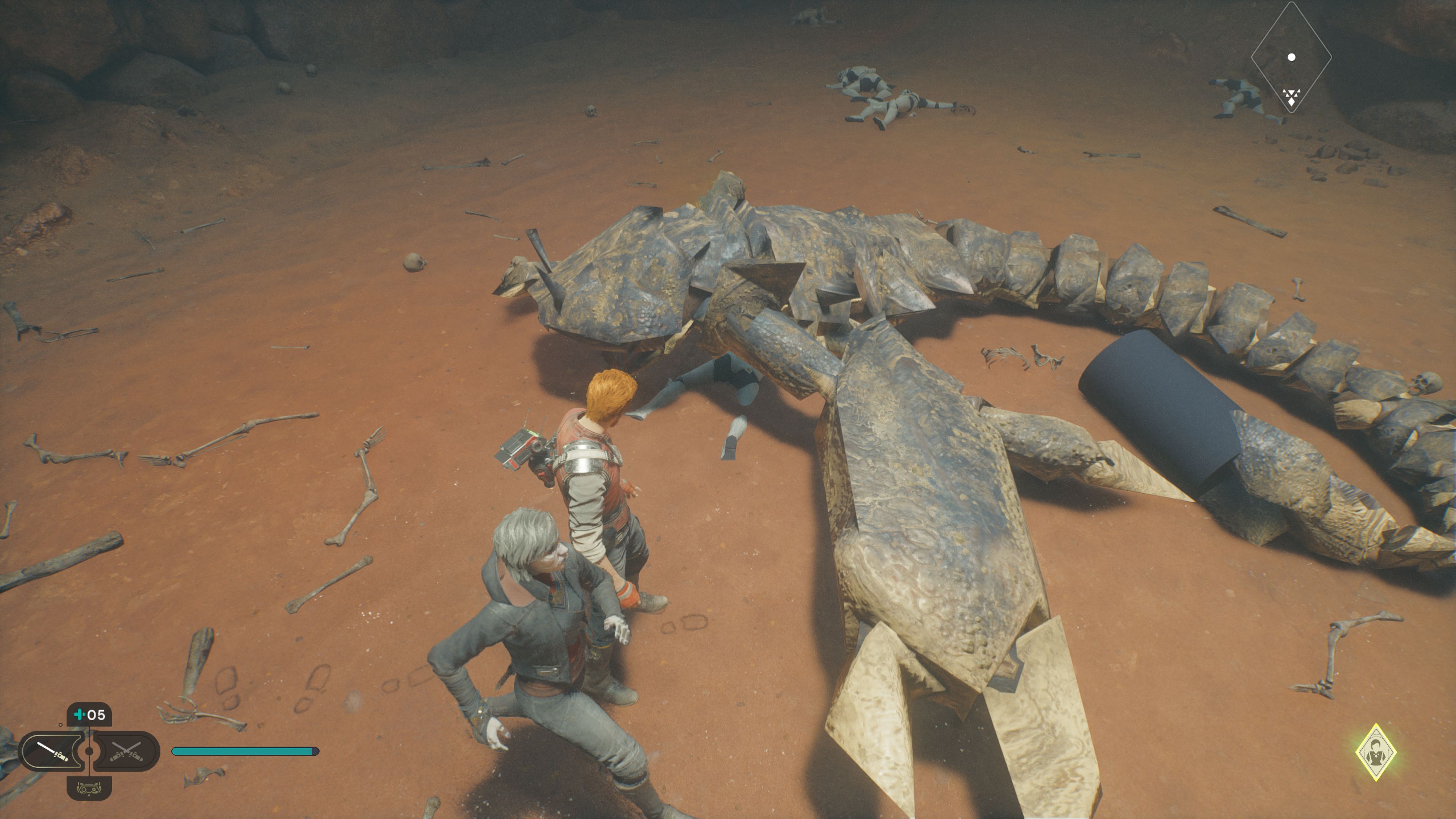
Dragon Age: The Veilguard is such a weird game to talk about primarily because of how unremarkable it is. Sure, it’s got some good looking graphics and a decently fun combat system, but by any other metric it feels so creatively bankrupt that you’re ultimately left with something that feels like the phrase, “playing it safe,” was made into a video game.

To be clear, I have no skin in the game with the Dragon Age series. I’ve never enjoyed the way those games played in the past, and the lore always felt impenetrable to a degree that was off-putting. I understand that a lot of people would disagree with me on those points, hence the fact that Dragon Age: The Veilguard is the fourth entry in the series.
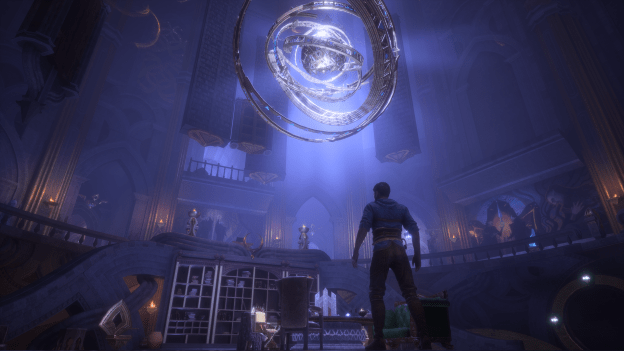
Smartly, Dragon Age: The Veilguard includes a glossary of terms for newcomers to utilize when NPCs prattle on about the Chantry, Venatori and other words that I had no prior knowledge of. Despite referencing that glossary a lot, I was still barely able to keep up when characters were talking about the state of the world. The one thing I do know about the story, however, is what the main quest-line is about. That’s because every other conversation with one of your party members involves someone summarizing it or restating your objectives.

While annoying, it’s kind of necessary considering there’s a lot of game here and very little of it has to do with the main quest. A great deal of the missions feel like padding as you go from city to city, completing mindless quests to boost your faction reputation enough that said faction will help you at the end of the game — I assume. None of the side quests are very interesting and ultimately require you do the same two things: find an object to interact with and then kill some enemies.

Along those lines, it never really feels like any of my conversational choices are making a difference. Outside of a handful of heavily telegraphed “big” choices I had to make, there hasn’t been a lot of decision making or role-playing in this action-RPG. The main character, Rook, doesn’t really have to many opportunities to be anything other than the hero of the story. In Dragon Age: The Veilguard, conversational choices boil down to how earnest you’re being as opposed to taking any moral stand or making any decisions. I don’t think you can be a bad guy in this game let alone make any actual choices that will change how the story plays out, but I haven’t beat it yet so maybe I’m wrong.
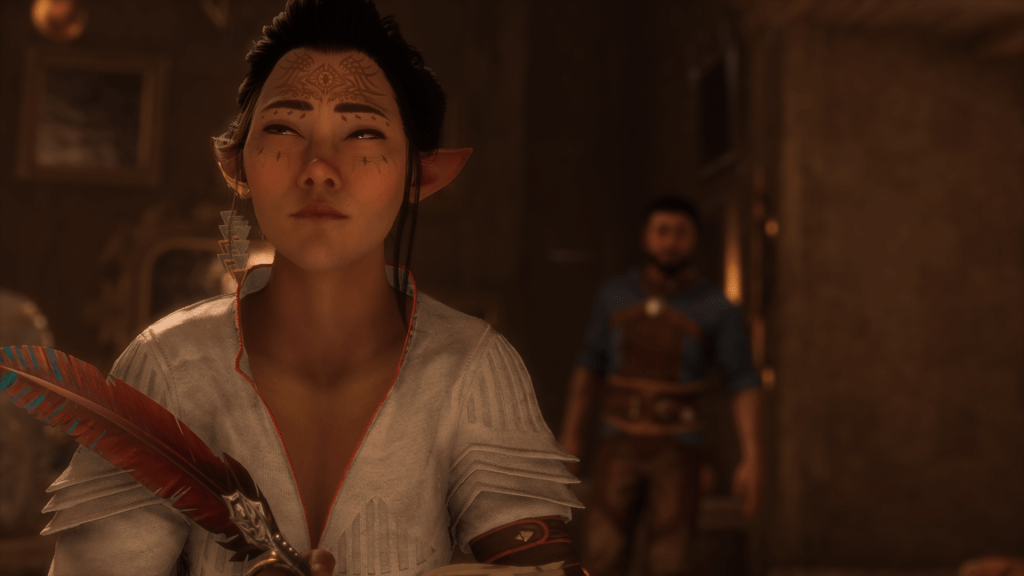
Choice seems like an illusion in The Veilguard, largely because it feels like the outcome of any given conversation is predetermined regardless of what you actually choose to say. You can be stern, snarky, or sincere, but you’ll never say ‘yes’ or ‘no’. There’s no ambiguity or question about the results of what you’ll say, just how it’s delivered. Even romance boils down to you just picking the flirty option over and over on the person you want to do sex with at every possible moment, and it’ll eventually happen.

Everything about Dragon Age: The Veilguard feels a little too clean. Sometimes your party members will have a scene depicting a minor conflict with one-another, but it’s always immediately resolved by the end of the very same scene. For instance, one party member was vehemently against the whole concept of necromancy, which they and necromancer on our team were arguing about. Despite making it clear that reanimating dead bodies was despicable and immoral, once Rook picked the right conversation choice, the two characters squashed their beef and were able to see the value in the other’s opinion. Dragon Age: The Veilguard makes sure to tie a neat little bow on all of these interactions in a way that would make any HR representative swoon.

That isn’t to say that there isn’t something for people looking for good stories to latch onto, because some of your allies do have some interesting stuff going on. But the way The Veilguard handles the concept of you, as both a leader and a player attending to your companions, is so frustratingly stupid. In Bioware games of yore, you’d chat with your teammates and get to know them over time. They’d eventually give you a quest or two that would shed some light on their backstory and better humanize them or whatever. Do enough of that and then maybe you’d kiss them or keep them from dying through the power of your friendship.
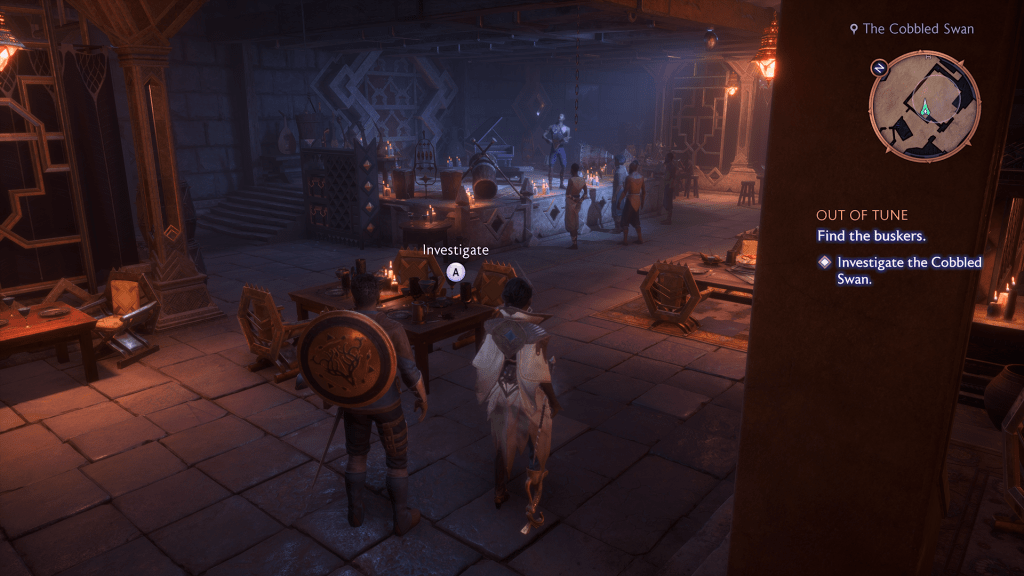
Dragon Age: The Veilguard will have these moments after you complete a big story mission where everyone on your team will stop to tell you that they need to take care of their personal business, hammering home the idea that your team won’t be up for the final conflict with all of these ‘distractions’. It’s basically the game’s way of telling you that new side missions have been unlocked and you’re going to want to do them or else your final mission isn’t going to go well. Every time this happens it’s a total momentum and immersion killer, as Dragon Age: The Veilguard makes sure to remind you that you’re playing a game and new companion missions have been unlocked.

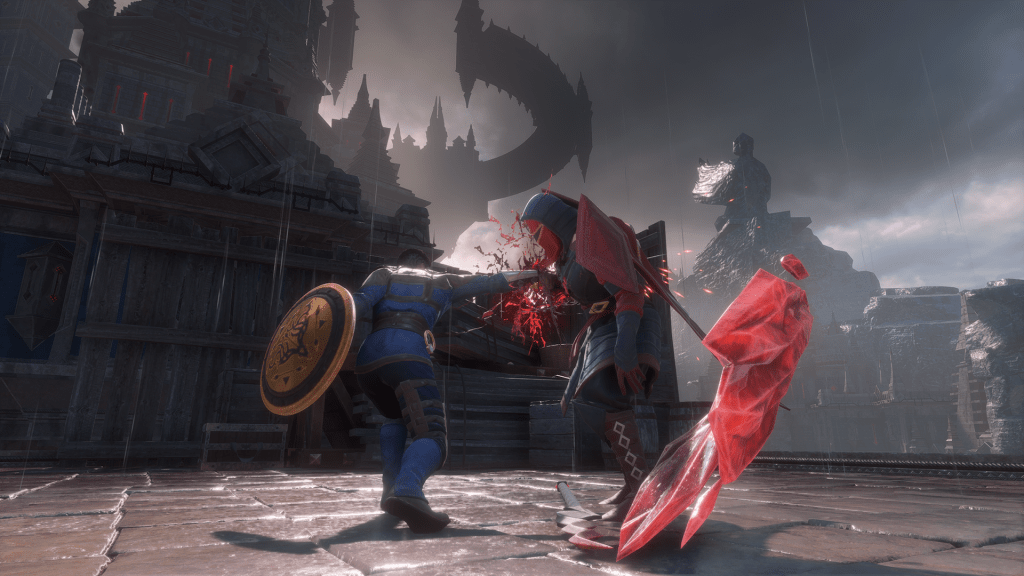
I know that this all paints a pretty bleak picture of the game, but I actually don’t mind the moment-to-moment gameplay that much. The new combat system is fun and satisfying even if it barely evolves over time. There’s a big skill tree to navigate, with each class boasting 3 unique specializations for you to spec into, although not being able to change my character class is annoying. But even having gone sword and board had its upsides — namely the fact that I could Captain America-style ricochet my shield off of enemies and punch it back like a yo-yo over and over. You can also pause time and have your teammates focus fire or use specific attacks that might combo together, but I rarely ever needed to make use of that on the default difficulty.

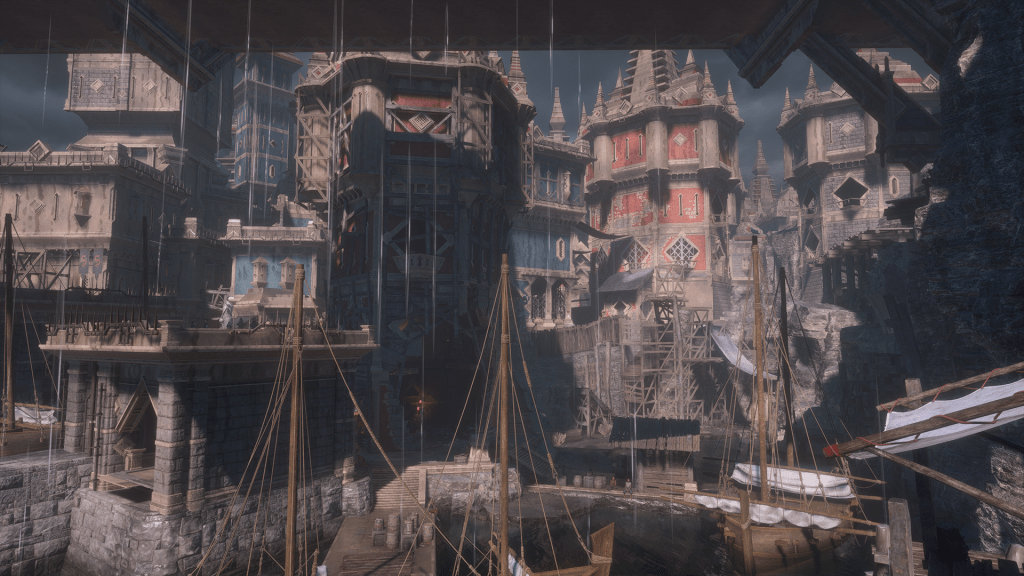
Additionally, I think the world is pretty and most of the levels are interesting enough to poke around in, even if there’s rarely a good reward for doing so. Usually you’re just picking up crafting and upgrade materials or some piece of gear that you probably don’t need. Aside from that and the occasional piece of written lore that might trigger a side quest, there isn’t a ton of reason to leave the critical path outside of your own curiosity. At some point I stopped caring about money because I didn’t need to buy anything, and that’s a direct result of just finding better stuff in the world so easily that spending money on any of it seems ridiculous.
To that end, as someone who isn’t big on the loot grind in other games, Dragon Age: The Veilguard does something I appreciated, which was automatically upgrading my armor and weapons I had in my inventory when I found duplicates of them out in the world. It also allows you to level up your weapons and armor as you go, so you don’t really have to worry about new stuff if you’ve found something that works for you.

What’s really disappointing is how singularly focused this game is. There is no room for you do anything outside of progress the main story and kiss a party member. There are no diversions, no distractions, no role-playing in this role-playing game at all. There’s barely any puzzles in the world, and the ones that do exist are so alarmingly simple that you’re left wondering why they’re even included at all. There is one path to take, and you will walk it.

Dragon Age: The Veilguard is a game that’s sanded off all the rough edges and provides little to no resistance to the player, instead opting for a more streamlined approach that feels less like an RPG, and more like a traditional action game. It’s not a bad game, rather, it’s a bland one. It’s a game that really feels like its been made by a company who needed a win so badly that it didn’t dare to take any chances on anything. It’s as if every decision about its content was made after extensive focus group reviews. Dragon Age: The Veilguard plays it safe, and in doing so manages to alienate long time fans of the series, along with newcomers who are looking for a good action-RPG. It’s pure filler, and some folks might be more okay with it than others.
The Spotlight – 09

The Spotlight is a monthly summary that encapsulates some of the more notable media experiences I’ve had over the past thirty days. From insights on games played, to articles worth checking out, and even cool stories from tabletop role-playing games, it all has a place in the Spotlight.

Following in the footsteps of September, October has been just as hectic, which didn’t leave me with a ton of free time for video games. Slim pickings once again, but next month will hopefully calm down a bit.

For the month of October, 2024, here’s what I’m shining the spotlight on.


Games

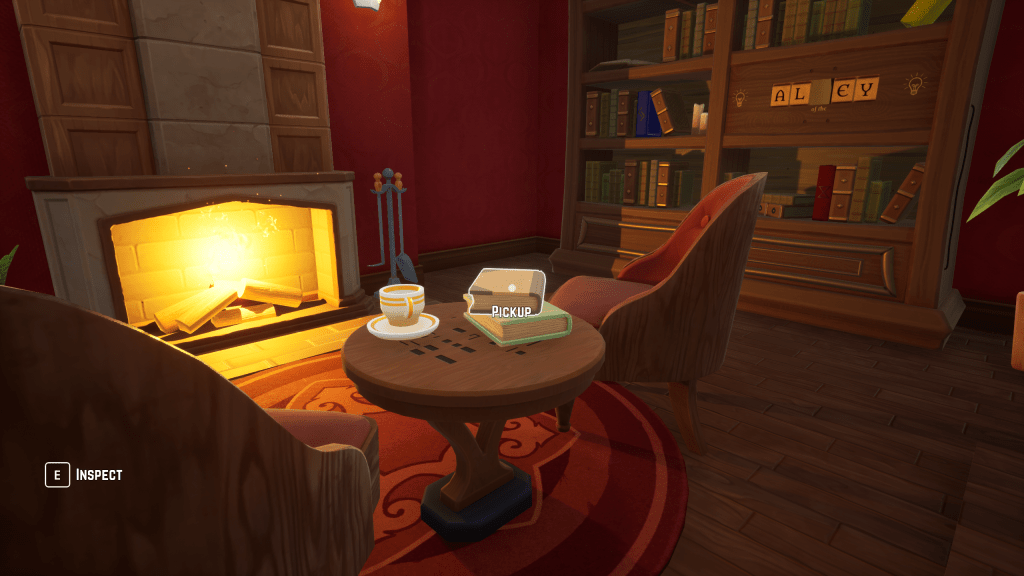
The Case of the Golden Idol

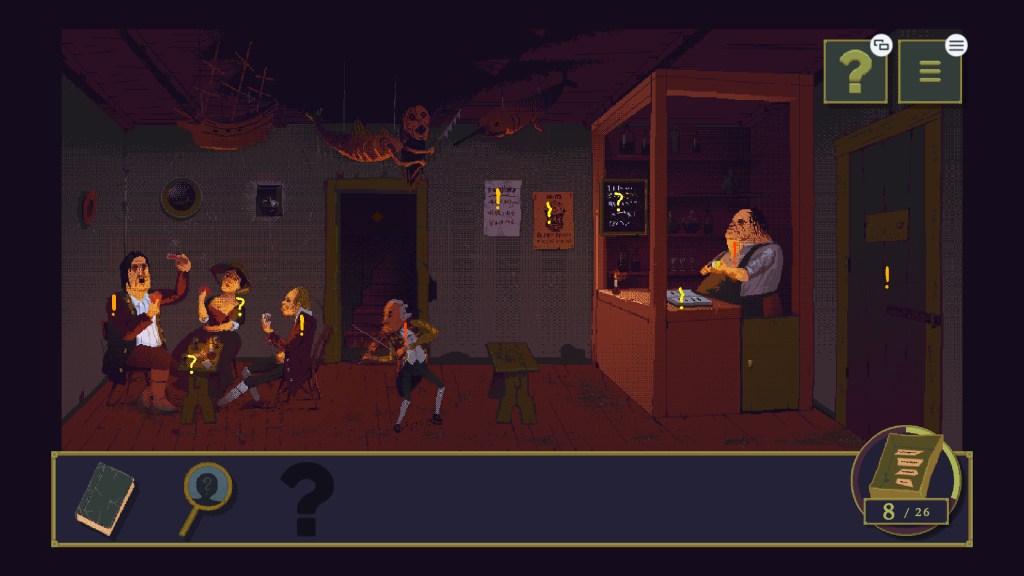
I absolutely am in love with The Case of the Golden Idol and its brand of puzzle solving and storytelling. I haven’t beat it yet, but I’m super into everything it’s doing from its unsettling art style to its puzzle design.

The story follows the titular Golden Idol, a little statuette of immense arcane power. You follow the location of the idol and those who have held onto to it through the years, charting not only its owners, but the consequences of its usage.

It isn’t clear who or what you play as in The Case of the Golden Idol, but you inhabit some sort of third party spectator who arrives at the moment of, or shortly after a grizzly murder has taken place. Through a point-and-click interface, you explore each heinous tableau, rooting around pockets, cupboards, and trashcans for pieces of information that can steer you towards identifying who people are, who was present, and what motives existed. At the end of each level you input your assumptions into a Mad-Libs-styled notepad, filling out the story with its key figures, items and whatever other relevant information is needed.

I do wish there was an easy way for me to catch up on the story so far, considering every time I do manage to play the game, I found that I’ve forgotten a lot of key information I would have retained had I just blasted through in a sitting or two.

Regardless, I’m absolutely smitten by The Case of the Golden Idol and am eager to wrap it up before its sequel, The Rise of the Golden Idol releases in just a few short weeks.

Kind Words 2

Sometimes you just need someone to listen to you and tell you that you aren’t alone and your feelings are valid. That’s the promise of Kind Words 2, a game that’s made me tear up on more than one occasion.

In Kind Words 2, people from all over the world will toss their concerns and issues out into the void, a handful of which sail right onto your desk. With little more than a letter indicating who wrote what, you can read and respond to any of the notes that come your way, offering wisdom, solidarity, or just support to a random human being.

People are kind and thoughtful, bearing their souls to random people on the internet. I’ve sent some stuff out and gotten some truly wonderful responses back. It’s a lovely little application that’s all about promoting good vibes while listening to dope lo-fi beats.

It is worth mentioning that the responses you get might not be what you hope them to be. For instance, did you know that there’s a highly contentious election going on in America right now between someone who wants to not destroy our democracy and someone who actively courts Nazis? I may have expressed my general anxiety to the void at one point, only to be returned with some great answers like, “you don’t have to vote” and, “both candidates are just as bad as one-another.” These kind of sage nuggets of wisdom weren’t overly comforting, as you can imagine.

But that’s hardly the fault of Kind Words 2. Aside from that miserable example, the community is largely supportive and kind, and when it came to other things I sent out, they were much more endearing and helpful.

Escape From Mystwood Mansion

Escape From Mystwood Mansion isn’t a particularly long or difficult game, but it is the exact level of complexity I needed from puzzle game this month. Escape From Mystwood Mansion is a first-person escape room styled game, where you’re quite literally escaping from the titular mansion and its many rooms. There honestly isn’t a ton to say about it beyond that I enjoyed my time with it, and if you need a mildly challenging puzzle game, Escape From Mystwood Mansion is a pretty good choice.


Watch List

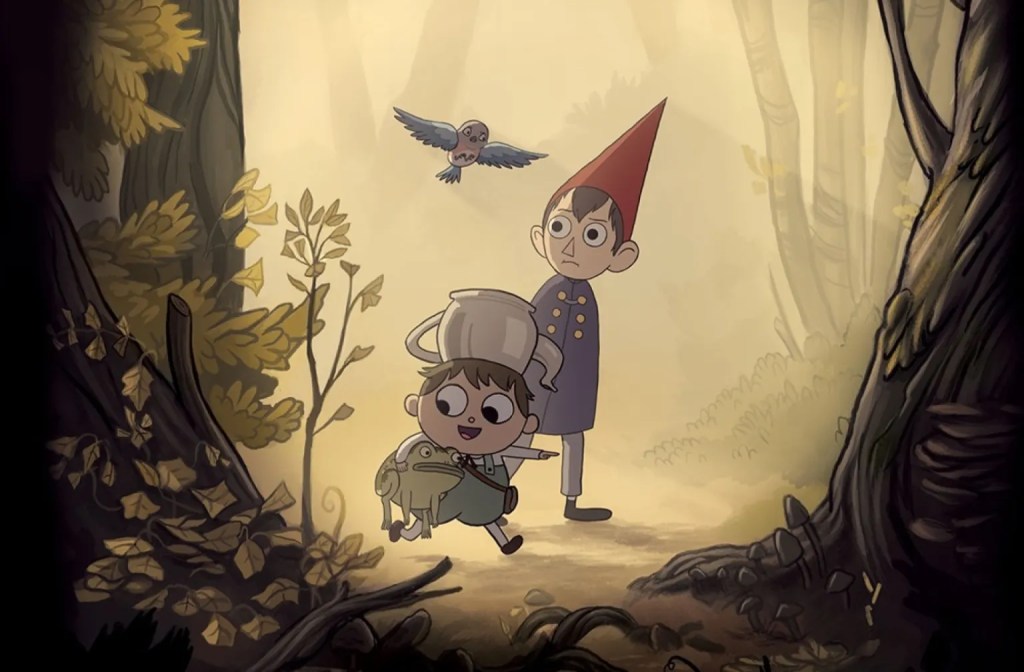
Over the Garden Wall

In about 100 minutes or so, Over the Garden Wall manages to not only build out an impressive fantastical world with interesting lore while balancing humor and tension effortlessly, but it does all that while also having Elijah Wood and Christopher Lloyd in the cast. Over the Garden Wall is my annual Halloween tradition and I think it should be yours too.


Listening Party

Counting Sheep – Anxious

On Melancholy Hill – Gorillaz

L.S.F – Kasabian


The Rest

Still Unpacking

Why do we own so much stuff? Fuck.


News

Of Course the Cops Would Blow Money on a Cybertruck

A Pokemon Leak Sounds Yucky But it Isn’t

Chick-fil-A is Launching a Streaming App With Original Content… For Real.

Capitalism is Alive and Well as Microsoft CEO Gets Huge Pay Bump in Spite of Massive Layoffs

Concord is Dead and its Developer is Dissolved

The Day Before Studio is Undefeated in Thinking it Has Community Support, Hosts Unpaid Design “Contest


Thanks for checking out The Spotlight. We’ll be back at the end of November with another installment. Consider subscribing to The Bonus World so you can get an email updating you whenever we publish something new.

The Spotlight – 08

The Spotlight is a monthly summary that encapsulates some of the more notable media experiences I’ve had over the past thirty days. From insights on games played, to articles worth checking out, and even cool stories from tabletop role-playing games, it all has a place in the Spotlight.

Fair word of warning: this month has been very hectic and most of my time has been spent coordinating and executing a move to a different apartment. So this may not be the most comprehensive Spotlight we’ve had.

For the month of September, 2024, here’s what I’m shining the spotlight on.


Games

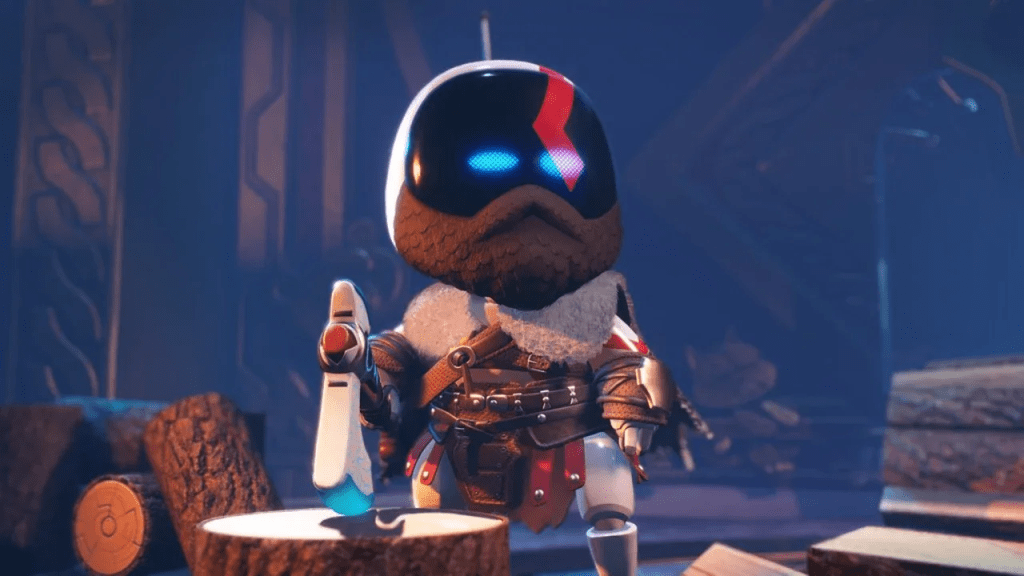
Astro Bot

An absolute delight from top to bottom. Looks amazing, feels great to move around and use all of the powers. Soundtrack is great. Excellent fan service. Not terribly challenging. Pretty forgiving checkpoints. No real penalty or lose state.
I’ve never really considered myself overly attached to the legacy of the PlayStation brand for a number of reasons, but I’ve grown up alongside of this brand and its characters and can absolutely appreciate aspects of its history. Astro Bot isn’t just one of the best 3D platformers I’ve played, but it’s also a love letter to (and possibly the greatest advertising vehicle for) the PlayStation, its games, hardware, and the many characters associated with its consoles.

I don’t want to belabor the point here, but Astro Bot is an absolute delight to play even if you’re not necessarily nostalgic for the PlayStation brand itself. The platforming is excellent, the soundtrack is great, it’s beautiful to look at, and the levels and boss fights are all fantastic.

It all gets even better if you have an affinity for the PlayStation brand itself. The story of Astro Bot is that you and hundreds of other bots decked out in popular PlayStation character outfits, are flying through space in their spaceship, which is a PS5, when they are attacked by a real nasty alien who knocks them out of the sky and scatters the characters and PS5 components throughout the galaxy. You are literally tasked with saving PlayStation characters and rebuilding a PlayStation 5 in Astro Bot, and while you could look at that as a shameless and gross advertisement you’re paying to experience, I would urge you to look at it like I see it, which is a wonderful celebration of the PlayStation brand.

Star Wars Outlaws

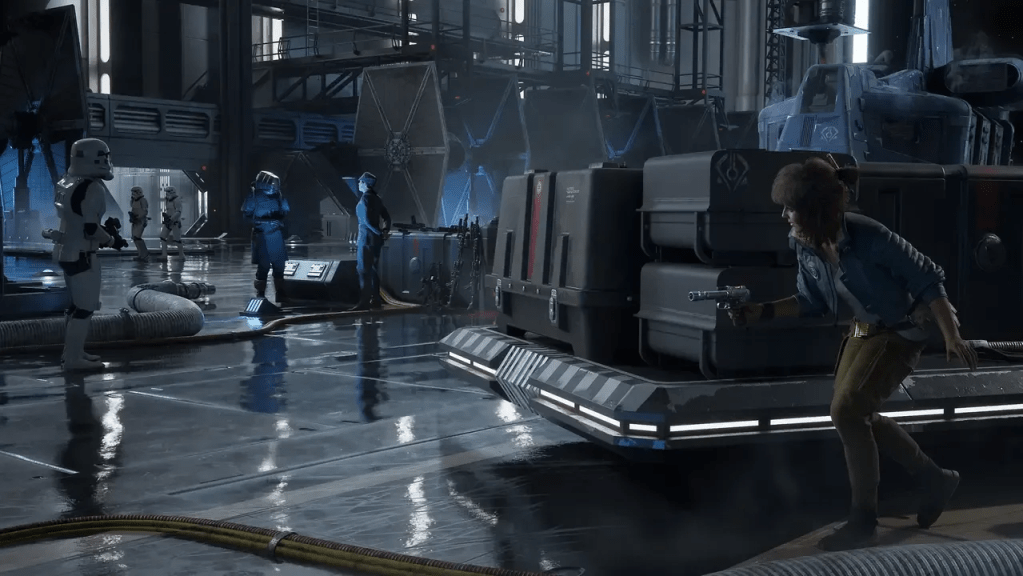
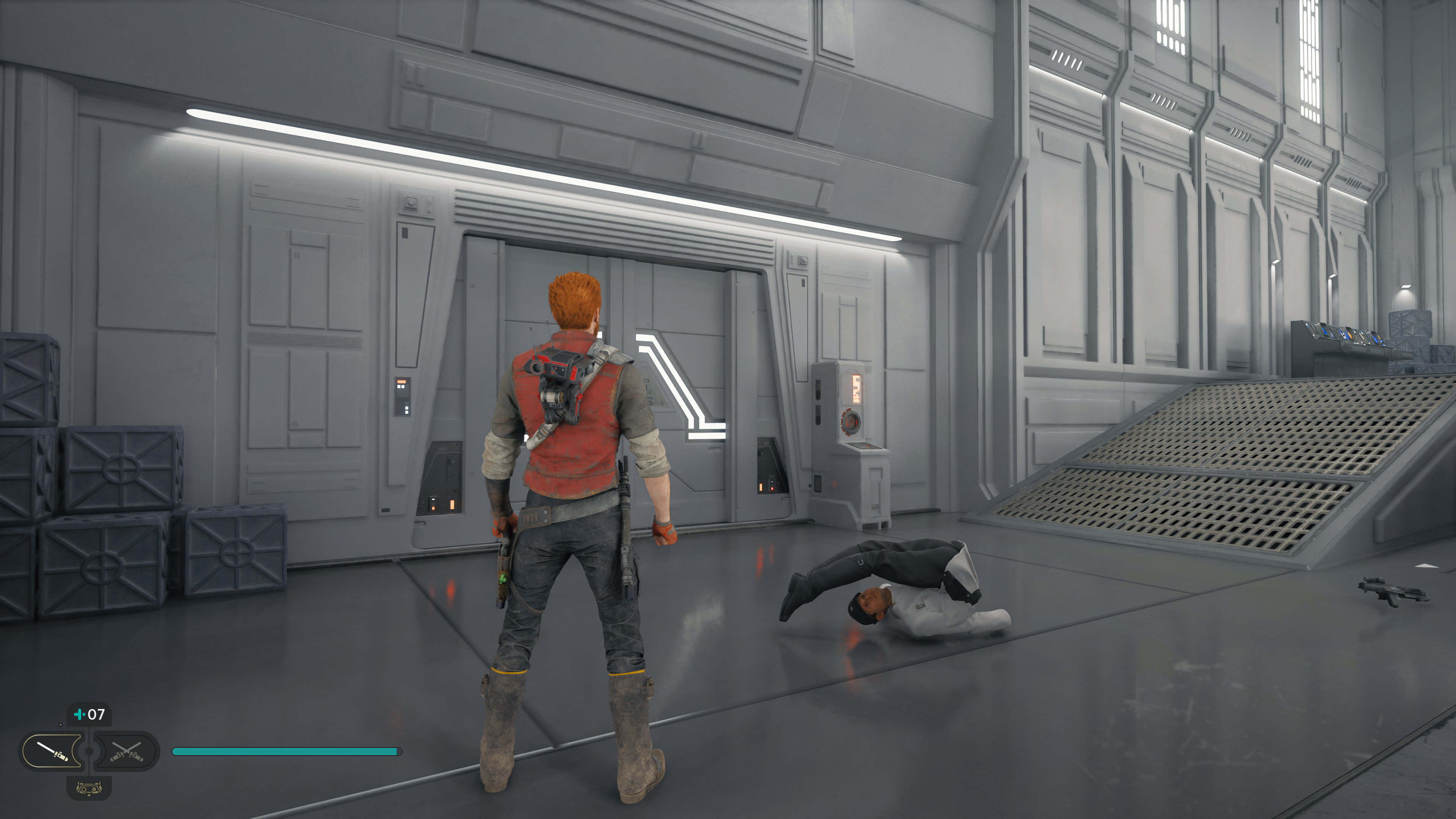
I really want to like Star Wars Outlaws, and I feel like in a few months I’ll be able to do that. As it is right now though, the game is far too buggy for me to want to spend anymore time with. While I’m curious about the story and enjoy the simplistic, if at times uninspired, gameplay loop, the entire experience feels rocky at best.

I’ve encountered a lot of bugs and weird glitches that have hampered my progress, but I also think the stealth system in general is just kind of busted at the moment. You get spotted through walls and cover elements too often to feel confident in the moves you have to make, and more frustratingly, even when you do manage to be completely stealthy about something, you’re still liable to be punished for it as if you were caught.

Star Wars Outlaws is big on its faction system, but it doesn’t feel great when you manage to stealthily double cross a gang without ever being detected, only to still lose reputation with them when you complete the mission. If no one saw me during that whole mission, then why am I still suffering the consequences? As it is, the system de-incentivizes being stealthy, and pushes you to be more willing to blast your way through everything cause it doesn’t matter.

It’s unfortunate, but hopefully Ubisoft will do what they do and fix their busted games further down the line. That’s when I’ll check back in.

NBA 2K25

There is a dark secret to The Bonus World that I think you should know now: Every single one of these articles should include whatever the newest version of the NBA 2K series is out, in them. This series, and now NBA 2K25, are by and large my most played games. They are my comfort food. They’re the thing I do when I’m watching a TV show in another monitor or listening to a podcast. NBA 2K25 is no different.

This is a basketball game like every one of them that came before. It feels really good to play and looks great. It’s also chock full of modes that are filled with some of the most predatory micro-transactions I’ve ever seen. The game throws pop-up ads for in-game currency up on its main screen, and uses the same button for selecting a game mode to buy whatever is on the pop-up. It’s so slimy and evil. I don’t play those modes and I don’t give this game more money than I need to. But I play hundreds of hours of the franchise modes, which more than justifies the base purchase price for me.

The Plucky Squire

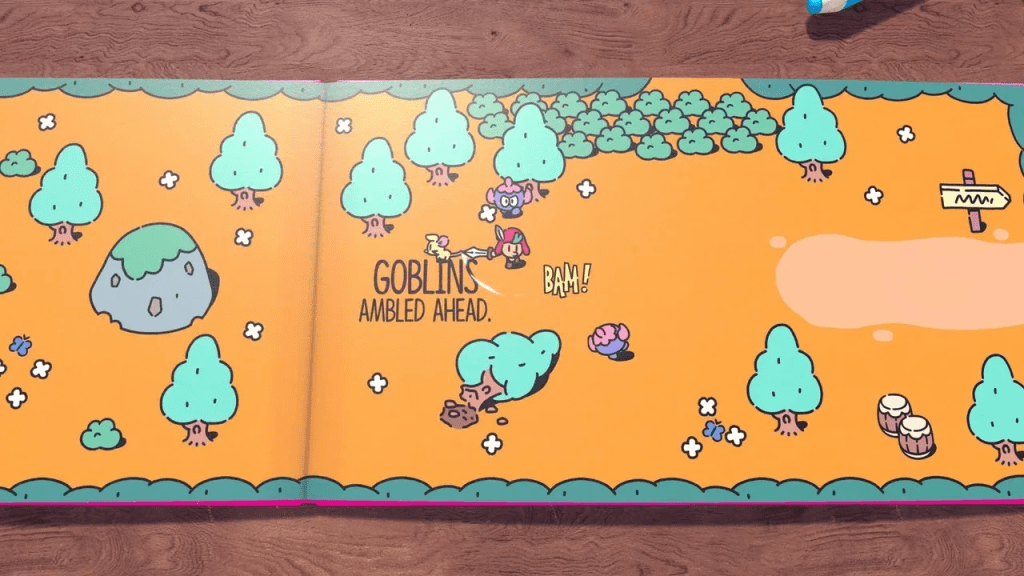
The Plucky Squire is a visually stunning game with some truly cool ideas that’s unfortunately marred by tons of technical issues and downright baffling game design. You play as the titular squire as they run through an adventure they’ve completed many times in the past, because The Plucky Squire is actually a children’s book. As things come to a crescendo in the expected adventure, the main villain reveals his disdain with always failing and being defeated, and then launching your ass straight out of the book and into the physical world.

From there, you’ll split your time between the “real” world, and the newly written version of the book where the villain wins, spanning the world and helping its inhabitants. Between slashing goblins with your sword, you’ll occasionally come across larger areas that can’t be traversed in their current state. Written on the ground are passages from the very book you’re inside of, that you can remove words from and swap them with other words from other passages.

For instance, an early puzzle had a large boulder blocking the exit and a passage beside it that more or less said the same thing. Elsewhere on the map, there was a passage about a small frog that I could remove the “small” descriptor from, and replace the “large” in the boulder description with to instantly shrink the size of the boulder, allowing me passage to the next screen.

Unfortunately, The Plucky Squire has zero faith in you as a player to figure out any puzzle solution on your own, let alone even remember the plot of the game from screen to screen. The Plucky Squire frequently over-explains itself to the point of being pandering. Just as any gameplay momentum is built up, you are quite literally frozen in place to listen to some dialogue from the narrator, or your traveling companions, or some random NPC, or just to be shown a sweeping shot of the entire map so you can really appreciate it. I wouldn’t even call it excessive hand-holding, rather, it’s more like The Plucky Squire jammed its fingers in my nose and is pulling me through every aspect of the game so I don’t have to think about anything for too long.

Oh, and the cherry on top of it all is that the game is so buggy and broken that I’ve repeatedly lost progress from having to reload saves because a puzzle suddenly just stopped working. I’ve also encountered several crashes, each of which cost me more time, and one that, as of writing this, still prohibits me from finishing the game. Without spoiling anything, I died in the final boss battle which caused the game to crash, and whenever I open the game and try to continue, the game crashes instead.

The Plucky Squire is such a bummer and I really wish it was better. But it is an inherently flawed game that even bug fixes and patches can’t truly repair. There is no real reason to play this game, and I hate that I’m saying that.

UFO 50

I have been waiting for UFO 50 to come out for what feels like an eternity. It’s a collection of 50 games made by a fictional game company in the mid to late 80s, that was actually made by a handful of indie developers over the course of nearly a decade. I still haven’t played all of the games yet, but what I can say is that old games were infuriatingly obtuse and I’m not as good as I once was at them. That being said, I absolutely adore this game and everything it’s doing, and I hope I find at least one game that truly hooks me.

I’ll have more to say about UFO 50 next month… hopefully.


Watch List

The Good Place

Wonderful show that manages to hit both comedic and dramatic highs. I was severely skeptical of the end of season 1, and I’m still kind of angry about it. Kind of made the first season feel like a waste of time, even though they make good on it in the later seasons. It’s a very good show from top to bottom, despite the few issues I had with how they were telling their story.

New Girl

I’ve never watched New Girl before, and if it weren’t for the prodding from my partner, I probably would have bailed after the first 3 episodes. I found the characters to all be generally unlikable and I did not care about any of them.

By the end of the first season, however, I get what everyone sees in this show. Now in the third season, I still have some serious concerns about the writing and the character’s motivations, but I’m hopeful that things turn around soon.


Listening Party

Sastanàqqàm – Tinariwen (+IO:I)

Just – Radiohead

Money for Nothing – Dire Straits


The Rest

Moving

Seriously, fuck moving. I’m so exhausted and worn down.


News

Concord Gets Pruned

Days Gone Director is a Baby

“Pull Yourself Up By Your Bootstraps” Says ex-Sony President

Sony Reveals a Console for Rich People

An Entire Game Studio Quits

Baldur’s Gate 3 Modder Shows Off Custom Maps, and Surprisingly No Sex Mods

“Not Enough Ads Yet” – Says Sony, as Ads are Dynamically Inserted Into PS5 Home Screen


Thanks for checking out The Spotlight. We’ll be back at the end of October with another installment. Consider subscribing to The Bonus World so you can get an email updating you whenever we publish something new.

The Spotlight – 07

The Spotlight is a monthly summary that encapsulates some of the more notable media experiences I’ve had over the past thirty days. From insights on games played, to articles worth checking out, and even cool stories from tabletop role-playing games, it all has a place in the Spotlight.

For the month of June, 2024, here’s what I’m shining the spotlight on.


Games

Thank Goodness You’re Here!

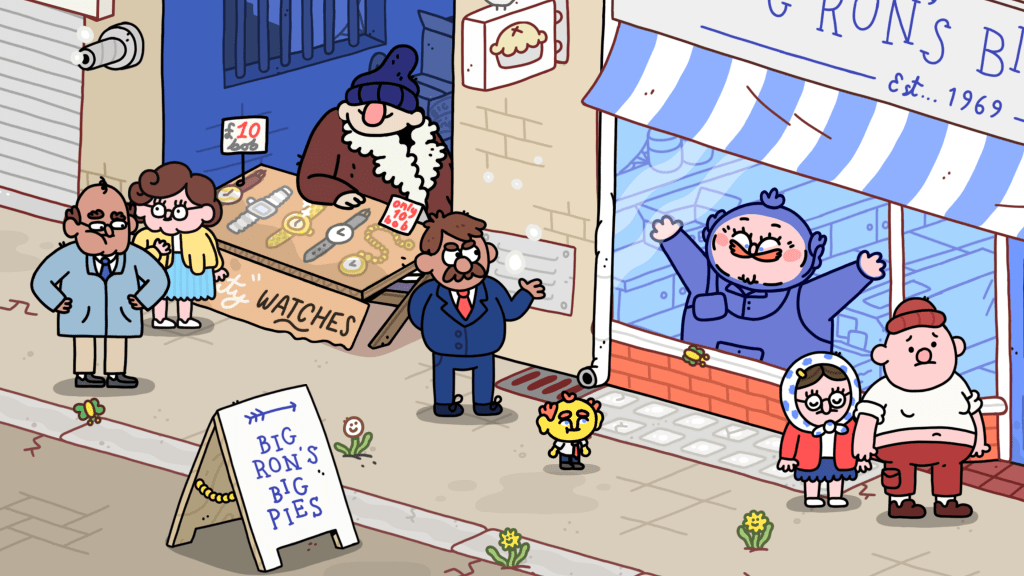
Funny, genuinely gut-busting games are a rarity in the gaming sphere, but Thank Goodness You’re Here! manages to be just enough of a game to be included among those ranks. Despite being armed with a jump and a punch, you aren’t really doing much of anything in Thank Goodness You’re Here! aside from prompting new bits of dialogue. You don’t have an inventory or any choices to make, and I don’t think there’s even a fail state in the game.

Thank Goodness You’re Here! is more of a lightly interactive cartoon than a game. Were it not for its excellent writing, voice acting and truly bonkers story lines, I definitely wouldn’t be lauding the game as much as I am. Sitting somewhere between a point-and-click adventure game and something you’d watch on TV, Thank Goodness You’re Here! is a delightful experience that’s worth checking out.

Lawn Mowing Simulator

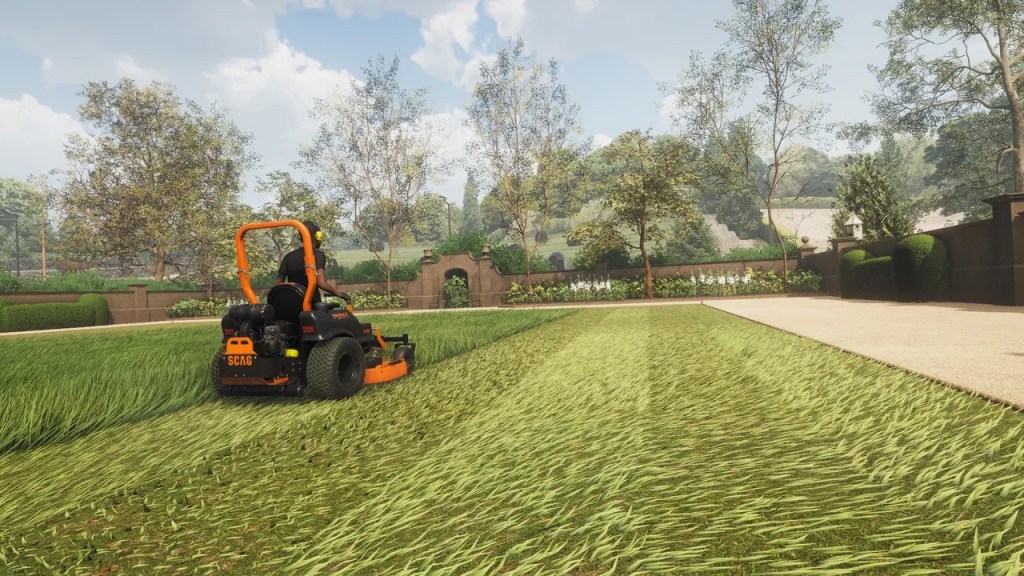
Honestly what do you really need me to tell you about Lawn Mowing Simulator that you can’t glean from its highly descriptive title already? You mow lawns and get money for doing it. You hire more people and buy more mowers to help you do the jobs you don’t feel like doing. Lawn Mowing Simulator is what it says it is, and nothing more. It’s supremely relaxing and puts me in this zen-like state that’s been so calming, I may have fallen asleep at my desk more times than I’d like to admit.

Submerged: Hidden Depths

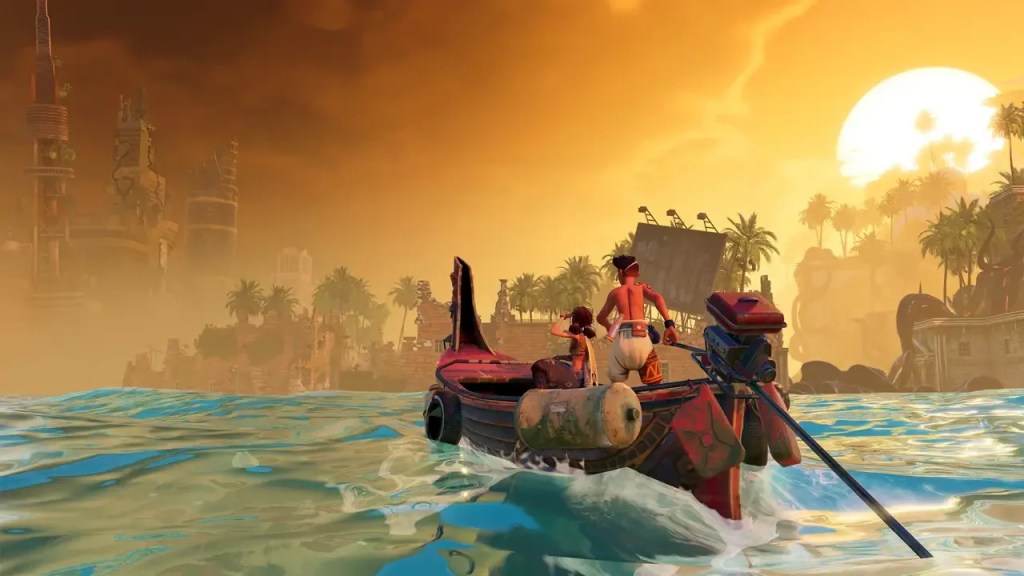
Speaking of zen-like experiences, Submerged: Hidden Depths, is a game about exploring a half-submerged city in a rusted jalopy of a boat. There’s a bunch of corrupted vine overgrowth that you clear out by climbing various structures like hotels and hospitals and solving some very easy puzzles. It is not a challenging game by any stretch of the imagination, but it was soothing and had a decent enough gameplay loop to keep me engaged enough to complete it.

Mafia: Definitive Edition

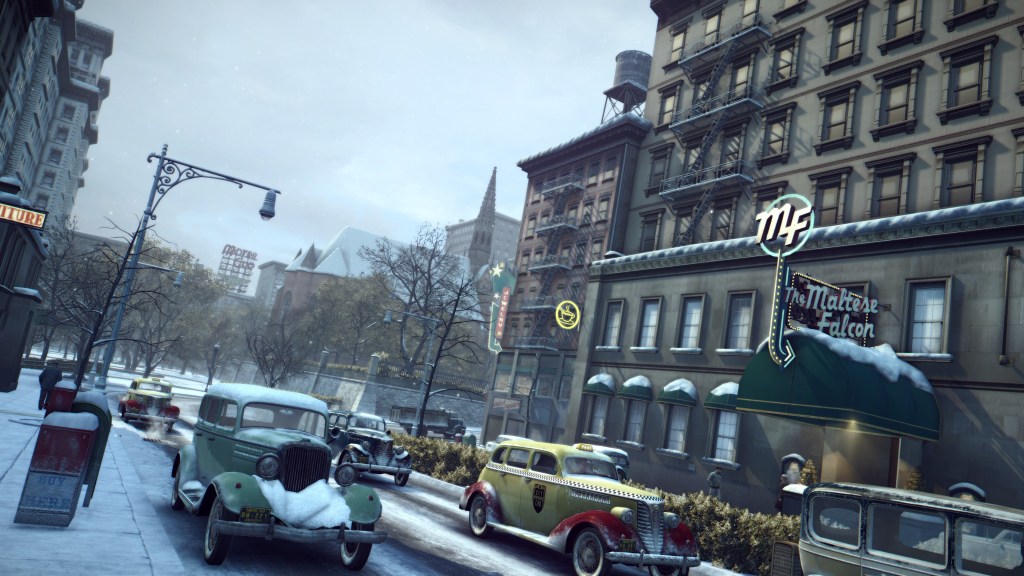
I don’t think I’ve played the original Mafia game since its initial release back on the OG-Xbox and PS2, so playing through Mafia: Definitive Edition has kind of been a real treat for me. The story is what you’d expect from a mafia movie, where your character gets wrapped up in the world of crime by happenstance, but that’s not a bad thing by any stretch. I’ve always felt that the Mafia games were pretty hit-or-miss in terms of quality, but this remake is easily the best version of this classic game.

Castaway

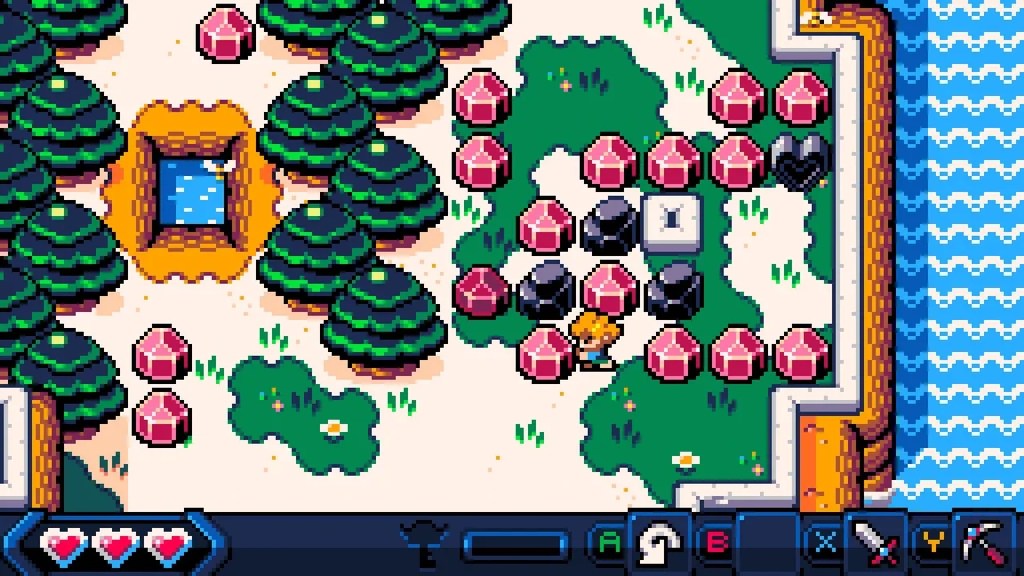
Castaway is a supremely short, top-down action-adventure game reminiscent of the classic Legend of Zelda games. Consisting of 3 micro-dungeons, each with their own bosses and puzzles, Castaway is a fun-sized Zelda adventure that does a pretty decent impression of its inspiration. I beat Castaway in under an hour, but once doing so I did unlock an endless mode that I haven’t touched yet, so there’s clearly more game there than I’ve seen. I think I paid like three dollars or so for Castaway, which feels like a reasonable price for what I got.

Crime Scene Cleaner

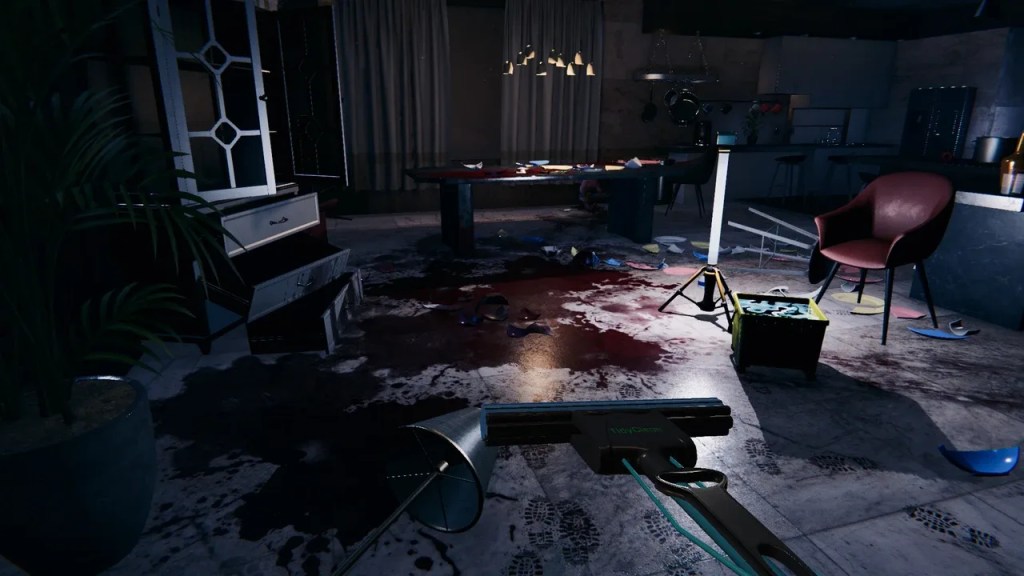
Hell yes, another increasingly niche simulation game has made it into the August Spotlight. Crime Scene Cleaner is, as you may have guessed, a game about cleaning up crime scenes for the mafia or something. I did not pay attention to the story because it could not have mattered less to me.

What did matter was the enjoyment I was getting out of disposing bodies, mopping up blood, and ensuring no evidence of wrongdoing was left behind. If you liked Viscera Cleanup Detail, you’ll enjoy Crime Scene Cleaner. It’s not as tedious as Viscera was, which honestly is a good thing. I inhaled this game at record speed and am more than eager for more levels to be added to the game in the near future.


Watch List

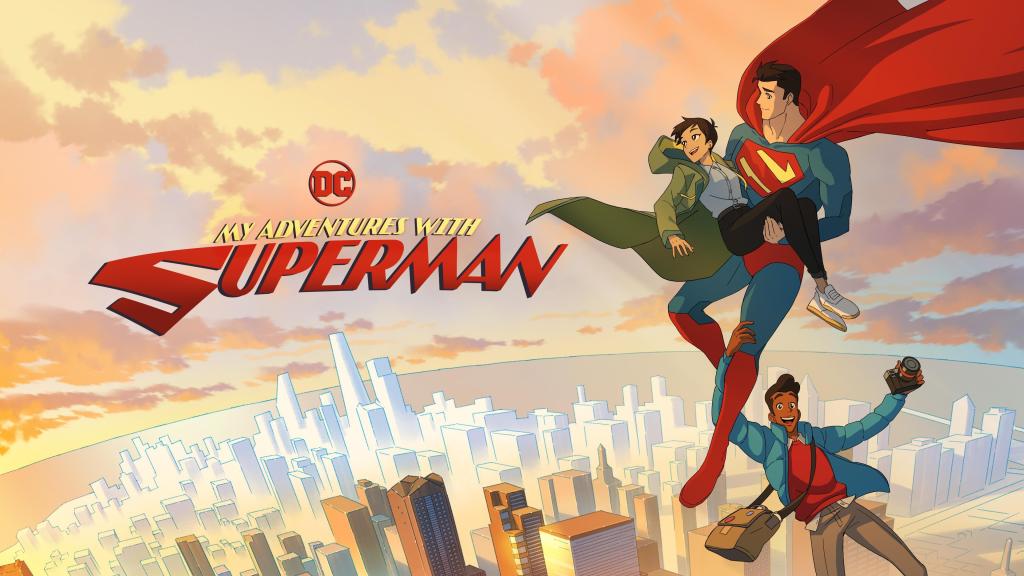
My Adventures with Superman

I’ve never been the biggest Superman fan, but My Adventures with Superman contains probably my favorite depiction of the Man of Steel that I’ve ever seen. It’s also a show whose title I consistently forgot, often times going with My Friend Superman, which is would be a great title for the Totoro, Superman, crossover event we’ve all been waiting for.

What I really like about My Adventures with Superman is that this is a Superman who isn’t invincible or infallible. He’s this kid who is trying to figure his shit out is bolstered by the support of his friends. It’s very anime in that sense. But it’s beautifully animated and has some great story lines for all of the characters. I really can’t praise this show enough.
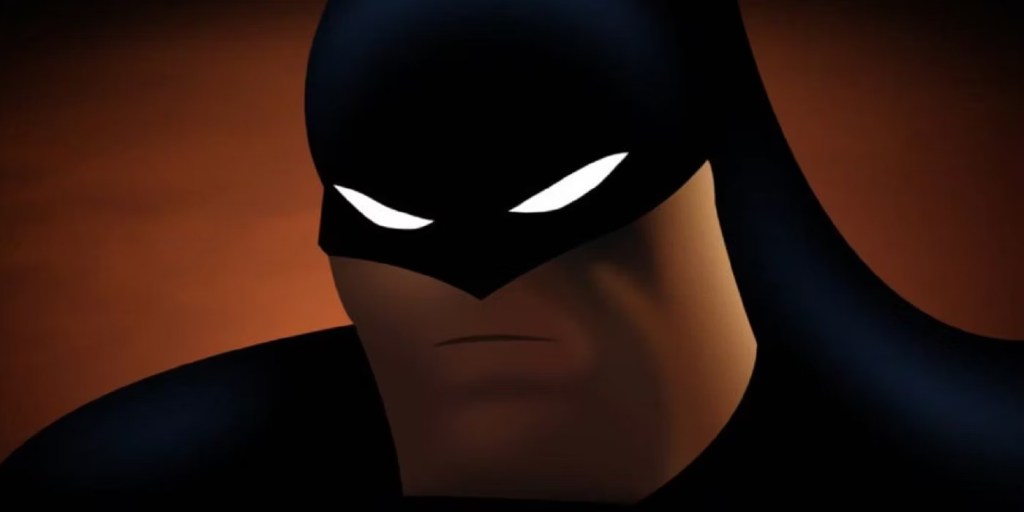
Batman: The Animated Series

After My Pal Superman, I decided to go back in time and revisit a childhood favorite of mine in the form of Batman: The Animated Series. It was nice to see it was all available on HBO Max, but for anyone who feels like watching it, be warned that it is completely out of order and is technically 3 series mushed into one listing.
Despite that, Batman: The Animated Series is still a phenomenal show. That wonderful art style, the great plots, and the iconic and imposing voice of the late Kevin Conroy as Batman, are all things that have elevated this series to its legendary status. After years of different iterations of Batman, going back to this one is great, but it does highlight just how more powerful they’ve made Batman over the years. Seriously, Batman routinely gets his ass kicked by 2 or 3 nameless thugs who for some reason can tussle with the Dark Knight with any efficacy at all. But whatever. I love this show and am happy I returned to it.


Listening Party

Third Atlantic – Crime in Stereo

Sink – Dikembe

Nerve – The Story So Far


News

Indiana Jones And The Great Circle Goes Multiplatform

Gamescom Happened, Here’s Some Highlights

The ESRB Made a 30th Anniversary Music Video For Reasons I’ll Never Understand


Thanks for checking out The Spotlight. We’ll be back at the end of September with another installment. Consider subscribing to The Bonus World so you can get an email updating you whenever we publish something new.

The Spotlight – 06

The Spotlight is a monthly summary that encapsulates some of the more notable media experiences I’ve had over the past thirty days. From insights on games played, to articles worth checking out, and even cool stories from tabletop role-playing games, it all has a place in the Spotlight.

For the month of July, 2024, here’s what I’m shining the spotlight on.


Games

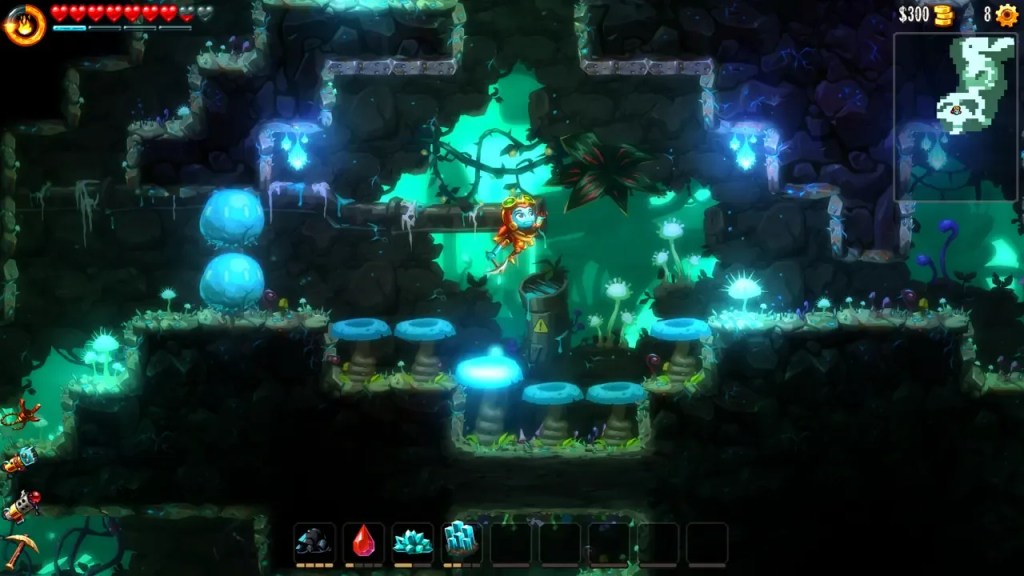
Steamworld Dig 1 & 2

The Steamworld Dig titles are excellent and are representative of exactly the kind of gaming experiences I find myself searching out these days. They’re short, they’re direct, and there’s rarely any ambiguity to where you need to be going or what you need to be doing because the answer is usually, “dig deeper.” In the Steamworld Dig games you’re a little robot armed with a pick-axe that’s staring down an unfathomably deep mine-shaft. You mine downwards, collect gems, slice up enemies, and return to the surface to sell your bounty off and buy upgrades that make future delves just a little bit easier and more efficient.

While they’re technically games about digging downward, they aren’t solely about digging downwards. Whether it’s some blueprint for a new tool or ability you can craft, a puzzle or platforming challenge that rewards you with some upgrade, or even just a collectible from a time before every sentient being was a robot and humans roamed the earth, there’s always something precisely placed on the map to shift your focus to and keep you engaged. I really like these games and wish there were more of them, but I’m happy with what I have regardless.

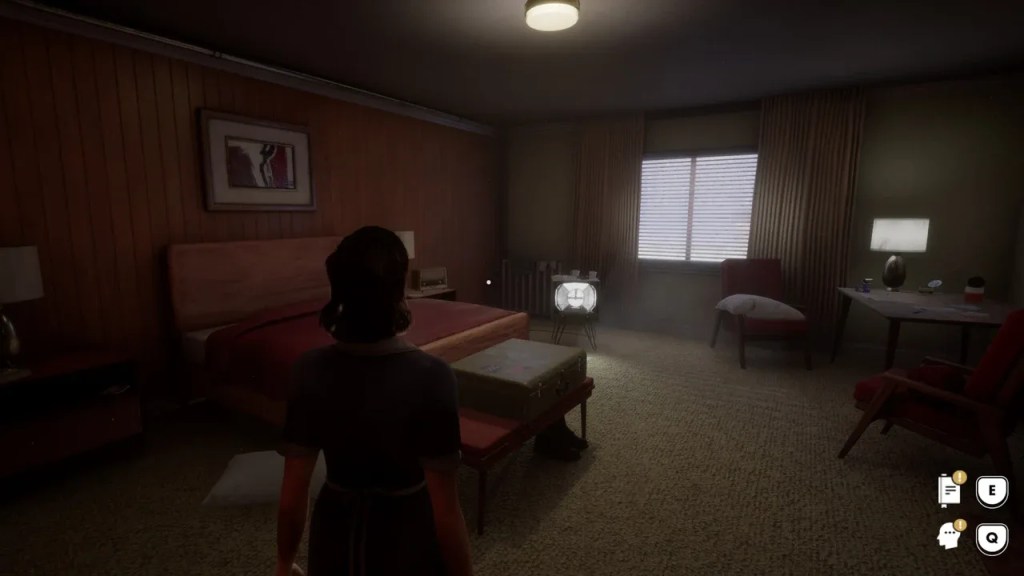
This Bed We Made

It’s the 1950’s and I am a maid at the Clarington Hotel in Canada, and while I am good at my job I cannot help but stick my nose where it doesn’t belong and snoop through everyone’s shit whenever they aren’t around. Normally this isn’t a problem, but while snooping in room I found photographic evidence of me snooping in another room. Somehow that has launched me into a mystery that I, Ari, am not entirely sure how I got swept up in but whatever.

That’s the basic premise of This Bed We Made, a detective-styled mystery game in which I am piecing clues together and making decisions based off of them that influence the outcome of the story. The story itself is pretty decent, even if I did find myself getting a bit lost in character names and motivations from time to time, but that’s probably on me and not the game. The way that This Bed We Made makes good on all of your decisions, even the ones you didn’t know you were making, is pretty impressive. It tries to position itself as a game you need to play more than once to explore all of your choices and whatnot, but once I got to the end and kind of saw that mechanic play out, I more or less got what it was going for.

I very much enjoyed my time with This Bed We Made, but your mileage may vary.

House Flipper 2

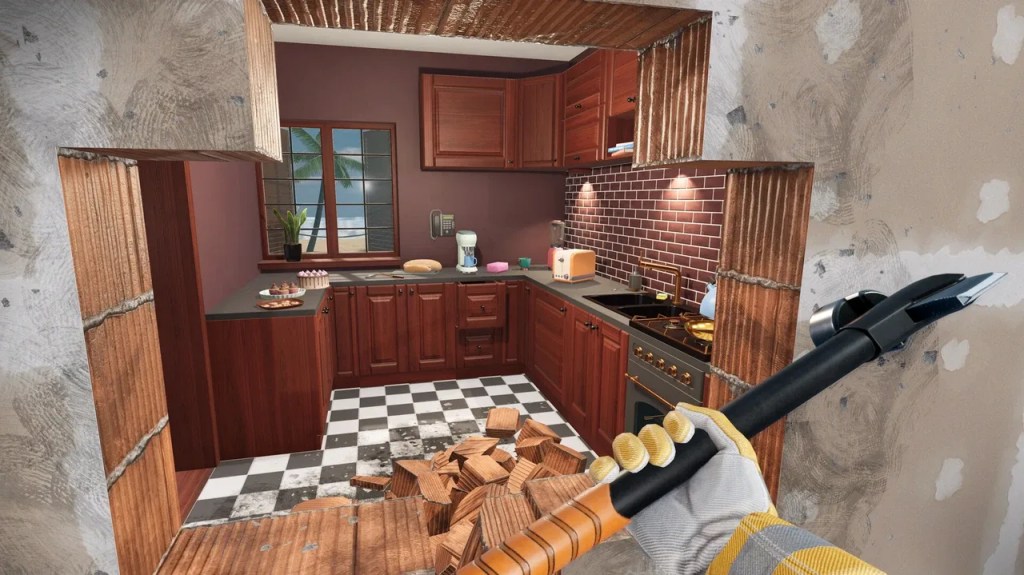
At some point in the house-flipping process, I got sick of actually decorating the homes so much that I’d neglect to even put a dang toilet in the house. But these buyers are not deterred by my awful aesthetic choices or lack thereof because all they really care about is that the trash and dirt are gone from the property. As long as the place is spotless, these chumps will pay thousands over the asking price for an undersized beach bungalow.

That, in a nutshell, has been my House Flipper 2 experience. I absolutely adore this game just as much as I did its predecessor, and am very bummed out that I’ve exhausted all of the content included already. It’s games like this and PowerWash Simulator that sink their hooks into me so deeply that I’m unable to even fathom playing something else until I’ve blitzed through every bit of content included. I love this game, and in a way, I’m kind of glad I’m free from its thrall.

Dungeons of Hinterberg

Dungeons of Hinterberg is a game that I really enjoyed playing despite some of its obvious shortcomings, and probably would have enjoyed even more had it narrowed its focus just a bit. The game is broken up into three main pillars: the monster slaying action game part, the puzzle-solving adventure game part, and the third bit where you’re choosing how to spend your downtime and which villagers you want to engage with. That third one is important because it determines what upgrades and unlocks you have access to.

It all works together really well, but when you examine each element individually you notice how underdeveloped they are. The combat is janky and repetitive, and the social stuff is hit-or-miss depending on which characters you engage with. The puzzle solving was my favorite part, but even that wasn’t as deep or challenging as I would have liked.

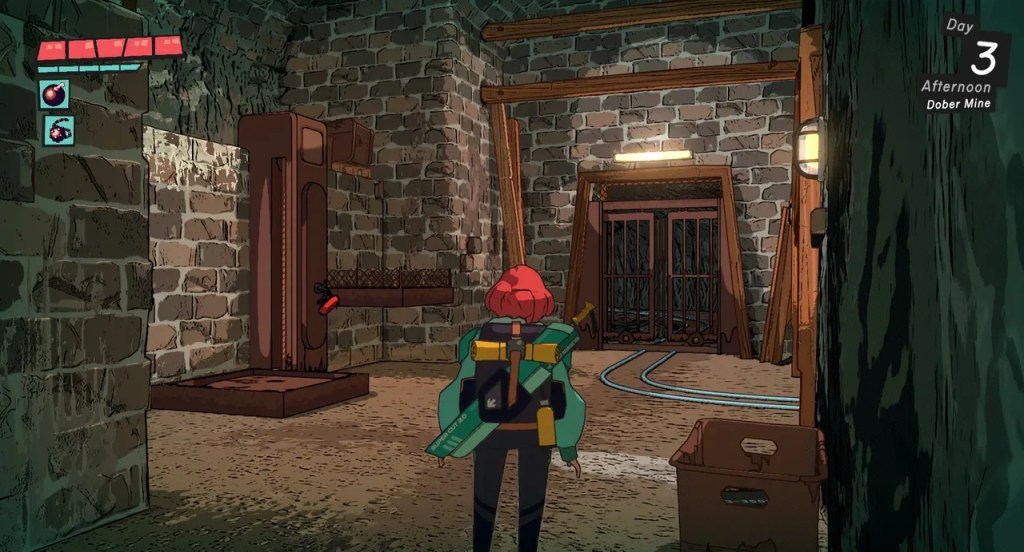
The game is broken up into four main mission hubs that have entrances to higher level dungeons scattered about. In each of these mission hubs, you have access to two special powers that serve as your main puzzle solving mechanics for all the dungeons on that particular map. For instance, the first powers you get access to are the ability to throw a large steel ball on a chain and retract it, and also summon a massive bomb in front of you. The second world has two different powers, as well as the third and so on and so forth.

Honestly, if Dungeons of Hinterberg was solely a puzzle and social game, and those elements were really fleshed out, I think this would have been a much better game. As is, the combat feels like padding despite monster hunting and dungeon delving being the whole crux of the story. Despite all of that though, Dungeons of Hinterberg is still one of my favorite games I’ve played this year.


Watch List

Monk

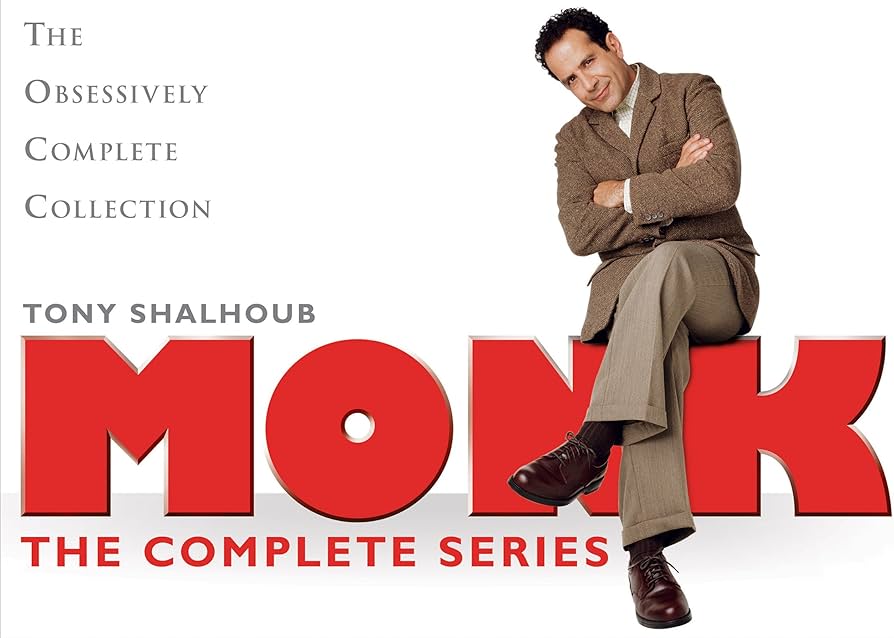
My partner is a big fan of certain crime procedurals and tends to gravitate towards them when the time comes to pick out a new show for us to watch. Shows like Psych and now Monk make their preferences a lot more tolerable because they’re infinitely less self-serious than others in the genre. It might be a little bit tougher to tolerate these days considering most of what I’ve seen of Monk so far is just people yelling at a man because of his “weird” mental illnesses. But beyond that there’s a genuinely fun show that’s very entertaining if you don’t look at it too closely.


Listening Party

Sodas in the Freezer – Flycatcher

tarot cards – saturdays at your place

Top Notch (Live) – Manchester Orchestra


News

Game Pass Hikes Prices Again

FTC Criticizes Game Pass Price Hike

Cities: Skylines 2 Indefinitely Delayed on Console


Thanks for checking out The Spotlight. We’ll be back at the end of August with another installment. Consider subscribing to The Bonus World so you can get an email updating you whenever we publish something new.

The Spotlight – 05

The Spotlight is a monthly summary that encapsulates some of the more notable media experiences I’ve had over the past thirty days. From insights on games played, to articles worth checking out, and even cool stories from tabletop role-playing games, it all has a place in the Spotlight.

For the month of June, 2024, here’s what I’m shining the spotlight on.


Games

Tiny Terry’s Turbo Trip

Tiny Terry’s Turbo Trip is a weird little game where you step into the sandals of the titular Terry who simply wants to drive a car into space. This is an extremely weird game with humor that you’ll either love or hate, and if the premise of driving a car into space doesn’t do anything for you, then Tiny Terry’s Turbo Trip isn’t for you. But if you’re still onboard then you’ll find a delightfully charming little game that’s chock-full of weird characters, ridiculous mini-games, and goofy quests that all result in getting the very valuable upgrade currency that Terry needs to get his car into space.

Rolling Hills: Make Sushi, Make Friends

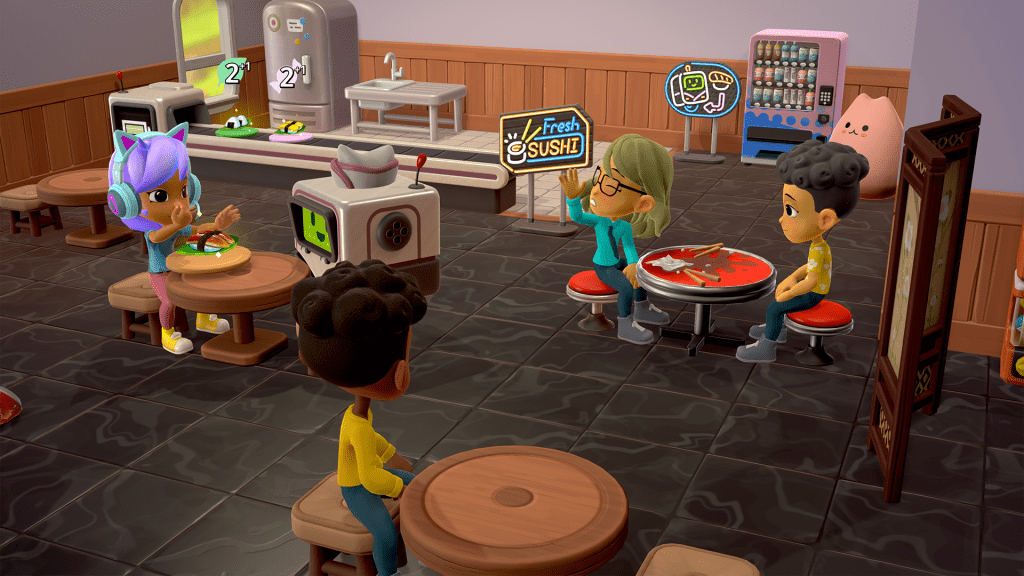
While the name, Rolling Hills: Make Sushi, Make Friends is an accurate description of the product, it’s a mouthful of a title that clumsily trips off the tongue. Regardless, in Rolling Hills you play as a little robot that runs a sushi shop in a comically small town. During the day you’ll roam around town and help the inhabitants of the town while also taking time to buy ingredients and furniture to upgrade your recipes and restaurant respectively. At night, you’ll activate your sushi machine and rush different plates of sushi to different tables depending on what each customer wants. In practice it’s just you bringing a pink plate to a person with a pink icon, a green to the person with a green icon, and so on and so forth. It’s very simplistic, isn’t very challenging, and is kind of a slog, but the loop was solid enough that I played the whole thing anyway, so there’s that.

Deliver Us Mars

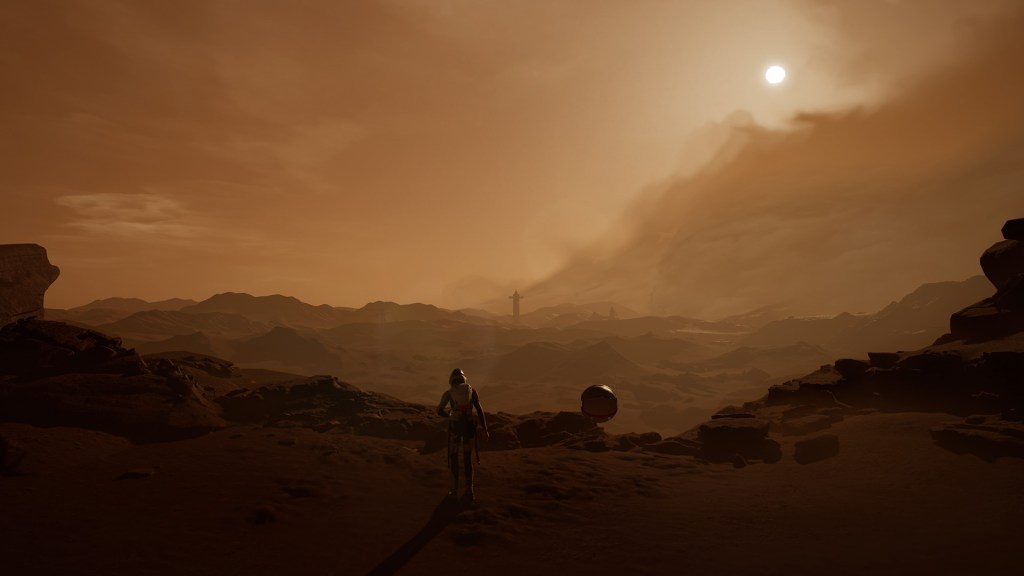
Deliver Us Mars is an adventure game that tells a familiar story of humanity mucking up the Earth so bad that instead of fixing their problems they’d rather go get a fresh start on the ever-so-welcoming planet Mars. There’s more to it than that, but effectively the world government constructed three massive colony space ships called Arks that would transport folks to Mars and become hubs for colonizing the red planet.

In the story, your dad is this incredible scientist who more or less can save Earth with his impressive brain, but lost faith in the world governments and their ability to actually get something done. So depleted is his faith in humanity that he tried to smuggle you (his youngest daughter Kathy) onto one of the Arks and bail on Earth all together, but only he manages to make it onto the Ark. Years later, the government is running one last mission to recover the Arks, which happens to be headed up by Kathy’s sister, Claire, because there’s a chance the Arks could help save the environment of Earth.

What follows next is the story of the crew’s approach to Mars, exploration of the Arks, and the uncovering of the fate of the colonists who managed to escape Earth. While the story itself isn’t breaking new ground, it’s so wonderfully written and performed that I was captivated throughout my 8 hours of playtime.

The problem with Deliver Us Mars is that it isn’t a very good game. From mechanical issues like finicky controls, texture pop-in, and choppy frame rates, to core issues with its design like uninspired puzzles and bad graphics, Deliver Us Mars is kind of a slog to play and look at. Character models and animations are absolutely terrible, with several characters having hair and beards that clip through their skulls and hover off their scalps. It’s so unfortunately janky from top to bottom, which should really exemplify just how good the acting and writing are that I still marathoned the game. It’s just a shame that the graphical fidelity of this game actively undermines its brilliant acting performances.

Deliver Us Mars isn’t a good game, but it manages to tell an exceptionally engaging and effective story that is buoyed by the strength of its actors. I sincerely hope its upcoming sequel, Deliver Us Home sands down a lot of the rough edges because there’s something special about this series that could really flourish with some extra polish.

Beyond Good & Evil – 20th Anniversary Edition

Beyond Good & Evil – 20th Anniversary Edition is a fine remaster of a very good game that doesn’t deserve the notoriety that’s been foisted upon it, due exclusively to the unknown status of its eventual sequel. It’s also a misnomer because the original game launched in 2003, so this would technically be the 21st anniversary, but I won’t kibbutz about it.

For the uninitiated, Beyond Good & Evil – 20th Anniversary Edition is a very good game that follows in the footsteps of games like The Legend of Zelda: Ocarina of Time and Majora’s Mask. It’s a third-person adventure game that sees you trekking around the world and completing various dungeons all in service of a plot that weirdly revolves around a government launching false-flag attacks on its people to tighten their control over the populous. Armed with a bow-staff and a camera, you’re out there bonking enemies to death, taking incriminating photos, and doing a weirdly high amount of sneaking around.

It’s a fun game that despite being remastered didn’t age super well. The combat is bad and the camera is miserable, retaining all the charm I remember from 3D adventure and platform games of the era. Beyond Good & Evil – 20th Anniversary Edition is probably less of a celebration of this very good game of yesteryear, and more of a way to gauge continued interest for Beyond Good & Evil 2, and if it’s worth continuing developing. That’s complete speculation obviously, but that’s my theory nonetheless. Regardless, Beyond Good & Evil – 20th Anniversary Edition is fairly priced at twenty bucks and a good way to play this classic game.


Watch List

The Spectacular Failure of the Star Wars Hotel

This one required several viewing sessions, but getting such a detailed, first-hand account of a Disney World blunder is something I will always make time for. The blunder in question is the ill-fated Star Wars Galactic Starcruiser themed hotel, a promising concept with terrible, terrible execution. I had never heard of Jenny Nicholson up until this point, but if all of her content is as well-prepared, structured, and engaging as this video was, then I’ve got a lot in the queue.

Adventure Time

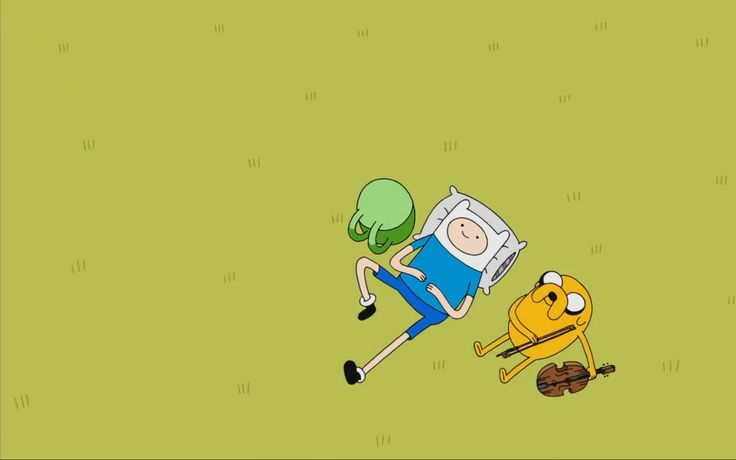
I had always heard people herald Adventure Time as an incredibly well-made and emotionally resonate show, but never really understood what they meant considering the first few seasons mostly adhere to fantastical fart jokes and rarely anything else. That’s not a bad thing on its face, but it was diametrically opposed to what I had heard about the show for so many years. Ready to uncover the truth for ourselves, my partner and I took the plunge and marathoned all 10 seasons of the show.

Ultimately, both views of Adventure Time are valid. The first few seasons occasionally peppered in impactful and lore-heavy episodes, but they were few and far between. It wasn’t until the end of the series that we’d get these multi-part episodes that expanded on the lore or just revealed an uncomfortable truth about the world. Eventually Adventure Time evolved into a show that we were so emotionally invested in. I really appreciated the stories it told and characters it developed while never sacrificing its sense of humor or whimsy. It’s a long series, but I’d gladly watch it all again.


Listening Party

Old Wives Tale – Young English

Arizona – Carter Vail

Call From You – Anxious


The Rest

The Best of the Summer Game Fest

Summer Game Fest was easily the biggest thing that happened this month, so I went ahead and wrote up a little list of some of the stuff that seemed interesting to me.


News

Since most of the news from this month comes from the Summer Game Fest, these headlines are very specifically not related to that event.

“It’s not our fault AI searches are bad, it’s your fault actually.”

AI Implementation Usually Sucks, but G-Assist Could be Interesting

Ikea is Hiring Employees for its Roblox Store


Thanks for checking out The Spotlight. We’ll be back at the end of July with another installment. Consider subscribing to The Bonus World so you can get an email updating you whenever we publish something new.

The Best of the Summer Game Fest

It may look like E3, it may sound like E3, and it might be following the exact same path as E3, but the Summer Game Fest is definitely not E3 — yet. Regardless of how I feel about the industry and how it treats its employees and consumers alike, I am still very excited for the products it produces.

Without further preamble, here’s a big unordered list of the things I saw that looked cool. Keep in mind that I didn’t manage to watch all of the shows and see all of the announcements, so there are certainly things that could be on this list but just aren’t.


UFO 50

The story of UFO 50 is that the games were all created in the 80’s by a fictional company that was obscure but ahead of its time.” That’s the official pitch for UFO 50 and it sounds absolutely amazing. While it may have barely missed its initial launch window of 2018, I’m absolutely thrilled to see a sign of life from this game, let alone a release date for September 18th of this year.

Star Wars Outlaws

There are a lot of valid criticisms you could levy at Ubisoft, particularly in how formulaic their open-world games seem to be. But even so, I’m genuinely excited to get my hands on Star Wars Outlaws and engage with its inevitable open-world bloat, dressed up in a Star Wars costume. The vibe of Star Wars is strong in this gameplay demo, but whether the story and gameplay manage to land the metaphorical ship is something I’ll have to find out when it releases on August 30th, this year.

Power Rangers: Rita’s Rewind

Releasing later this year, Mighty Morphin Power Rangers: Rita’s Rewind looks absolutely phenomenal. Admittedly, I haven’t been a Power Rangers fan since I was a wee-lad, but everything about this trailer is igniting nostalgic synapses that had been laying dormant for over 30 years. I’m a sucker for a good beat-em-up and Rita’s Rewind seems to be going above and beyond genre expectations with some cool mode-7 inspired gameplay twists.

Cairn

Cairn might be the first game to ever have a mountain kick your ass, but it certainly looks like one of the toughest. Knowing nothing about mountain climbing aside from it’s done by people with an allergic reaction to safety, I can confidently say that Cairn looks to be a realistic depiction of both the act of climbing and the emotional toll it can take. The resource management aspect of the game is giving me some pause, but I’m still very interested in playing Cairn, regardless.

Wanderstop

Wanderstop looks very cool for what it is, but I’m left wondering how you make a game out it. Sure, you’ve got the tea house management angle that’s obviously there to lull you into a false sense of routine, but once the self-doubt starts kicking in, what does the game actually look like? I’m suspecting there might be a massive genre twist in this one, but I could be wrong. Either way, I’m excited to check it out whenever it releases.

Unknown 9: Awakening

It’s been a while since a game reminded me of Psi-Ops: The Mindgate Conspiracy, a ridiculously fun game with a hilariously stupid name, but here’ comes’s a new stupidly named game that might scratch that itch — it’s Unknown 9: Awakening! Dumb names aside, this game looks pretty cool. The main mechanic seems to be about possessing enemies and having them take each other out, which is always my preferred “stealth” option when playing games, so a whole game about that has to be good, right? It comes out this year, so I’ll find out more then.

Eternal Strands

Someone described Eternal Strands to me as Shadow of the Colossus and Breath of the Wild smashed into one game. While that’s a super lofty claim to make, should Eternal Strands even be marginally as good as either of those games, it’ll be an overwhelming success to me. I’m skeptical, but I really do want this to be good.

In Sink

I don’t know why I put games like In Sink on any sort of list, whether it be article or wish, because I never have anyone to play the dang things with. But I’m imagining a world where I do have a good co-op partner, and we are both loving this game and its asymmetrical puzzle solving. Also in this imagined world I have huge muscles and like, a million dollars. There’s a demo out now, but a full release is expected later this year.

Skate

I just want to play a new Skate game already. Imitators like Session and Skater XL tried to fill the void in its absence, but fumbled the execution so hard with their overly complicated control schemes. While I’m genuinely terrified of the EA-controlled free-to-play model this entry is adopting, I know it was probably the only way a new Skate game would get green-lit. Regardless, I want to play this very badly, and I can’t believe there still isn’t a release window.

South of Midnight

If nothing else, South of Midnight looks very cool. Aside from aesthetic appeal, I truly have no idea how this one is going to shake out, but I’m more than willing to give it a spin when it launches on Game Pass.

Perfect Dark

I really hope this trailer isn’t all smoke and mirrors because the new Perfect Dark looks absolutely incredible. An immersive-sim with all the Perfect Dark gadgets and future tech seems like a perfect pair, but I’ll reserve my boundless praise for whenever I actually do get to play it.

Mixtape

I have no idea how Mixtape will play or what it’ll be about, but it’s trailer is giving off all the right vibes. I think I might be a few years removed from the prime demographic for this game, but I’m still going to play it anyway because it looks cool and has a pretty dope soundtrack.

Indiana Jones and the Great Circle

From Uncharted to Tomb Raider, games have been chomping Indiana Jones’s flavor for years to mostly positive results. So maybe it’s finally time for the progenitor of archaeologic adventures to come out with a game that’ll live up to and make good on the mystique of Indiana Jones. I really hope that Indiana Jones and the Great Circle is good, because this trailer looks like a lot of fun. And if nothing else, at least I’ll get to punch a Nazi in the face.

Fable

Please be good.

Dragon Age: The Veilguard

Okay, so this particular trailer isn’t particularly good, but the gameplay demo that came out a day later was much better. I don’t have any love for the Dragon Age series, but I’m willing to take the plunge with The Veilguard after pouring a full week’s worth of time in Baldur’s Gate 3. Maybe I’m an RPG guy now. Or maybe I’m excited because this game looks like it’ll cater more to my action-oriented gameplay sensibilities way more than its predecessors did. Either way, I want to try this video game.


The Spotlight – 04

The Spotlight is a monthly summary that encapsulates some of the more notable media experiences I’ve had over the past thirty days. From insights on games played, to articles worth checking out, and even cool stories from tabletop role-playing games, it all has a place in the Spotlight.

For the month of May, 2024, here’s what I’m shining the spotlight on.


Games

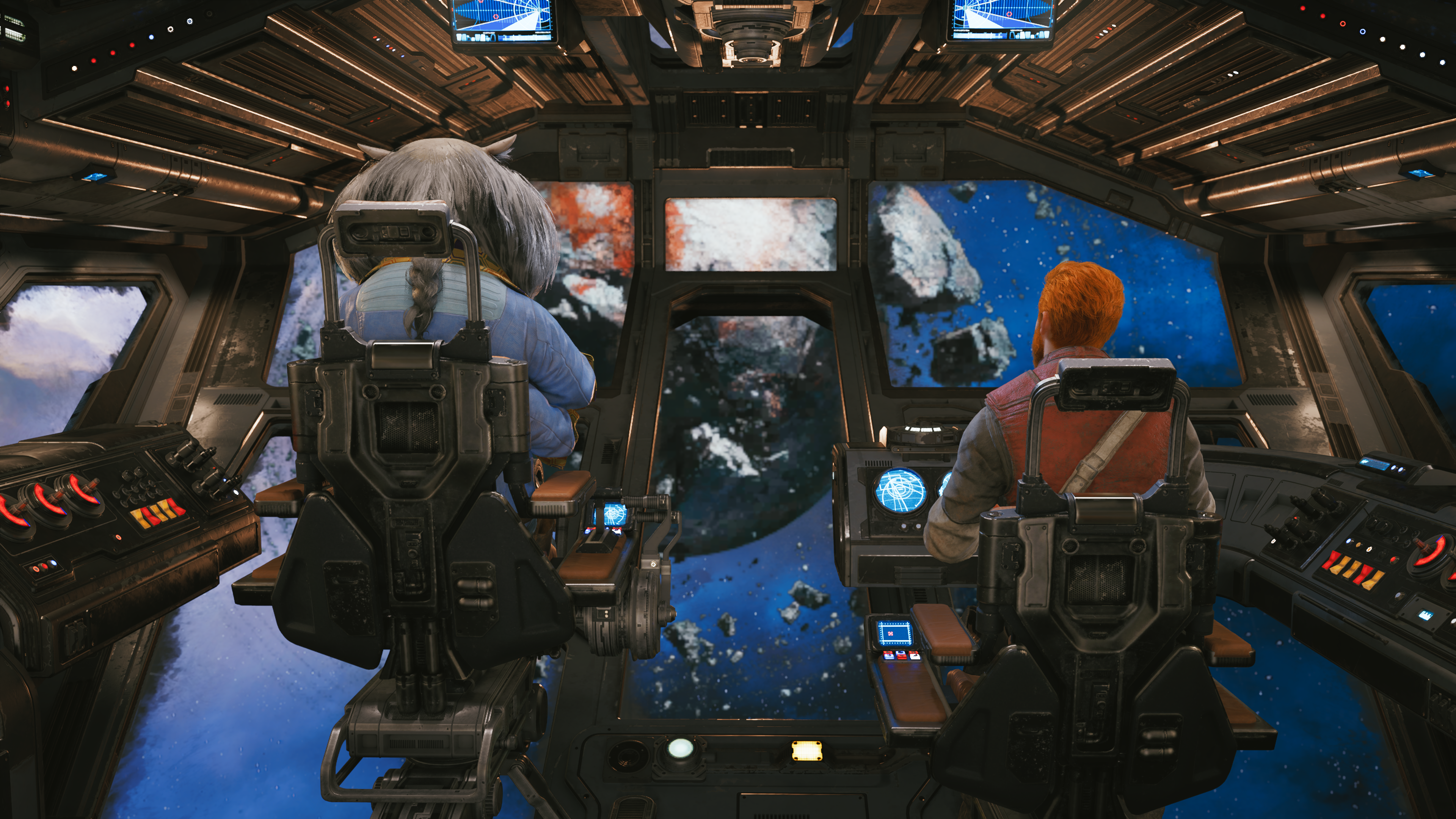
Star Wars Jedi: Survivor

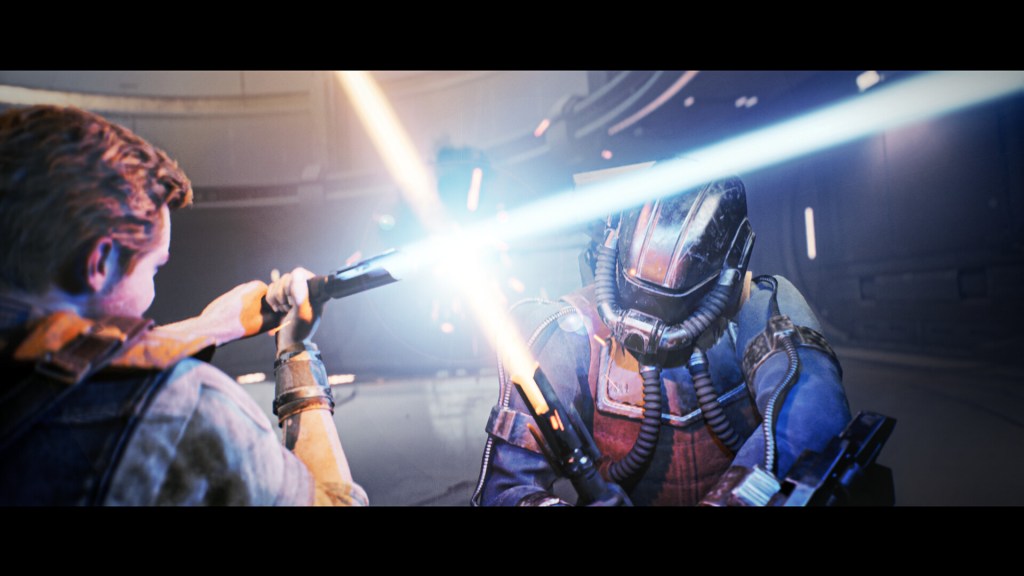
Star Wars Jedi: Survivor successfully builds upon the excellent narrative and solid mechanics put forward by its predecessor, Star Wars Jedi: Fallen Order in every way, save for its technical performance. That poor performance is such an overwhelmingly negative force in this game, that it nearly stopped me from continuing on several times. But I stuck with it and saw it through to the end, and for my troubles I was rewarded with a pretty great Star Wars story, that while predictable at times, still managed to surprise me.

I don’t have too much to say about Star Wars Jedi: Survivor without delving into spoilers, but I will say that this sequel plays far more into the power fantasy of being a Jedi than its predecessor did. If Fallen Order was about the protagonist learning how to be a Jedi and coming into their powers, Survivor is about them not letting that power consume them.

I just wish that Star Wars Jedi: Survivor wasn’t so buggy — both in terms of performance and in terms of that one terrible spider enemy that camouflages itself before pouncing at you. I hate that thing.

Animal Well

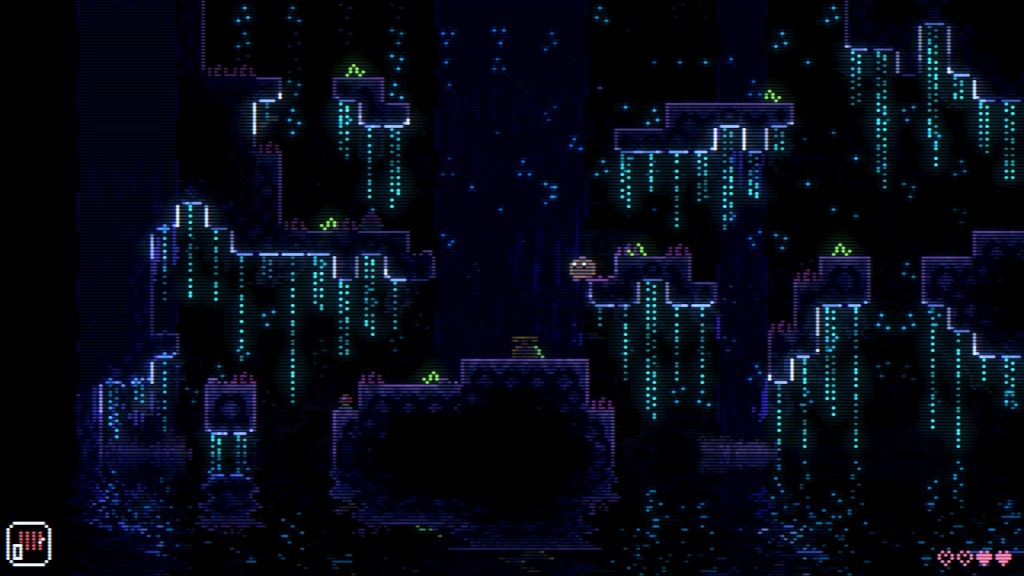
I wrote a whole thing about Animal Well, so I encourage you to read my expanded thoughts on it there. The short version, however, is that I was unimpressed by Animal Well early on, but it slowly revealed itself to be one of the most intriguing games I’ve ever played, even if it left me with infinitely more questions than answers.

Little Kitty, Big City

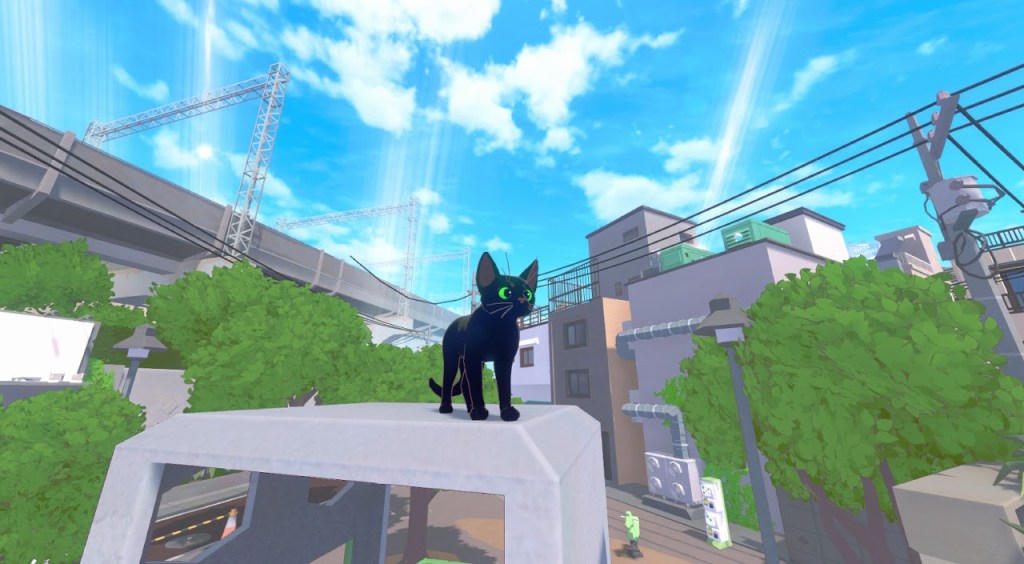
Little Kitty, Big City is a rare games that’s nice and relaxing while also offering just enough mechanical density to keep you hooked with engaging gameplay. Despite some rough edges, Little Kitty, Big City is a delightful game that fans of platformers and animal hijinks shouldn’t miss out on.

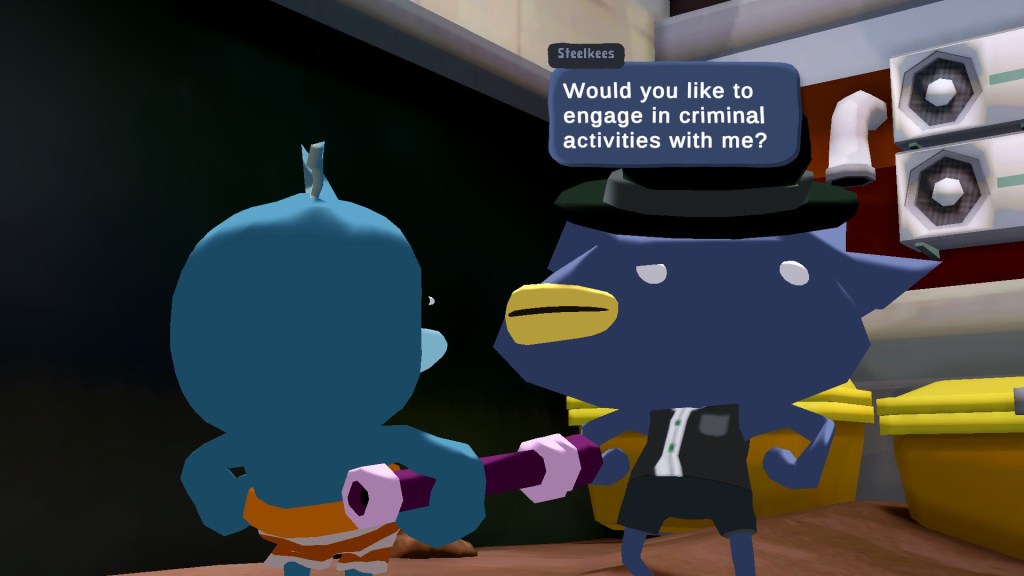
You play as the titular “little kitty,” and you need to get back to your home which just so happens to be in a high-rise apartment building. To accomplish that, you’ll have to help a whole cast of animal characters out with their problems, from a forgetful duck that keeps misplacing their ducklings, to an enterprising tanuki with a penchant for crafting wacky inventions, one of which being your ability to fast-travel.

Little Kitty, Big City is platformer (catformer?) at its core, requiring you to poke in every nook and cranny you can find, pick up every collectible or shiny object you can see, and simply interact with everything that you can. While it’s a lot of fun and incredible low-stakes, the platforming mechanics don’t work especially well when you’re trying to navigate tight spaces. Leaping up staggered air conditioners to reach the top of a building is good idea in theory, but much like a cat the camera tends to do its own thing and complicates the issue.

None of my nitpicks are strong enough to dampen my positivity for Little Kitty, Big City, however. I think it’s a fantastic little game that scratches my itches for both a low-stakes cozy game, and a platformer with lots of bits and bobs to snatch up. It’s a lot of fun and is oozing with charm, and I think it’s well worth your time.

Hellblade: Senua’s Sacrifice

I’m a few years late to the party, but I finally got around to playing Hellblade: Senua’s Sacrifice just in time for its long-awaited sequel to finally drop. But based on my short time with this entry, I don’t think I’ll ever finish this game, let alone play its sequel.

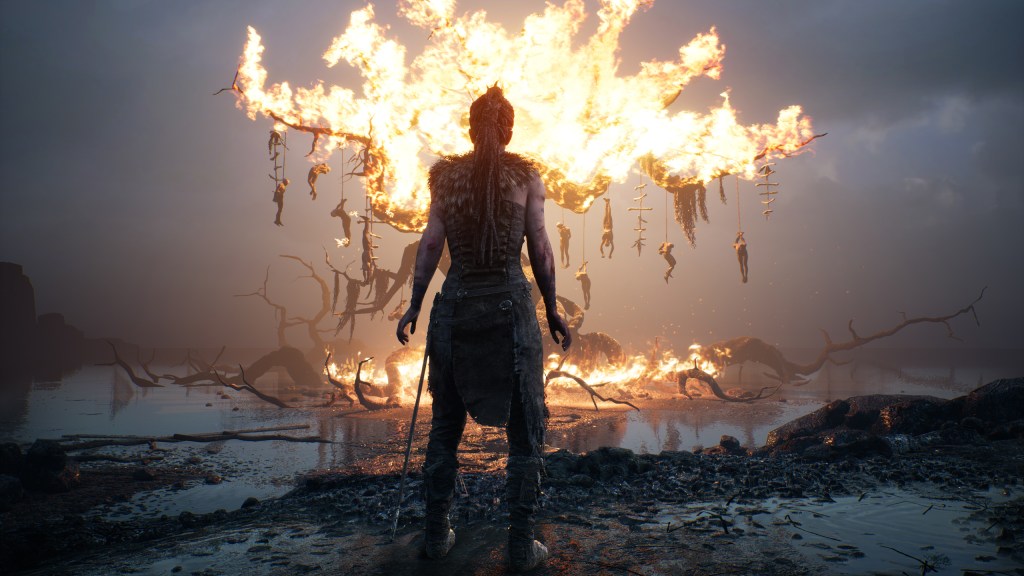
Hellblade: Senua’s Sacrifice is a third-person action game that’s absolutely beautiful to behold, but doesn’t offer much more beyond its aesthetic beauty. I found it to be extremely boring, which is a pretty damming thing to say about a game with a six hour runtime. I’ve often heard that the story of Hellblade was the real star of the show, but I didn’t find it engaging enough to outweigh the issues I had with it.

Chief among those issues was that every mechanic and creative decision felt half-baked, often resembling a first draft of something more engaging. The enemies you fight are just as uninspired as the moves that Senua could pull off, making combat feel very receptive from the earliest parts of the game.

I could handle simple combat were it not for the constant recycling of puzzles, though. All you’re ever tasked outside of combat are basic perspective puzzles that require you to seek the shape of a glyph out among the environment, just like something you’d see in the early stages of The Witness. You do that a couple of times between fights with some bad guys, then a boss shows up, and that’s it.

I guess people must have really jived with Hellblade: Senua’s Sacrifice‘s story or something, because I do not understand why this game is so beloved. It’s boring and repetitive, and my understanding is that the sequel is just more of that. It’s an absolute stunner with its visuals, but I found it to be thoroughly non-engaging.

Deadpool

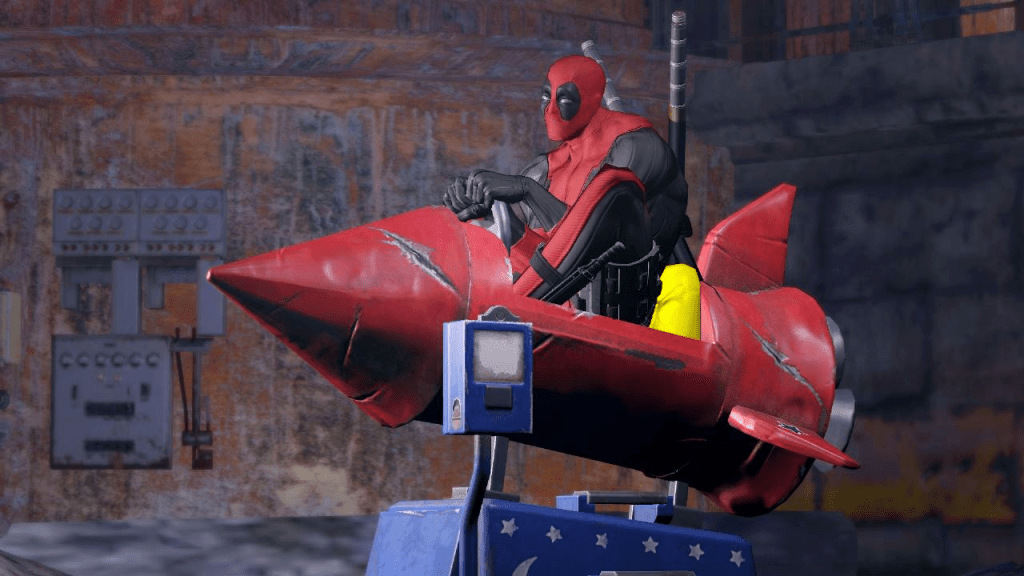
Talk about a time capsule. Deadpool is a game that initially came out on the Xbox 360, and boy is it a product of its time. The humor is dated, but I bet some comic fan out there is all about having words like “shitballs” and “chimichangas” yelled at them and considers it, “very character appropriate.”

Humor and story aside, however, it’s just not an exceptionally fun game to play in 2024. It’s dated in every conceivable way, and honestly, doesn’t deserve to be judged by modern standards. Even so, I’m glad I was able to rent a copy of this from my local library, which is a whole other discussion for later in this Spotlight, rather than track down a copy on my own.

Chants of Sennaar

Like Animal Well before it, Chants of Sennaar is the hot and new puzzle obsession in my household. It has been the catalyst for several discussions about the intent behind the written languages of the many fictional cultures in the game, and has truly been one of the best bonding activities we’ve partook in.

But what is Chants of Sennaar? Chants of Sennaar is a puzzle game that sees your character traversing a massive city-sized tower that’s comprised of different cultures with different values, priorities, and most importantly, different languages. Ascending to the top of the city requires you to pass through the various levels, where you’ll need to learn the languages within in order to find any success.

I won’t say too much more because I plan on writing up a piece for Chants of Sennaar in the coming weeks, but simply put, I really love this game. It has its faults that make certain sections a bit more laborious than you’d like, but overall it’s a massive hit in our home, and would have easily cracked last year’s Game of the Year list.


Watch List

Manifest

I can’t remember the last time I watched something out of spite before Manifest. I only bring this show up because of how much time we spent watching the entirety of this piece of garbage, but I urge you to not watch any of it. Or do what you want, it’s your life.

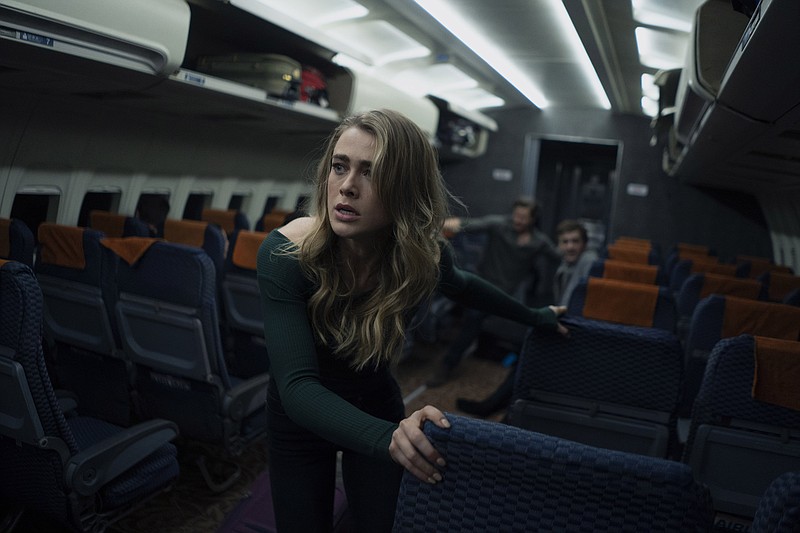
The cool elevator pitch for this show is that a plane in 2013 took off from Jamaica and was bound for New York. The plane hit some wild turbulence and once cleared, was diverted to land elsewhere in upstate New York, where it’s revealed that it’s now 2018. The plane vanished and resurfaced 5 years later, and now its passengers are trying to rebuild their lives and understand the voices they all now have in their heads.

Sounds pretty cool, right? Three or four episodes in, however, it sure felt like the elevator pitch was all the show runners had conceived and were figuring it out as they went. Things go so far off the rails in its unnecessarily convoluted story, with plot points introduced and immediately forgotten about at a staggering pace. All of that is made even more obvious in the presence of some world class over acting. Netflix categorizes this one as a soap opera, and that description could not be more accurate.

If you’re like me and enjoy making fun of bad television to soften the blow of having to suffer through it, you’re going to fucking adore Manifest. But if you actually wanted to see if this cool elevator pitch lands the plane (pun very intended), I’ll save you the time: it doesn’t.

The Hairy History Of 6 Forgotten Planet Of The Apes Games

When I saw this video pop up on my feed, it struck me that I could not name one Planet of the Apes game. Finding out that there were at least six of them was very surprising. After watching this video, however, I understand why I’ve never heard of them.

X-Men ’97

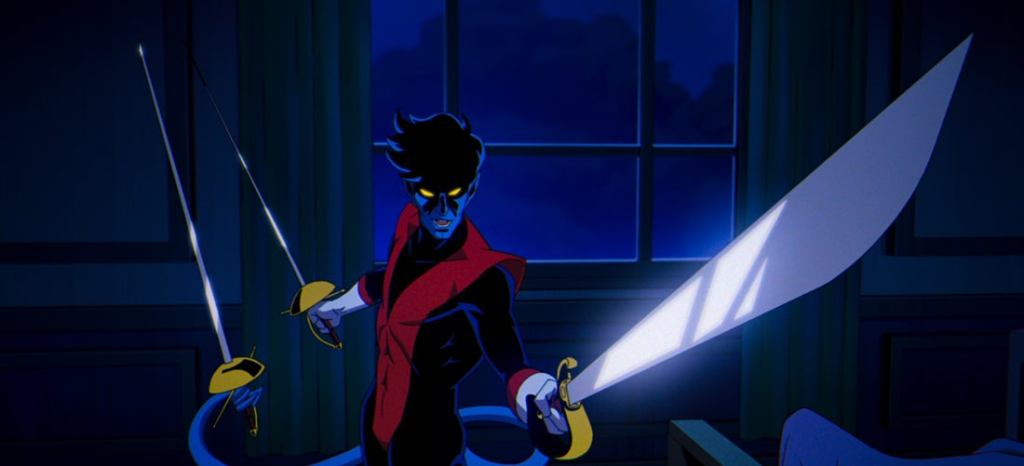
I don’t think that I’ve enjoyed any piece of X-Men media as much as I did the first season of X-Men ’97. Aside from reminding me that I need to go back and complete the original series, X-Men ’97 kept me gripped from start to finish, thanks to its stellar story lines and gorgeous animation.

If I were to nitpick (and I will), I’d say that the story gets a bit bogged down mid-season, and some of the voice acting is downright bad in places, both in terms of performance and in audio quality. But these are minor gripes that don’t overshadow of the overwhelming excellence of the series. Not having watched the original series beforehand, I did feel a bit out-of-the-loop at times, but it was pretty easy to figure out what was happening as long as you have a base understanding of the core conflict behind the X-Men and mutants alike.

If you like the X-Men, you should watch this show. If you aren’t a huge fan of the X-Men, you should still watch this show, because it might be the thing that wins you over. I’ve never been a huge fan of the X-Men, but I absolutely loved X-Men ’97 despite that fact, and I think you will too.


Listening Party

It Never Stops – Bad Books

Even Rats – The Slip

Known By None – Medium Build


The Rest

The Master of Disaster – Big Hits

The Master of Disaster returns at last to discuss beating the living shit out of my player’s characters, and how doing so made for some of the most engaging D&D content we’ve had in a while. This article also goes into the narrative and mechanical considerations around combat scenarios, which sounds obvious, but is something I’ve struggled with in the past.

The Incredible Enigma of Animal Well

My partner and I fell in love with Animal Well and its many, many secrets. We also discovered that puzzle games are a very serious, very satisfying, and sometimes very contentious genre of game in this house.


News

Microsoft Shutters More Studios

I love video games as a product and absolutely hate the industry that creates them, because they pull shit like what Microsoft just pulled, all the time. It’s even more brutal when you consider that developers are often exploited due to their love of the product they’re working on, meaning that they’re likely more willing to accept less pay just to work on stuff they enjoy.

Couple that with cold hard capitalism, and you get instances like this where Microsoft shuts down several studios at once, and hundreds of people are just out on their asses in an industry that’s somehow so profitable, but so volatile. This is bullshit as is, but it’s even worse when you see that Microsoft praised HiFi Rush for being a “break out hit,” but closed the studio anyway.

It’s moves like this that should make anyone considering doing business with Xbox hesitate. If I was running an indie studio that Xbox wanted to absorb, I’d be a lot more wary of that offer after seeing that making good games aren’t enough to save you from being shut down.

There’s a lot I could say about this whole mess beyond what I already have, but just know that it’s all garbage and I hate it.

IGN Consumes More Outlets

The Imagine Games Network has gobbled up some international outlets, such as Gamesindustry.biz and Eurogamer, along with the rest of the Gamer network. I suspect that IGN’s international stuff just isn’t as popular outside of the US, which explains why you buy these big international organizations.

I doubt that fans of those publications will see any real difference in content strategies or whatever, but anything could happen. I included this news story mostly because I think it’s important to take note when news outlets start to consolidate. Sure, the stakes are way lower in the games industry, but you never know, a directive from high up could result in all outlets publicly praising Mario Party, and we just can’t have that.


Thanks for checking out The Spotlight. We’ll be back at the end of June with another installment. Consider subscribing to The Bonus World so you can get an email updating you whenever we publish something new.

The Incredible Enigma of Animal Well

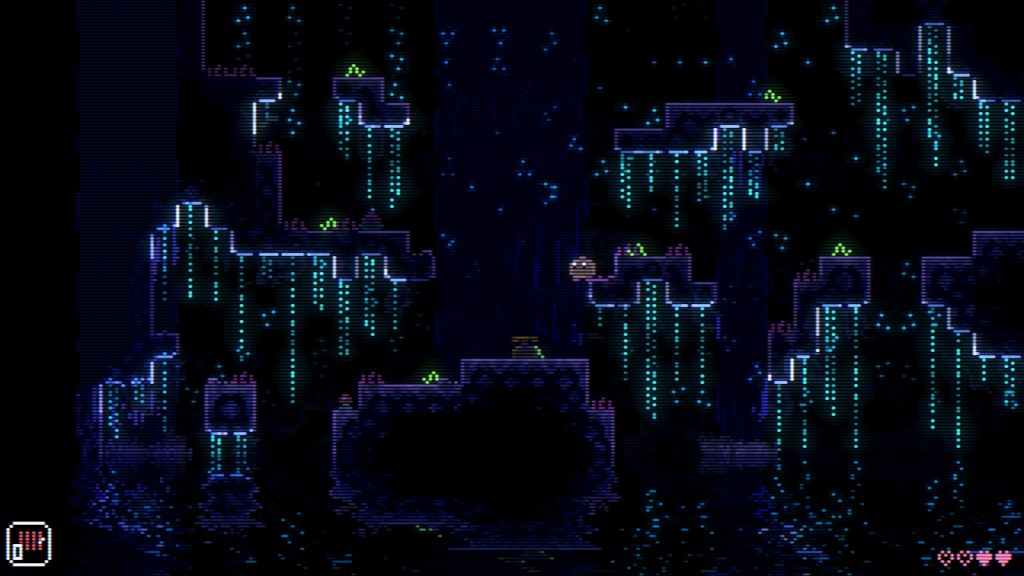
Aside from basking in its stellar visuals and vibes, my first hour or so with Animal Well was fairly unremarkable by modern search-action game standards. Without any real guidance on what to do, I defaulted to mindlessly exploring the vast map for anything that seemed interesting, whether it be a tool, ability, or some arcane puzzle to solve. That initial impression led me to believe that this would be little more than a very pretty, otherwise unremarkable puzzle-platformer game. My next 20 hours, however, were a completely different story.

Animal Well tosses you right into the action, giving little motivation beyond setting four waypoints on its vast and initially blank map to navigate to. It was that meandering exploration that was both so entrancing and off-putting all at once, which is kind of the whole thing with Animal Well. You don’t realize it in the early hours of the game, but Animal Well wants you to poke and prod at every square inch of every screen you step into, because often times that curiosity is rewarded with something.

Sometimes you stumble across a new path forward, and sometimes it’s just a piece of another mystery you haven’t even considered yet. For instance, the main “collectible” in Animal Well are eggs. Usually there’s a small puzzle or platforming challenge required before you can actually collect them, but you can probably snag half of them without really thinking too hard about it. They’re all visually distinct but don’t appear to do much else at first blush, and I assumed they were little more than a tongue-in-cheek reference to the concept of Easter-eggs. No spoilers, but you should get those eggs — trust me.

Even when you’re unclear as to what you’ve just accomplished, you still experience that coveted “aha!” moment you get from good puzzle games. You feel like an absolute genius when you figure something out because there are a lot of, “this shouldn’t work,” moments, where you feel like you’re exploiting the mechanics of the game to get ahead. Animal Well rewards and expects out-of-the-box thinking from you in conjunction with pixel-perfect platforming. It can be a difficult and demoralizing experience at times, but the dopamine hit when you finally crack a puzzle wide open or chain your abilities in just the right way so you can get to an undiscovered screen, is unparalleled.

One could look at Animal Well as a mysterious game that doesn’t hold your hand, allowing you to experiment with your ever-expanding toolkit to uncover its many, many layers of secrets for yourself. Whereas another person could see Animal Well as a meandering experience that’s far too vague and ambiguous for its own good. Both are valid, but my experience has wildly oscillated between these views several times during my playthrough. The only consistent emotion I felt while playing Animal Well was discomfort.

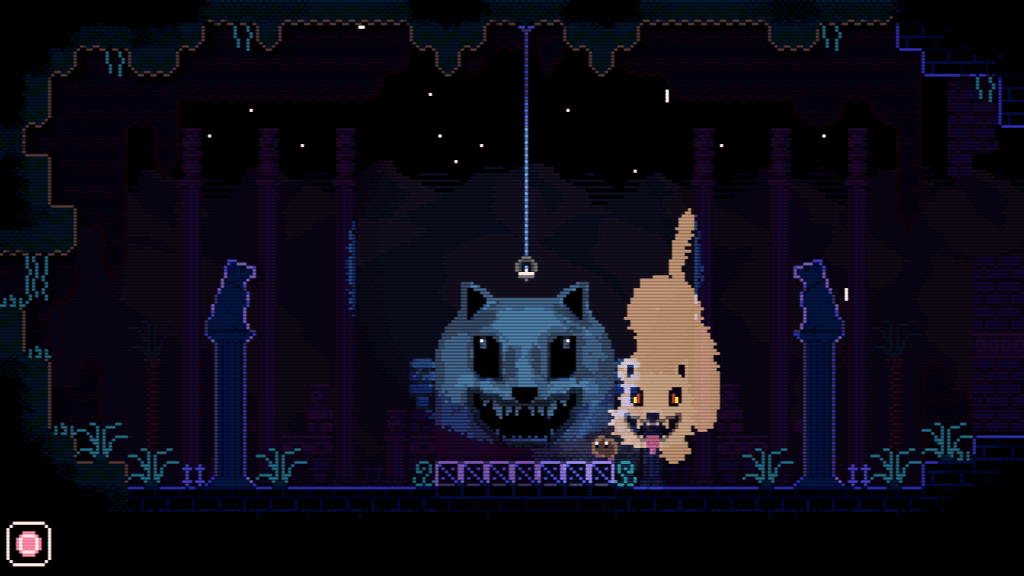
Animal Well is unsettling. The soft glow of neon colored lights, the stark and slick creature designs, the ambient and dreadful music that ominously thumps in the background, all congeals into a game that’s just as beautiful as it is horrifying. I felt on edge every time I’d enter an undiscovered area, just terrified of whatever gorgeous nightmare might be on the other side. Just existing in the world of Animal Well plays into a foreboding sense of dread, which was a big obstacle for me as someone who does not enjoy any kind of horror-based media.

I also think Animal Well is a bit more punishing than it needs to be. There aren’t enough save rooms which makes dying way more tedious than I was expecting. Certainly there were times when the tension derived from my fear of having to hike back to whatever screen I was currently on, added to the experience, but overall I wouldn’t have hated it had Animal Well been a tad more generous with saving and checkpoints. Having to hike back to a tough platforming challenge through several empty rooms isn’t fun, it just kind of feels like padding.

It’s also a game that seems to revel in not giving you any information, whether it be context, lore, or even just a story you can follow. In most search-action games, Animal Well included, getting a new tool or ability usually means that you can access a new part of the map. But for better or worse, Animal Well doesn’t indicate what’s currently available to you with any new acquisition, leading to a lot of wandering about while incessantly spamming a new tool on every inch of the world I could touch.

That’s kind of the point of Animal Well, though. I’ve “beaten” the game, and I have no idea what the hell anything I’ve done or encountered meant. Not a single thing was ever explained to me, which I usually hate in games, but it really works in Animal Well. I don’t think I’ve ever encountered a game that hooked me so thoroughly without ever offering any clarification or shred of exposition. It was little more than curiosity that pulled me through the vast majority of Animal Well — that and my partner, of course.

As it turns out, Animal Well is one of the best cooperative experiences I think we’ve ever had. This single-player game turned out to be the perfect fit for us and how we like to approach games. I helmed the controller, performing all of the tight maneuvers like a real gamer might do, and they were my first mate, helping me navigate the sprawling map, note-taking, deciphering clues, and providing emotional support for when things would get a bit too overwhelming for me. We enjoyed this dynamic so much, that I’m currently brainstorming the next game of this ilk we can dive into.

I think there’s a version of Animal Well that I would enjoy a bit more had it been less aggressively obtuse, but as is, it’s a phenomenal game. From its platforming to its inscrutable nature, you have to be onboard with all of Animal Well, otherwise you’d likely miss out on most of what makes it so special. For what it is though, Animal Well is one of the best gaming experiences I’ve had in quite some time, and I can’t wait to see what the community uncovers as it continues to scour every inch of this game.

The Master of Disaster – Big Hits

A persistent source of frustration for me has always been how my combat encounters would routinely devolve into wars of attrition that were both, not fun to run and definitely not fun to play. I’ve tried a lot of different approaches to injecting life into my combat scenarios, most of which involved putting in interactive elements like turrets and cannons into to my maps and hoping that would be interesting enough for my players to engage with. None of it really worked out the way I wanted it to, but I had to keep trying for the sake of fun.

The list of issues started with me not doing enough preparation in advance of combat-heavy sessions. I cannot overemphasize how important it is to do your prep work for battles. I always thought I’d be able to adjust on the fly and make enemies coordinate attacks and spells in a meaningful way, and while maybe some GMs can do that, I cannot. There’s a fun juxtaposition to behold when comparing my love of D&D to my complete inability to think tactically. My ambushes rarely felt ambush-y enough, my boss battles lacked “oomph,” and no amount of narrative leading up to an encounter could make up for the boring slug-fests they eventually devolved into.

Aside from just knowing enemy abilities and modifiers, one of the biggest things I had to contend with was the concept of how aware of the world around them an enemy should be. Specifically, should my enemies be able to identify the party wizard as such, and then use that knowledge to avoid clumping together in optimal fireball range, or should this band of goblins be thoroughly unfamiliar with the concept of magic altogether? I’m sure that question gets answered differently from campaign to campaign, but it’s something worth thinking about when world building.

Regardless, I never consciously decided that my enemies shouldn’t be aware of spells or tactics adventurers might use, but actively deciding that they could know these things led to me playing them more thoughtfully. No longer would all of my enemies blindly charge the wizard in a single filed formation, ready to sacrifice themselves to an impending lightning bolt. No longer would my enemies be so bloodthirsty that they’d give up every ounce of advantageous positioning just to hit someone with their spiky club. No longer would my enemies be so stupid in combat unless I truly wanted them to be.

All of this is in addition to making more dynamic situations in general. Knock down, drag-out fights can be fun, but peppering having objectives or taking a wave-based approach to enemy distribution can be an absolute game changer. Combat for the sake of combat is fine, but I’ve found that encounters that are spurned on by, or have some consequences pertaining to the larger narrative, have elevated both the game play and storytelling aspects of my campaign.

Recently, my players were infiltrating the warehouse of a courier service, looking for some evidence of an alleged connection to a local drug trade that was ravaging the area. The goal was to find the evidence and get the hell out, no more, no less. The party split up to utilize the various entry points of the warehouse, which led to the rogue darting around in the shadows and scouring the place for clues, while the druid wildshaped into a spider and sneaked into the office where some incriminating files could be found. A few bad rolls later, and the majority of the party is in combat on the warehouse floor, while the druid secured all the evidence they needed on a natural 20 investigation check. While not the intent, the combat turned out to be an excellent distraction for the druid. This led to a moment where the druid had what they needed and ultimately escaped while the other members got utterly rocked by an overwhelmingly powerful enemy and their minions.

There was this pregnant pause before the druid scurried out of the window where they thought, “should I go and help them?” The druid wouldn’t have made much of a difference in combat, so the party agreed that getting the evidence and getting out was the most important thing. The druid left and ran into the night, far away from their friends whose fates were unknown.

Because of how things played out in this combat scenario, the majority of the party was separated from the druid for an extended period of time. Conveniently, the druid had some scheduling issues, so I was able to run a completely different session with the other players about what happened after they were defeated in combat. It was a whole side adventure that really added to the drama of the story and raised more questions about the characters involved, various NPCs, and their backstories. My point here is that dynamic combat has a bigger impact than just cool fights — they can also be the catalyst for interesting story beats.

But overall the biggest change I made was the easiest one to implement, and it’s something I struggled with for a long time: I had to become okay with beating the shit out of and possibly killing the player’s characters. While there is something to accommodating different play styles with varying difficulties, I would tend to bend over backwards to save my players from their bad decisions. I had a nasty habit of pulling punches out of fear that killing a player would make them want to stop playing D&D with me all together. I still have that fear, but now I trust the people around me to actually want to play the game and accept the consequences of their actions.

Just about everything I’ve written about in this article was actively implemented in our most recent session, which saw my players were taking a ride to a northern city aboard a dwarven ship. The ship was attacked by a rampaging group of Sahuagin, who were just as interested in scuttling said ship as they were killing its passengers. Instead of just making these Sahuagin horny for stabbing their enemies to death, I had some of them also attack the ship directly, which dovetailed into a whole mechanic for patching holes in the hull. I simply made some enemies change targets and it made a world of difference and especially heightened the drama behind something so benign as checks to patch the boat.

Just as they thought they had things under control however, a second wave of enemies emerged from the ocean, both boarding from atop the deck and through the already battered hull of the ship. I had hearty fish-lads, soaking up just as much damage as they were doling out. I had a spell caster keeping the rogue and druid from standing still and getting too comfortable. And I had a big, legendary action-filled boss wreaking havoc among NPC and PC alike. The battle was chaotic and I could see the desperation in my player’s eyes when they really needed to roll well. They were pushed to their limits and depleted of resources, but they managed to squeak out a victory. It was awesome.

The truth of the matter is that there is no “one-size-fits-all” approach to anything in D&D because every group is going to want something different. These things worked for me with my current group but that won’t always be the case going forward, and it’s important to acknowledge that. I think the simplest and most valuable tip I can offer is this: you need to know what’s written on the page. Knowing what behaviors and abilities a creature has is invaluable when running a game, because role-play doesn’t suddenly stop when you’re in combat, it’s just different. Knowing why an enemy is attacking and how it likes to attack is just as important as knowing what kind of damage dice it rolls.


Thanks for reading this article, and consider subscribing to The Bonus World so you can get an email updating you whenever we publish something new.