Monthly Archives: September 2019

Blog: Later Alligator – 09/25/19

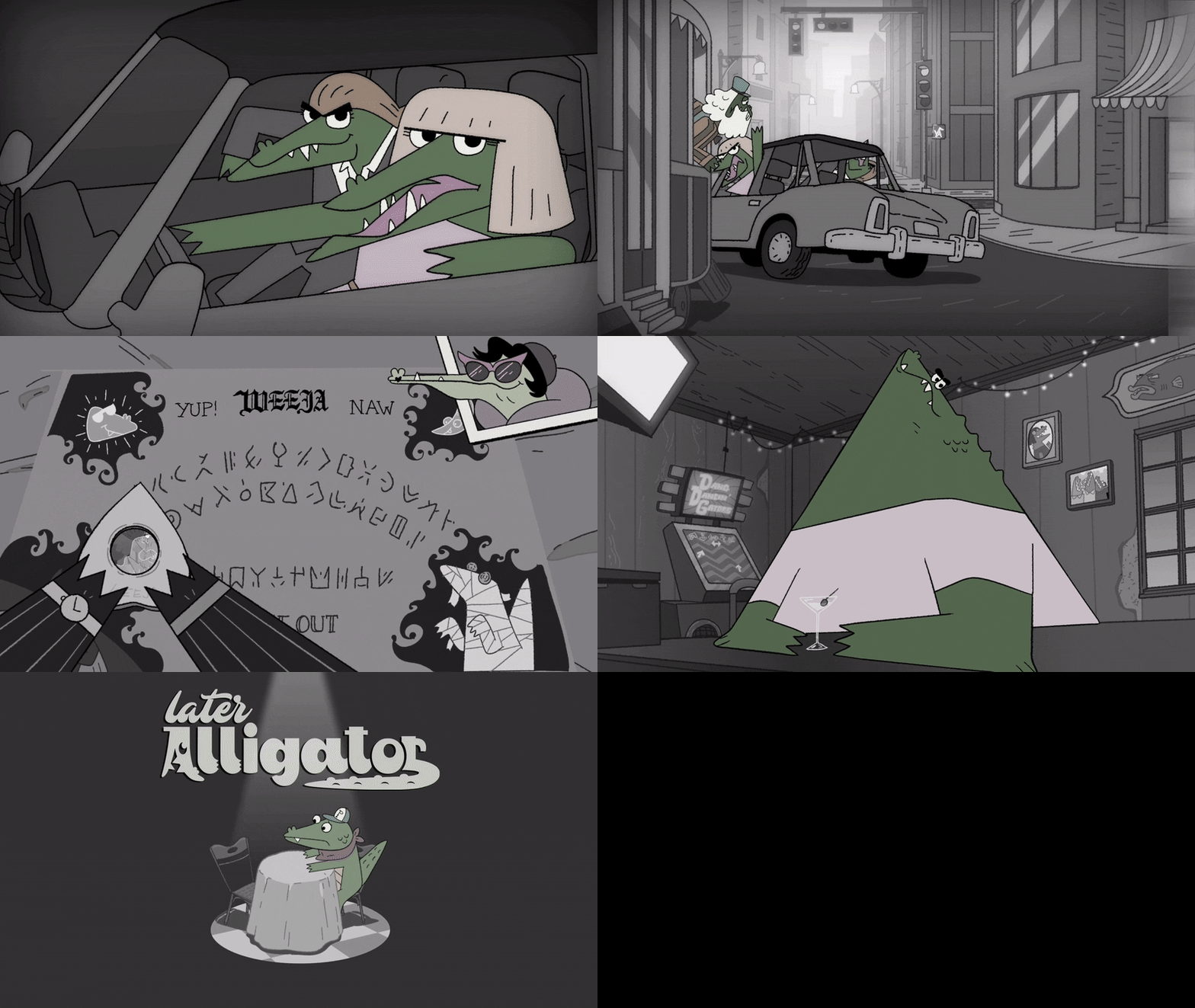
This past week, I had the absolute pleasure of playing a game about a paranoid alligator who was convinced that his family was plotting to kill him.  If that sentence hasn’t scared you off, then allow me to introduce you to Later Alligator, one of the most charming games I’ve played this year.

In Later Alligator you play as an unnamed alligator in a suit who has been tasked with helping a paranoid alligator named Pat, figure out what his family is planning to do to him at an event they have planned for the night.  Through talking with him and his family members, along with playing a bespoke mini-game for each of them, you start to piece together the not-so-mysterious, mystery.

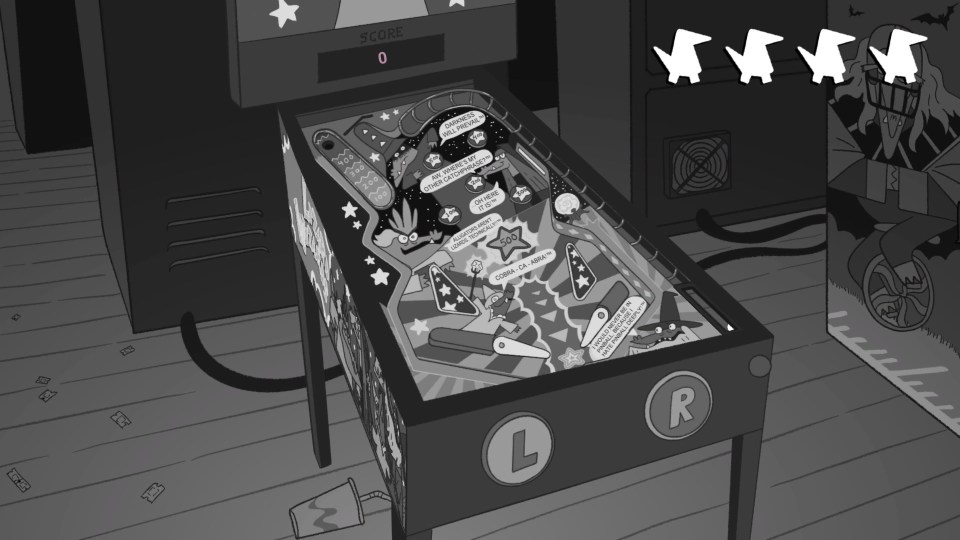
You’re never deducing anything in Later Alligator, instead you’re playing these little mini-games that if you’re successful in, will get the family member in question to spill a detail about the event planned for the night.  The mini-games range from playing a claw game, to protecting a sleeping baby from getting possessed by ghosts, to the bane of my existence: slide puzzles.  The mini-games themselves are scattershot in terms of quality, but they’re usually charming and easy enough for it to never really be a problem.

20190919194535_1

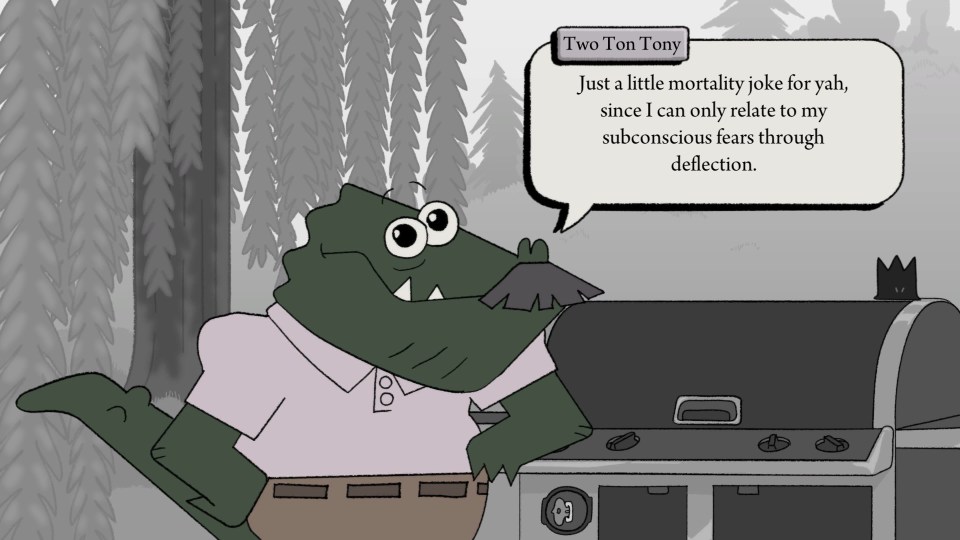
Where this point-and-click adventure really shines however, is through its characters.  Every gator you meet with is some relative of Pat’s, all with a piece of the puzzle as to what his fate for the evening will be.  One of my personal favorites is Pat’s father, Two Tone Tony, who is mid-existential crisis and desperately trying to cover it up with bad jokes and a badass new grill that he doesn’t quite know how to work.

Aside from one or two mini-games, there weren’t any real times I felt challenged or like I had to solve anything.  Later Alligator kind of holds your hand the whole way through, allowing you to focus more on the wonderful characters, as opposed to offering up a mechanically challenging experience.  The only thing you really need to manage is time.  You start at 10 in the morning and have until 8pm to do as much investigating as possible before the event itself is underway.  The time crunch really kicks in when you fail a mini-game because each retry will cost you 15 in-game minutes that can really add up.

20190919201808_1

Later Alligator is the kind of game that I really enjoy, but know that it’s a hard sell to make for most people.  It only took me about two hours to beat, but if you want to grab all the collectibles and play all the mini-games, it could probably be double that.  But I had a very good time exploring the world, meeting its inhabitants and admiring the gorgeous art and animation.  So if you’re in the mood for a lighthearted and chill adventure game that wont take up too much of your time and has a great aesthetic, look no further than Later Alligator.

Blog: Apple Arcade – 09/18/19

Apple Arcade is only a few days away from being released to the public alongside iOS13, but for those of us in the beta branch of iOS, the service became available to play around with earlier this week.  So I did what any reasonable person would do, and downloaded a smattering of games, deleted a bunch of stuff from my phone when I learned I quickly ran out of hard drive space, and played a couple of titles.

But alongside just downloading the games, I took advantage of the new feature to pair a Bluetooth controller to my phone, and tried these games out with my PS4 controller.  Here’s just a bit of the bangers I tried out.


SAYONARA WILD HEARTS
IMG_3038

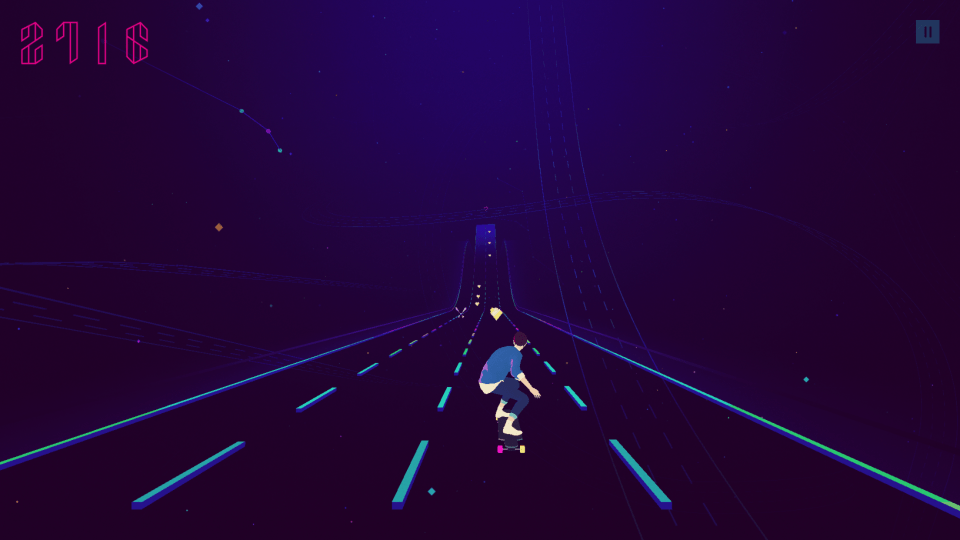
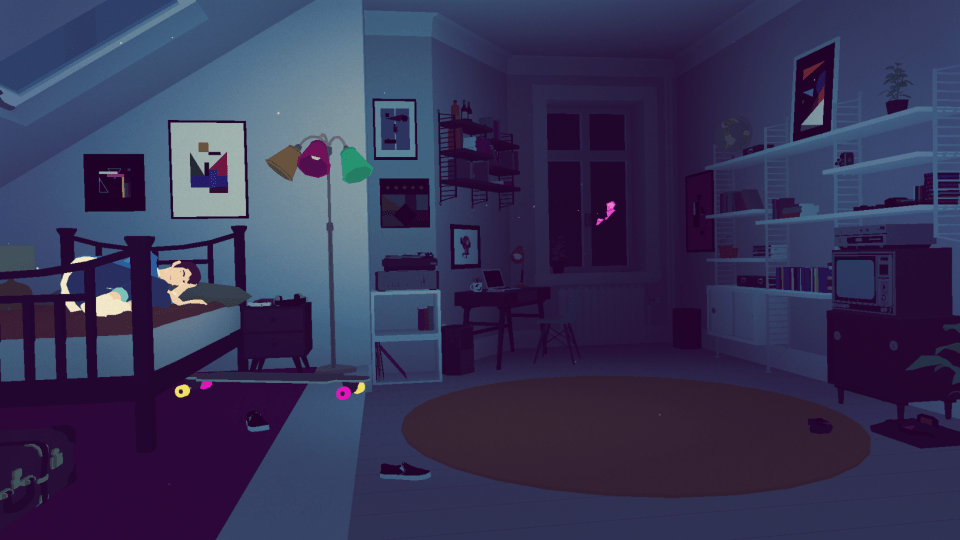
I’ll begin with one of the most aesthetically pleasing games I got to try out, because I’m apparently naturally drawn to pastels and neon.  Sayanora Wild Hearts is a game about… something.  I think someone’s heart was broken so hard that the universe was impacted by it, and the only way to fix everything is to surf through Tron or something.  But the important thing is that you control a lady who cosmically skateboards through space collecting coins and hearts while pulling off some sweet ballet kick-flips in the process.
IMG_3036.PNG

It’s more exciting than it sounds, I swear.  I only played about 3 levels to start with, but I don’t think it’s a rhythm game as much as it is a game with a rad look and killer soundtrack that you just kind of experience.  I might be too early into it to understand the actual mechanics of the game, primarily if there’s a win or lose state to the game, or if you truly are just letting it all wash over you.

Whatever the case may be, I’m certainly going to try out more of Sayanora Wild Hearts when I get the chance.  It’s made a great first impression, and I’m exceedingly curious about where the gameplay goes from here.


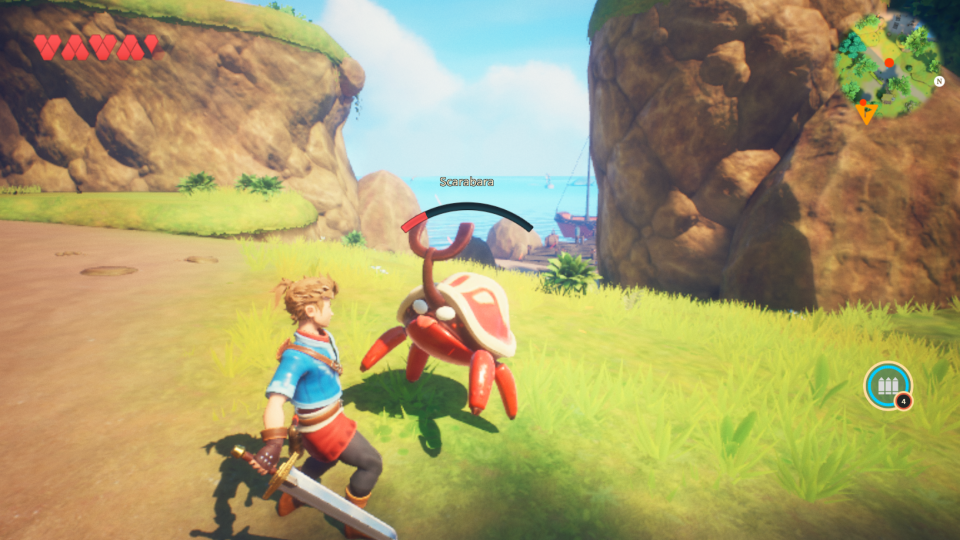
OCEANHORN 2IMG_3032.PNGOceanhorn 2 follows in the footsteps of Oceanhorn in that it too is doing its best Zelda game impression.  While the first game was an ode to the top-down Zelda games, this one is a 3D action game, much like Ocarina of Time or Windwaker.  But despite wearing its inspiration on its sleeve, Oceanhorn 2 seems like a genuinely competent version of what it pulls from.
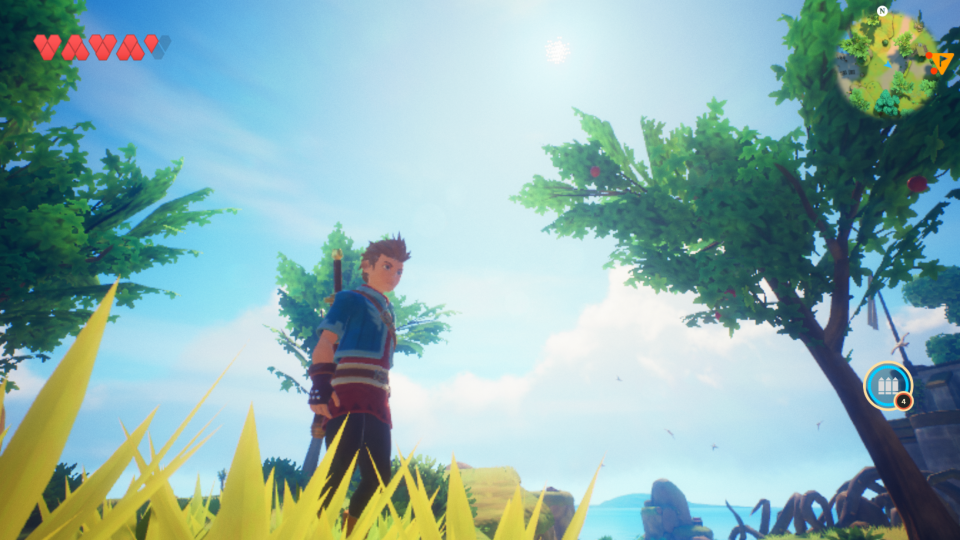
You’ve got your dungeons, your annoying mob enemies that shouldn’t be as much of a threat as they are, you’ve got a sword, a shield and plenty of puzzles involving you putting a thing on a pressure plate.
IMG_3031.PNG

Oceanhorn 2 however, is the only game where I dealt with some weird input issues while using my controller.  The camera would occasionally start to swirl, my character would start sprinting without me telling them to, and sometimes they’d just swing their sword at what I assume is a ghost I couldn’t see.

But despite those minor quibbles, my main issue is that I don’t think I’d want to play this on a cellphone.  I kept looking over at my Switch, wishing I could play it there, or cast it to my TV or something.  The game itself seems great, but not suited for cellphone gaming.


WHAT THE GOLF?
IMG_3047

You know what’s a weird thing about me?  I like golf games.  Seriously, I think they can be a lot of fun and calming in the right scenario.  Sometimes you want that slow paced, methodical experience, and I think a good golf game can deliver that
img_3045.png

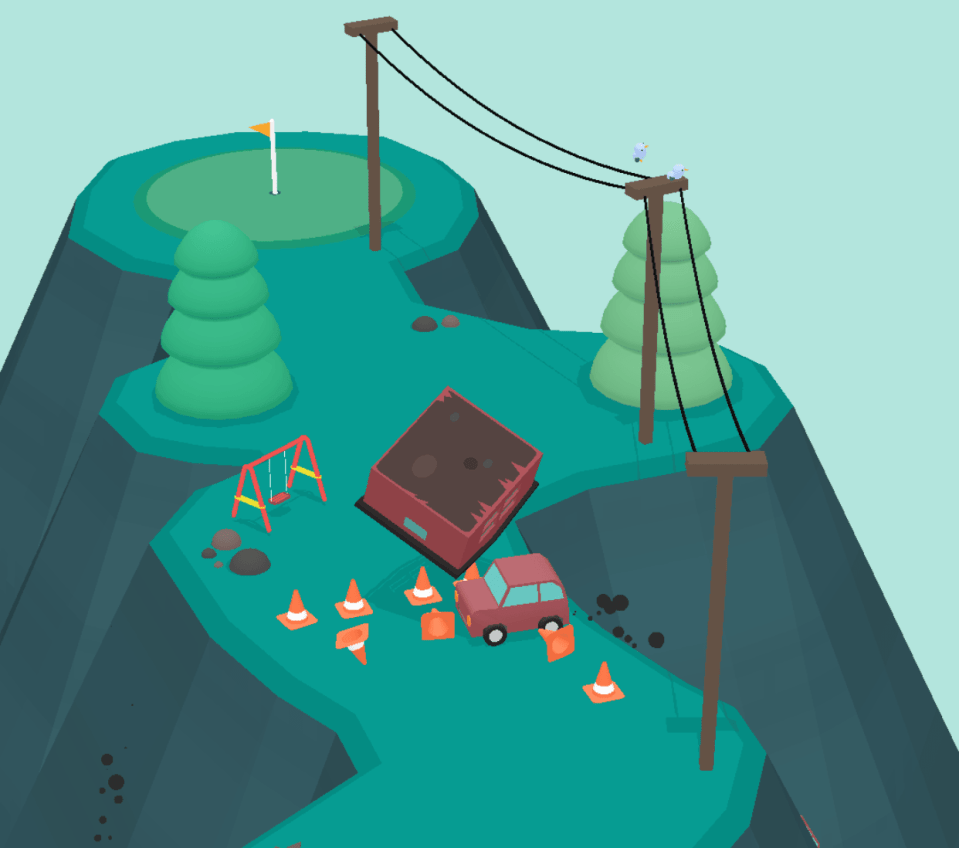
What the Golf? is absolutely is not that game.  It’s way better.  The first level has you do the standard, “hit ball into hole” thing, except they just want you to hit the flag to complete a level.  Then level two comes in and suddenly you’re just hurling the golf club at the flag.  This kind of keeps going until I found myself launching couches, cats and even houses at the hole.  Sometimes I was one ball, sometimes I was 50.

What the Golf? is this absurdist take on golf which easily was the highlight of Apple Arcade for me thus far.  I would buy this game outright if Apple Arcade didn’t already have me covered on that front.


GRINDSTONE

IMG_3051

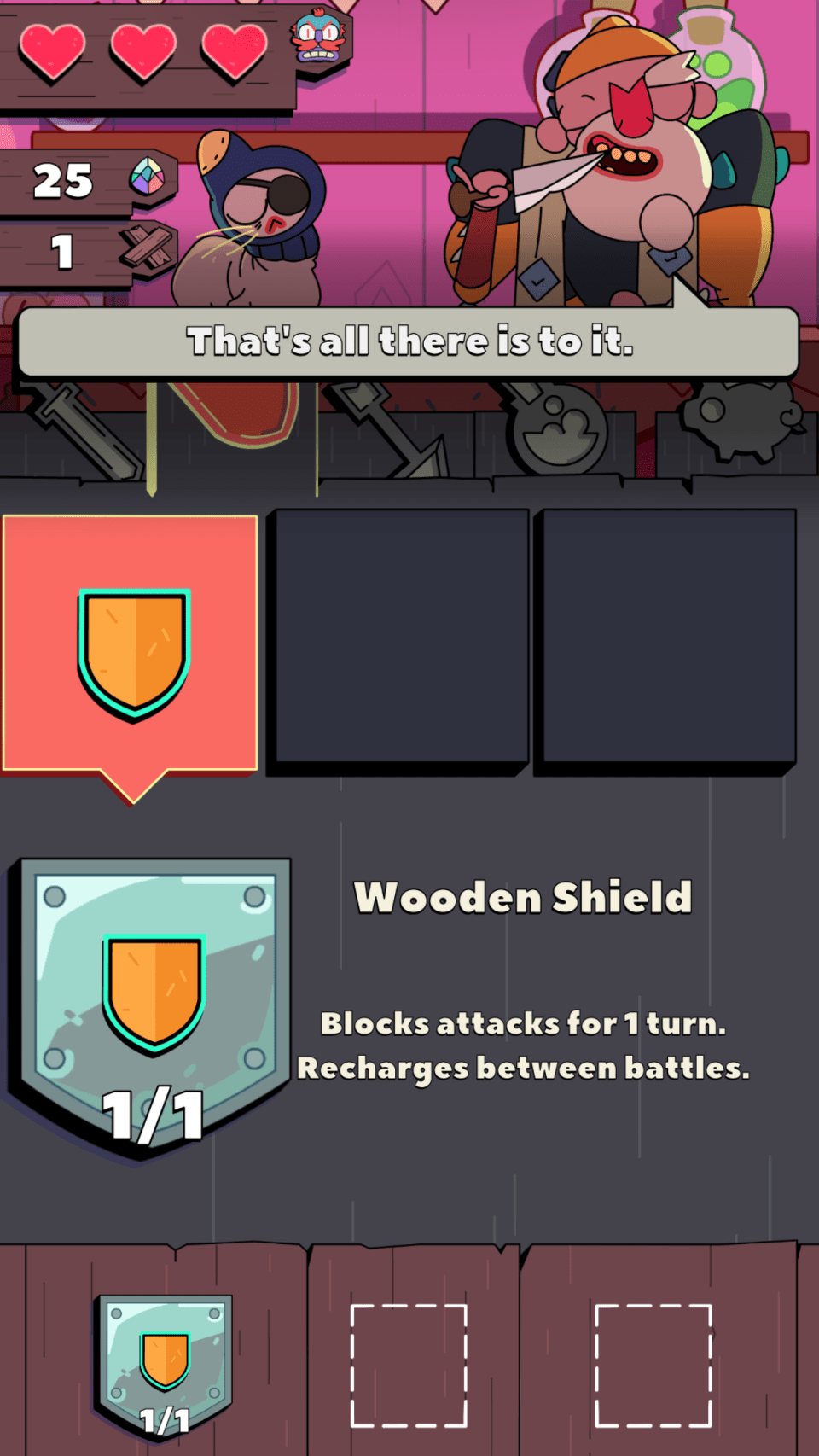
Grindstone is a puzzle game where you’re tasked with climbing a mountain, using tons of little critters as your stepping stones.  By which I mean you’re killing a bunch of little creatures to fulfill your murder quota while collecting scraps and currency you can use to craft better items and abilities.

I went into Grindstone thinking it would be a nifty looking, “match 3” game like Bejeweled, but instead you’re chaining as many same colored enemies together, allowing you to blaze a path through them.  You need to find the most effective route to clear out the most of these little guys as you can.  But soon you learn that by collecting a titular grindstone, you get to change the color of the enemy you can kill in that turn.
IMG_3052.PNG

Some enemies will attack you if you stop in their radius, or some obstacles require you to build up a chain of enemies before you can clear through them.  There’s a lot going on here, and I can easily see this game getting super challenging in the later levels when you need to manage several mechanics at once.  But as it is, I’m really enjoying it.


SKATE CITY

IMG_3061.PNG

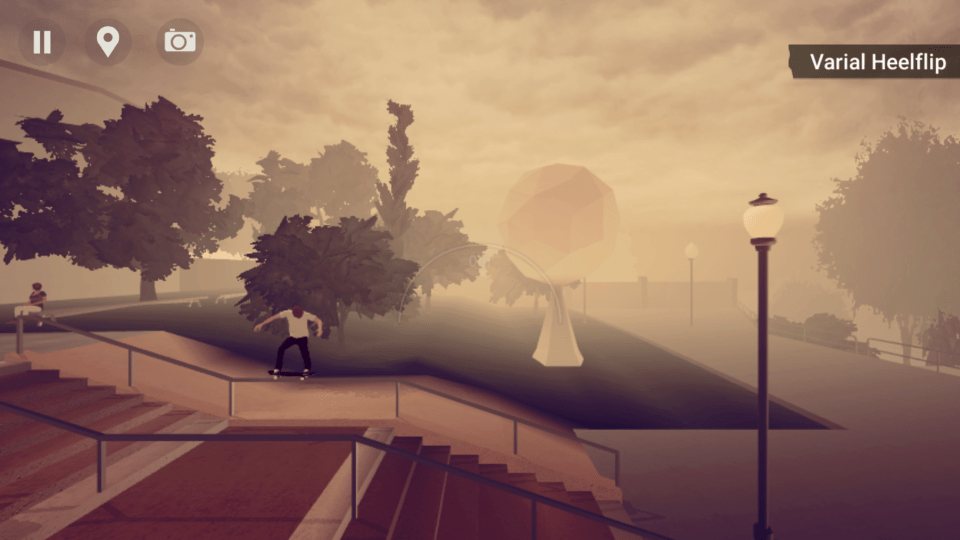
Skate City is exactly what you might think it is from the title.  It’s a 2D skateboarding game that boast chill vibes, and smooth tunes while letting you effortlessly pull of various flips, spins and grinds.

Tricks are controlled using either the analog sticks or virtual analog sticks on the screen.  For this game, I decided to see how viable it was without a controller.  Turns out, you’re really gonna want one for this game.  The touch controls aren’t awful, but having to juggle between mushing your thumb on different parts of the screen to accelerate, spin and do a trick make it a little clunky.
IMG_3062.PNG

But if you’ve got the controller and want just a chill-ass skate session, Skate City is probably one of the best skateboarding games I’ve played on my phone, which admittedly isn’t saying much.  It’s good, trust me.


So those are more or less, the first games I managed to spend any real time with.  I’ve got to say though, Apple Arcade as a product is actually really winning me over.  I haven’t really come across any games that have actively repelled me away.  There are some genres of game on the service that I know aren’t for me, but all of the games themselves look pretty polished from my quick glance of what was available.

Although in classic App Store fashion, discoverability among this subset of iOS games is still kind of a hassle.  There aren’t any genre categories to browse or even a straight alphabetical list to peruse, which kind of seems to defeat the whole point of Apple Arcade in the first place.

My limited impression of Apple Arcade is based on the handful of games I got to play, but so fa I find myself more drawn to the games that aren’t trying to provide a “console” experience.  I like a certain kind of game on my phone, and playing something like Oceanhorn 2 on an iPhone screen just doesn’t seem like anything I want to do.

Apple Arcade launches on Friday, September 20th for iOS for $4.99 a month and later this year on iPad.  There was a free one month trial I took advantage of that should be available when the service launches.

The Master of Disaster: Finding the Balance – 05

Since the inception of this feature, I’ve mainly used it as an outlet to talk about the various mishaps and shenanigans that cropped up during my role-playing adventures.  This time however, I’d like to talk about my struggles in finding a way to balance a good game, with an engaging story.

Admittedly, I don’t have the broadest scope of experience running campaigns or writing stories in general, but I feel I can speak to it a bit.  In fact, if it wasn’t for playing Dungeons & Dragons, I probably wouldn’t do much creative writing at all.  I was inspired to give it a go from listening to shows like The Adventure Zone and Friends at the Table in terms of how the pace of my games should go.

The problem is that the people on those shows all know that while they’re playing for fun, there’s also a broader entertainment implication that’s tied to what they’re doing.  They know that they’re performing not just for each other, but for thousands of listeners and viewers.  That isn’t to imply that they’re adjusting their play to make the show progress, but the thought of an audience involved must have an effect on some of the moment to moment decision making.

That coupled with the ability to edit down long stretches of conversations about mechanics, rules and ability descriptions, makes the final consumable product seem like a faster flowing game in general. When in all actuality, I’m probably just not hearing those parts.

It was all of this that led to me mismanaging a lot of the early sessions in our campaign.  I was trying to run a game as efficiently as what I would hear in an edited episode of a podcast and that just wasn’t feasible.  We all were new to playing Dungeons & Dragons and we had to Google a lot of mechanics mid-game for clarity.  They usually cut that part out of the podcasts.

What I loved about shows like The Adventure Zone and Friends at the Table was how gripping the story managed to be.  The excellent craftsmanship of the story, the detailed and evocative descriptions, and the general understanding of the rules all made me feel like I was letting my players down constantly in comparison.  It caused me a ton of anxiety every week while I did my preparations, even though I knew I was setting an impossible standard for myself as a first timer.

I was writing dozens upon dozens of pages of dialogue, lore, descriptions and quests to throw at my players, all of which were designed to illicit some sort of weighty impact, deliver on a joke, or inspire the players to act.  Sometimes it worked and sometimes it didn’t.  But most of it felt rigid and rarely felt like it came up naturally.

After pages of stories and quests would go unused by my players, I initially felt a tinge of disappointment, often wondering what I did or didn’t do correctly to get them on the right track.  Hours of my work were getting ignored and overlooked because I had a very particular on-ramp and set of circumstances that led up to them.  I wasn’t angry, but I was getting frustrated.  I was essentially building quest hooks into the way I assumed my party would do things.  Steps 1 – 50 were ready, but I never thought about what if they never took that first step at all.  I had to change things up.

So I did some research and consulted dozens of YouTube videos for some guidance.  It became clear to me that I was over preparing to enormous degree, and it was leading to me railroading my players occasionally as well as get frustrated when things didn’t go as planned.  I was trying to tell a story in D&D instead of letting my players tell theirs.  So I decided to revamp everything.

I more or less threw out dozens of pages of story in an effort to craft something new and versatile.  I stopped writing out individual lines of dialogue and quest progressions and stopped treating conversation as if my players were picking dialogue options in a video game.  Instead of creating a perfect narrative, I built little pieces of lore that would tie together should the party pursue it.  There’s a “story” should they happen to stumble on it or feel lost, that I can point them toward, but I just stopped writing everything like I was writing a book.

It’s been kind of liberating to let the players dictate the story and lead the charge, which arguably is how Dungeons & Dragons is supposed to be played.  I’m not amazing at running games and I’ve made my fair share of mistakes in the process, but I’m having a lot more fun and experiencing a lot less stress because of my change in prep style.  It’s also a lot of fun to not know what’s coming next.

I guess what I’m ultimately saying is that I learned how to not be as precious about everything I’ve made.  If my players are reading this, relax, there’s still plenty of tailored content in there for you.  But I’ve basically taken the coloring book approach, where I have the outline, but they’ll be the ones coloring it in.


Blog: NBA 2K20 is a Bummer – 09/11/19

I’ve always been a fan of the NBA 2K games since I first played NBA 2K back on the Dreamcast.  The promise of a realistic simulation of the only sport I really care about was obviously alluring, and the in more recent years, the video game itself was the catalyst for me following its real life counterpart again.  That’s why it’s such a shame that this latest entry in the series is so underwhelming and broken that it’s hard for me to want to play more of it until the inevitable patches hit.

I know not a lot of my readers have a big familiarity with the NBA 2K games, so I’ll do my best to summarize some of the core systems in place.  Like most sports games these days, you can choose between a variety of modes from creating a player and taking them through their career, to playing as a general manager of a team, to whatever their card collecting mode that I never touch is about.  Normally I stick to the franchise mode, where you pick a team or teams, and just run them through the years managing trades and contracts, along with playing the games too.

This year I decided to try out the career mode, which tasked me with creating a virtual version of myself and taking him through climbing the ranks as a college player with the hopes of getting drafted in the NBA.  The story itself is all over the place, having your player decide to look Idris Elba (no, really) in the eyes and say that he isn’t going to play in the championship game, because a player I’ve never met on my team got injured and lost their scholarship.  By the time I ended the pre-NBA story mode, I was a first round draft pick that got selected by the New York Knicks.

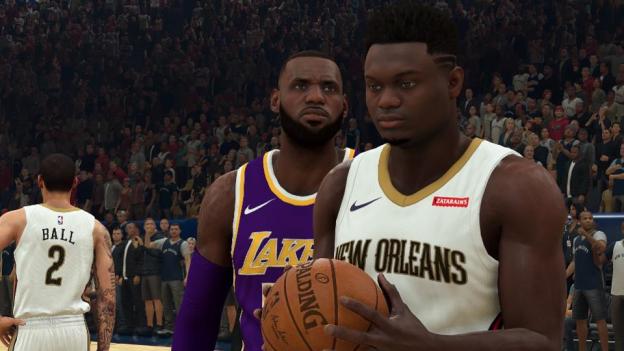
Now here’s where the game part gets in the way.  NBA 2K launched in a hilariously broken state with players reporting a wide variety of glitches and bugs ranging from funny, to game breaking.  Some people noticed their player names weren’t showing up on their NBA jerseys, animation glitches that allowed their opponents to just break the rules of basketball to suit their needs, and a whole lot of server issues that led to lost progress.

20190910165714_1.jpg

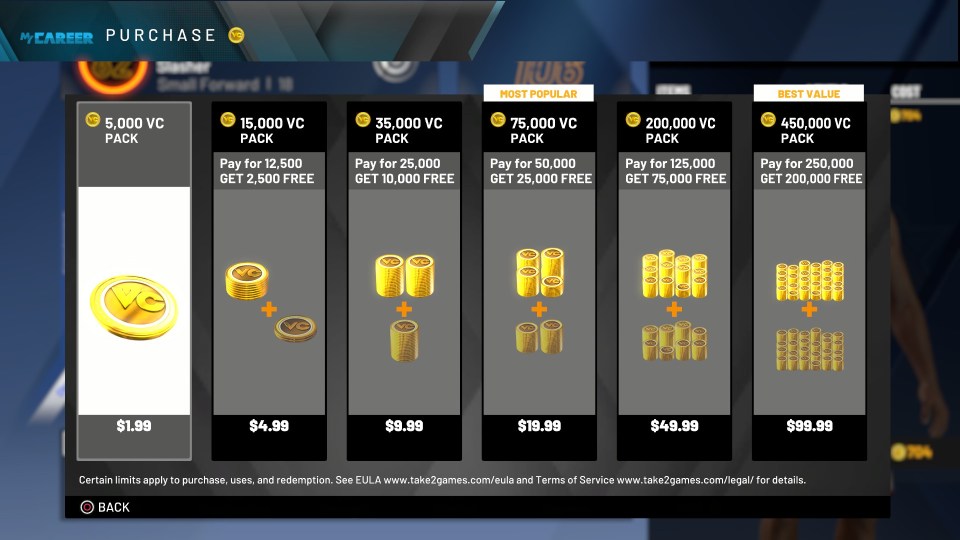
That last one is made all the worse when you take into account the VC, or virtual currency that runs the game.  VC is money that you either earn in game or pay for with real money that allows you to upgrade your stats and buy clothes and shoes for your character.  To spend any of this VC, the game pings the 2K servers and authorizes the transaction to make sure you haven’t done anything unsavory.  What that meant for players though, was that loading screens, purchasing, and earning, were all reliant on the servers holding up.  They did not.  That meant a lot of people weren’t getting any money for their games, or losing cash because the servers messed up the transaction.  It was a real bummer.

2K has since patched the game to fix some of these loading issues, but while not as egregious as it was at launch, some of these problems still persist.  I’ve also encountered a new one that makes playing the game, all the more laborious.  As a player, you’ll need to attend practice and complete drills to upgrade your players badges.  Badges are like perks that help you do things that aren’t explicitly stat related, or boost you over what your stats dictate.  A badge can enable you to see where a rebound where land when a missed shot is put up, or make driving the lane easier for you.  In these drills, you gain a 1 to 3 star rating depending on how good you’ve done.  But with a new glitch in the progression system, getting a 3 star rating just subtracts your score from your total progression, so the better you do, the more experience you lose.  It’s made progressing normally impossible, to the point where I don’t even want to touch the mode until they fix it.

20190910165454_1

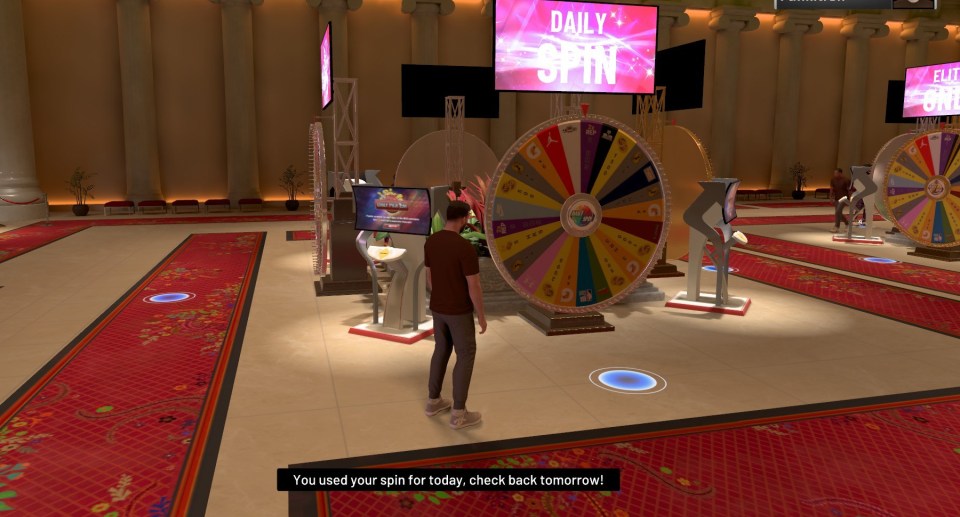
On top of all that, there’s just the abundance of things trying to get you to spend money in the game.  We’ve all seen the slot machines and “gambling” hooks that 2K themselves showed off in a promotional pre-release video, but there’s just stuff everywhere in the career mode encouraging you to spend real money.  Not to mention your player is so easily outmatched by everyone in the NBA that you’ll basically be demoralized into paying for VC to boost your stats.

It’s all such a shame because the actual game part of NBA 2K20 is fun.  Sure it’s got some weird animation glitches that pop up once in a while, but otherwise the act of playing basketball is still fun. My main issues with NBA 2K20 are that the modes I mostly play, the franchise mode, has not been touched in any meaningful way since last year, and all the gross micro-transaction stuff that is always in the series.  I’m sure I’ll end up putting in another few hundred hours into the game like I always do, but man, I wish they’d shake up the formula a little bit.

Blog: Games, Again! – 09/04/19

Every year we wait for that time at the end of August when John Madden bestows his latest sports simulation upon us, marking the beginning of video game season.  This year the harvest has been bountiful and immediate.  What I’m saying is that a lot of games came out recently and I’d like to talk about what I’ve been playing.


CONTROL

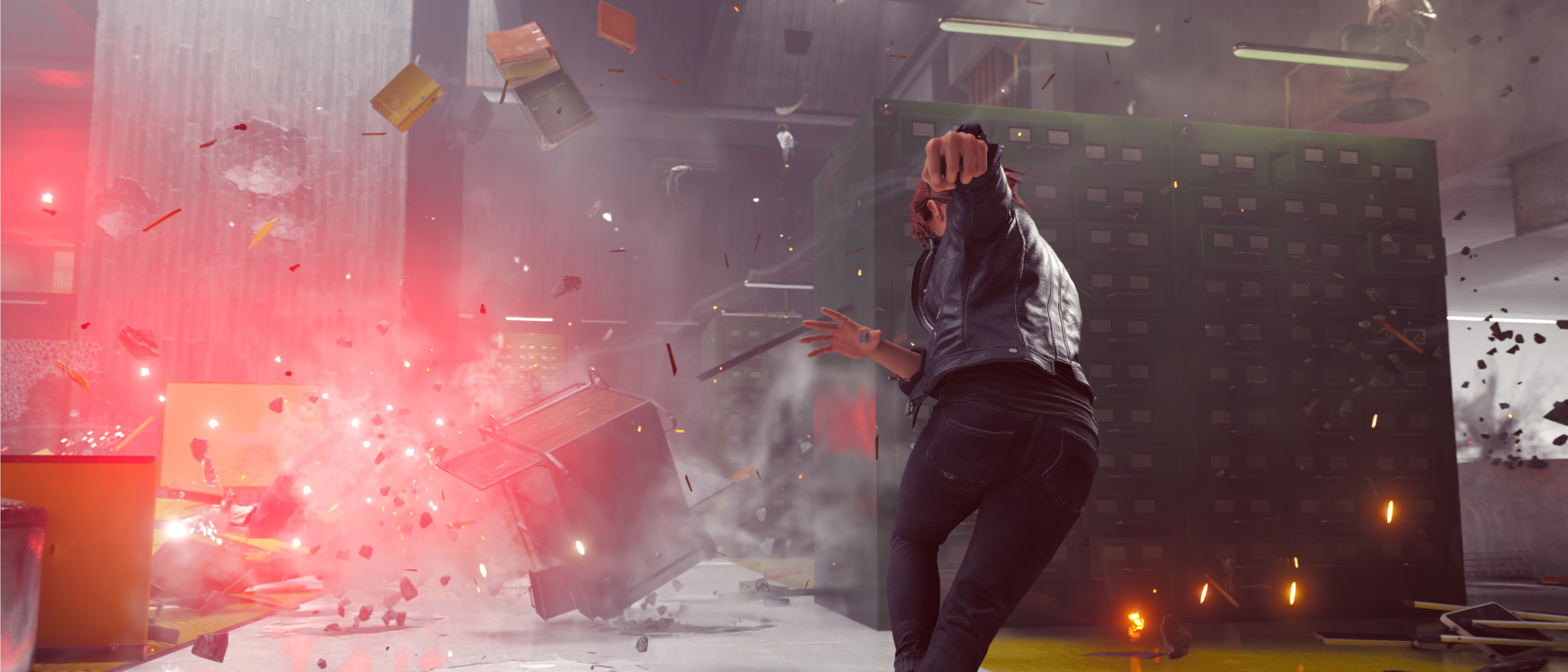
Holy shit Control, holy shit.  I’ve been very lukewarm on past Remedy offerings like Alan Wake and Quantum Break, but Control seems like the culmination of everything they’ve learned from producing those games.  Control takes place inside of a secret federal building that specializes in messing with forces they don’t understand.  Surprise, surprise, things go sideways and it’s up to you to fix it all, I think.  I haven’t finished it yet, so things are bound to change.

There are so many things I love about Control already.  The Federal Bureau of Control, otherwise known as The Oldest House, otherwise known as the place where the game takes place in, is a constantly shifting office building with plenty of HR posters, memos about book clubs, and training videos in it to make the whole place feel grounded despite the fact that inter-dimensional creatures are hijacking the bodies of the employees and trying to gun you down.  The whole place is just so interesting to wander around in and explore.

The combat is no slouch either.  You have a gun that can change forms on the fly into either a pistol, a shotgun, and I’m pretty sure I’ve seen assault rifles and more referenced in some collectibles.  On top of the cool gun though, you very quickly get the power to use telekinesis to hurl just about everything that isn’t nailed to the ground at your opponents.

I could go on for a long time about Control, but I’ll save that for a different article.  The last thing I’ll say about it is that while I love the story, combat, tone and world building that’s going on, things like performance and load times are certainly areas that could be improved.  Having to deal with minute long load times whenever you take the elevator or happen to fall in a bottomless pit (standard office building stuff) it’s made all the worse by the painfully slow loading bar.


REMNANT: FROM THE ASHES

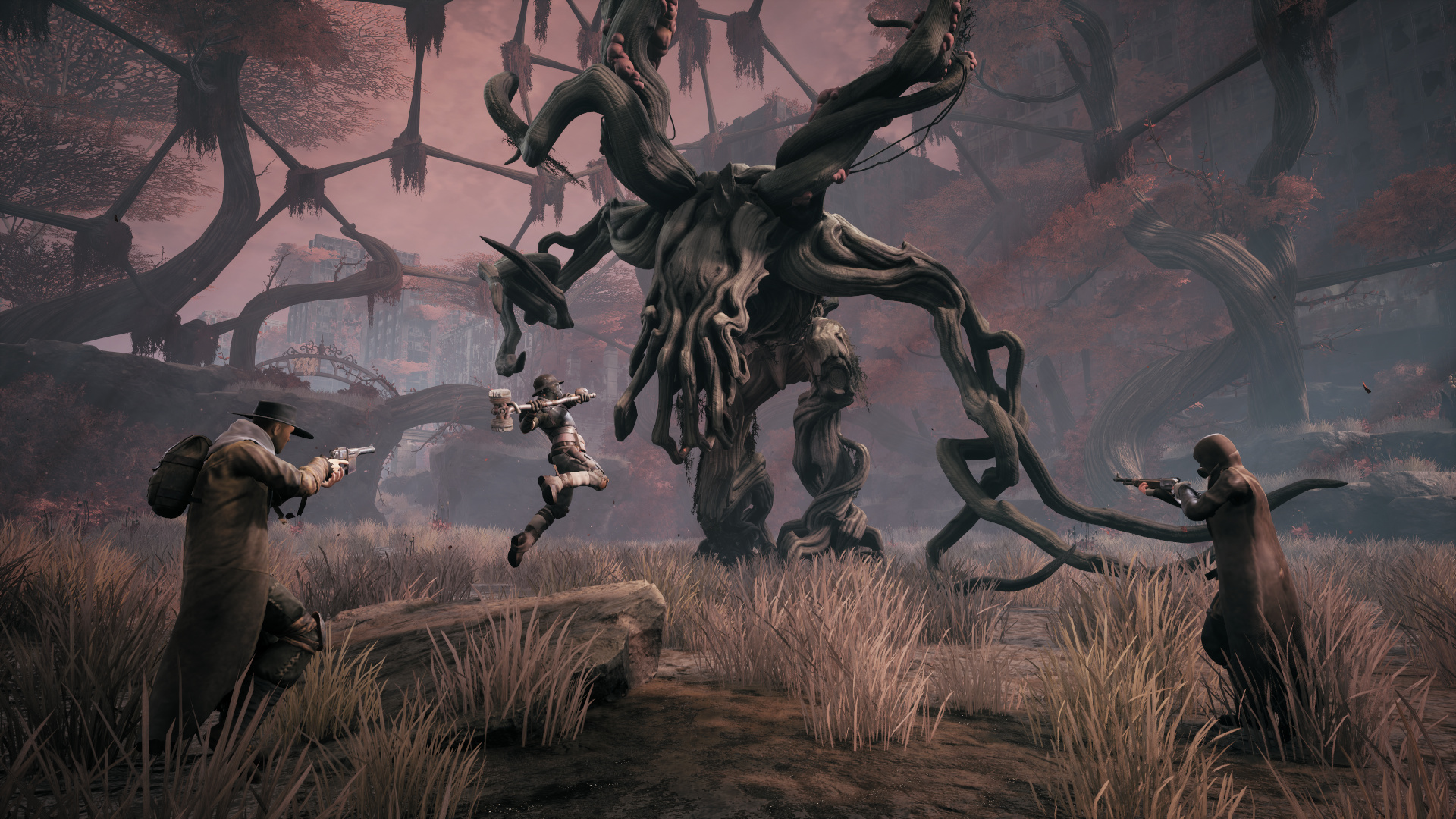
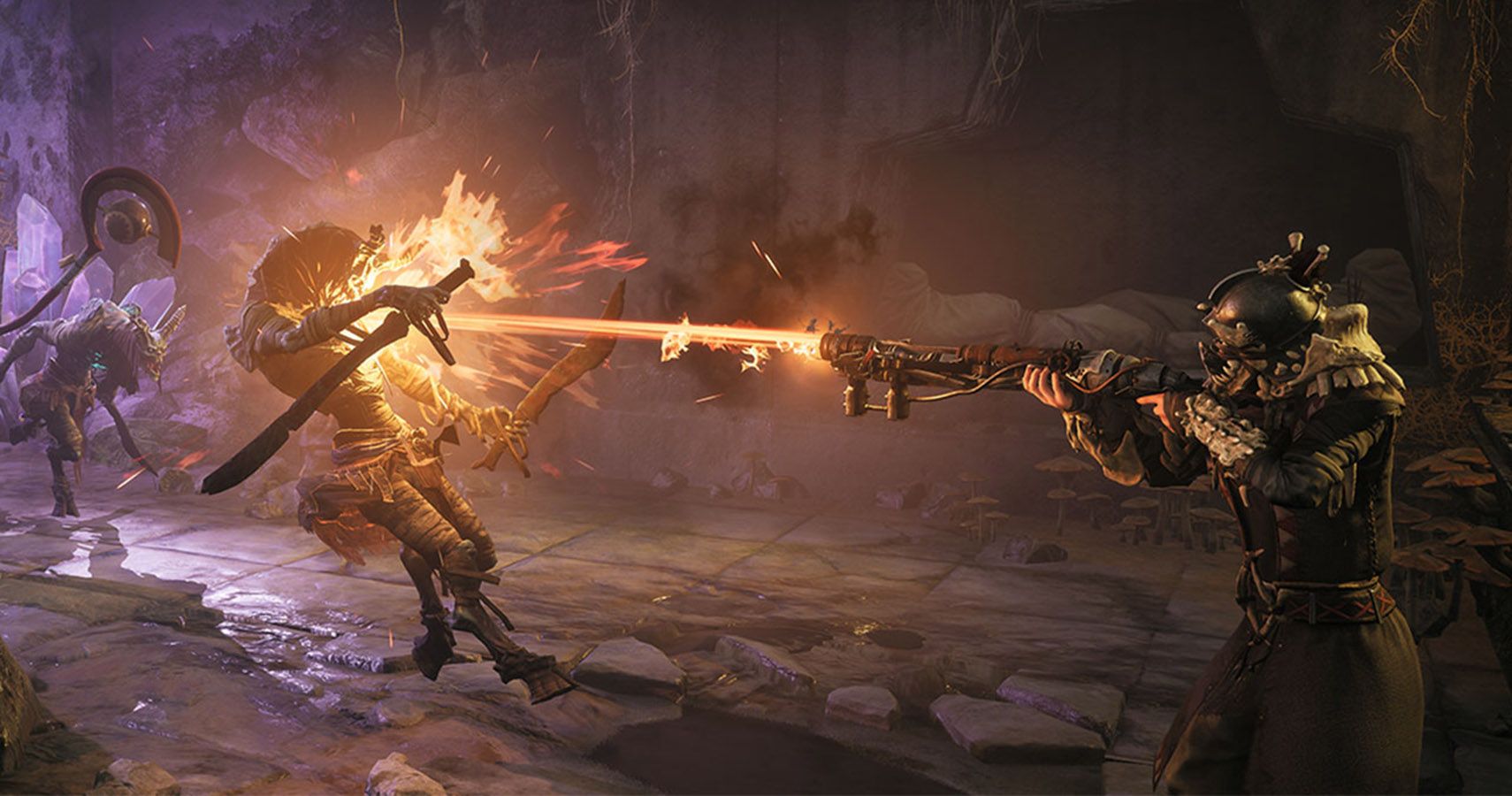
Let’s be incredibly reductive here for a moment and say that Remnant: From the Ashes is basically an easier to understand and play Dark Souls game with an emphasis on guns and multiplayer.  But make no mistake, this game is brutal if you’re playing it solo.  That’s why I initially bounced off of it for a bit until a friend picked up the game as well.  Now I can easily see why people are speaking so highly of Remnant: From the Ashes, because quite frankly, it’s good.

Like I mentioned before, Remnant: From the Ashes really wants you to play alongside a friend or preferably two.  A lot of the bosses and other enemies use the simple tactic of running at you in an attempt to outnumber you, and it works when you’re alone.  But with a friend, we were basically the SWAT team if they had to fight horrible nightmare creatures that look like sick trees.

There’s a lot going on in Remnant: From the Ashes, from level randomization to upgrading and crafting equipment, to the general strangeness of the world itself.  I’m only a few hours in, but I’m looking forward to continuing my adventurers.  I’ll just be sure to grab a buddy before I do.


KNIGHTS AND BIKES

20190827180924_1.jpg

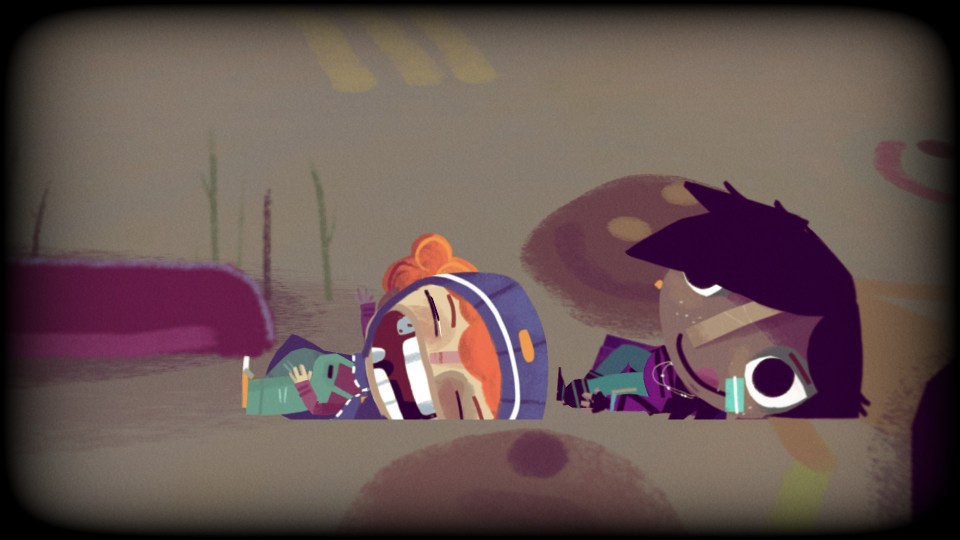
Knights and Bikes is mostly an adventure game with a lot of mediocre combat and slight puzzle-solving sprinkled on top of it.  You play as one of two girls on a small island that I think is in the general area of England based on the liberal usage of the letter “U” in their words.  It also is about an ancient curse that only they can stop because none of the adults on the island actually believes in it.

The game is a cooperative focused affair with the option of playing solo where you’ll have to switch on the fly between the girls to harness their unique abilities.  At the point I’m at in the game, so far one girl has the ability to throw a Frisbee to attack at range, and the other has a ground pound.  I’ve heard there are more abilities that get unlocked as you make your way through the game.

I’m not too far in but I can safely say that it’s charming as hell.  The characters are fun and interesting so far, and the presentation is delightful, even if some of the graphical elements occasionally get in the way of your basic movement.

20190827172431_1.jpg

At the point I’m at in Knights and Bikes, the two girls have arrived at the city on the island where I’m sure things will start to kick off in a major way.  While I am interested to see where the game goes, I don’t know when I’ll get back to it.  The previously mentioned two games have kind of consumed all of my free gaming time, and Knights and Bikes just didn’t hook me in hard enough to make me want to rush back to it.

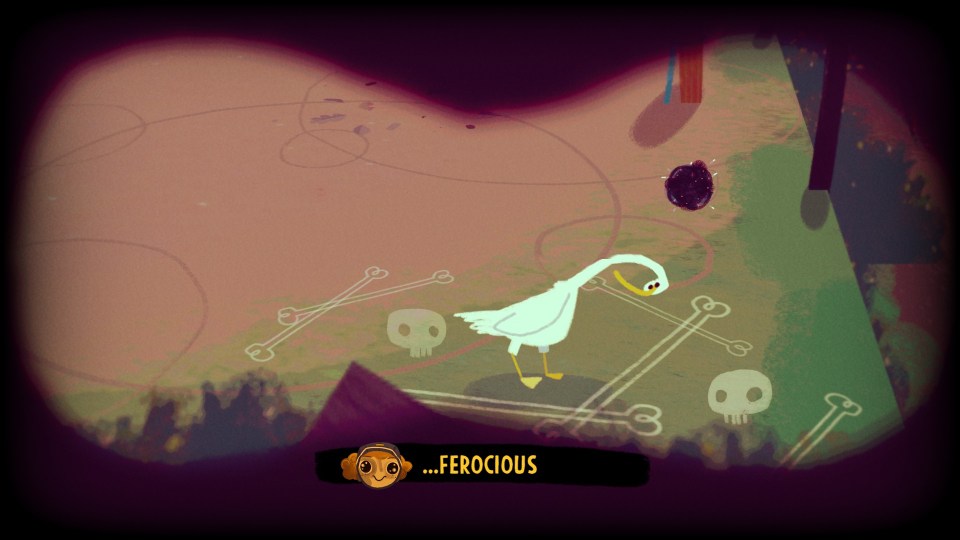
But here’s the thing, there’s a goose that follows you around named Captain Honkers who I love more than anything.  So I’ll go back to Knights and Bikes just to kick it with Cappy Honk-Honk.


I’m actually a little overwhelmed with how many games have just hit in such a short period of time, and it doesn’t show much sign of slowing down anytime soon.  That being said, it’s a good time to play games, and a less good time to be broke.