A persistent source of frustration for me has always been how my combat encounters would routinely devolve into wars of attrition that were both, not fun to run and definitely not fun to play. I’ve tried a lot of different approaches to injecting life into my combat scenarios, most of which involved putting in interactive elements like turrets and cannons into to my maps and hoping that would be interesting enough for my players to engage with. None of it really worked out the way I wanted it to, but I had to keep trying for the sake of fun.
The list of issues started with me not doing enough preparation in advance of combat-heavy sessions. I cannot overemphasize how important it is to do your prep work for battles. I always thought I’d be able to adjust on the fly and make enemies coordinate attacks and spells in a meaningful way, and while maybe some GMs can do that, I cannot. There’s a fun juxtaposition to behold when comparing my love of D&D to my complete inability to think tactically. My ambushes rarely felt ambush-y enough, my boss battles lacked “oomph,” and no amount of narrative leading up to an encounter could make up for the boring slug-fests they eventually devolved into.
Aside from just knowing enemy abilities and modifiers, one of the biggest things I had to contend with was the concept of how aware of the world around them an enemy should be. Specifically, should my enemies be able to identify the party wizard as such, and then use that knowledge to avoid clumping together in optimal fireball range, or should this band of goblins be thoroughly unfamiliar with the concept of magic altogether? I’m sure that question gets answered differently from campaign to campaign, but it’s something worth thinking about when world building.
Regardless, I never consciously decided that my enemies shouldn’t be aware of spells or tactics adventurers might use, but actively deciding that they could know these things led to me playing them more thoughtfully. No longer would all of my enemies blindly charge the wizard in a single filed formation, ready to sacrifice themselves to an impending lightning bolt. No longer would my enemies be so bloodthirsty that they’d give up every ounce of advantageous positioning just to hit someone with their spiky club. No longer would my enemies be so stupid in combat unless I truly wanted them to be.
All of this is in addition to making more dynamic situations in general. Knock down, drag-out fights can be fun, but peppering having objectives or taking a wave-based approach to enemy distribution can be an absolute game changer. Combat for the sake of combat is fine, but I’ve found that encounters that are spurned on by, or have some consequences pertaining to the larger narrative, have elevated both the game play and storytelling aspects of my campaign.
Recently, my players were infiltrating the warehouse of a courier service, looking for some evidence of an alleged connection to a local drug trade that was ravaging the area. The goal was to find the evidence and get the hell out, no more, no less. The party split up to utilize the various entry points of the warehouse, which led to the rogue darting around in the shadows and scouring the place for clues, while the druid wildshaped into a spider and sneaked into the office where some incriminating files could be found. A few bad rolls later, and the majority of the party is in combat on the warehouse floor, while the druid secured all the evidence they needed on a natural 20 investigation check. While not the intent, the combat turned out to be an excellent distraction for the druid. This led to a moment where the druid had what they needed and ultimately escaped while the other members got utterly rocked by an overwhelmingly powerful enemy and their minions.
There was this pregnant pause before the druid scurried out of the window where they thought, “should I go and help them?” The druid wouldn’t have made much of a difference in combat, so the party agreed that getting the evidence and getting out was the most important thing. The druid left and ran into the night, far away from their friends whose fates were unknown.
Because of how things played out in this combat scenario, the majority of the party was separated from the druid for an extended period of time. Conveniently, the druid had some scheduling issues, so I was able to run a completely different session with the other players about what happened after they were defeated in combat. It was a whole side adventure that really added to the drama of the story and raised more questions about the characters involved, various NPCs, and their backstories. My point here is that dynamic combat has a bigger impact than just cool fights — they can also be the catalyst for interesting story beats.
But overall the biggest change I made was the easiest one to implement, and it’s something I struggled with for a long time: I had to become okay with beating the shit out of and possibly killing the player’s characters. While there is something to accommodating different play styles with varying difficulties, I would tend to bend over backwards to save my players from their bad decisions. I had a nasty habit of pulling punches out of fear that killing a player would make them want to stop playing D&D with me all together. I still have that fear, but now I trust the people around me to actually want to play the game and accept the consequences of their actions.
Just about everything I’ve written about in this article was actively implemented in our most recent session, which saw my players were taking a ride to a northern city aboard a dwarven ship. The ship was attacked by a rampaging group of Sahuagin, who were just as interested in scuttling said ship as they were killing its passengers. Instead of just making these Sahuagin horny for stabbing their enemies to death, I had some of them also attack the ship directly, which dovetailed into a whole mechanic for patching holes in the hull. I simply made some enemies change targets and it made a world of difference and especially heightened the drama behind something so benign as checks to patch the boat.
Just as they thought they had things under control however, a second wave of enemies emerged from the ocean, both boarding from atop the deck and through the already battered hull of the ship. I had hearty fish-lads, soaking up just as much damage as they were doling out. I had a spell caster keeping the rogue and druid from standing still and getting too comfortable. And I had a big, legendary action-filled boss wreaking havoc among NPC and PC alike. The battle was chaotic and I could see the desperation in my player’s eyes when they really needed to roll well. They were pushed to their limits and depleted of resources, but they managed to squeak out a victory. It was awesome.
The truth of the matter is that there is no “one-size-fits-all” approach to anything in D&D because every group is going to want something different. These things worked for me with my current group but that won’t always be the case going forward, and it’s important to acknowledge that. I think the simplest and most valuable tip I can offer is this: you need to know what’s written on the page. Knowing what behaviors and abilities a creature has is invaluable when running a game, because role-play doesn’t suddenly stop when you’re in combat, it’s just different. Knowing why an enemy is attacking and how it likes to attack is just as important as knowing what kind of damage dice it rolls.
Thanks for reading this article, and consider subscribing to The Bonus World so you can get an email updating you whenever we publish something new.
Welcome to the Spotlight! Every month I roundup every notable gaming, viewing or listening experience I’ve had in the prior 30 or so days, and assemble them into one big article.
For the month of April, 2024, here’s what I’m shining the spotlight on.
Games
Stardew Valley
An agricultural pox has taken control of my household, which has led to an inordinate amount of time being spent playing Stardew Valley between my partner and I. For two years, I have tried to get my partner to play Stardew Valley because I knew it would be extremely their shit, but they were resistant for one reason or another. It wasn’t until I saw how much time they’d been putting into the Nintendo Switch’s online service version of Harvest Moon that I knew this was the time to push the issue once more — and this time it worked.
To be completely clear, I’ve never been a fan of Stardew Valley, but I had seen rumblings from people lauding the recent 1.6 update and figured I’d give it another shot. I thought it could also be a fun cooperative game for us to play, but the split-screen experience is really rough for people who enjoy being able to see and read the many necessary tool-tips in the game.
Our split-screen experience ended quickly, but since then we’ve both poured in dozens of hours into our respective farms. With this being the first time I’d really gotten into the game, I’ve been kind of shocked to see how different the PC version (that I’m playing) is different from the Xbox version, solely because that coveted 1.6 update is only on PC for the time being. But not having all of the extra bits of content I have hasn’t stopped my partner from engrossing themselves into Stardew Valley. And while we aren’t playing cooperatively, I am able to sit on the couch beside them and boot up the PC version on the ROG Ally and still play together in a manner of speaking.
Stardew Valley is very good, and I’m really happy it’s moved into our home.
Overwatch 2
I don’t know, man. This just kinda happened. My friend was streaming Overwatch 2 in our Discord, and it looked so colorful and vibrant that I just decided to install it. Having dumped a lot of time into Overwatch and ultimately falling off of it in a major way, it’s been kind of nice to occasionally return to this familiar world I had spent so much time in at one point.
Not having played for six years I was struck with the sensation of, “everything feels different,” and, “nothing has changed.” I still remember the broad strokes of playing certain characters, while others I used to play have been completely retooled. The player select screen is comprised of about 40% unknown characters, while most of the maps I played were old standards but at a different time of day.
I don’t know if I would say that Overwatch 2 is a good game, but I will say it’s built on the bones of a good game, and that still shines through. The shooting feels good, the levels are well designed, and the characters are fun and endearing. But none of that is exclusive to Overwatch 2, and it was all true of regular ole Overwatch. I think it’s best that Overwatch 2 remains a “sometimes food” for me and not something I play regularly, because I’ve burnt myself out on Overwatch before and I’d prefer not to do it again.
Open Roads
It is really difficult to talk about Open Roads because of how weird of an experience it was. For the uninitiated, Open Roads is an adventure game that follows the journey of a mother and daughter who take a road trip to unravel the mystery of a potential secret affair the daughter’s grandmother may have had.
On paper it’s a really interesting premise, and after completing the game I can confirm that the story is well executed and compelling. The main issues I had with Open Roads however, revolved mostly around the fact that you’re not really doing anything throughout the game, and the voice acting actively got in the way of “playing” the game.
You don’t really do anything in Open Roads aside from slowly walk around an environment, picking up notes and objects that may or may not be plot relevant, and waiting for your character to comment on them. Collect all of the plot relevant objects and you can move to the next scene where you do the same thing, and that’s it.
But you can’t do that too quickly because you have to endure the characters commenting and bickering over every little item you find, even if it’s not relevant to anything. Kaitlyn Dever and Keri Russell play the daughter and mother respectively, and they do a really good job with it even if the writing isn’t always top-notch. I understand that this is an adventure game, but at some point it felt like since the studio paid these actors to record lines, they overwrote the script.
Ultimately Open Roads is fine. I still think the story itself is neat, but it could have been told in half the time it takes to actually play the game. Regardless, for fans of games like Gone Home and the like, I’m fairly certain you’ll find something worthwhile here.
Botany Manor
Botany Manor is a pretty straightforward first-person puzzle game that, at its core, is about organizing and deciphering clues in order to correctly grow fantastical flowers. You’ll spend most of your time plodding through the grounds of the titular manor, interacting with every scrap of paper, book, and painting you can find in order to obtain the clues you need and add them to your ever-expanding book of horticultural facts.
It was satisfying to pore over newspaper clippings about weird natural phenomena that took place in a specific region of a country, and then apply that to what temperature some seed would best grow at. It gets a little more confusing when the game has you juggling several plants at once, meaning you have to figure out which clue is relevant to which plant, but I think that’s a good part of the challenge and not necessarily a knock against it.
What is frustrating about Botany Manor is how much backtracking you’ll inevitably end up doing because your clue book isn’t as helpful as you need it to be. For instance, I’d find a document about how different plants require different temperatures to grow, and one of the listed flowers happens to be the one I’m working on. When it’s added to my clue book however, it just adds the name of the clue itself rather than the information I need. Having “book of temperatures,” in my clue book isn’t helpful because the information I need is actually on the document, and to see that information again, I have to hike back to the location of the document.
There are a lot of little frustrations in Botany Manor that all boil down to either tedium, or arcane nonsense, which I suppose is par-for-the-course with a lot of adventure games. Ultimately, I did enjoy a lot more of Botany Manor than I disliked, but I cannot emphasize enough how much help it will be if you just keep a notepad by your side when you play.
Fallout 4
I’ll be talking about Fallout more in a later segment of this article, but like everyone else, watching the Fallout series on Amazon Prime emboldened me to once again attempt to play Fallout 4. On this (seemingly final) attempt at playing it, I’ve realized that I prefer watching a story told in the Fallout universe way more than I enjoy playing around in it. I’ve also realized that it is still a painful process to attempt and play Fallout 4 in a modern computer setting.
I don’t like the Fallout games very much for a lot of reasons that range from genuine issue with how janky they (and most Bethesda games) feel to play, especially when they first launch, to thinking it absolutely ridiculous that bottle caps are the fucking currency in this world. As if everyone turned into children when the bombs dropped, somehow bottle caps were the thing they valued the most. And I’m sure there’s some great lore reason for it, but you can save it for someone else.
As of writing this, the modernization patch for Fallout 4 hasn’t released yet, so understand where this next criticism comes from. I tried two approaches to playing Fallout 4, the first of which involved using the PC Gamepass version, and the second of which was on Steam. Both versions could not cope with the fact that I had more than one monitor, and refused to let me play at modern resolutions until I tricked them into thinking one monitor was my primary one, while disabling another. That alone was a enough of hurdle for me to not want to play the damn game, but there was more. For some unknown reason, the Gamepass version of Fallout 4 ran at about 15 frames a second regardless of what monitor or graphics settings I had selected. Pivoting to Steam helped, but the game still didn’t run great on a modern PC.
But even if I could play Fallout 4 properly, I know the first few hours of that game pretty well, and it’s fairly dull. My understanding is that the “good stuff” doesn’t really show up until after you get your feet under you, which in my opinion, takes a longer amount of time to happen than I’m willing to spend on stuff that I’m not enjoying. I’ll probably pop back in once the patch is released, but technical issues are only half of why Fallout games and I don’t get along.
Update: The patch didn’t really do anything. It still runs like garbage.
Celeste
Celeste is a very difficult platformer with a killer aesthetic that was more than able to power me through the more frustrating bits of this phenomenal game. I feel like lauding the accomplishments of Celeste is well-worn territory at this point, so I’ll just say that I also think it’s a fantastic game that’s more than earned every piece of praise its received. If you’re a fan of screaming at your television in anger, then you’ll love Celeste.
Role for Initiative
Updates from the Campaign
I’ve been running a modified Keys from the Golden Vault themed campaign for a few months now that’s been going splendidly. My players are engaged in my story, combat is challenging but not unfairly so, and my players are slowly but surely leaning into the role-play elements of D&D, even if most of them don’t do character voices. It’s remains one of the most rewarding creative endeavors I’ve ever participated in, even when you factor in some of the speed bumps and such that we, as a group, have had to navigate.
I hesitate to say too much, but a prime example is a recent session where my players got a lot of evidence about a broader mystery that’s been unfolding throughout our many sessions, and watching them piece together the different clues into something coherent was an absolute treat for me. It was this justification moment for me, where I had successfully written a compelling story that my players weren’t just letting wash over them, but they were actively perplexed by and trying to solve.
Moments like that, where I can watch my players try and figure out things and have genuine revelatory moments where something clicks, is just pure satisfaction for me. I honestly think it’s why I enjoy being a DM so much more than just being a player. I absolutely relish the moments where I can make them so flummoxed by a mystery, or feel genuine emotion about something good or bad happening. The best explanation I can offer is that it’s the ultimate form of feedback, better than someone just telling me they enjoyed something, when I can produce something people actively want to engage with.
There’s nothing quite like playing TTRPGs, and I cannot believe it took me so long to get onboard with this genre of game.
Watch List
Fallout
I don’t want to set the world on fire with my “hot-takes,” but I thought the Fallout show was really good. That’s right, I said it. But for real, the Fallout series managed to tell several extremely compelling stories in a universe that I historically have not enjoyed.
I really have nothing but good things to say about the series. I did find myself in the weird position of having to explain Fallout lore to my partner, despite being an unreliable narrator at best. It was kind of remarkable to see how much lore I had absorbed through osmosis, and most of it I got right — probably. I just assume the nastiest version of a thing is true in this world, like, “sure, they definitely drink their own piss.”
You can find dissections of the plot and such all over the internet, but I wanted to highlight my favorite one. I’m sure other people have pointed this out, but I had a realization while watching the story line dedicated to the Brotherhood of Steel, wherein there was a Knight who wore the silly looking Power Armor, and a Squire who followed them around with a bag of supplies. The Knight was clearly supposed to represent the player character in any given game, but the story focuses on the Squire, which in-game, is an NPC that’s more than willing to haul your shit around for you. Having the default knight be this murder-hungry try-hard was just icing on the tongue-in-cheek cake.
Once again, not a unique take, but I just thought that was a fun little nod to fans of the games. But the Fallout show is filled with fun little references to the games that all manage to avoid feeling pandering somehow, although I’m sure there’s someone who would vehemently disagree with that. As I’ve stated this earlier, but I’m not a fan of the games, but I really enjoy this show and cannot wait to see a second season.
It was only a matter of time before big-box stores started shuffling physical media out the door and barring them from returning. It’s weird to see it actually coming to fruition though, and not just persistently living as this looming threat. While it’s probably a prudent business decision, it still sucks.
Admittedly, I never was a big fan of the Little Big Planet games, but even I know how beloved these games and their creation tools were. While sad to see the community have the plug so unceremoniously pulled, it’s not entirely unexpected considering the last mainline Little Big Planet game came out a full decade ago. Hopefully something new is in the pipeline to fill the void, but it doesn’t change the fact that so many creations are now lost to time.
It sure feels like a lot of these kinds of stories have been cropping up over the past few years, yeah? This stuff is so over-the-top and would seem comical were it not actually impacting actual people’s lives, but that’s kind of the reality of things these days. Still, we need to constantly call this kind of horrific bullshit out at every opportunity until there is real, systemic change.
Thanks for checking out The Spotlight. We’ll be back at the end of May with another installment. Consider subscribing to The Bonus World so you can get an email updating you whenever we publish something new.
Before we dive into the meat of this post, I feel that a little housekeeping and contextualization couldn’t hurt. This is the Spotlight, a new feature I’m launching here on The Bonus World. It used to be that whenever I’d do anything tangentially related to my hobbies I’d find a way to turn it into a piece of content for this website. As time wore on however, I felt that impulse to transcribe any meandering thought into an article diminish significantly.
The Spotlight is effectively part newsletter and part blog post. It’s meant to encapsulate what’s been going on in the TBW orbit for the past month. Games played, articles read, movies watched, an so on and so forth, The Spotlight is intended to be the big bucket that everything falls into. So here’s the bucket, hopefully you enjoy digging through it.
Welcome to the Spotlight, a monthly recap of what’s been going on in my particular corner of nerdiness. Whether it’s a rundown of great or miserable gaming experiences I’ve had, movies or television shows that I found engrossing, books, albums — truly anything I can recommend, it’ll be here in the Spotlight. With this being the first one of these, I’m going to cover both January and February of 2024, mostly because at this point I can’t differentiate between the events of each respective month.
Let’s dive in.
Games
Baldur’s Gate 3
Starting with a big one, Baldur’s Gate 3 continues to be an obsession of mine, although I can feel its grip on me starting to loosen. I thought I did a pretty good job of combing through everything during my first playthrough of the game, but surprising no one else but me, it turns out there’s a lot of hidden goodies left to find and experience.
I will say though, I’m finding it a little hard to muster up the enthusiasm to progress the story forward. Knowing what the main beats are already and being overly familiar with the fights and locations I’ll have to trudge through doesn’t exactly fill me with excitement to experience that stuff again. It’s a tremendous game with great story, but I have so little interest in emptying the Goblin Camp or navigating the Shadowlands ever again.
What I am curious to see is how long until the Baldur’s Gate 3 community goes all Skyrim on me, and creates total conversion mods that reshape the bones of this spectacular game into a completely different experience altogether. It’s bound to happen at some point, especially considering that official mod support is on the way. I think putting BG3 on the shelf for now makes sense, even midway through my current playthrough, that way I won’t burn out on it completely and never return to it.
Prince of Persia: The Lost Crown
Back in the middle of January, I was looking for something I could really sink some time into that wasn’t Baldur’s Gate 3. Coincidentally, I had heard pretty phenomenal things about Prince of Persia: The Lost Crown, a search-action game that, by all accounts, was a “must play” for 2024. If you’re deeply into the search-action genre of games then there’s definitely something here for you, but I was left feeling a little cold from the whole experience.
Prince of Persia: The Lost Crown isn’t a bad game, it just never clicked with me. I found it overly punishing to a degree that really thwarted my willingness to explore and go off the beaten path. In some of the tighter platforming sections, I had a lot of difficulty getting the controls to feel responsive. I know I’m getting older, but I’m not ready to blame my failures at safely navigating enemy-free areas on my old bones and wavering reflexes.
I’m sure that I’m in the minority on this, but I just didn’t have a ton of fun with Prince of Persia: The Lost Crown. It’s also worth mentioning, it’s basically a full priced game, retailing for 50 bucks which might be a little steep for what you’re getting, but that’s an entirely subjective matter and I get that, so your mileage may vary.
Fall of Porcupine
Fall of Porcupine is the most Night in the Woods-ass looking game since Night in the Woods. Talking animals? Check. An fun art style that makes you think that the subject matter couldn’t possibly be that dark? Check. A lot of talking to seemingly depressed anthropomorphic animals who seem to be trapped in the day-to-day drudgery of modern life? Yeah, that’s there too. It’s eerily similar to Night in the Woods, one of my favorite video games ever, except for that Fall of Porcupine isn’t very good.
Truly heartbreaking for me, but this game doesn’t hold a candle to Night in the Woods. But I can’t just keep comparing it to that game, so here’s what’s up with Fall of Porcupine. You play as a pigeon named Finley who recently moved into a small town named Porcupine where you just started your residency at the local hospital. The game is supposed to shed light on the mental, emotional, and sometimes physical turmoil our healthcare workers experience, which is absolutely a story I’d like to play through. But from the jump, the game exposes itself to be this overly verbose, meandering and listless experience, where nothing makes sense and everyone talks way too much about nothing.
I know that’s a weird criticism to drop on an adventure game, but everyone, especially your main character, talks way too much about everything. Not one ounce of subtext remains as Finley will tell you in excruciating detail his conflicted feelings about the offerings in a vending machine. It’s brutal and the game isn’t great about letting you quickly breeze through dialogue. Everyone pontificates about nothing for so much longer than they need to, and it’s such a slog.
I can’t even tell you if it gets better though, because after about an hour of playing Fall of Porcupine, I’ve reached a point in the game where I need to go to a certain part of the hospital, and every time I reach the first floor, the game crashes. I would love to know if Fall of Porcupine gets any better, and I would probably see it through regardless if it just could hold together long enough for me to do so. I guess I’ll never know.
A Little to the Left
To me, there’s nothing like a good “vibes” game. That doesn’t necessarily mean it makes you feel good, but the overall atmosphere and gameplay are just really pleasant. A Little to the Left is absolutely one of these games, even if it occasionally veers off into obtuse puzzle territory from time to time.
A Little to the Left is a puzzle game about organizing household items, sometimes to an excessive degree. The game starts simple enough, having you adjust some crooked picture frames and put some cat toys back into the wicker basket they came from. Several puzzles even have numerous ways to complete them, reflecting different organizational impulses, one of which involves a shelf of multicolored books of varying sizes. The game accounts for several gut reactions for organizing, and will accept organizing them by color or size. Once you complete the level it’ll let you know that there was another way to do it, so you can go back and tackle it again.
Things get a little weirder later into the game, where the granularity of the items you’re organizing is kind of odd — at least to me. Several levels involve you finding room for single thumbtacks, a gold tooth, and a handful of bent nails. That last one strikes me more as an opportunity for throwing it away rather than finding a way to fit it into your life. Like, when am I going to need a bent nail? A lot of the later levels feel nonsensical in relation to the overall organizing theme, because more often than not it’s a smokescreen for a pattern recognition puzzle dressed up as tidying your home.
All things considered, A Little to the Left is a chill puzzle game that isn’t too taxing. Despite being available on the Xbox, I’d suggest doing this one either on PC or mobile purely because interacting with this game via a controller isn’t spectacular.
Brotato
The first time I booted up Brotato I thought it was a stupid game with bad art. While my opinion of the art hasn’t really changed, I was eventually won over and pleasantly surprised to find a game that played into my love for Vampire Survivors without being a carbon copy. Just like Vampire Survivors, Brotato is an auto-shooter that’s focused on random drops that upgrade weapons and stats that you can then use to make your potato person more deadly and effective against the ever growing onslaught of weird alien enemies.
In Brotato, you start a run by picking a particular potato character from a list of well over 20 potatoes. Each of these guys has stat bonuses, specialties and in some cases, significant drawbacks. You’ll get guys with no armor but incredible health regeneration rates, or classes that can only use melee or explosive items. You pick your opening weapon and difficulty, and square off against your first wave of enemies. Once the wave ends you can buy new or upgrade weapons or bump up your stats if you’ve leveled up during the wave. That’s kind of it, really.
While Brotato can be tough, I found it to be an overall kinder and gentler game than Vampire Survivors is. While the art never won me over, the gameplay certainly did. If you like auto-shooters, maybe give this one a whirl.
Enshrouded
Enshrouded is a game that by all accounts I should not enjoy, but I really do. It’s one of those stick and rock games that has you punching trees to collect resources and what have you, but it quickly reveals itself to be something much different than your run-of-the-mill survival game.
The core conceit of Enshrouded is that the world is covered in these pockets of “shroud,” which is basically an area where zombies and other baddies are spawned from and hang out. These zones range in deadliness, with the earlier and easier versions just slowly ticking away at your health, while the worse ones will just insta-kill you the moment you step inside of it. How do you avoid that? Unsurprisingly, the answer is crafting. But in a shocking twist, it isn’t just crafting.
Enshrouded is a very lightweight survival game, which is probably why I enjoy it so much. The core idea is that if you engage with the survival mechanics, you’ll find it to be exclusively additive rather than punitive. For instance, drinking water just makes your stamina meter bigger, and food makes your health bar larger and helps with regeneration. Not engaging with that stuff isn’t a death sentence like it is in other survival games, it’s just something that only helps you.
Aside from the light survival mechanics it’s also a decently fun action game. Fighting enemies in these kinds of games is usually a slog, rewarding the items you bring into a fight more than your ability to fight. So if you crafted a better sword than your enemy, you can just hold the attack button and whittle away more of their health than they can of yours. Enshrouded is not like that. Combat feels good and weapons have some weight to them. There’s also a good dodge roll that allows you to tumble around your enemies like some sort of bootleg Dark Souls game.
I haven’t dug too deeply into Enshrouded just yet, but I’ve really enjoyed what little I’ve played of it thus far. It’s a game that’s interested in letting you explore the world and spec out your character however you want with a wide variety of skill upgrade paths for you to explore. A lot of survival games I’ve played in the past felt like they were more interested in me building a safe zone where I could be sustainable, whereas Enshrouded feels more about exploring and fighting bad guys.
Ultimately I think Enshrouded is great and I can’t wait to see how it evolves over the course of its early access period.
Warioware: Move It!
I don’t know about you, but I love myself a good Warioware game, and Warioware: Move It! is a very good one of those. There isn’t a ton to say about this one other than it’s got a lot of fun and sometimes inscrutable micro-games that come at you fast and furious.
My partner and I played the hell out of Warioware: Move It! for the few sessions it took us to completely annihilate it, save for a handful of micro-games that are, in my professional opinion, absolute poppycock. The fidelity of the Joy-Con motion controls aren’t great which led to a lot of my frustration, but they were good enough to get us through 90% of the game without issue.
Warioware: Move It! is great and if you’ve liked those games in the past, you’ll enjoy this one too. Oh, also I should mention, if your body is like mine and is constantly betraying you and making new and horrifying noises everyday, try to remember that the game is tracking the movement of the controllers and not your actual human bodies. There is a particular micro-game that was responsible for me throwing out my back, twice, because it encouraged me to dodge something as if I were Neo in the Matrix. So look out for that one.
Return to Grace
Return to Grace is a first-person adventure game that tells the story of a space traveling archaeologist named Adie as she goes out in search of the titular Grace, an AI god who went mysteriously went dormant centuries ago. In the most reductive terms, Return to Grace is a walking simulator that, for better or worse, has a lot to say.
That isn’t a knock on the actual content of the story of Return to Grace, which I think is pretty decent for what it’s worth, but quite literally, this 2 to 3 hour adventure game is mostly about listening to dialogue, whether it be in the form of the many bickering AI fragments of Grace you meet along the way, or the dozen or so audio logs you find throughout the retro-futurist facility you’re exploring.
Exploring the abandoned facility in Return to Grace feels a lot like how I would imagine it would feel to wander through a long abandoned Rapture from Bioshock. It’s unnerving being the only living soul walking around this gigantic (for lack of a better term), space station. This place served as the holy site for all of Grace’s followers from across the galaxy, but there isn’t a body or skeleton to be found. It’s the visual presentation of Return to Grace that really does a great job of engaging you with its mystery and really goes a long way to keeping you on the narrative hook.
But for all of my praise for Return to Grace, it has one massive shortcoming: it’s an absolute slog to play. You’d think that the story wasn’t well written or paced or something to that effect, but it’s none of those things that ultimately slow Return to Grace to a crawl, it’s outrageously stupid gameplay decisions that kill any momentum you start to build. In a game about walking, talking and inspecting things, you would expect to be able to do some of those actions simultaneously.
Truly the cardinal sin of Return to Grace is how often it stops you from doing anything until dialogue is over, and like I said earlier, this game is 99% talking. Those AI fragments of Grace have a lot to say, and bicker constantly. Should they be doing that while you want to open a door, that’s too bad for you. Even worse, if you decide to listen to an audio log, you’re not even allowed to move at all. You just have to stare at your fancy wristwatch as an audio file plays at you. It feels like the developers didn’t want you to miss any dialogue, so they ensured that you couldn’t by stifling your ability to move forward.
Return to Grace‘s biggest strength is in its storytelling, but it suffers dramatically in the act of telling you that story. Because of this weird limitation in your actions, this 2 hour game effectively doubles because your character is incapable of listening and opening a door at the same time. Even with that though, I still think Return to Grace is worth playing or at least watching a playthrough of. Sure, the story it’s telling walks through some well-worn territory, but it’s still effective in how it does it. Just know that this is a game that you cannot rush, no matter how hard you might try.
Role for Initiative
Updates from the Campaign
A little while back, my TTRPG group and I finally wrapped up our 2+ year long Eberron campaign that much to my dismay, didn’t have the narrative payoff I was hoping for. We were pressed for time and at a weird spot, so I had to basically cut a boss fight in half and rush through a lot of stuff — but we had fun nonetheless. Shortly after that campaign ended we pivoted into our latest one, took a long break because someone (me) had to move, and eventually picked back up.
I found that between moving and job searching, having to write an entire campaign from scratch was going to be a nonstarter, so I opted to run the very well-received anthology book, Keys From the Golden Vault, as a campaign. Me being me, however, I decided to write a whole-ass story to exist in parallel to the missions in the book. Honestly though, I’m finding this story to be infinitely more coherent and engaging than my previous one.
Additionally, I feel as if I’m doing a much better job of taking my hands off the wheel in this campaign than I did in our last one. At some point in our last campaign, I kind of wanted the story to end and was maybe a bit more obvious about which thing they could do would advance the story. I’m sure I’ll get around to telling some of the weird stories about our current campaign, like the time one our characters used a dead body to mulch their garden, or how one of my players is 2 for 2 on ending up in a jail during a mission, but now isn’t that time.
Watch List
Modern Family
At the time of writing this, I think my partner and I are pretty close to rounding the corner on the tenth season of Modern Family and begin its eleventh and final one. Despite being around for 11 seasons, this is the first time I’ve ever watched any of it, and to be honest, I think it’s a pretty funny yet flawed show that’s just endearing enough to keep me from tuning out completely.
My chief complaint lies in the fact that while there’s a lot of character growth that’s implied to be happening at the end of just about every episode, none of the characters ever seem to stop engaging in the toxic behaviors that we’ve just spent an entire episode witnessing. From season to season the characters never actually learn the lessons of their past and continue to act like caricatures of themselves, continuously neglecting and manipulating one another. Most of the conflicts in these episodes could simply be resolved with marginally better communication, and it’s very frustrating to watch that theme be so pervasive throughout the dozens and dozens of episodes we’ve watched.
That kind of lack of growth normally bothers me in long-running shows. I tuned out of It’s Always Sunny in Philadelphia a few seasons in because I found none of the main characters redeeming at all. No one grew or learned a lesson, they were consistently shitty to each other and everyone they met, and I felt like I could never root for these people, because they’re ultimately bad people. Modern Family does just about everything I didn’t like about It’s Always Sunny in Philadelphia, except I think it has a lot of heart that makes it incredibly endearing. At the end of the day, they prioritize their family and make the right decision, even if by the next episode they’re just pulling the same shit again.
The other real sticking point for me is how haphazardly the show adopts and abandons plot points and characters. Maybe it’s intentional, but it feels hilariously sitcom-esque in how new characters and plot devices are constantly rotating in and out. For example, there’s an episode about a character having a job interview that goes hilariously badly, but in the end they still get the position. It’s been like 15 episodes and that has not been addressed again. Does that person have a job? It sure seemed like it, but I’ve yet to see that come back into play.
For all of my kibitzing though, it has proven to be a consistently enjoyable show for my partner and I to veg out on the couch and watch, even if it does mostly serve as background noise these days. The jokes still land and we still laugh. I am scared for what we’ll do once we exhaust all 11 seasons though, because we have a tough time agreeing on things to watch.
Trial By Fieri: An Ill-Advised LTTP Randomized Run
This is probably going to be a theme in these Spotlights going forward, but I’m a big fan of the McElroy Family and a lot of their content, including the very funny Trial By Fieri: An Ill-Advised LTTP Randomized Run. To break the title down for those who just see a jumble of nonsensical words, Trial By Fieri: An Ill-Advised LTTP Randomized Run, is a randomized playthrough of the Legend of Zelda: Link to the Past, where all of the items and enemies have been jumbled up, and Link has been replaced with an excellent Guy Fieri sprite that dies in one hit.
If any of what I’ve said sounds remotely interesting to you, then I heartily encourage you to check it out. Despite having watched it before, I find it to be excellent background noise for when I’m playing a game or half-focusing on something else.
The Daily Show
Not since Jon Stewart retired back in 2015 have I watched an iota of The Daily Show, not because I doubted it was still a decent show, but because I couldn’t really imagine anyone but Jon Stewart behind that desk. That was then and this is now. Jon Stewart is back, only if it’s just on Mondays, and I couldn’t be happier. I’ve always liked Jon Stewart and his interpretation of current events, and it’s good to see him back in the saddle. Here’s hoping that he does more than just Mondays at some point.
Listening Party
The Artist in the Ambulance – Revisited
If you ask me, 2003 was an excellent year for music. I twas jam-packed with some of my favorite albums of all time, from Radiohead’s Hail to the Thief, The Postal Service’s Give Up, Fall Out Boy’s Take this to your Grave, Black Rebel Motorcycle Club’s Take Them On, On Your Own, Brand New’s Deja Entendu, and of course, The Artist in the Ambulance by Thrice.
Twenty years later, Thrice decided it would be super cool to remind every fan of that album about the passage of time and our mortality by rerecording and releasing the whole dang thing with some help from some other musicians. Wouldn’t you know it, these 40+ year old men still have got it. This album has always ripped and continues to do so even in its rerecorded state.
Not many things from 2003 have aged particularly well. The Artist in the Ambulance – Revisited is certainly one of the more pleasant time capsules you could open up, granted you’re into that kind of music. Regardless though, 2003 was crazy good for music. Seriously, look at this list, I’m sure you’ll find something excellent.
The Adventure Zone Versus Dracula
I told you that this McElroy Family stuff was probably going to be a consistent theme throughout a lot of these posts, so here we are again. The Adventure Zone Versus Dracula is the latest D&D 5e campaign that the McElroy Family is running, and it’s an absolute laugh-riot.
For the uninitiated, The Adventure Zone is a podcast where the three McElroy brothers and their father play role-playing games together, the first arc of which, called “Balance,” being my favorite campaign by far. It’s ebbed in quality and won’t gel with everyone, especially considering the group’s, “rules-light”, approach to playing games. The priority is telling a fun story over stringently adhering to the rules, which I find to be a great on-ramp for TTRPG-curious folks.
I’ve had a pretty complicated history with The Adventure Zone and a lot of the campaigns they’ve run, often times feeling a lack of grounding or sense of place. In the past I’ve felt that some of the game systems they’ve used in the past weren’t particularly interesting to listen to people play or weren’t conducive to the kind of story they were trying to tell, which is why the return to 5e was somewhat comforting.
I approached this campaign with cautious optimism, but was immediately won over within minutes of the first episode. Not only is it hysterical, but the players have excellent chemistry with each other and just enough familiarity with the game that they’re playing that keeps the pace of play and jokes nice and quick without letting the show from getting bogged down in rule clarifications. The setting and story are fantastic, and I’ve yet to feel overwhelmed by the information that DM Griffin McElroy has doled out thus far.
As of writing this, only a handful of episodes are out, so maybe the quality falls off a cliff or something. But as it stands, I think I’ve listened to that first episode about a half a dozen times, and it still hasn’t gotten old. If you’re looking for a D&D flavored way to kill an hour, I’d give the first episode of The Adventure Zone Versus Dracula a listen.
My Horrible Upstairs Neighbors
If you’re a fan of silence and quiet contemplation, then I’d recommend you don’t actually listen to my horrible upstairs neighbors. I’ve never met these people, which is honestly a good thing cause I don’t think I’d have anything nice to say, but they seem like some of the most inconsiderate folks around.
I’ve identified two of them based on the noises they make. There’s what I presume to be a teenager in school, because the noise they make tends to stop occurring during school days from like 7am to 3pm, and another who doesn’t show up until later in the day, who apparently does everything in their apartment in the clackiest heels you’ve ever heard. Together I think they have bowling ball dropping competitions or practice juggling hammers, and we get front row seats to that every night.
They drop a lot of stuff, they have either one or seventy small yappy dogs, the teenage one may or may not be a streamer because they play video games in the most over-the-top fashion I’ve ever heard of, ever. I legitimately thought there was an actual problem at first cause all I would hear through the ceiling was someone shouting, “Help me. Save me. Stay away,” and other things of that ilk. Soon it was followed by taunting other players or screaming for revives in a way that let me know that they were just a HARDCORE GAMER who occasionally uses some pretty miserable language.
If you’re wondering why I’m writing about this at all, let me just provide some context here and say that my office is directly underneath where the uber-gamer does their thing, and they may or may not be doing it right now. Ultimately, the saddest part about this whole experience is that they aren’t the worst neighbors we’ve had.
The Rest
Piranesi
Turns out that they make books that aren’t just reference materials for running TTRPGs. I know that because I’m actively reading one of these books, and there isn’t even a single goblin in it — yet. Piranesi is a very tough book to describe, but at its basest form, it’s a fantasy novel unlike anything I’ve ever read before.
The titular Piranesi is an inhabitant of this massive, seemingly endless 3 story mansion boasting decadent halls filled with marble statues and little else. It is written as a series of diary entries that this man is making as he chronicles his days and expeditions into more unknown sections of this endless mansion.
It’s been a while since I’ve engaged with a piece of media that’s hooked me in purely on my curiosity alone, but Piranesi truly has me in its clutches. I want to know more about literally everything that’s happening in this world, which may or may not be a bad thing to some extent. The early portions of this book are a bit of a tough read purely because of how ephemeral everything feels. There’s very little to ground yourself with because everything is being described by someone who may or may not have any understanding of the real world, if there even is one in the fiction of this book.
While I’m still not done with it, I’ve heard it eventually gets to the, “I can’t stop going,” point and really pays off. A few chapters in though, and I’d gladly recommend the one fiction book I’ve read in the past 5 years to anyone who would ask. Although I guess technically my many TTRPG books are fiction.
A+ Certification
CompTIA is the voice of the world’s information technology industry. (PRNewsFoto/CompTIA) (PRNewsFoto/)
I’ve been studying up for my A+ certification test for a few weeks now and boy let me tell you, there is no more miserable feeling than voluntarily watching the rug be pulled out from underneath you. I thought I had a decent grasp on technology, not an extensive or particularly great one, but a decent one. I’ve built computers, I’ve troubleshooted lots of hardware, software and network issues in the past, so I thought I wouldn’t be too far behind when it came to pivoting onto this career path.
It turns out that I knew absolute bupkis before and somehow know less now. Despite hours of reading and researching, tutorials and study guides, the internet to me is basically invisible magic what sometimes makes pornography appear. Seriously, 75% percent of what I’ve learned so far has been jumbled mess of letters and numbers. LDAP, 802.11, 802.3, TELNET, SCADA, DMARC, plenum-rated cables, subnets, octets — there’s so much of this that it feels borderline impossible to learn.
It’s overwhelming and time consuming but it’s also what I want to do professionally. I’ve spent a lot of my life meandering and not committing to anything career-wise, but this is the first time in a while that I’ve felt consistently motivated to fight through those instincts that are shouting at me to “just quit.” It isn’t just about getting my career going so I can maybe be in a better financial situation, but it’s about proving to myself that I’m capable and smart. So it’s back to the IT mines for me.
News
The Riffmaster
They’re making a new plastic guitar for Fortnite. While not a player of Fortnite, I do play a lot of Clone Hero, and my Guitar Hero 3 Les Paul guitar finally stopped working, so I think I’m legally required to buy this thing whenever it comes out.
Xbox, Everywhere
What’s that behind you? It’s an Xbox. Making a sandwich? That’s not ham, that’s an Xbox. Getting frisky with your partner? That’s actually them, but there will be an Xbox in the corner, watching. There will be an Xbox everywhere, even if it’s on a PlayStation.
Baldur’s Gate 3: The Toxic Community
Oh look, another story about a fan base harboring some truly repugnant figures who just can’t seem to not harass the developers of a game they claim to love because a feature isn’t in the game yet. Seriously, what’s wrong with these folks?
Thanks for checking out The Spotlight. We’ll be back at the end of March with another installment. Consider subscribing to The Bonus World so you can get an email updating you whenever we publish something new.
“I just want to feel the sun on my — well, I just want to see the sun for once.” Wrapping the arm of a legless warforged over her shoulders, she and the remainder of the party made their way to the outside of the facility to get a view of the desolate landscape. They placed the unnamed bot down and leaned it up against the base of a statue to a long forgotten god, letting them bask in the sunlight for the first time in their life. Four adventurers sat beside them in a somber silence, and marveled at the setting sun. Admiring the sprawling outdoor vista through the lens of someone who had never had the privilege to do so before. Content for the first time. The light flickered and faded from its eyes, and their body slumped slightly to the side — motionless.
“This sucks,” said one of my players, breaking the silence.
It did suck. That was the point. We had spent a massive portion of our campaign inside of a place that was supposed to be miserable and oppressive, but I was never able to truly make things feel as bleak as I wanted it to. But right there, right at the end of our campaign, I was able to gut-punch them real good.
But the truth of the matter is that I also gut-punched myself, because I realized that moment was the last non-combat thing they were going to do before they sailed off into the final encounter. I’m proud to know that the last role-playing moment they’d have was seeing their characters finally experience sadness, which is a huge accomplishment for me. Bittersweet as it is, this marks the end of our Eberron campaign.
As of writing this, we still haven’t actually done the final battle, but we have exhausted all of my prepared content, something I thought I’d never actually be able to confidently say. I’ve tinkered and fiddled with the final session plan over and over and finally have it at a place that I’m satisfied with, but I still wonder if it’s going to be good enough?
Did I make good on the story? Did I help the characters grow? Have I accounted for every plot point I put forward over the course of the past two years? Definitely not that last one, but even if I somehow did I still would be tense at the very notion that this thing is finally ending.
I think what I’m going to miss the most about our campaign is the world that we crafted together. Our version of Eberron was fairly by the book when we started, but the story and the player’s actions have so dramatically changed the world around them. It’s going to be really tough going back to a vanilla setting that my players haven’t thoroughly sullied. I’m positive that whatever we do next will get just as filthy, if not more so than our Eberron world, but it’s going to take time.
I don’t know about my players, but there’s a lot of emotion wrapped up in this final session for me and I don’t know how to process it. This is by far the longest creative project I’ve ever worked on, and to finally be able to complete it is a massive accomplishment for me. It makes me wish I had been documenting our journey better, something I’m considering doing for our next endeavor.
Ultimately, I’m not looking for my players to have an epiphany or anything from the conclusion of this campaign, but I am curious to see how they react. This is the ending their characters have earned, and I hope that what I’ve prepared for them meets at least some of their expectations. Although, all of this could be for nothing considering they still have to survive my devious gauntlet. So maybe the ending they earn could be a shitty one, and that’s on them — mostly.
From plot inconsistencies to rule clarifications, there are a ton of pressure points that have popped up over the course of every campaign I’ve run, but for the most part any obstacle in a TTRPG can be addressed if given enough time. We can take a brief pause to look up a rule for more clarification or we can stop to discuss how a plot point is at odds with some previously established lore, but the one thing we can’t easily address is a player’s level of investment in what’s happening in the game, and that can be a problem.
For the uninitiated, I’ve been running my players through an Eberron campaign that started with their characters living normal lives in the big city, but has evolved into exploring the Mournlands, a zone of wild magic where incomprehensible horrors exist. I tried to make it a point to not just throw bigger and badder enemies at them in an attempt to emphasize how bad this place is, cause that’s not really interesting or apt to what the area is about. Instead, I’ve genuinely tried to put them in challenging positions where they have to really consider their actions and choices, attempting to make situations less binary than they’ve been in the past.
Despite my best efforts however, when I asked them how their characters were holding up in a mental capacity, I was a little disappointed when some of the answers I got boiled down to, “I’m good.” Really? You’re just fine? I’ve been hitting your characters harder than ever, both in terms of battles and narrative content, but you’re good? Sure that’s deflating to find that my story and world-building haven’t done the trick, but maybe your characters are genuinely taking this whole situation in stride. Fine.
But that investment isn’t just limited to a player engaging with the content of the story, it’s also a question of if their character has any additional motivations outside of just, “defeating the bad guy.” We rarely explore all of the little lifestyle stuff that TTRPGs have to offer, nor does anyone really engage in a vice or follow up on personal quests, but that may just be a result of us having limited time from session to session. I get the idea of not wanting to feel like you’re monopolizing the session with some stuff that isn’t intrinsic to the plot, but some of the most interesting and memorable stuff happens in those moments. My players are more or less tethered to one another and act as a hivemind rather than individuals, although to be fair to them, there isn’t a whole lot else to do aside from experience anguish and suffering inside of the Mournlands.
I don’t want to sound overly negative because I do love my group, they just happen play the game a little differently than I was expecting. I think that part of it is the aforementioned short amount of time we have to play, and the other factor is that I don’t like juggling clocks and timers. Because of that, it ultimately allows them to pocket a bunch of quests and tackle them later like in a video game without much consequence, but that’s something I’m working to fix.
I also think it’s an issue of playing too meta. They know that splitting the party is dangerous and tend not to do it, especially considering I’ve used it against them before. I try to pull them apart from time to time, not just to hurt them, but because I want them to have a chance to act like fully realized characters with their own motivations and goals. I also think it makes for a more satisfying experience when you have some sort of emotional attachment to your character, but maybe that’s just me.
But maybe they are attached to their characters and are experiencing all of these things in their own way. This could be a situation where I’m expecting one thing and getting frustrated because I’m not getting the response I want. Regardless of how they react in-game, they keep showing up and keep wanting to play and make progress, so something must be clicking for them.
This all comes form a place of being hyper-critical of myself and I 100% recognize that. I desperately want to make sure that everyone is having fun, and in my mind that equates to them being invested in the story, their characters, the world and everything else that I’m invested in as the GM. But that isn’t how it works and it’s unrealistic to expect them to care as much as I do about this game that I spend way more time thinking about than they do.
To circle all the way back around to the thesis of this article, how do we address player investment when running a campaign? Unfortunately, I don’t think there’s a clean answer to that. I think, like most elements of TTRPGs, it depends on the people you’re playing with. Simply asking upfront, “what kind of game are you looking to play” might garner some actionable information, but your players might not know what it is they actually want until you’re several sessions into a campaign.
A player might come into a campaign thinking they want tons of role-playing opportunities or that they want to play a character that excels outside of combat, but they might find out that they really just wanna roll some dice and do bigger ouchies to their enemies, which is fine if they communicate that to you.
Like most relationships, communication is so critical to making sure everyone’s needs in a campaign are met. But when they don’t make a distinction one way or another about what they prefer, you’re left in this nebulous zone where you’re just hurling spaghetti at the wall, not even hoping that something sticks, but hoping that they’ll be somewhat interested in one of the piles that’s formed on the ground. A flawless metaphor, for sure.
Ultimately what I’m saying is that I keep trying to decipher what it is my players like so I can do more of that, but I feel like I’m misinterpreting what it is that they want more of and just try any and everything I can think of. The truth probably is that they just like the whole of the experience and are just happy to be playing at all, which is a heartwarming sentiment if true. But if that’s the case, that means they enjoy the fact that I have a small crisis every single time we play, which results in me second guessing myself constantly.
I’m about two years into running my Eberron-themed D&D5e campaign which is finally nearing its conclusion, signifying not only the first long-term campaign I’ve ever run actually ending naturally as opposed to flaming out, but also represents the opportunity to start crafting our next adventure, or in my case the next several adventures.
I like crafting new worlds for every campaign that I run, preferably something that compliments and plays more of an active role in the storytelling rather than just operating as a backdrop. With Eberron, I was able to use the existing setting fairly well by having the players cross through into and explore the untamed arcane landscape known colloquially as The Mournlands. This area of the map is nebulous and not very well defined by design, allowing game masters to plug in whatever they like into that area, which I most definitely have.
I’d like to think I’ve been successful in cramming a somewhat compelling story to into the blanks that the book provides, but I’m still playing in someone else’s world and clashing with the rules therein. So I opt to build worlds of my own with histories and rules that I know because I’m making them up as I go along. If I don’t have an explicit answer for something that might come up while playing, I can confidently make something up without worrying too much if I’m contradicting some already established lore.
The problem is that I never seem to get too far in the construction of a world before getting distracted and moving onto something else. It’s resulted in at least a half-dozen derelict and malformed worlds that lack any real definition outside of one or two cities and some historical events. Sometimes there’s a map involved and sometimes there are even quests and characters, but that’s about as far as I’ve gotten before I try to develop something in a completely different setting.
Most of the time I’m leaping from design to design based on some theme I’d like to play around in or some new mechanics I’ve found. Like when I finally received my copies of Orbital Blues and Death in Space, I was eager to craft a universe filled with planet-hopping adventures and rampant capitalism based oppression but flamed out on that when I realized that making an explorable universe is hard.
There was also the time where I replayed Red Dead Redemption 2 and was deeply inspired to create a wild west themed game, but I couldn’t find a set of mechanics I liked to match it, so that concept died on the vine and gave way to something else that I never finished. I think I also just wanted a game that allowed me to do a bunch of cowboy accents, which was a bigger part of my motivation than you’d think.
Cyber punk, solar punk, Victorian, high and low fantasy, modern day and so on and so forth, I’ve made and abandoned so many worlds and settings in favor of starting fresh with something else, all thanks to my ever wandering eye. I fully intend to finish at least one of these concepts if for no other reason than that I’ll eventually have to when it comes time to start something new, but until then these worlds can stay stagnant in the many, many Google Docs they’re spread across.
I’ve often heard from other creative-minded folks that one of their biggest problems is actually following through on an idea or a concept. I know I’ve encountered that a whole lot on this very website what with all the “grand plans” that never come to fruition, but instead of examining every aspect of my life that’s been a letdown, I want to look at this problem through the lens of running campaigns in Dungeons & Dragons. I’m always thinking of the next grand adventure I can take my players on even if it’s at the expense of what we’re actively doing, and that’s not great.
At the moment, my group is one month into what’s looking to be a two month hiatus from our Eberron campaign that we’ve been playing for what feels like an eternity. At first I considered this to be a boon considering I had been feeling pretty worn out from the constant creative output needed to sustain our weekly play schedule. I thought that this time away would allow me to essentially get the creative juices flowing once more, which they did… just in a different way.
I had a lot of grand plans ranging from content to mechanics that for our Eberron campaign that for the most part were included. I wanted to make sure that the story wasn’t exclusively told by me, which ultimately led to player decisions (and consequences) being the catalyst for most of the storytelling. I managed this by making sure that character creation was a more in-depth process, where I’d learn not only about their characters, but the NPCs that are important to said characters. Having all this lore and backstory come from the players themselves allowed me to craft a story that’s uniquely tailored to them. Sure, Dungeon’s & Dragons is all about reactive storytelling, but that usually takes some time to really be a factor in any campaign. Ultimately what I’m trying to say is that most of what I prepared for took place before the campaign actually started, which led to me having players that were engaged with the world and its events from the jump.
But even though I’d prepped and planned and put all this time and effort into our campaign, over the weeks and months that we’ve been playing, I’ve started to see the pieces of the experience that aren’t coalescing as well I’d have liked it to. From the setting to the lore, I’m seeing all of these things that I could have improved upon if only I had known how they’d eventually turn out, or if I could have seen how much of a pain in the ass a particular plot point or magic item would have been. Sure I can consider this a learning experience whose lessons I can utilize in our next campaign, but instead of waiting for that transition to come naturally, all I can think about is what could be next instead of what I can do right now.
Whether it be a D&D module, some home brewed setting or even an entirely different game altogether, the waterfall of ideas just keeps flowing. I’ve had ideas for classic fantasy bullshit themed games, space themed games, alternate history, wild west, modern day and so on and so forth, all of which I daydream about way more than our current campaign.
Eberron: Rising from the Last War – Wizards of the Coast
I’d consider this to be a pattern of behavior, where I get really excited about a thing and throw myself headfirst into it, only to burn out on it before I can finish. The amount of maps, music, and artwork I’ve made and sourced for this specific campaign is kind of staggering when I try to take stock of it all. From tons and tons of adventures I can plug into the game, to NPCs who might never see the light of day, to entire game systems that will never be played, to just pure story and lore I’ve written that’s just never going to be utilized, I have a lot of things I could do with our campaign but just never seem to have the energy to follow through on.
But I recognized this as a problem a few weeks ago when I found myself prioritizing literally anything else above actually working on the campaign. But now we’re in the middle of a hiatus, and all I want to do is just play D&D again, something I won’t be able to do for another few weeks. In that time I’ve looked into plenty of settings, modules and games that we could utilize for whatever is next, but with so many options and the inability to meet with all of my players to consider them, all I can do right now is really just work on our current campaign.
But just because our current campaign is the only D&D thing I can confidently work on right now doesn’t mean that I haven’t regained some excitement for it. Being away from that world has given a lot of time to reflect on what I can do to revitalize the experience for myself. While I’ve generated some cool new ideas I’m excited to implement, I’ve also had time to reconsider parts of the campaign that I had planned. It feels weird to say that I’ve been cutting content from our adventure, but I think removing those things is going to help the adventure feel more cohesive and understandable. It also means I can focus on the ending of our story and how I’m possibly going to put a neat little bow on this whole experience.
The moral of this story is that you shouldn’t be afraid to take a break from any creative endeavor if you need it. I personally was feeling drained for so long, and just needed time away from the entire concept of rolling dice and adding numbers. Now I feel refreshed and energized, eagerly waiting for the next session to finally come along, but there’s still more waiting and planning to be done before that happens. I should also consider writing down some of these ideas and expanding upon them rather than just having a list with meandering phrases on them like “dragon(s?)” or “A mountain with legs.”
Dungeons & Dragons: Dark Alliance isn’t a very good video game. Some might even go as far as to say that it’s a bad video game, a take that I don’t know that I fully disagree with if we’re being honest, but it does paint the game in an absolute and irredeemable light, which I don’t believe is the case here. Dungeons & Dragons: Dark Alliance is a rough, buggy, clunky game that should have been better, but it misses the mark in so many ways, ranging from combat to its core structure that it will surely require some hefty patches to get it to a recommendable state.
Full transparency here: I was really looking forward to Dungeons & Dragons: Dark Alliance, the spiritual successor the two very good Baldur’s Gate: Dark Alliance games from the PS2 era. This modernization is such a different product than its predecessors, that it ultimately feels like a massive injustice to the legacy of those previous titles. Whereas the originals were top-down, action-RPG games that walked the line between the dense RPG mechanics of Dungeons & Dragons proper, and some genuinely fun brawler combat. I’m sure plenty of folks out there would disagree with that statement but as a young man with no interest in the source material at the time, these games were able to keep me invested and engaged in a way that fantasy properties across all forms of media had failed to do. I was hoping that this new Dark Alliance would illicit some of those same feelings, but the D&D DNA on display in Dungeons & Dragons: Dark Alliance seem like little more than set dressing thrown over a pretty bland cooperative action game.
One of the more puzzling aspects of Dungeons & Dragons: Dark Alliance has to be the lack of a dedicated caster class. It’s kind of buck-wild to me that in a Dungeons & Dragons themed product, the use of magic is relegated to special abilities to be used in conjunction with martial fighting rather than have its own dedicated class. With so many different classes available to choose from in D&D proper, it’s a severe letdown to only be able to pick between two fighters, a ranger and a barbarian, all of which are martial combat focused. There’s an actual reason for this limited selection of classes however, because Dungeons & Dragons: Dark Alliance is an adaption of the R.A. Salvatore novel The Crystal Shard which explains why the characters and classes are what they are.
Even if you’re able to look past the limited character options, the game itself does a pretty poor job of capturing the essence of Dungeon’s & Dragons. Not having the ability to create your own character regardless of story justifications, is just a big bummer in my eyes. Not being able to access your inventory mid-game also is a big misstep especially when you look at the original Dark Alliance games where you were always able to equip the stuff you found on the fly. Even weirder is that the loot you pick up inside levels are generic placeholders that get “identified” and usable when you return to the hub area. It reminds me a lot of early Destiny where you had to get the engrams you’d find identified before they turned into real and usable loot.
But Dungeons & Dragons: Dark Alliance actually does attempt to incorporate some more D&D and RPG elements into the experience, by putting a pretty big focus on exploration and puzzle solving while you’re in levels. None of it is particularly hard or interesting, but about half of your time spent within the levels allow for some significant loot and resource hunting, which basically just means breaking everything you can see to reveal hidden paths, mining (smashing) crystal ore (upgrade currency), platforming challenges and what I’m very generously calling “puzzle solving.” These mostly come in the form of timing your movement to avoid spike and fire traps, finding an item to help unlock a door or elevator, or just running in the opposite direction of the horribly unclear objective markers on your map to find treasure chests and optional enemies.
There are also some optional objectives to tackle within levels, all of which seem to involve collecting things, killing bosses, or destroying things. There are also several different difficulty levels to choose from when selecting missions if that’s something you’d like to do, but I don’t know if it does anything aside from just giving enemies bigger health bars or letting them hit you harder.
One of the things I am mildly enjoying in the game is its upgrade system, which is admittedly very overwhelming at first. It’s nothing crazy or revolutionary, but you can essentially upgrade every piece of gear a couple of times by utilizing both the crystal ore you find throughout levels, as well as the gold you pick up along the way. There are 5 or so different rarities of crystals that allow you to upgrade rarer gear. So legendary crystals will allow you to upgrade legendary equipment, whereas common crystals wouldn’t allow for that. You can also transform common crystals into their more rare counterparts by using gold, which helps curb the reliance on random crystal drops.
Aside from upgrading your gear you can also pick from different color options for just about every piece of gear for the paltry price of just 50 gold pieces, which for context is basically nothing. You can upgrade your core stats via attribute points which can be earned through exploring levels, but are primarily earned through leveling up where you can also unlock feats, new moves, and inventory upgrades. Unfortunately, nothing you can unlock is capable of washing away the myriad of gameplay specific issues within Dungeons & Dragons: Dark Alliance.
Playing Dungeons & Dragons: Dark Alliance can feel like an exercise in futility, because all manner of issues can hamper your experience at any time. One of the more notable issues I noticed was that the enemy AI just doesn’t work. I could stand right outside of an area where enemies are hanging out and just kill them from a distance without them ever reacting to being peppered with arrows. It was ridiculously easy to cheese my way through parts of this game because the enemies never really put up a fight or acknowledged my presence if I stood far enough away from them. I’m sure the game gets hard enough to the point that cheesing it or playing solo won’t be viable, but in the early goings I never felt overwhelmed or outgunned.
Even when I decided to leap into the fray and not just annoy my enemies from afar, I found that the combat was mushy and unresponsive, which led to a lot of moments where I was trying to charge up an attack but the game just straight up ignored my inputs. It was as if I was trying to play faster than the game would allow for, which seemed like a weird additional way of keeping me from spamming attacks considering there’s a stamina meter in the game that still doesn’t fully make sense to me. Some attacks I did would just lower the maximum amount of stamina I could have at any given time, without ever really providing a clear way to fix that issue. You’d think that taking a short rest would remove that cap from the stamina meter, but sometimes it just doesn’t work. In fact, sometimes it will just randomly fix itself without any explanation, which is infinitely more maddening to me.
By default both light and heavy attacks are assigned to the right bumper and trigger respectively both of which are supposed to combo together seamlessly, but the controls are just so muddy and unresponsive that combos happen more by accident than anything else. There are also some special abilities that are on a cool-down, as well as an ultimate move I could activate whenever the ultimate meter finally decided to fill up. Aside from that, the game has fairly standard brawling mechanics that include blocks, parries, launchers and so on.
Dungeons & Dragons: Dark Alliance is a painfully buggy experience, of which my favorite bug has to be when I killed something and its lifeless body is launched into the stratosphere, never to be seen again. I hope this is never “fixed,” because there’s nothing to fix in my eyes, so we can just go ahead and hand-wave the issue away by saying that goblins naturally fly away when they die. But not all of the bugs are as funny as that one, because a lot of revolve around performance and online desynchronization issues. It’s never fun to hit an enemy and have them vanish only to appear behind me and pummel me to death, and that happens with alarming regularity when playing online. Online connectivity is a prevalent problem too, because after every chapter in a mission when my group would try to return to the hub world together we’d all be disconnected without fail.
To put it kindly, Dungeons & Dragons: Dark Alliance is a flawed game that’s in dire need of some patches to not just address bugs, but to smooth out some of the rougher edges of the non-gameplay experience. From connectivity issues and desynchronization issues to loot management, these things need to get sorted out before any sort of community can really develop around the game. I’m hopeful that the bigger issues like bugs and combat functionality will be fixed and adjusted as time goes on, but those little nuisances are the pain points that will eventually kill an online game if unaddressed for too long.
Dungeons & Dragons: Dark Alliance didn’t turn out the way I had hoped it would but I have to believe that it can only get better from here. Like most games, it’s an infinitely more enjoyable experience with friends, but that isn’t a phenomenon that’s exclusive to Dungeons & Dragons: Dark Alliance. In its current state it’s not a good game to play, but it is a great thing to laugh at with your buddies thanks to its shoddy B-movie qualities. I’d love to be able to both enjoy the campy aspects of the game in addition to a great gameplay experience, but it just isn’t there yet.
When I first started running games my gut instinct was to try and make my sessions all be well rounded, providing drama, comedy, excitement and so on and so forth, all at once. The idea was that one person would have a funny quest for players while another would have a more dour objective for them. That’s how it kind of works in video games, so why wouldn’t it work here? Well it wasn’t that it couldn’t work here, it was more that it sometimes led to a sense of emotional whiplash. The party would go from joking with a bartender while breaking the fourth wall, to talking to a grieving widow who is desperate to uncover the culprit for her partner’s murder. It was tonally inconsistent in a way that was very noticeable. More to the point, it made keeping my players engaged and role-playing, incredibly difficult.
Going from joking about a funny looking cow or whatever, to talking about the vast political corruption in the city might work in the real world because we’re all emotionally broken, but in game I’ve found that tonal consistency is valued more than it is in our world. Now, that isn’t to say that I’m forbidding jokes when we’re having a serious conversation, but the way you address that kind of thing is important.
Everyone in every adventuring party wants to crack a joke that’s going to make everyone at the table erupt into laughter, which is fine, but if they’re talking to that poor widow from the example earlier, that widow is gonna call them out. It isn’t about whether I, the DM am calling them out or not, it’s about if the NPC they’re practicing their standup routine on is willing to put up with their shit. There’s no use in me as the DM breaking the flow of the game to tell my players to get serious about our game where dragons and goblins are kicking it with raptors and dwarves or whatever, cause that would be a fun new take on ludo-narrative dissonance.
I guess my point ultimately is that while you as the DM have the power to do whatever you want, wielding that power and using it is a bit trickier. Aside from lambasting my players as the NPCs they interact with, I’ve found that splitting my sessions into arcs has been really helpful for establishing tones. For instance, we’ve had sessions that were very mission focused and others that were just nebulous, allowing the players to go off and do what they want and suffer the consequences in classic D&D fashion. I treat the tone in our games like a pendulum, where some of them are gonna be goof-fests, while others are going to have the characters make tough choices. Trying to keep the pendulum stuck in one direction for too long will almost certainly lead to a harsh swing in the other direction, so it’s a good idea to make sure that you’re not sticking with one theme or tone for too long.
Ironically, that very reason was why we all ultimately decided to stop playing through the Rime of the Frostmaiden module that came out late last year. It was so overly drab and depressing, with an insistence on being dour and bleak throughout the vast majority of the adventure. It sucked and was a colossal downer, so we pivoted. Consider that a lesson learned on my end though, because from here on out, I’m making sure that any game I run has both highs and lows without lingering too much on either.
I recognize that this entire concept of a malleable and shifting tone might be something I value more than a lot of other game masters and players, but I’ve found a lot of success in using this mentality. I allow my players to joke and goof till their heart’s content, but I also know that in a few sessions I’m going to hit one of them with a tough choice that’s going to make their character grow. In a long term campaign, I think these situations and encounters are absolutely necessary to keep both the story interesting and your players engaged. While this post is about adjusting the tone to match the content of the session, all of this stuff is, in my opinion, extremely important to another very instrumental part of campaigns, which is allowing the characters to grow.
Every campaign I’ve run starts with at least one person trying to make a joke character, which is fine. But I always tell them that making a joke character and giving them a goofy name is really going to bite them in the ass further down the line. When the king of the land comes to you, hat in hand, and begs your party for help in finding his missing wife, it’s really going to undercut the whole mood of the campaign when he has to say, “I come to seek the aid of the noble knight, Fart Garfunkel. I shall pay a king’s bounty for the retrieval of my missing beloved wife.” Like, that whole scene is going to suck on so many levels. Maybe the first time it happens, it’ll be hilarious. The second, third, hell, maybe even the tenth time it happens it’ll still be a gut-buster. But doing that puts this artificial ceiling on how much your character can grow because they’ll never be taken seriously by anyone in your party, let alone the actual human beings at the table.
Every party, campaign, player, and character are so different, so maybe my advice doesn’t apply to your current situation. But I truly believe through extensive trial and error, that being able to set a tone from session to session is extremely important to allowing the players to experience a great story. While they might not remember the name of the big bad guy or whatever, they’ll remember the ebbs and flow of a campaign that tonally mimics the real life experience. Some days are good, some days are sad, and it’s okay to have your player-characters experience that too. Otherwise, they’re nothing more than a series of stats on a page with a name like Fart Garfunkel.
After a few years of getting increasingly obsessed with Dungeons & Dragons along with the entire concept of TTRPGs in general, one thing I’ve always wanted was a comprehensive tool or piece of software that could house my campaign in its entirety. Ideally I wanted a video game styled, easy to use virtual tabletop that could do everything from making maps to just playing a session within it. Most of these programs manage to excel at one thing while fumbling other elements of playing a TTRPG, but that won’t deter me from checking out a new one when it comes along. Enter TaleSpire.
TaleSpire was Kickstarter success that claimed to be “a beautiful way to play pen and paper RPGs online,” according to their campaign page, and from what they showed off it seemed like they weren’t just a bunch of talk. Last week TaleSpire finally entered early access on Steam and I eagerly pounced on it, hoping that this would finally be our new TTRPG platform of choice. However, I was quickly reminded of the fact that TaleSpire is in fact an early access product that still needed a lot of time before it would dethrone the other services we use.
TaleSpire has a ton of potential and I do look forward to seeing it evolve over time, but in its current state, it just feels a little too cumbersome for me to reliably run a game for my friends in. There’s a lot of layers and shortcuts that you kind of need to commit to memory in order to use TaleSpire at anything beyond a snail’s pace, but there’s just so much stuff going on and not a lot of tutorialization to help you navigate it all.
For instance, there are a few different modes you can swap between, from exploration mode, to build mode, cut-scene mode and initiative mode, all of which are pretty self-explanatory, but then there are different GM layers you can toggle on and off along with different triggers that can activate different events or hide certain elements of the map from your players. The tutorials give a broad, single paragraph overview of how these things can work, but they don’t do a great job at explaining how to actually make use of them. For instance, I have no clue how to trigger a cut-scene, but I know that it is possible considering there’s an entire mode literally called “cut-scene mode.”
I think that TaleSpire could really benefit from better tutorials that kind of launch you into scenarios so you can actually see how things work together, or at least give some premade maps for people to disassemble and see what gears are turning to accomplish what. As is, all I can really do is bash my head against it until I figure something out, but that could take a while.
I just feel as if I just don’t have enough information to properly understand how to operate TaleSpire as a whole. I suppose I could go out and look at the inevitable deluge of tutorial videos that people have surely made, but it just seems like a thing that should be explained in the software itself. I’m sure that stuff will be added in during development, so I’m not too worried about it at the moment. I really like what TaleSpire is doing and think it has a solid foundation to build off of, but the usability just isn’t there right now. If I as a DM can’t wrap my head around this software, then I can’t properly teach it to my players which would result in very slow and dragging sessions, which nobody wants.
But from just a, “hey this is fucking cool” standpoint, TaleSpire sure is nifty. Building out scenes is rewarding, albeit a bit clunky in places, but even with the modest amount of items currently available, you can make some really striking tableaus. Everything has this tilt-shifted look to it that really delivers on the promise of a true virtual tabletop. One of the stretch goals that was reached during the Kickstarter campaign was the ability to create your own miniatures inside of TaleSpire, which is a feature I’m very much looking forward to getting to tinker with. It’ll also go a long way in getting me to convince my players to migrate over to this new platform that unlike our current solution, isn’t free.
I also have some lingering questions about housing stats and character sheets just in case TaleSpire ever does become our platform of choice. I don’t know if that stuff will be able to be housed within TaleSpire or not, but it really should be because the biggest issue I have with TaleSpire at the moment isn’t actually the lack of information it gives me, but it’s the viability of this as anything more than a map making tool. I have to ask myself what this $25 product is offering my players and I that our current virtual tabletop isn’t providing us at the low price of free? That’s a big hurdle to have to clear, but hopefully as more people touch TaleSpire and give their feedback these things will change.
TaleSpire does have a ton of other cool little bells and whistles in it right now however, like the ability to fully customize the atmosphere of a map by tweaking the position of the sun, pumping up the fog, or even adjusting the exposure on the entire in the entire scene. There’s also a couple of really cool features they’ve promised would be added, such as the previously mentioned miniature customization and cyberpunk themed objects, but first and foremost I think the priority should be getting users educated so they can utilize what’s actually playable now. If I knew what I was doing in TaleSpire, I’d probably more willing to try and pitch other people on it, but until then I don’t think TaleSpire is going to be our new virtual tabletop. But hey, I look forward to changing my tune as it evolves throughout its early access period.

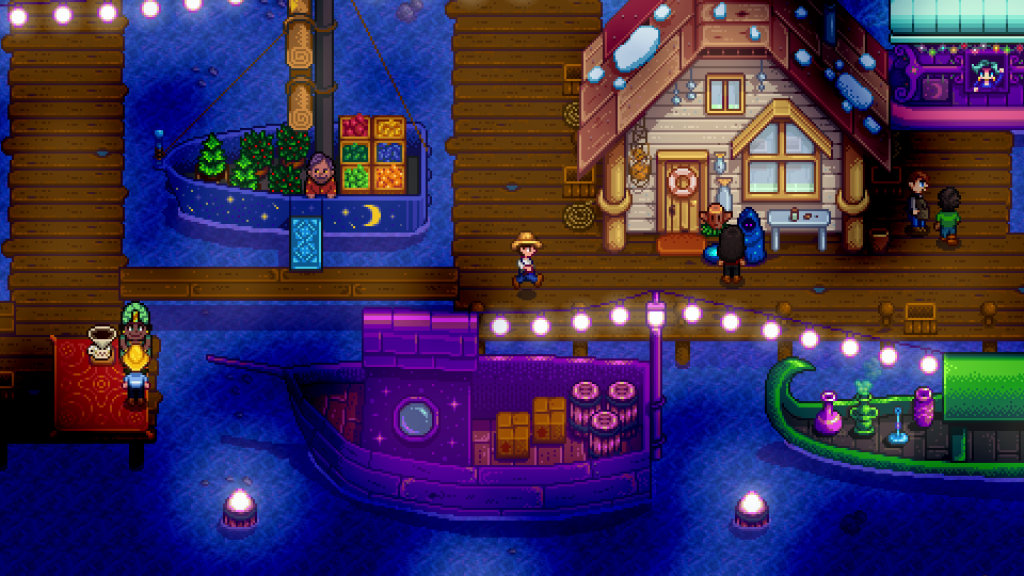
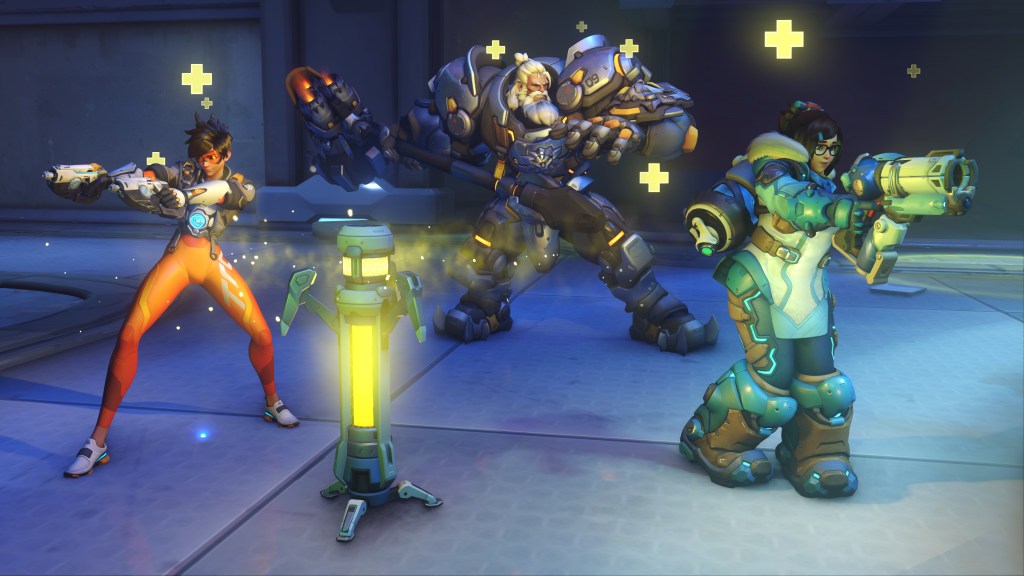
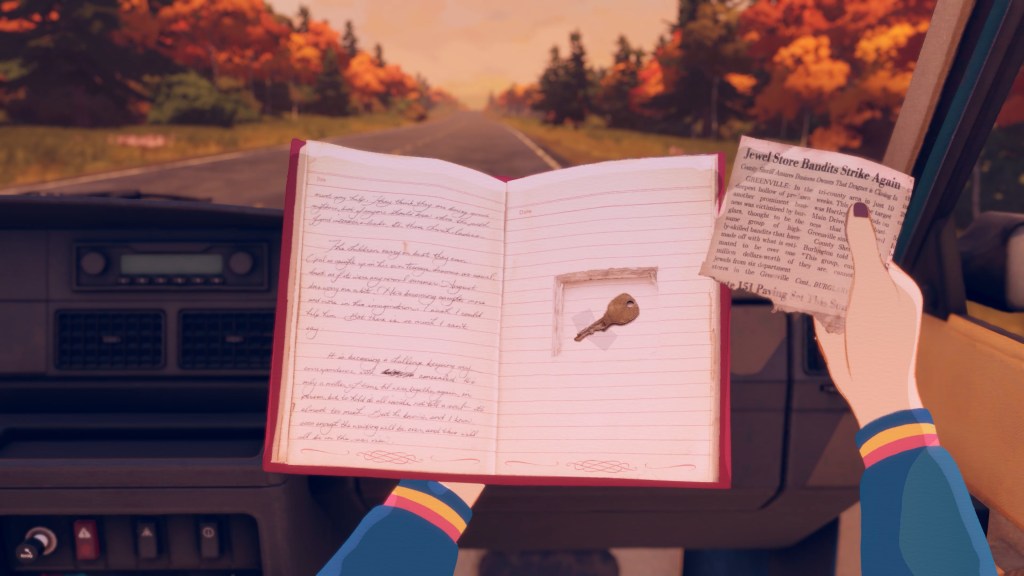
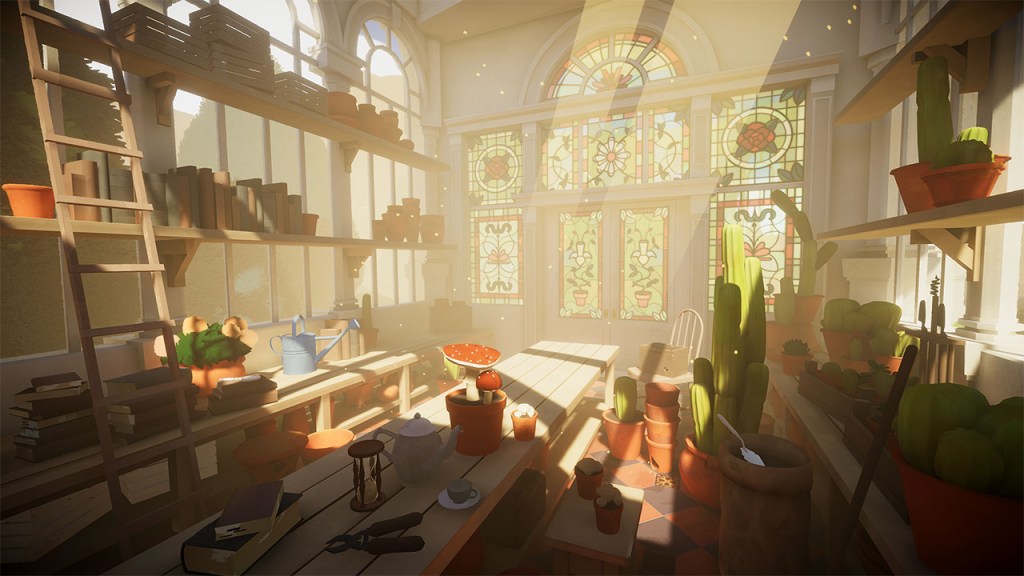
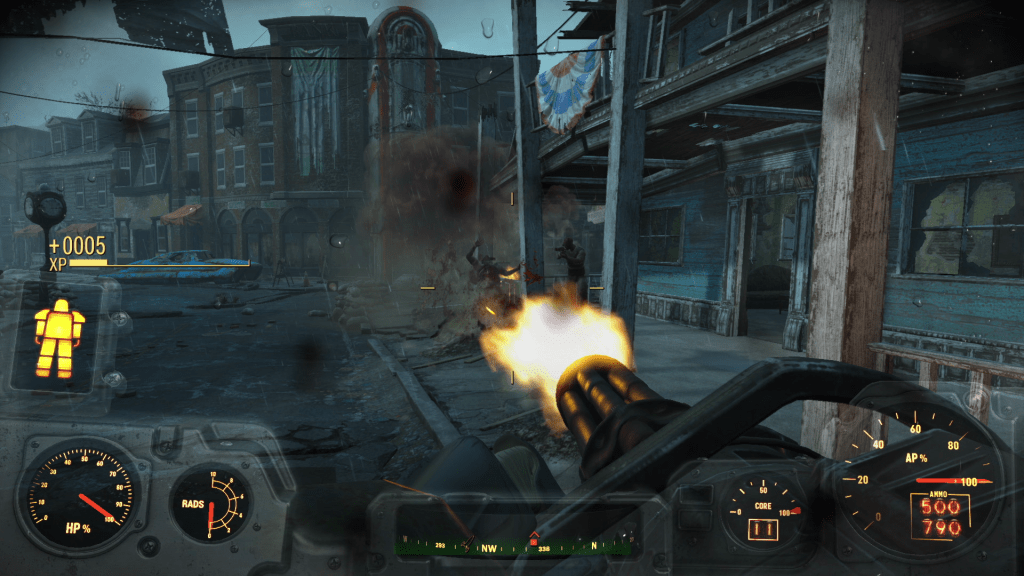
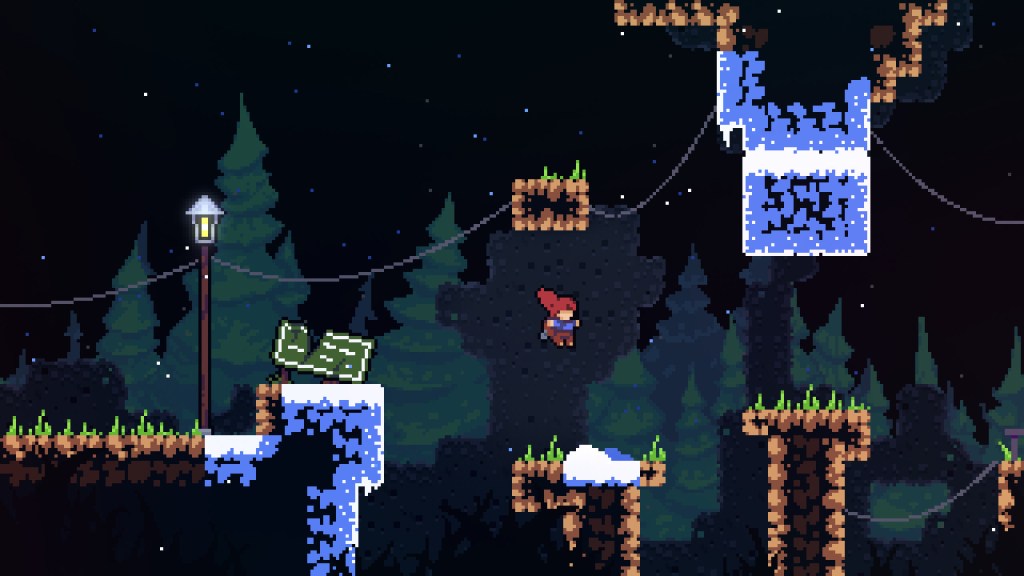
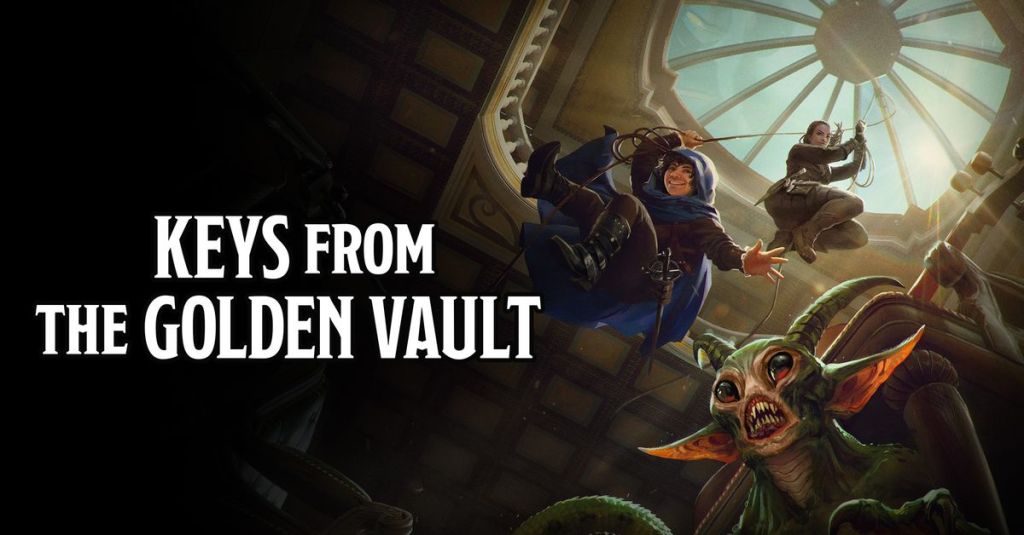
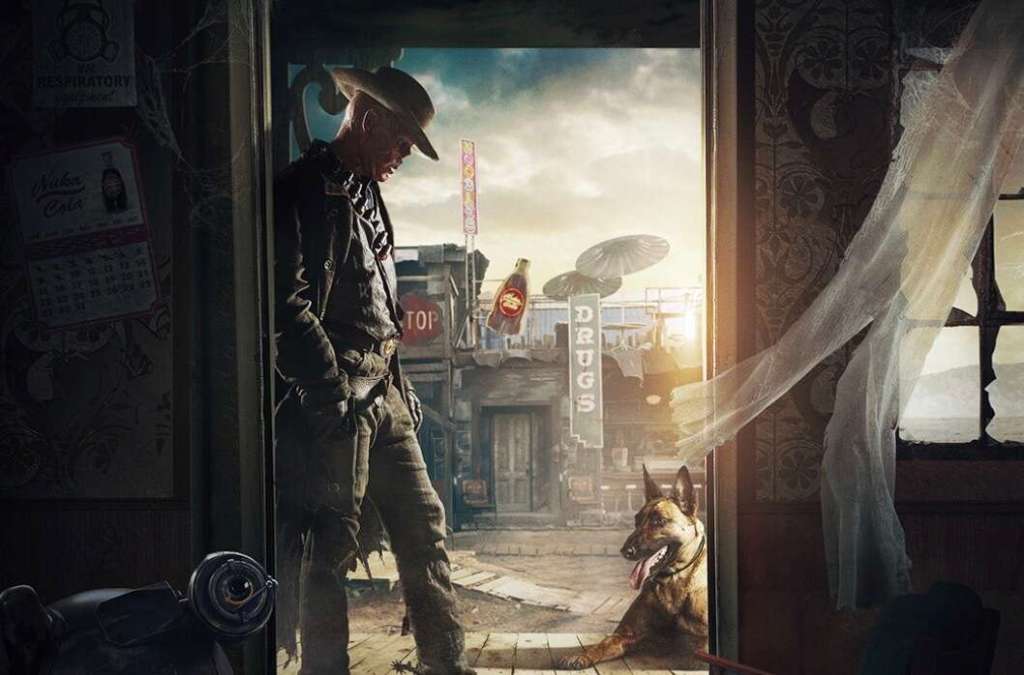
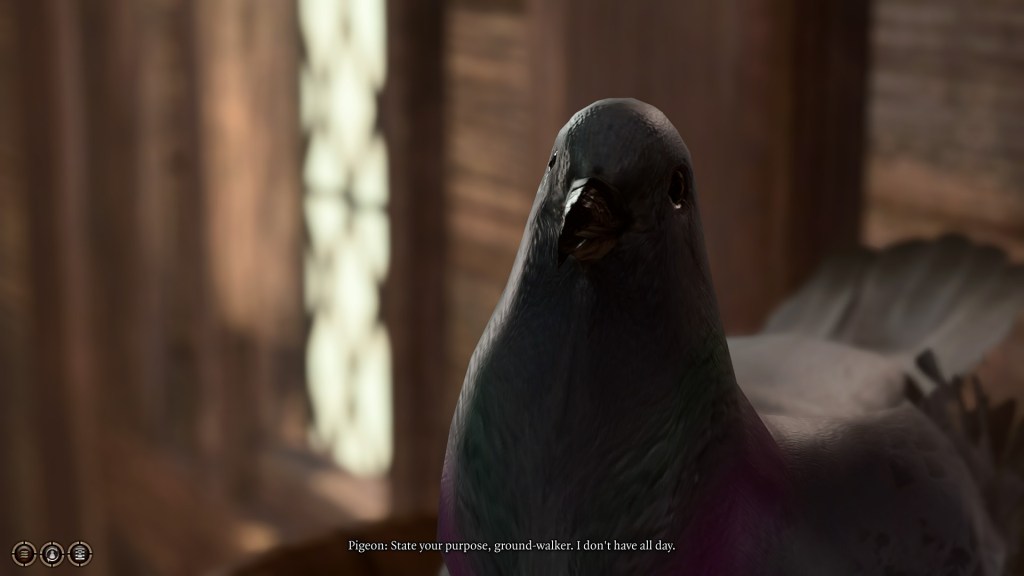
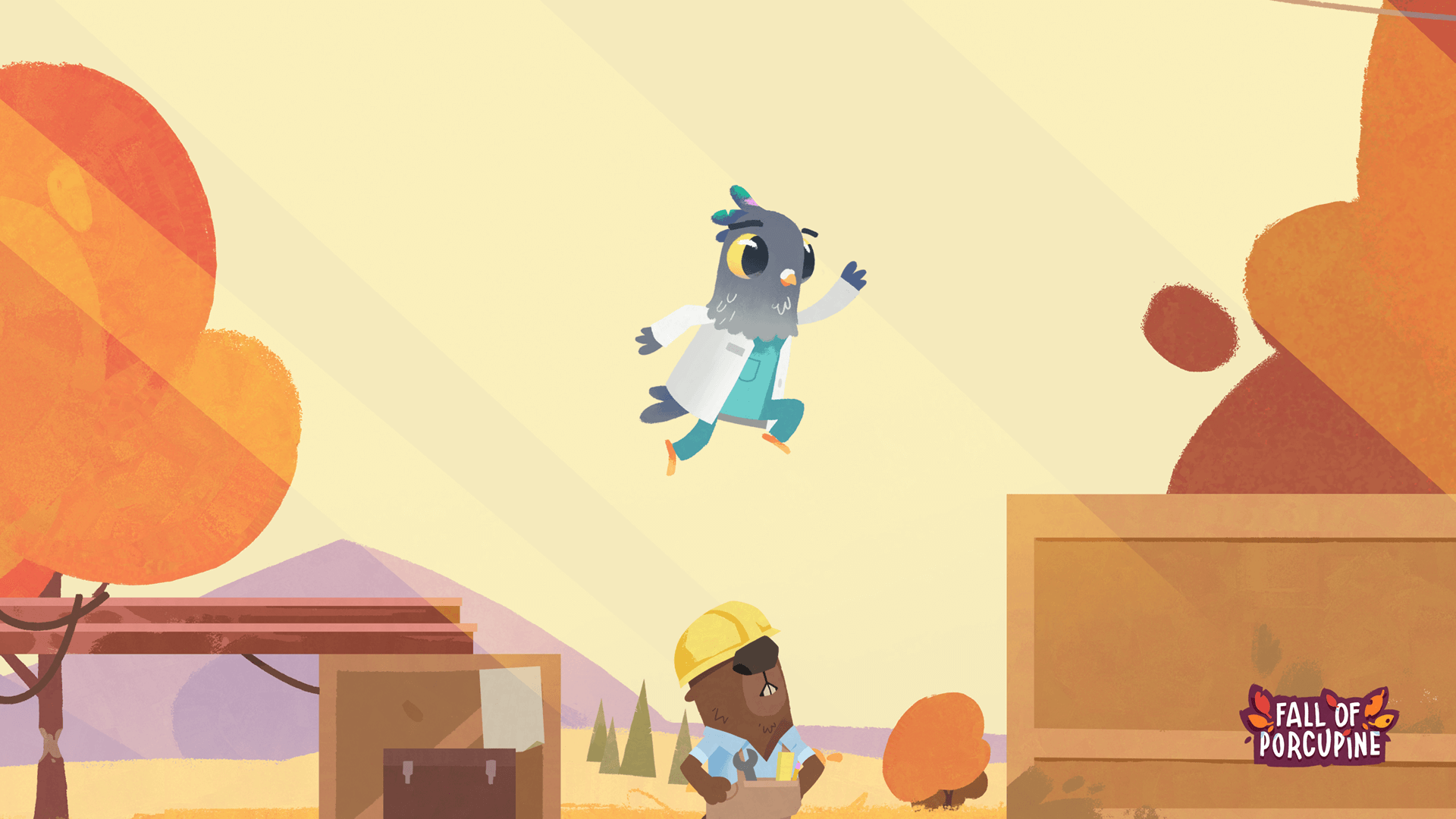

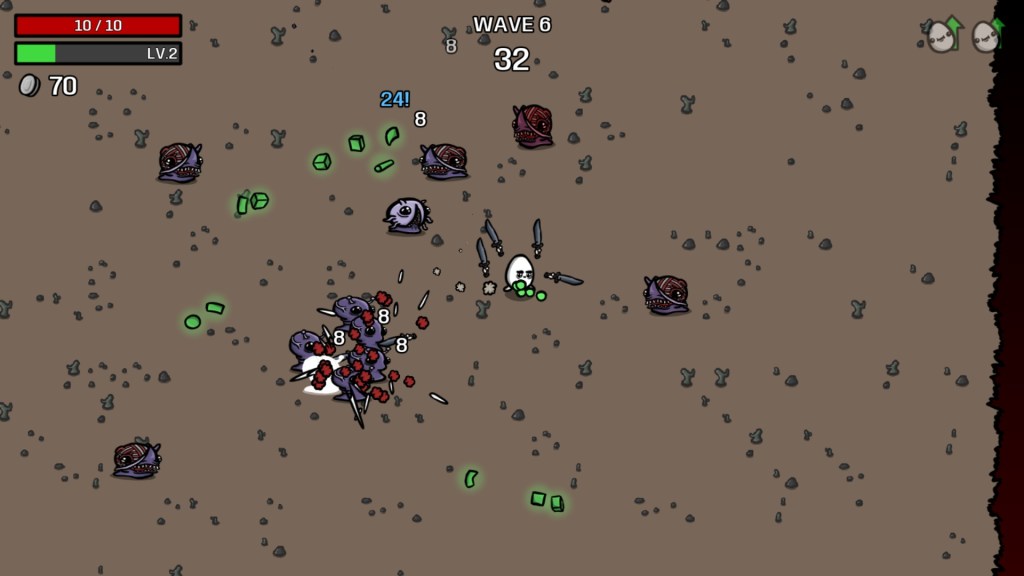
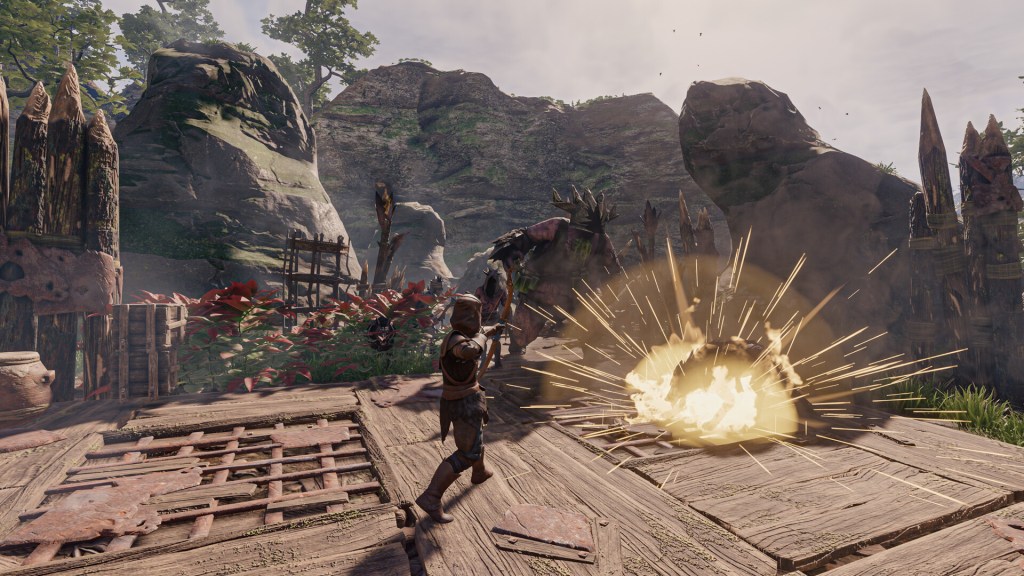
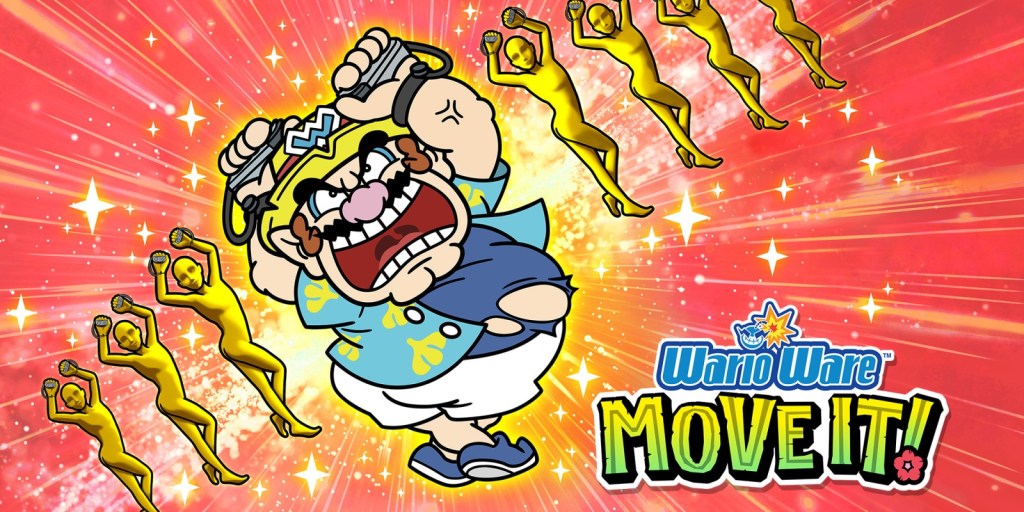
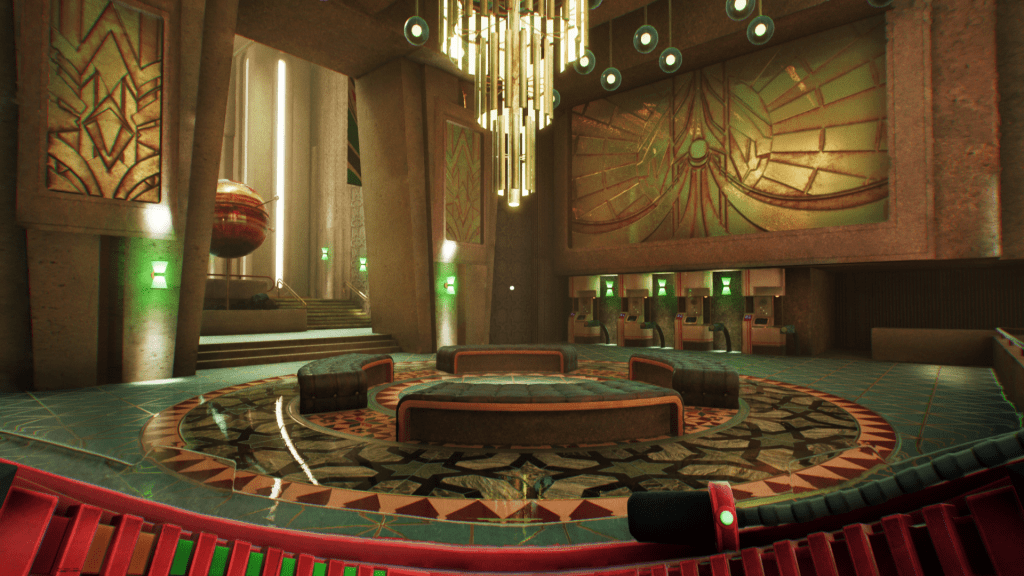

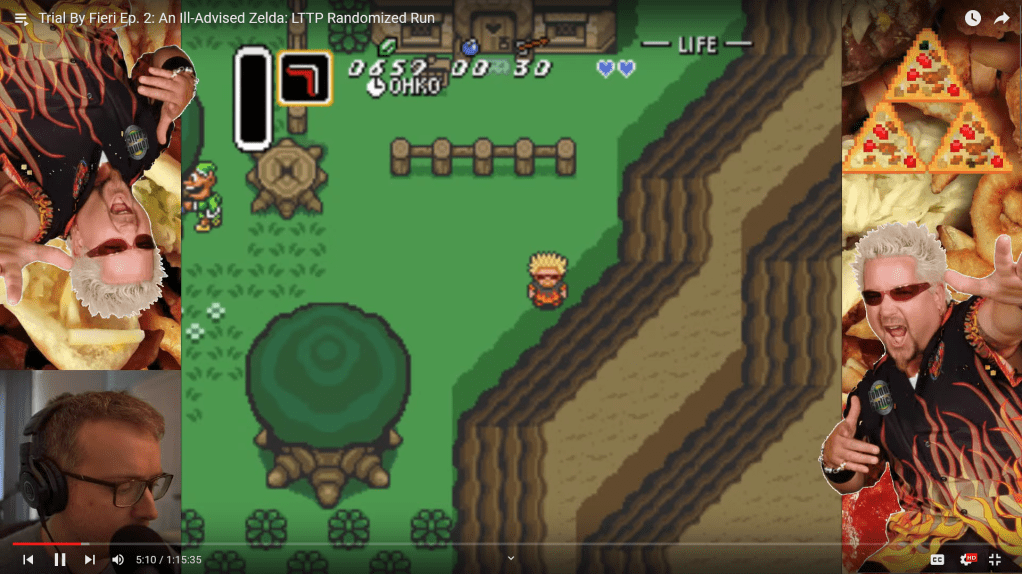

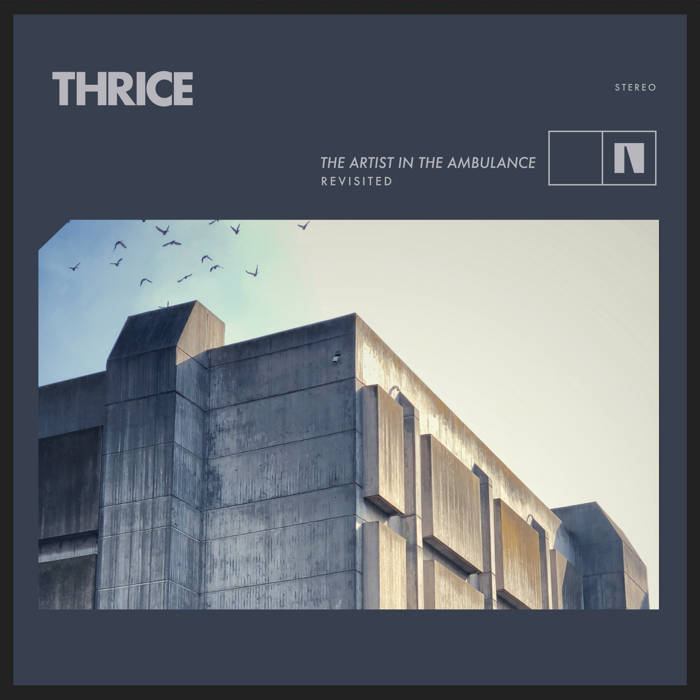
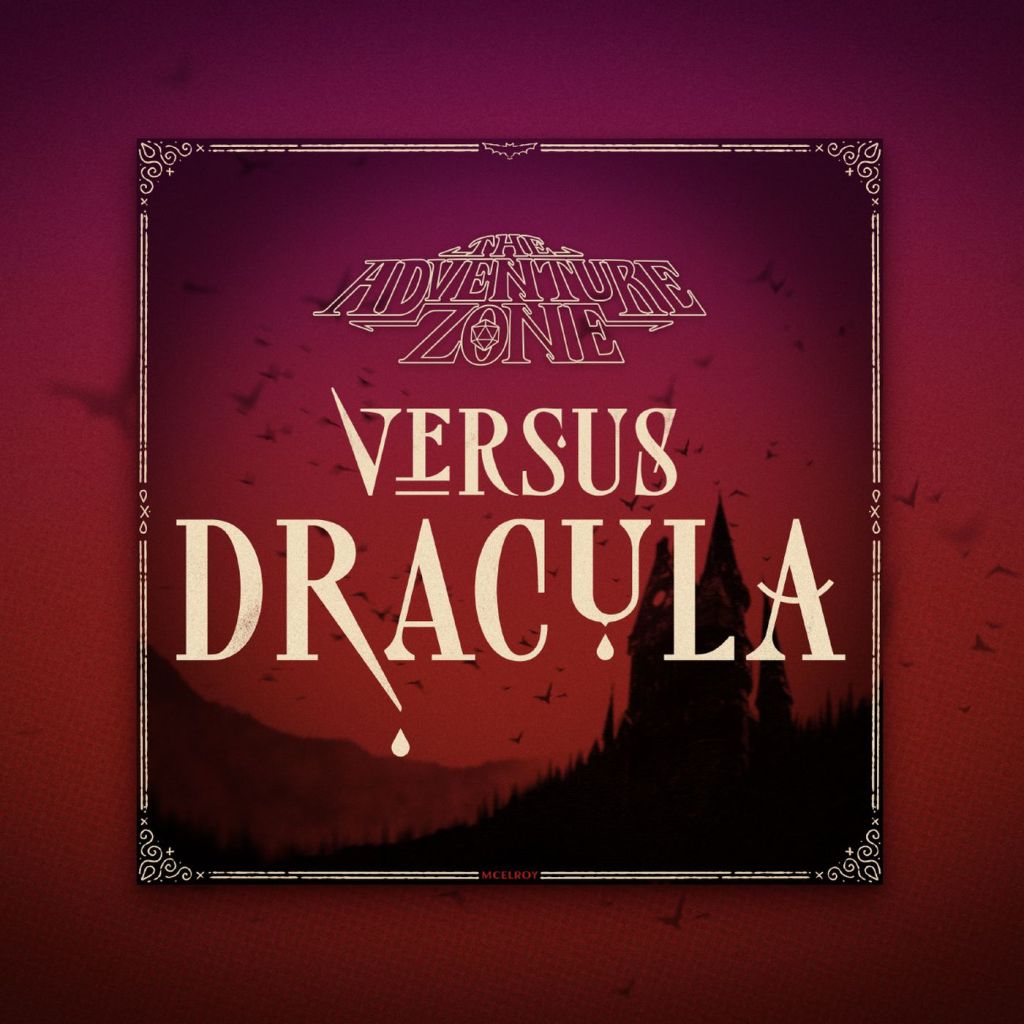
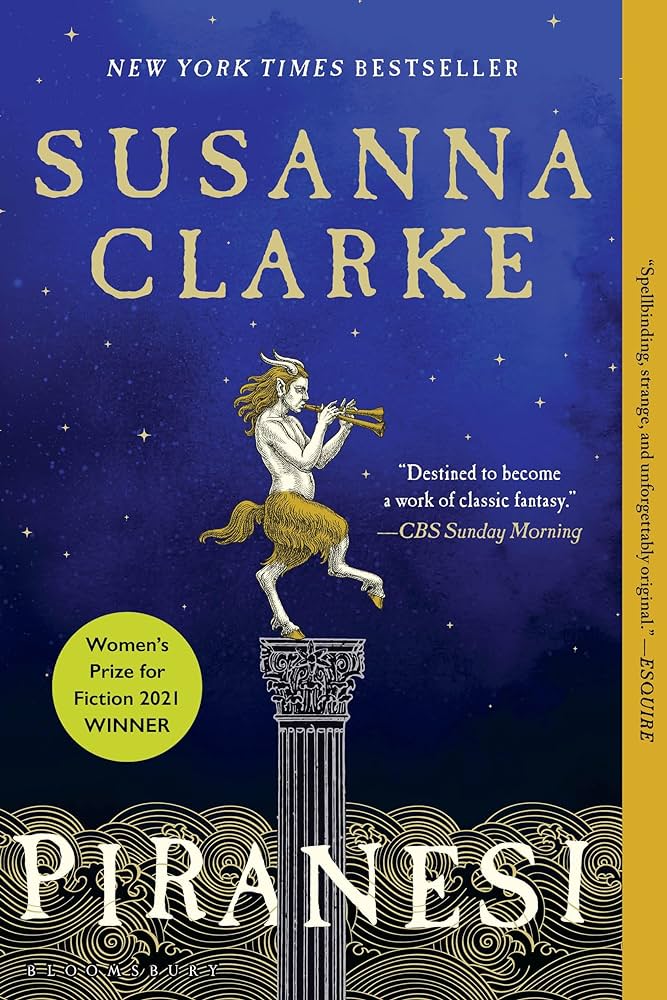

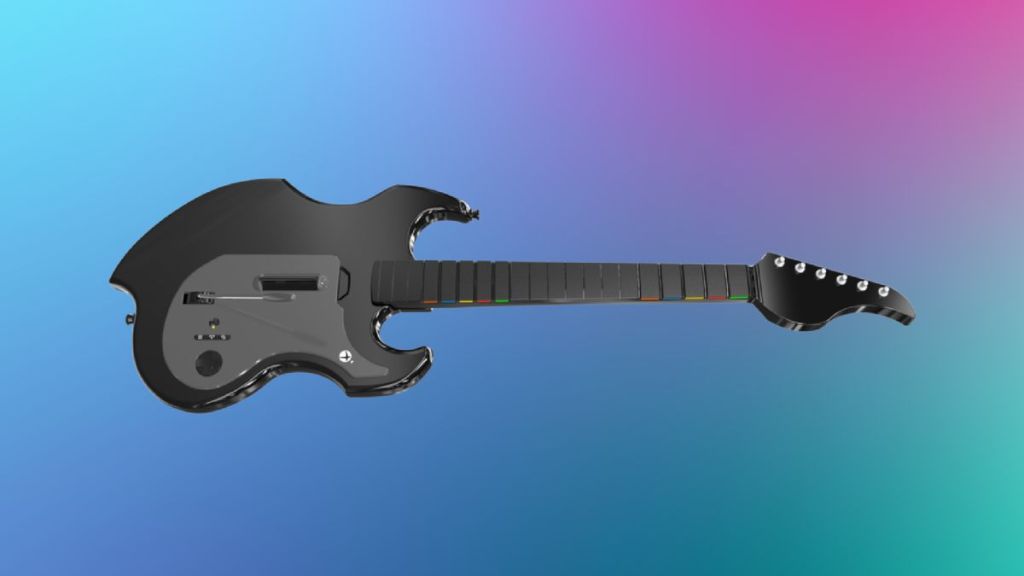

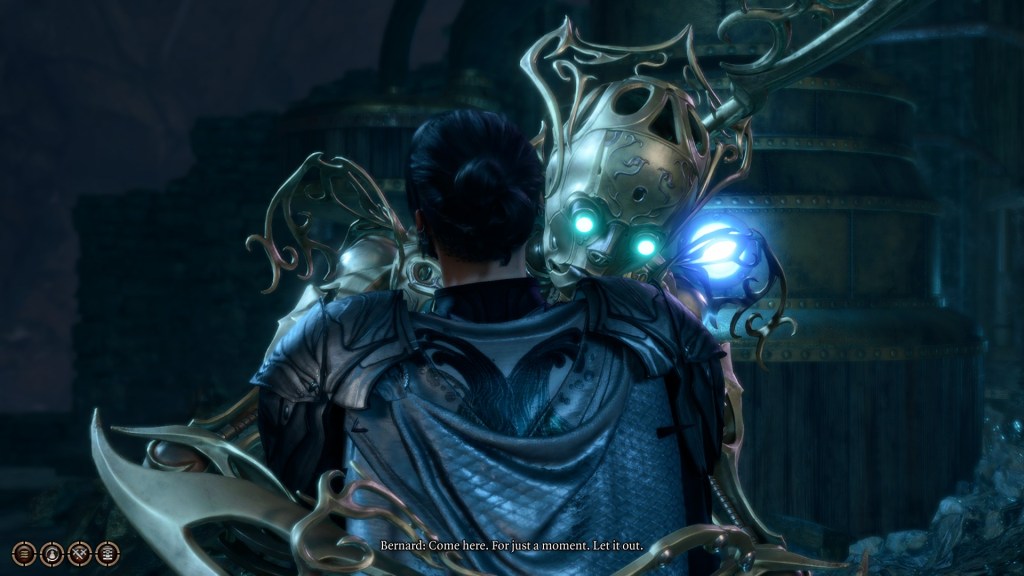
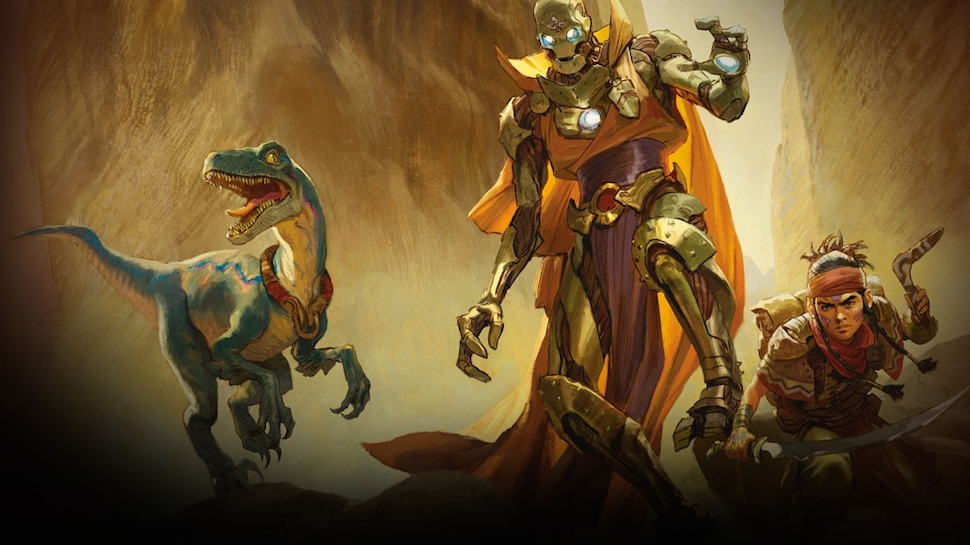
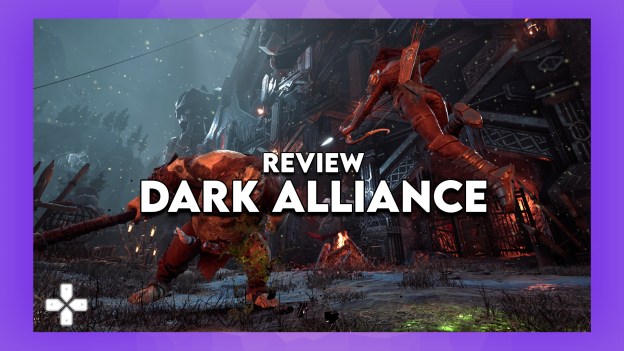

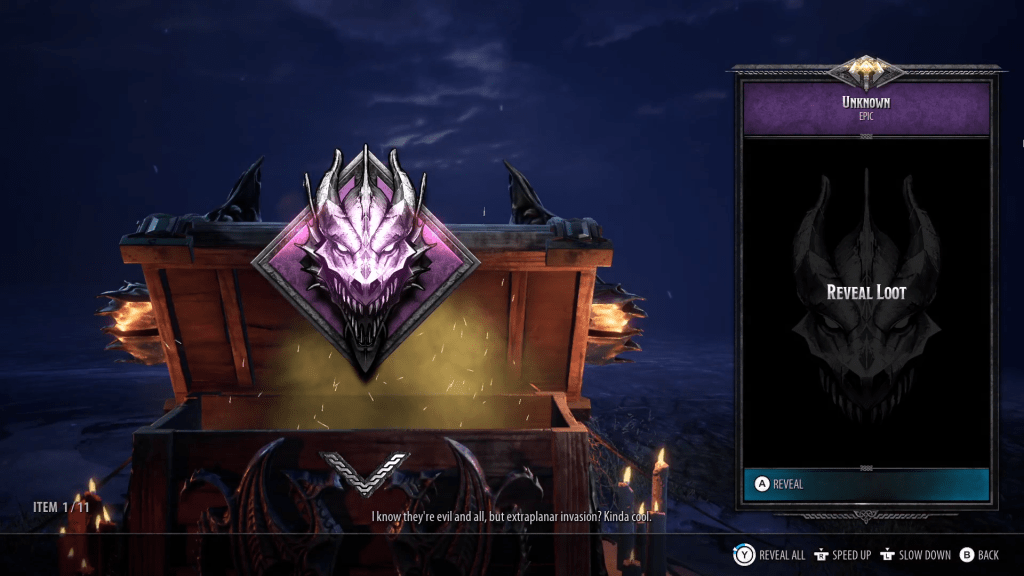
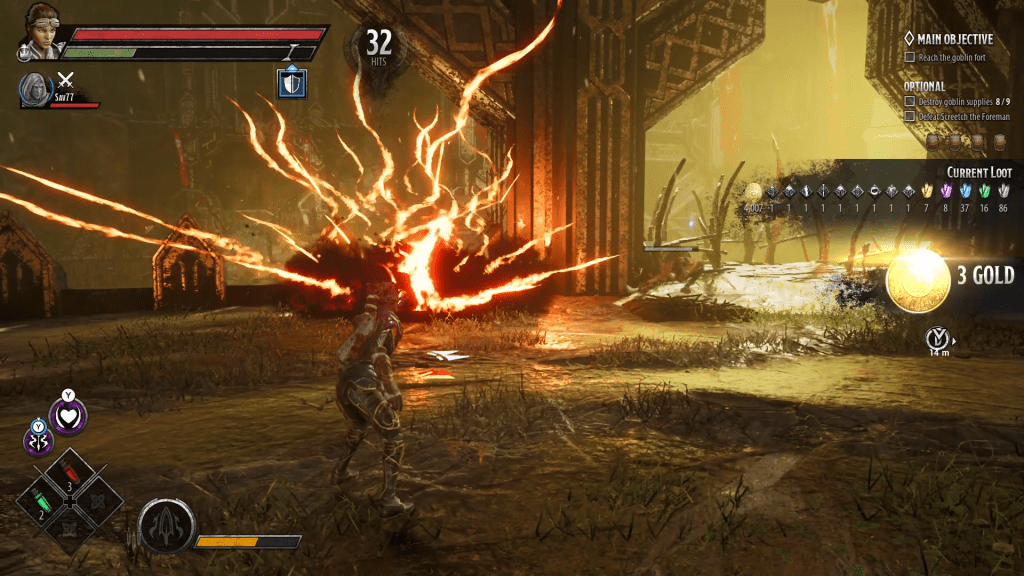
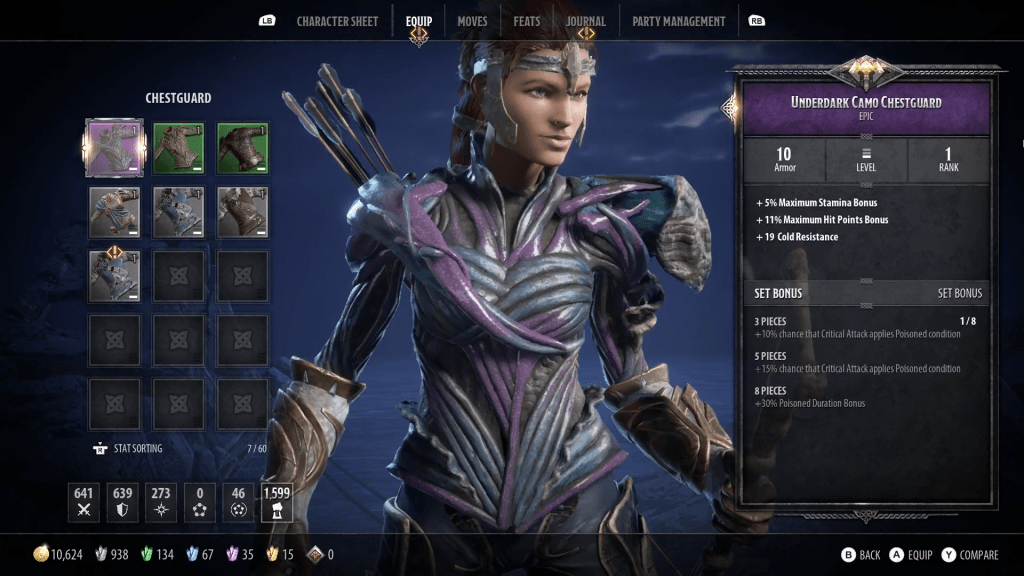
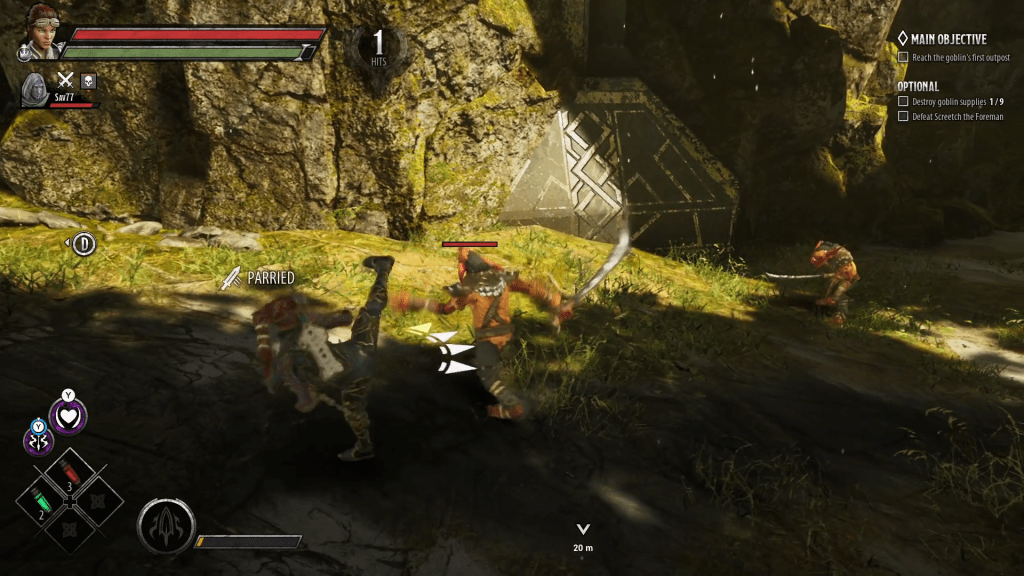
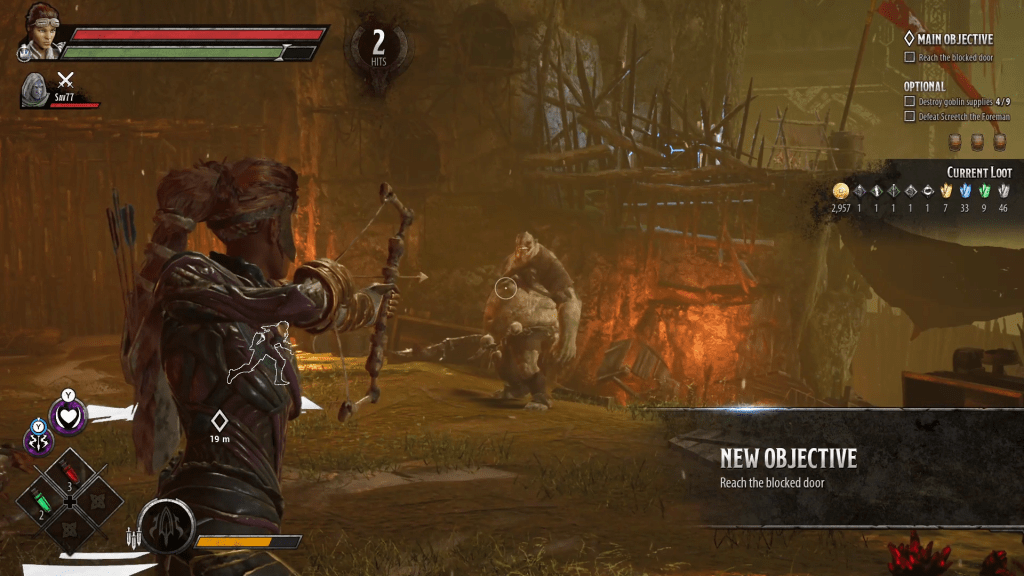

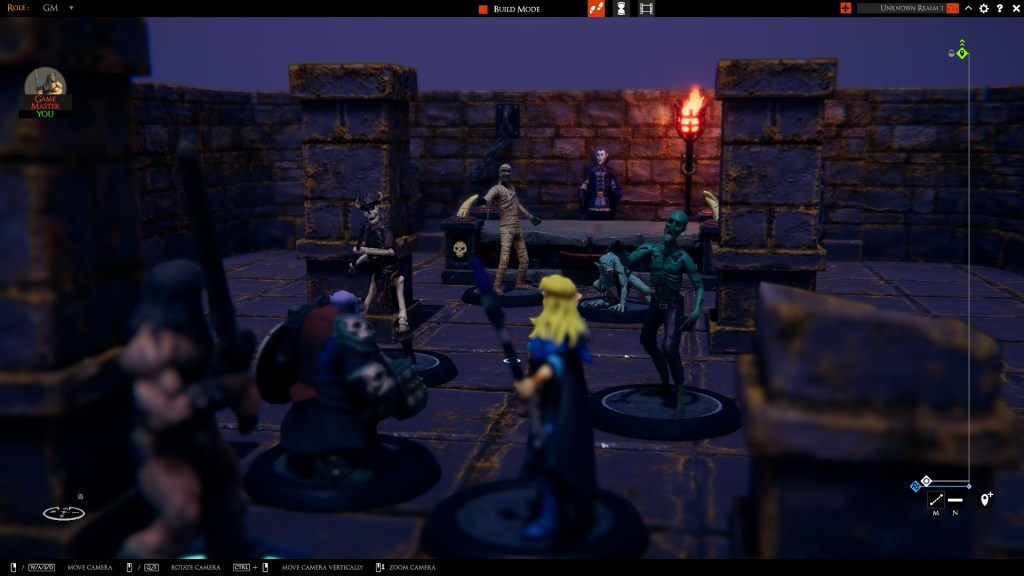
 The Bonus World