Monthly Archives: April 2020

Blog: Absolute Terror – 04/29/20

Being in the house as much as I’ve been lately has been rough enough as is, but a recent event reminded me of how fragile my situation really is.  These days I’m pretty much exclusively relying on my PC to do everything for me.  It’s my media center, my social platform, my gaming station and the place where I do my homework.  A few days ago the power went out for a moment and took my computer down with it, leading me to have a minor crisis that I eventually emerged from.

After the computer booted back up, I noticed that only one of my monitors was being utilized, and at a low resolution as well.  I immediately jumped to the worst case scenario of, “everything is gone, my GPU is fried, I’m going to fail my class…” and so on and so forth.  It was this moment of terror that reminded me just how dependent I am on my computer these days.

After re-seating the GPU, unplugging and plugging everything in, and doing a wee bit of cable management that I’m not proud of, my computer came to life.  The GPU was working again, and I was able to breathe a sigh of relief.  Except that one of my monitors was still not working, an issue that was soon to be revealed as, “you didn’t plug the HDMI cable in all the way” syndrome.

This may sound like a big fuss over what turned out to be nothing, but it was genuinely terrifying to be confronted with the reality that this one thing in my home is my only outlet.  Sure I have a phone, but it’s hardly the same experience and it’s incapable of doing certain things I need to do, like doing online assignments.

I guess it was just another reminder that if something goes bad in my home, I have no way of fixing that situation right now.  I would literally be stranded without anything to help me get through these miserable days.  It’s all small potatoes in comparison to what’s really going on in the world, but it’s the thing that’s enabling me to stay home and stay safe while the people who are actually holding the world together right now, can keep us afloat.

Gut Check: Good Job!

It’s been so long since I’ve had to be in my place of work that I’ve basically forgotten how working operates.  Luckily I’ve been playing the recently released Good Job! on the Nintendo Switch, and I’m slowly remembering what going to work was actually like.

2020041815345100-D696F166B39F21D053E294E03172915D.jpg

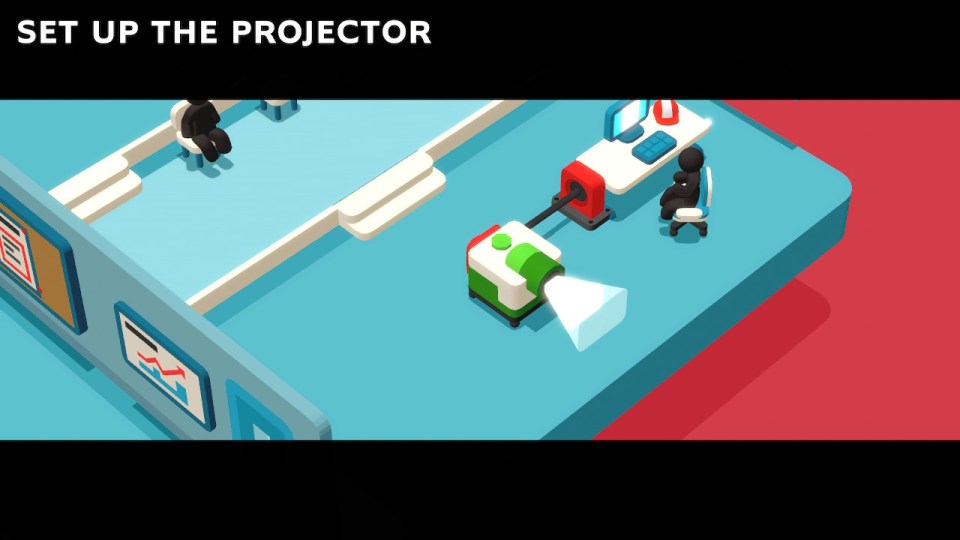
Good Job! is a fun little physics-based puzzler that has you trying to complete mundane tasks like setting up projectors, wrangling employees, and putting boxes on trucks for shipments, as efficiently as possible.  It takes these typically dull tasks and adds in a level of destruction and chaos that makes Good Job! as fun and engaging as it is.

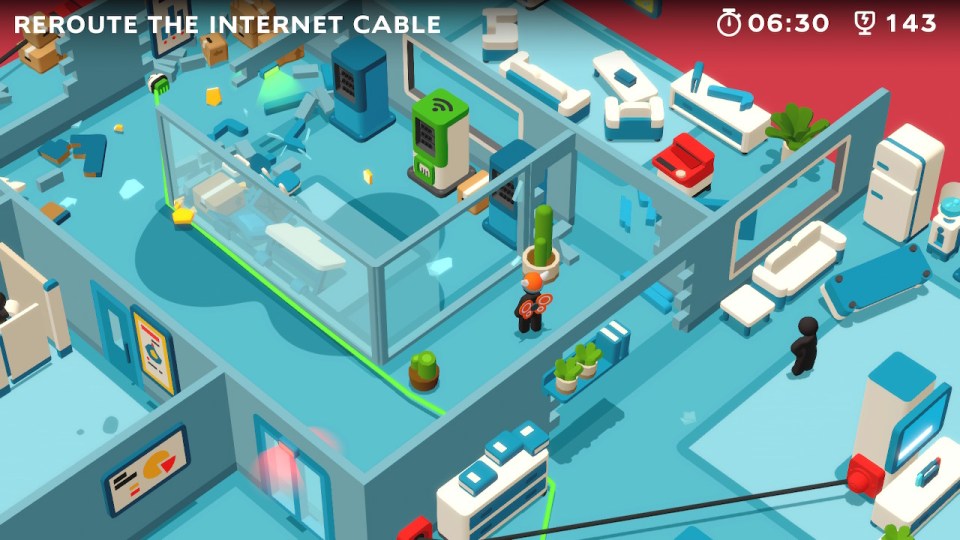
Through what can only be described as blatant nepotism, you somehow have a job at this company that your parent owns, despite you being a clumsy mess.  You’re kind of a jack of all trades, going from level to level, solving common office problems utilizing a mix of puzzle solving, and destruction.  For instance, one of the first levels tasks you with hooking up an Ethernet cable to a WiFi hot spot.  What the game expects you to do is to find a way to bring the wire from one end of the level to the other by getting through locked doors and moving loitering employees.  Based on your time and damage done, you’ll get a letter grade upon completing the level that you can go back and improve on should you desire.

2020041815360800-D696F166B39F21D053E294E03172915D.jpg

But Good Job! knows that efficiency is a metric that’s measured differently by different people.  For some, efficiency might mean causing the least amount of issues and doing the job to the best of your abilities without disrupting anyone in the office.  But then there’s the creative types like myself who know that the easiest and most efficient way to solve a puzzle is to break the puzzle, a tactic that Good Job! has planned for.

Instead of trying to work within the confines of the office, I usually opt for the “open office” concept which involves me pulling power cables real tight, and using that as a makeshift slingshot I can load with a printer to blast through all of the walls, doors, windows and other employees in my way.  It’s that kind of “outside the box” thinking that’s made me the perpetual employee of month.  Good Job! reminds me of how I approach most stealth games, where I’ll try my best to do things in the intended fashion, but embrace the chaos when shit inevitably hits the fan.

2020041815495000-D696F166B39F21D053E294E03172915D.jpg

Good Job! is a fantastically fun and lighthearted affair that’s easily become one of my favorite releases this year.  It has some minor control quirks that take some time to wrap your head around, and the frame rate can get a little chunky when debris is flying all over the place, but I still find myself coming back to it in spite of those minor drawbacks.  I’ve only played it single player, but it has couch co-op for those of you who can take advantage of it.  Despite going solo though, I haven’t felt like my experience has been lacking at all.  Just like its name implies, Good Job! does a very good job.

Gut Check: Foregone

Stop me if you’ve heard this before, but Foregone is an early access, side-scrolling, pixelated action game, akin to something like a Metroid or Castlevainia.   In my short time playing it I can safely say that it never reaches the highs or lows of the genre, but just ends up feeling like yet another one of “those” kinds of games, that’s totally serviceable.

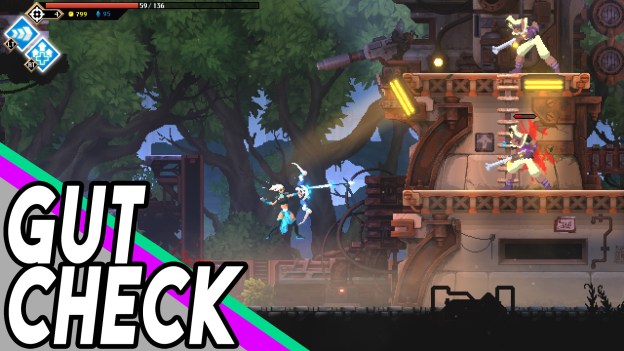
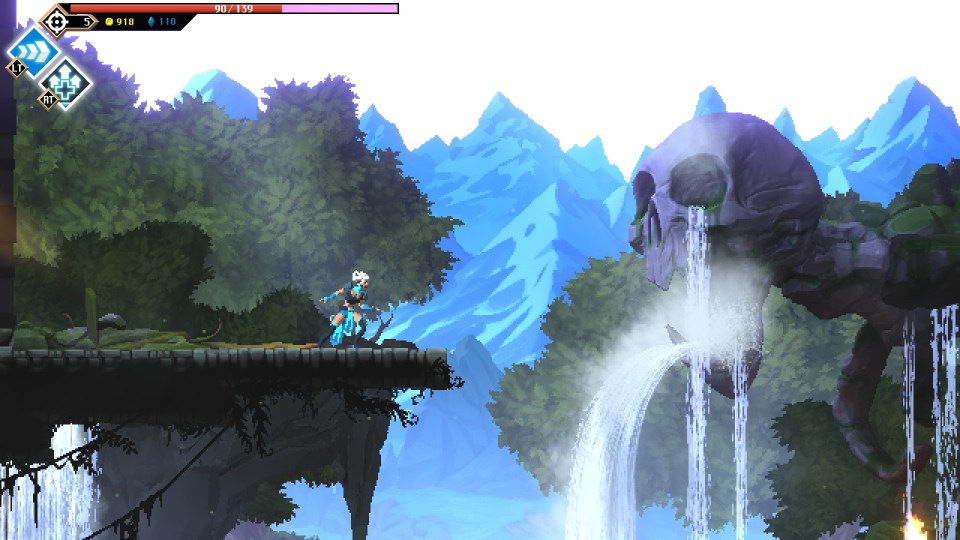
Foregone wastes no time before hurling you into the action, giving you mere sentences of story before letting you loose in the world.  The first thing that struck me was how good the game looks.  From character and world design, down to individual animations, Foregone is a good looking game.  It reminds me of Dead Cells a lot in its visual design, and might even look better in some spots in my opinion.

20200410154701_1.jpg

Not seconds after being impressed by its quick start and stunning visuals, I was confronted with what might be the biggest flaw that’s persistent throughout Foregone – playing it.  Foregone isn’t a bad game by any stretch, but everything feels mushier and less responsive than I’d like out of a game like this.  Everything in Foregone feels like it lacks any impact whatsoever.

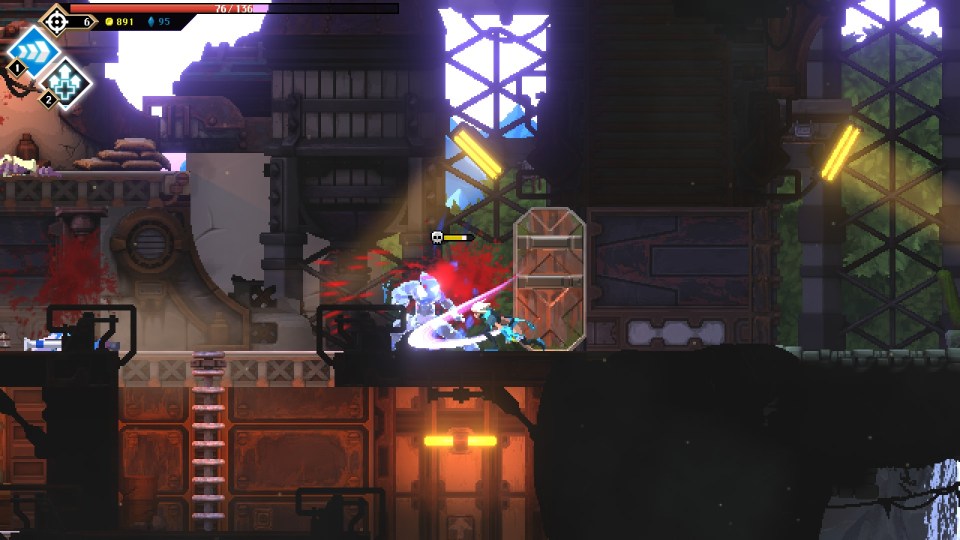
Like I said, none of it feels outright bad, but the sheer act of attacking an enemy just feels hollow.  You can’t stagger enemies in the early stages, which leads to a lot of you just mashing the attack button until your enemy either dies or counterattacks you.  The core combat loop doesn’t just lack tactile feedback, but it’s kind of boring.  Every one on one encounter boils down to you just dodging behind an enemy that’s winding up an attack, and just mashing the attack button behind them until it’s over.

20200410154642_1.jpg

What does help break that monotony up though is your secondary attacks, constant weapon drops and special abilities.   Along with your basic melee attack, you have a ranged weapon that starts off as a pistol, but in my short time with Foregone I ended up with a bow, pistol, shotgun and assault rifle that I could choose from.  These all have ammo restrictions that are pretty interestingly implemented too.  Every melee hit you land, grants you one bullet for your ranged weapon that maxes out at whatever the weapon dictates as its max.  So I can bank 13 bullets and expend them all on one enemy, but that means I’ll have to get in close to get my ranged abilities recharged.  It’s a smart system that encourages diversifying your play style.

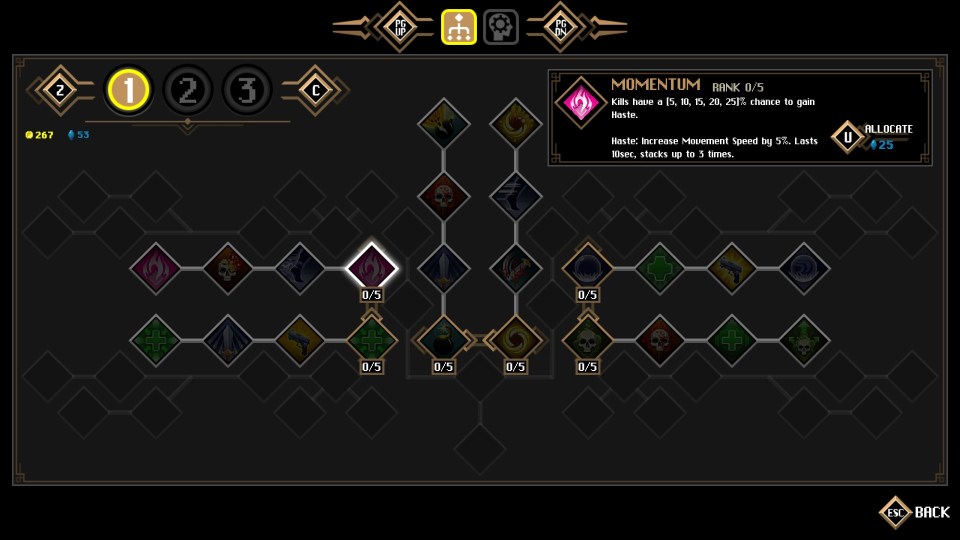
You also have some magic abilities that I assume get more wild as you play more of the game.  In the first few minutes, you get both a dash that hurts enemies, as well as a manual healing ability.  The dash seemed to recharge on its own, but I couldn’t tell if the healing one did as well or if they were tied to certain health pickups.  Either way, I failed a lot before implementing these moves into my repertoire.

20200410153414_1.jpg

What was also a pleasant surprise was the amount of loot drops I got within my first hour of play.  I got to snag a variety of melee weapons from daggers, claymores and shortswords, to various sets of armor, trinkets and the ranged weapons I mentioned earlier.  It allowed me to find a play style that suited me best, as early as possible in the game.

But all of these bits of praise don’t cover up the sudden difficulty spikes, lack of checkpoints, mushy controls and my biggest gripe with Foregone, the lack of feedback.  Now, when I say feedback, I don’t mean that I want the game to let me know how I’m doing or make me do a bunch of tutorials.  What I actually mean is that in Foregone, it’s incredibly easy to die to some bullshit.

20200410154509_1.jpg

There are certain ranged enemies who utilize their own guns, who under normal circumstances can be dodged fairly easily.  The problem is when you come across an enemy with a minigun or some sort of turret.  They can hit you multiple times very quickly, draining your health in an instant.  In other games you would be very aware of these events, but in Foregone, there are very little indicators that you’re being peppered to death by some off screen enemy until the screen goes red and it’s too late.  In addition to that, there aren’t any invincibility frames that you might get in other games, so each bullet is hitting you and giving you no opportunity to escape.

And that’s kind of the underlying theme of Foregone.  You will die to things you can’t even see sometimes, and your only path of recourse is to trial and error your way through levels, memorizing enemy placements.  A lot of people might find this loop rewarding in other games like Dark Souls, but at least in that series the combat feels good and responsive.

20200410160412_1.jpg

Take note of the enemy with a minigun, hidden behind a wall, actively killing me.

Most of my complaints with Foregone comes down to mechanical and control issues that could be ironed out over the course of early access.  But it’s still lacking some basic functions like being able to do an upward slash to attack enemies on the ceiling, or downward attacks for those below you.  Combat doesn’t feel great as is, and on top of that, your moves are limited.

There’s a lot to like about Foregone, but there’s a ton of room for improvement too.  I like that it’s a visually striking game that doesn’t waste your time, and is constantly feeding you new items and abilities.  I just think it’s mechanically flawed, making it pretty laborious to play, especially when there are so many other games that are doing what Foregone does, but better.  Hopefully these issues are ironed out before Foregone makes it’s full release in the future.

Blog: Late Celebration – 04/22/20

Has it really been two years since I launched the blog on this website?  No, it hasn’t been actually.  We reached that milestone over a month ago, specifically on March 13th, but only really remembered it just now thanks to the whirlwind nightmare that’s been 2020 thus far.  But let’s not dwell on that for a moment, because I want to thank you all for sticking with me for this long.

Sure this is only the anniversary of a particular feature on this website, but the blog is actually wildly important to The Bonus World, because it was the first reoccurring feature I launched on the site.  It made me write a few paragraphs a week which was monumentally impactful on where I’d end up going with my writing.

Because of the blog, my love and passion for writing was reignited and it paved the way for every other written feature you see on the site.  I’m extraordinarily proud of the blog as well as The Bonus World as a whole, and it’s largely because of how well it’s all been received by you guys.  So thank you.

I don’t know what’s next for the blog itself, let alone the entire site, but I know that I’m having a fantastic time writing these features and articles for you all to enjoy.  I also believe it’s been the one year or so anniversary of me saying that video content is in the works?  Yeah… coming up with video ideas worth executing on has been challenging to say the least.  So maybe don’t hold your breath on that stuff just yet.

Regardless, thank you for reading the blog along with everything else on the site.  Your support means more to me than you could ever know.  I know things suck right now and we’re all looking for an outlet from the nightmare that is our everyday lives, and I’m happy that I can help distract you all, at least momentarily.  Thank you again.

– Ari

The Master of Disaster: Maps – 11

Welcome to another installment of The Master of Disaster, a feature where I outline some of my preferences, tactics and stories that have come out of both playing, but mostly from running various tabletop role-playing games.  This time around I’d like to talk about something fairly obvious, but easily one of the more labor intensive parts of being a GM.  Of course I’m talking about maps.

To preface, considering all of my GM/DM experiences revolve around playing a game online, this article is going to exclusively be about online resources and tools I use to make maps.


MAP PURPOSES

First thing I want to touch on before we get into any specific tools is the mentality I have when I decide it’s time to make a map.  It’s an alluring prospect to have a map ready for every location your players might visit, but that’s a fool’s errand as well as the quickest way to lose your mind.

In my previous campaign where we ran a custom story in a custom world using the D&D rule-set, I wanted to create an entire continent with interesting topography, plenty of hidden areas with quests attached to them, and unique cities that all had a different feel.  While that sounds like a lot (and it was), I went ahead and pushed on, creating roughly 30 different maps that my players might stumble upon, not including bespoke dungeons.
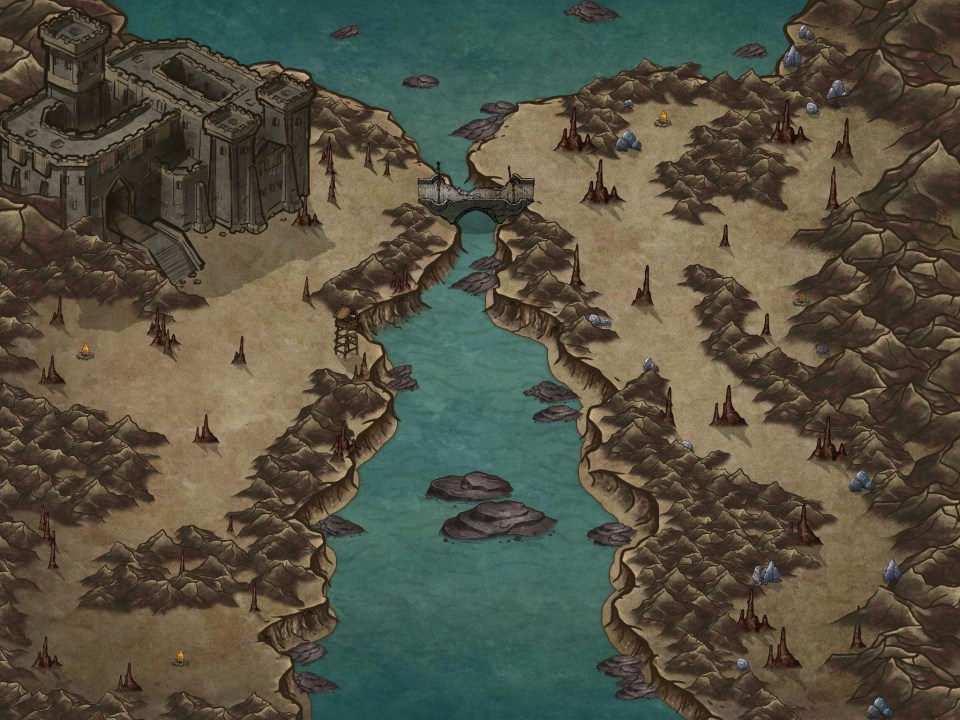
Cave 1.jpg

I essentially wanted them to approach my world like they would have if they were playing something like The Elder Scrolls V: Skyrim.  I had random encounters ready to go, caves and dungeons they could stumble upon and of course, cities for them to explore.  The problem was that I was approaching running a campaign along with map making, as if it were a video game.  Some video game concepts might translate better than others, but the way I went about crafting a world didn’t 100% work out.  Ultimately, I only ended up using a third of the maps I made before we ended the campaign.

Fast forward to the current campaign I run using the Monster of the Week rule-set, and instead of a massive world that’s been hand crafted, I went went with a city that had only a handful of notable landmarks.  Some of these landmarks do have maps associated with them, but for the most part I now rely on my players to tell me where it is they want to go, and flesh it out on the fly by painting a “word picture.”  This approach is easier on me, but far less visually appealing for the players.  So it’s good to brush up on your improvisation and narration skills before attempting this.

Sea of the Dead.jpg

The point I’m trying to make here is about over preparation.  I went insane and made 30+ maps, most of which that were never seen before, because I had these grand ideas about where my players would go, and what they’d do.  As we all know though, you can’t assume that your players will do anything you plan for.  My strategy now is to build each session, maps and all, based off of what happened in the previous one.  It lightens the workload a lot and let’s you get particularly detailed with descriptions if you know your players are going to be there for a while.


Being that all of my sessions are run through the Roll20 service, I rely exclusively on online tools and resources to aid me in my map making endeavors.  These tools range in quality and scope, but all of them are good for different facets of running a game.  So here are a few of my favorite tools and resources for you to use.

INKARNATE
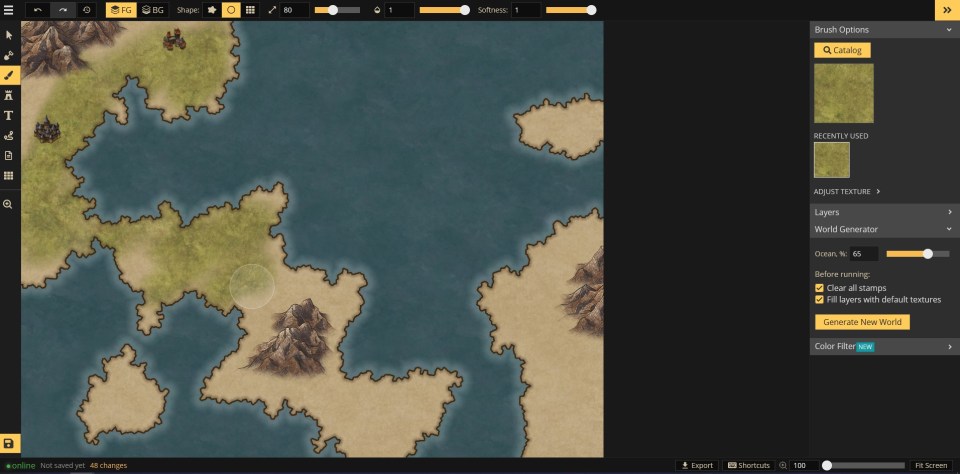
Inkarnate.jpg

Inkarnate is a really accessible “free” tool that you can use to make all manner of visually striking maps.  It has a robust editing suite that has a lot of custom art for you to plop down and create with.  Within minutes you can generate a world, regional, or city map with various terrains, buildings and landscapes.  The tool is great whether you want to only spend 5 minutes in it, or an hour.

The only thing that could be a drawback is that the free version of Inkarnate, is severely limited in what you can actually use.  In the paid version, I have access to hundreds of different objects from different kinds of trees, mountains, buildings, walls, gates and so on and so forth.  The free version only had a fraction of that stuff to use, but still enough to pump out a couple of maps.
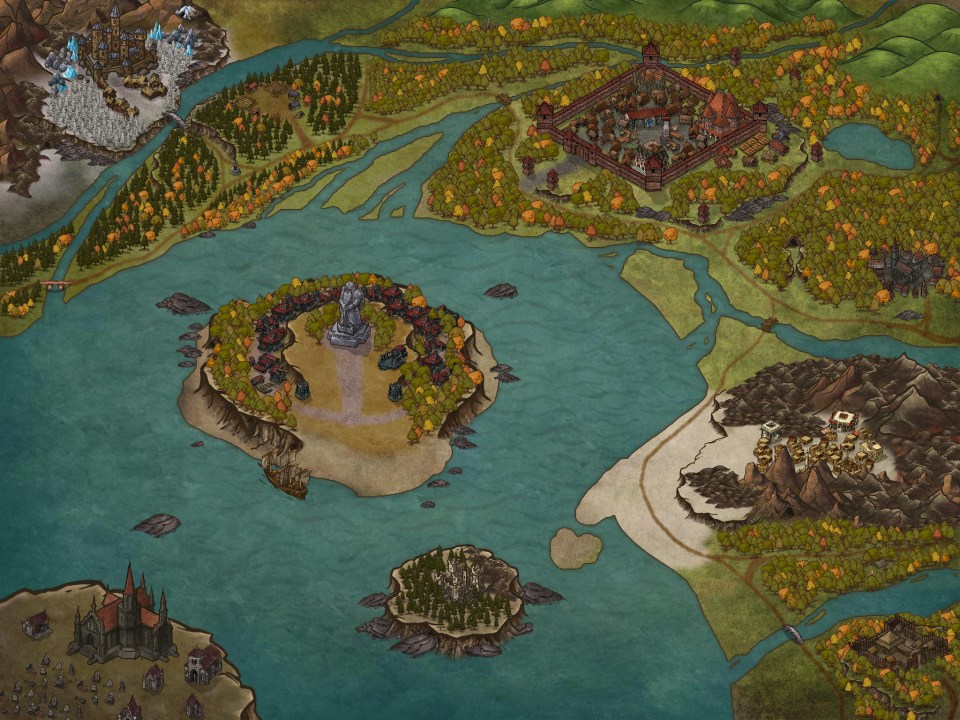
Alavor West.jpg

The free version also limits the export quality of your maps in some regards, although while I have the option to export my maps in 4K, I don’t know why I ever would.  The silver lining here is that if you did want to shell out cash for the full suite, it’s only 5 dollars a month or 25 for a year upfront.  I think it’s worth the price if you need good fantasy themed maps, but if you’re running anything other than fantasy, Inkarnate has basically nothing for you.

MEDIEVAL FANTASY CITY GENERATOR
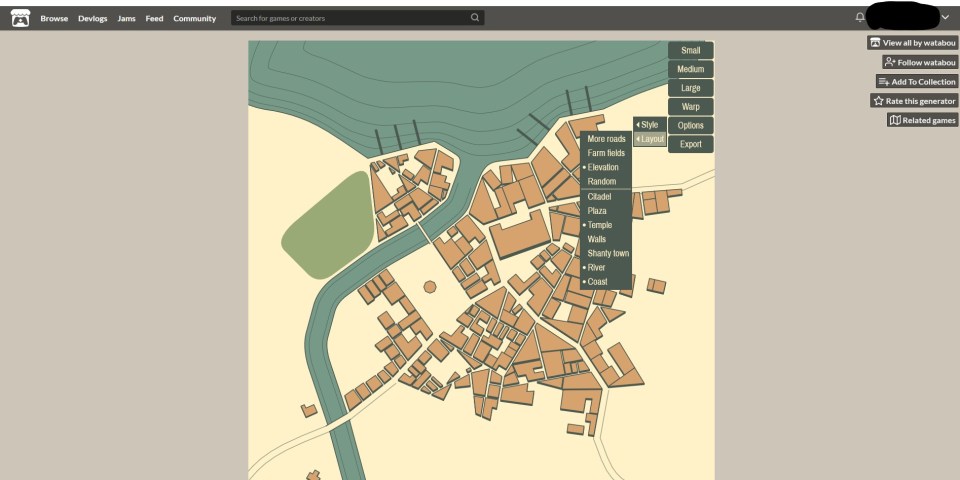
Fantasy City Generator.jpg

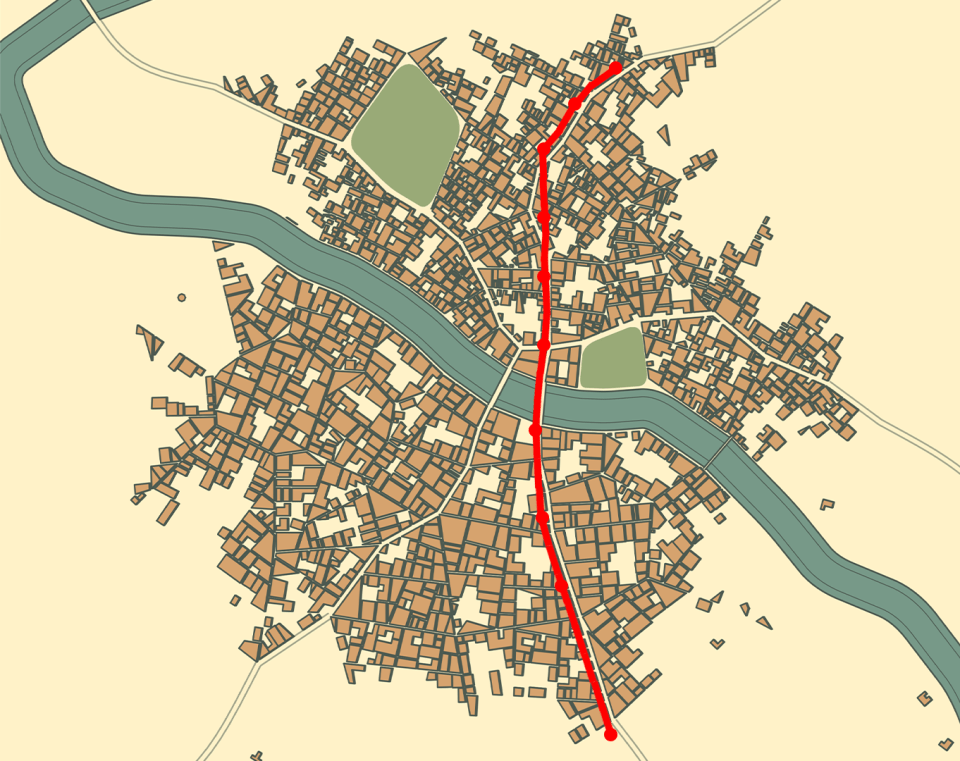
This one is kind of self explanatory, but it’s worth talking about briefly.  The Medieval Fantasy City Generator is super easy to use, but fairly limited as well.  With only a few clicks, you can generate a top-down view of a city and determine if there are farms, roads, coastlines, and other things like that.  It’s quick, it’s simple, and it’s free.
Arden.png

What this tool isn’t however, is super customizable.  You can choose different color and object options to toggle on and off, but you can’t really get granular with it.  You can edit the dimensions of certain objects in the city, but that’s about the extent of it.  I actually used this tool to make my modern day, Monster of the Week city, and it’s worked out pretty well.

DUNGEN
dungen.jpg

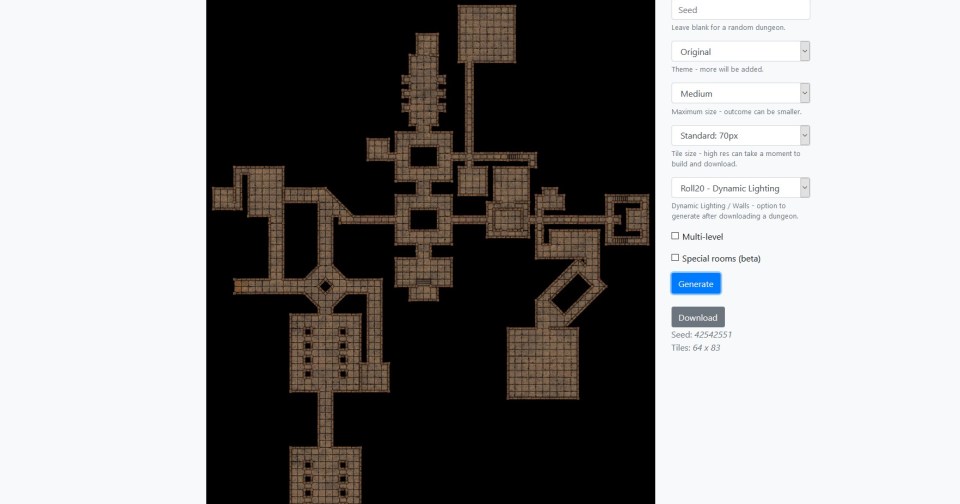
Want to generate a dungeon really quickly?  Well DunGen has got you covered, although not completely unless you back the maker’s Patreon, which you should consider if you like this tool.

With DunGen, you select a few options, size, theme and levels, and in seconds you’ll get a pretty awesome looking dungeon.  As I’m writing this in early April of 2020, the creator has unlocked some Patreon exclusive features for everyone to use during the pandemic, such as higher resolution downloads, and automatic dynamic lighting integration for Roll20 users.

Since the tool is using pre-generated assets which it stitches together, the maps can feel a little “samey” in spots.  But despite that, it’s one hell of a tool that I’ve used several times in conjunction with the art assets I have on Roll20.  Just drag a couple of boxes and torches or whatever on to one of these dungeons, and you’ve got something people will think took you hours.

DONJON
donjon.jpg

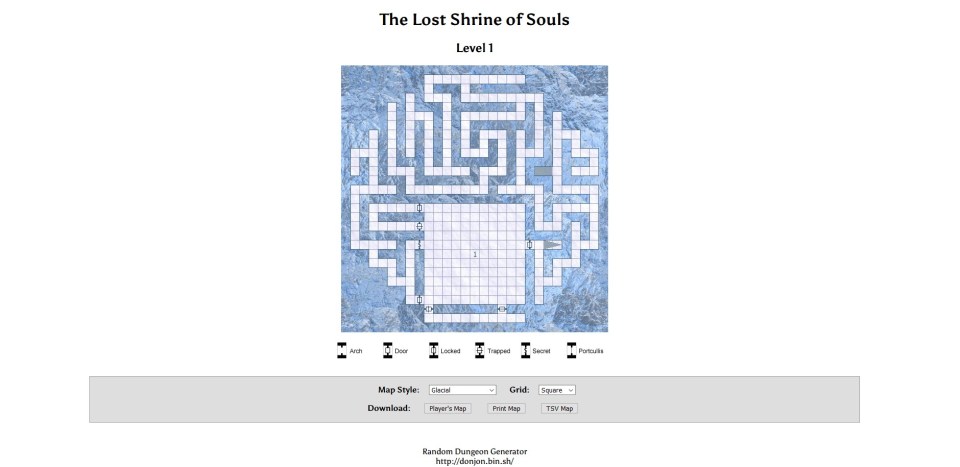
Finally, I’d like to highlight something that isn’t just a map making tool, but something all GMs should explore.  Donjon is a massive resource that includes, various map generators with annotations for doors, traps, and stairs, as well as a generator for just about anything you can think of.

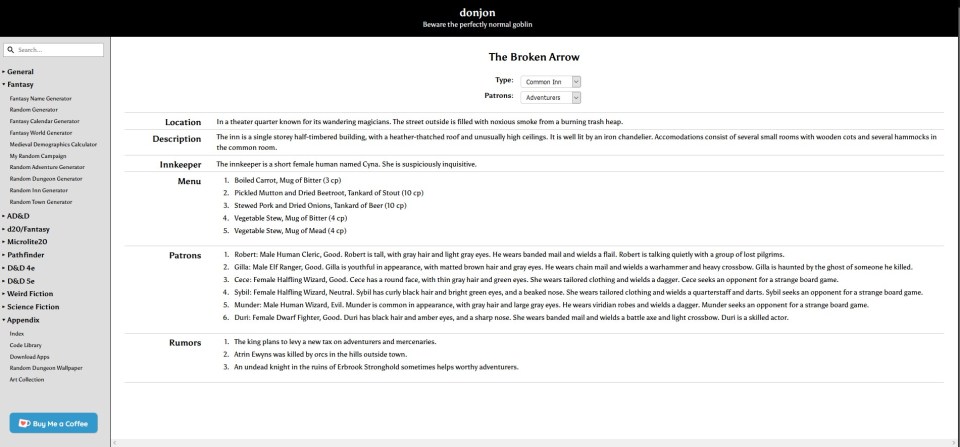
In a matter of clicks, not only can you make dungeons, but you can just generate full quests and locations.  For instance, the image below this paragraph was just the first thing that came up when I clicked on “inn generator.”  I now have this one page that not only gives me a quest to give my players, but menu items, NPCs, rumors and a description of the place itself.  In one click, I am able to describe a scene that might take me a while to write, and even longer to illustrate.
donjon 2.jpg

Donjon is an amazing set of tools that everyone should check out.  If you just need a dungeon, click here, but I strongly suggest you check out the entire suite of tools they have available.


This feature has already run pretty long, but I just have one or two more things to touch on really quickly.  Firstly, make sure your maps are clear and legible.  What is just a stack of useless boxes you plopped in the corner for flavor, might turn into a 20 minute conversation about looting the boxes because your players don’t know any better.  Not to say that those conversations aren’t useful or fun, but if you’re on a time crunch like we usually are, minimize the amount of confusing imagery on your maps.
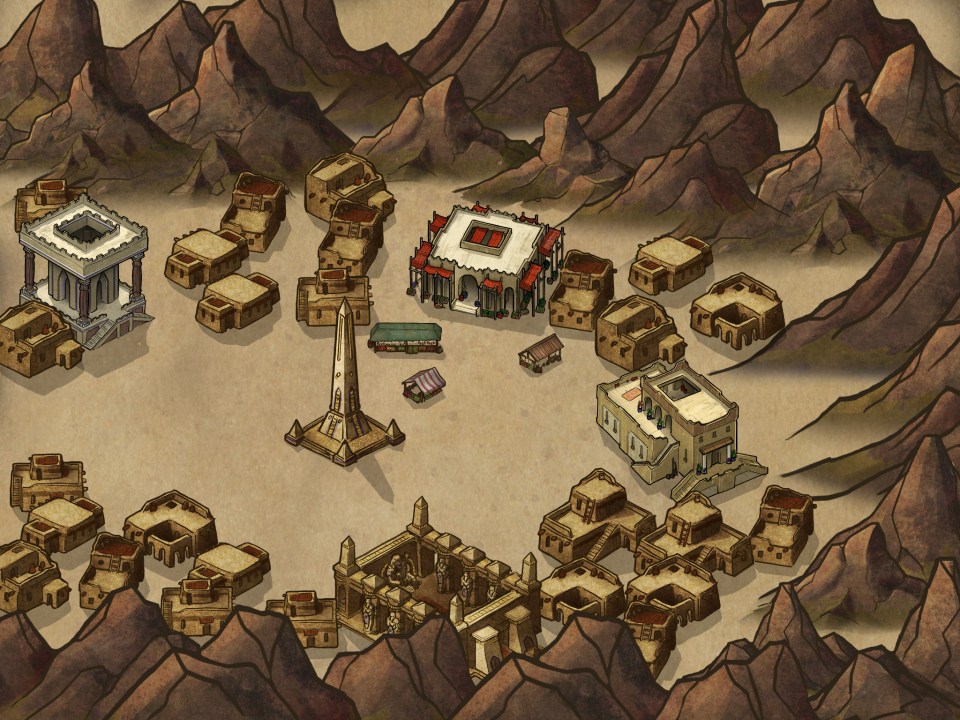
Refuge.jpg

Finally, and this one is pretty obvious, but make sure each room has a purpose.  I know there’s only so many goblin sleeping quarters and dining halls you can stuff into one dungeon, but there is nothing more deflating to a player than the feeling that exploring is a futile effort.  These aren’t just maps, they’re supposed to be visual representations of “real” places.  Not many people just have an empty room in their homes that exists for no reason.


Anyway, thanks for sticking with this one for as long as you did.  I could go on and on about making maps and easily double the word count on this feature, but my fingers are starting to cramp.  So for all of you DMs out there who suddenly have to migrate to online sessions, I hope these tools helped a little.

Review: The Escaper

Without fail, every time I find myself in a mall and pass by some slapped together, hastily assembled “escape the room” experience, I feel this unnatural draw to throw my money at it in the hopes it isn’t completely obtuse and nonsensical.  Usually they are and I find myself wishing I didn’t blow nearly $30 dollars on an hour of bad puzzles.  That’s where The Escaper comes in.  The The Escaper takes that rinky-dink mall escape room scenario, and let’s you enjoy it from the comfort of your own home.

20200310155112_1.jpg

I usually enjoy a nice puzzle game in this vein, whether it be a series like The Room or a game like The House of Da Vinci, but unfortunately The Escaper trades in too many of the tropes that puzzle and adventure games did in the past, usually requiring some obtuse or inane solution to progress.  The puzzles nor their solutions are rarely ever clever or satisfying in a way where it doesn’t feel like you’re just bashing your head against a wall until the answer comes out.

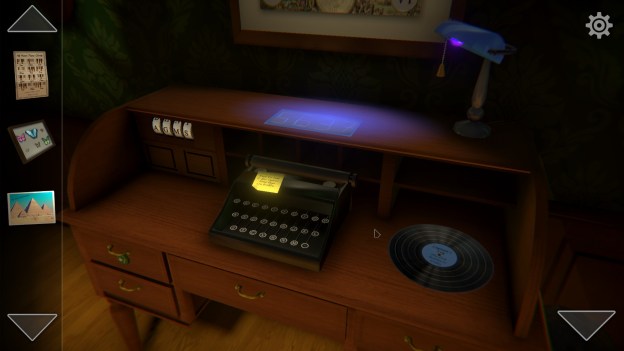
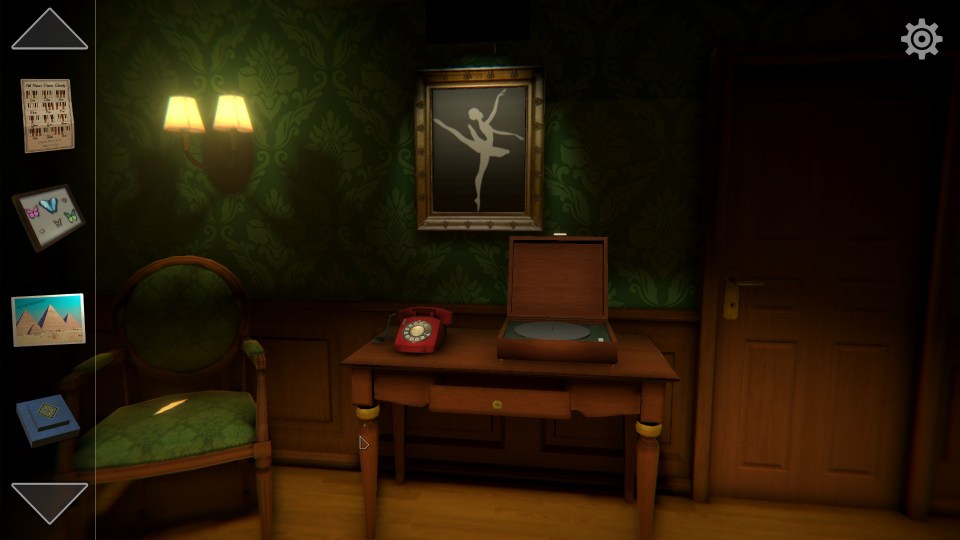
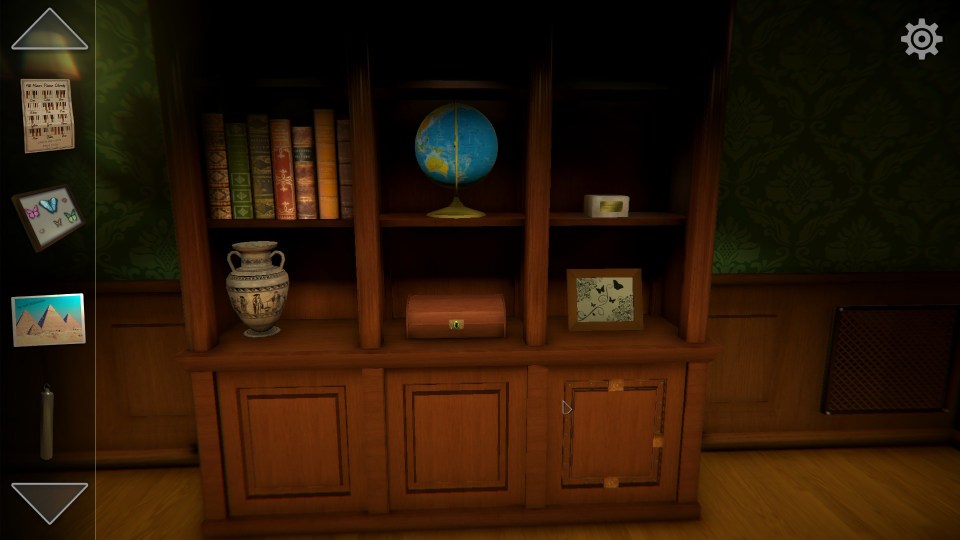
There are currently 4 rooms to escape from in The Escaper.  You progress through them one by one, with the exit to a room leading to the next one.  The rooms initially appear to be fairly straightforward, with you starting in some vintage study with a locked door.  Escaping this room is pretty easy for the most part, but just like every room in the game, there’s at least one extremely obtuse and vague puzzle to be solved.

20200310153144_1

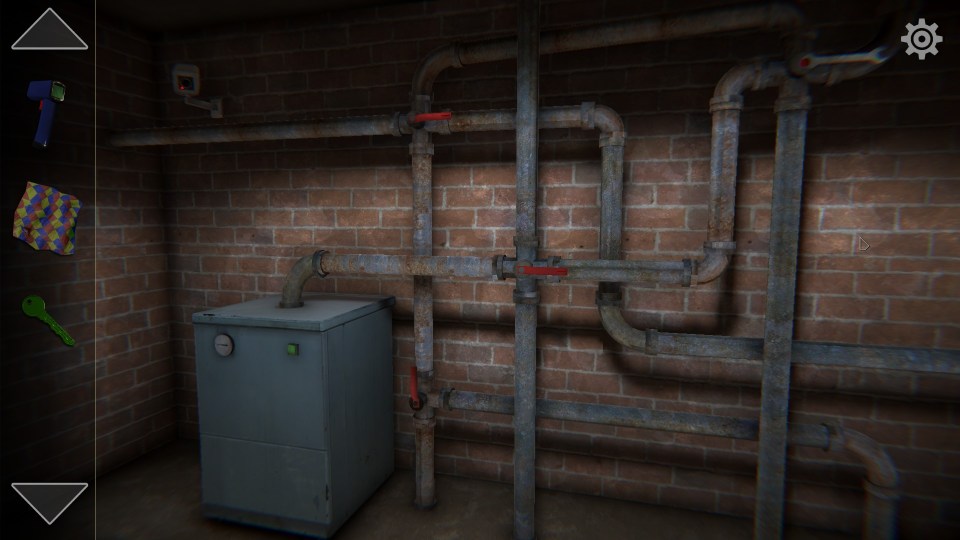
I initially thought that maybe I was at fault here, considering that while I love puzzle games but am notoriously terrible at them.  Then I reached the second level which was a boiler room.  This is where it became apparent that some puzzles are just broken.  For instance, there was a keypad on a door with 8 numbers that it needed to unlock it.  These numbers are found together and presented in a certain order, something to the effect of 20, 35, 40 and 60.  I punched the numbers in, and got nothing.  I punched them in backwards and also was met with failure.  The actual solution was just randomly punching in these groups of numbers until it opened.

There was nothing in the room that indicated that the numbers had to be punched in that specific way.  And that’s the biggest shortcoming with The Escaper.  It’s painfully vague and expects you to engage in a lot of trial and error in each level.  Sometimes the technical aspects of the game can even hinder your progress.  Early on in the first level, you need to find the right time to wind a clock to so some classic adventure game nonsense can take place.  The problem I ran into was that the thing you have to read to find the time was in such a low resolution that I just assumed it was just part of the scenery.

20200310163011_1.jpg

There was even an instance where I had to punch in 1 of 6 solutions to a puzzle based off some markings on a wall.  The game wanted me to just try them all, but thanks to a fun graphical glitch, I was able to see that a secret compartment was behind one of the markings.  Wouldn’t you know it, that was the solution to the puzzle.

But despite all of this, I still pushed through and beat the game.  Despite its many shortcomings, The Escaper did scratch an itch of mine, and being priced at 4 dollars certainly helped. But unless you’re really desperate for one of these games and you don’t want to play other, and frankly better options out there, I can’t say it was worth the 2 hours it took to beat.

Blog: Truck Yeah – 04/15/20

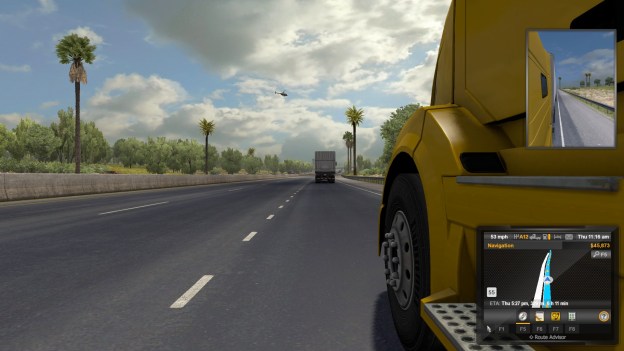
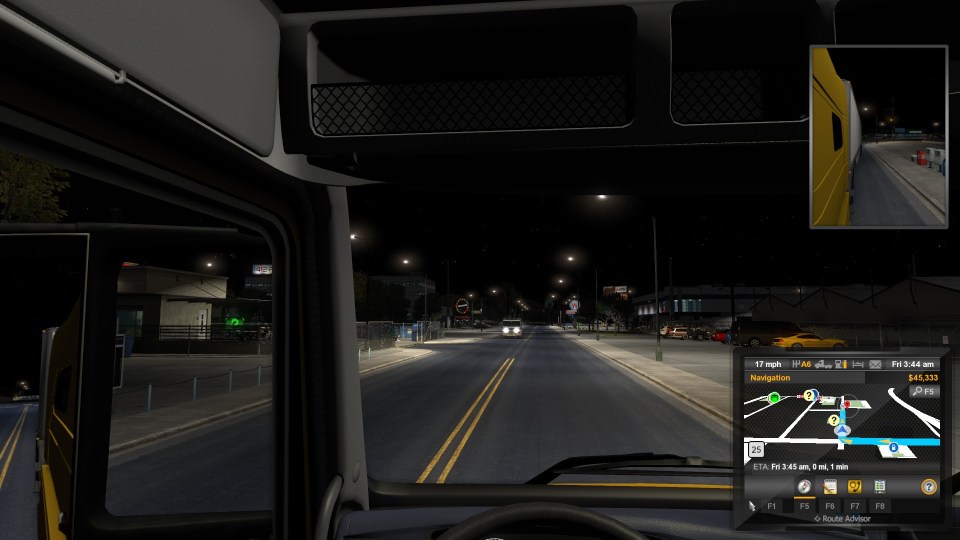
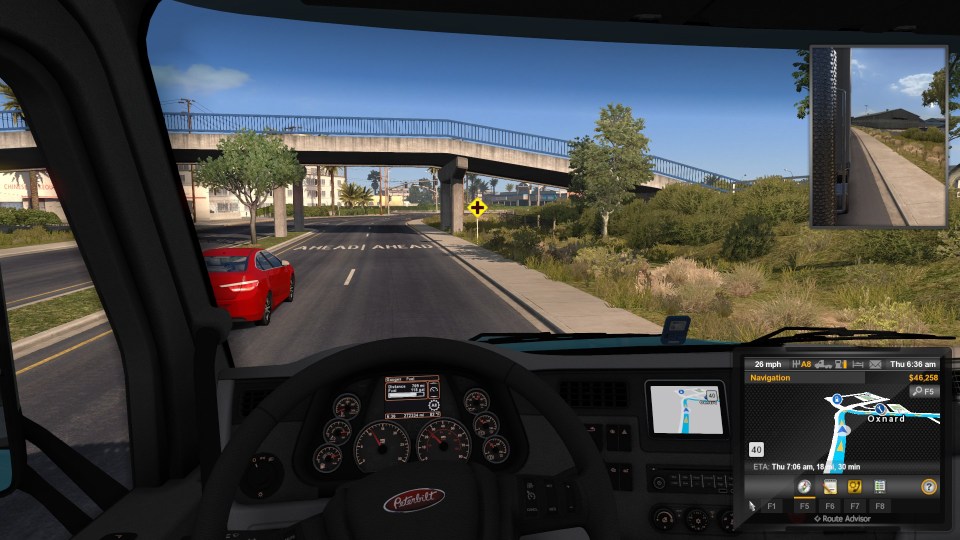
One of the things I’ve missed the most during this tumultuous period we’re living through, is just going outside and driving places.  Nowadays, the only driving I really do is going to the supermarket to brave the hordes.  I miss miss driving places, so that’s why I’ve taken the next logical step and started playing more driving games.  Particularly, I’ve been playing American Truck Simulator, a game that reminds me of my trucking days that definitely existed and aren’t just a false memory implanted in my mind thanks to weeks of isolation.

20200331162102_1.jpg

American Truck Simulator is exactly what you’d guess it is based off of the title alone.  It’s a game about being a trucker and driving those long and lonesome roads, ensuring your cargo gets to its destination safely.  Every ounce of the mundanity of driving on the highway is represented from lane closures, construction, accidents and more.  You also have to balance some more personal needs like sleeping and stopping for gas.  It’s a pretty uninteresting pitch that manages to work, especially against the backdrop of the global pandemic we find ourselves in.

I’ve always enjoyed these meditative experiences that replicate the more mundane aspects of life, but especially now I find myself yearning for these kinds of games.  Along with just replicating the trucking experience, it’s also another perfect fit in the cavalcade of games I play in one monitor while watching something in the other.  With everyone streaming from home these days, I’ve got no shortage of companionship during my long journeys.

20200331153356_1.jpg

While I wish I had some sort of steering wheel and pedal setup to properly compliment my American Truck Simulator experience, I’m still having a good enough time just using a controller.  I think games like this are bound to thrive more during this global crisis, but even divorced from the situation, it’s still a fun enough game that doesn’t require too much of your mental capacity to play.  It’s certainly helped scratched my driving itch for now, but I still miss the real thing.

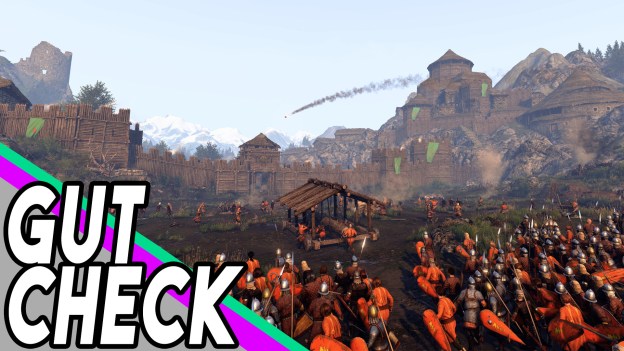
Gut Check: Mount & Blade II: Bannerlord

The Mount & Blade series has a long and storied history among the PC gaming community, with the first game releasing back in 2008.  Since then, there have been a few expansions but never a true sequel until recently in the form of the early access release of Mount & Blade II: Bannerlord.

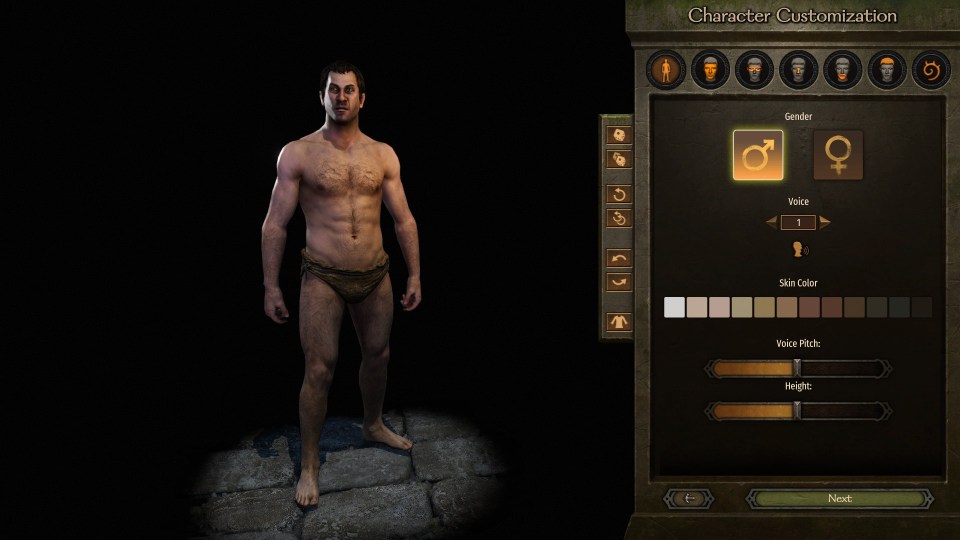
For those of you who might also be in the same situation as me, particularly not knowing anything about the series, let me do my best to explain what the game actually is.  In Mount & Blade II: Bannerlord, you start off by creating your own medieval warrior and filling out their history to determine different buffs and abilities you’ll inherently have.  From there you’re tossed into a combat tutorial that teaches you the basics of ranged, close-range, and mounted combat.

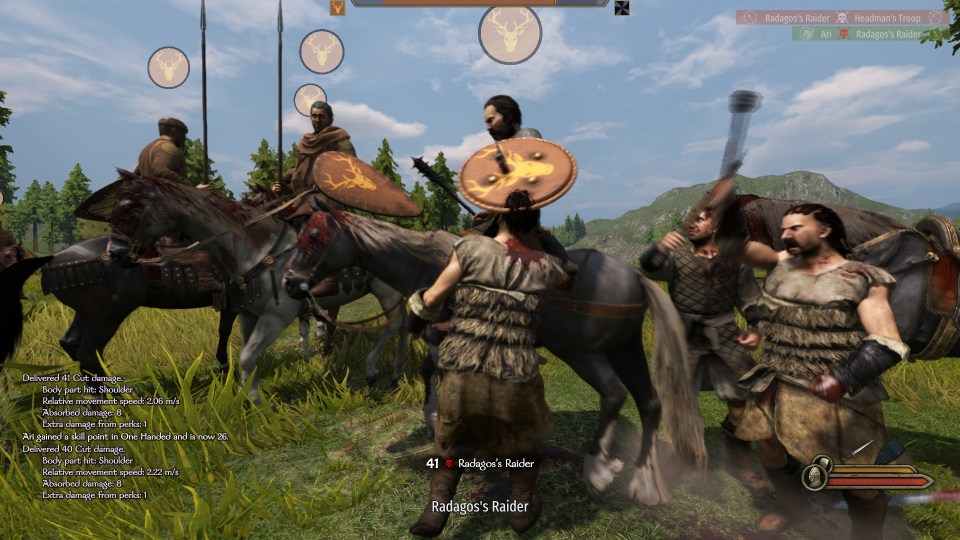
20200402142201_1

Combat so far has felt unwieldy and difficult to control.  If you’ve played games like Chivalry or Mordhau, combat generally feels the same albeit less impactful overall.  By aiming in a direction and clicking the left or right mouse button, you’ll attack or guard respectively, in that direction.   It’s a lot of wiggling the camera around in the hopes that you land a clean shot on an enemy.  In my opinion it’s serviceable, but never actually felt like I was in control of combat, but I’m sure with time you can get a good feel for that.

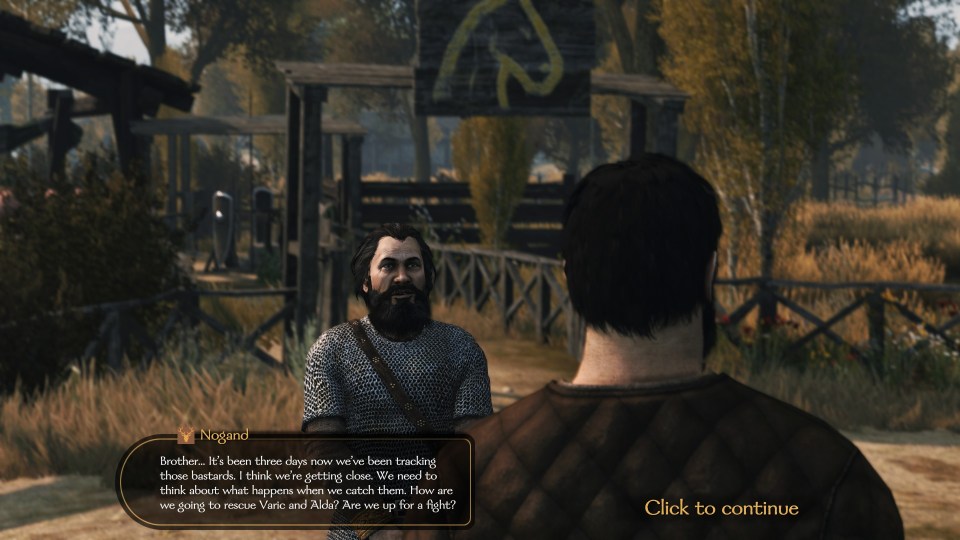
After the combat tutorial is completed, you’re launched into the tutorial for the other part of Mount & Blade II: Bannerlord, the RPG and strategy stuff.  I arrived at a small town in the hopes of tracking down the people who kidnapped my younger siblings (I think?).  There are a couple of layers here, so let’s start from the top.

20200402143025_1.jpg

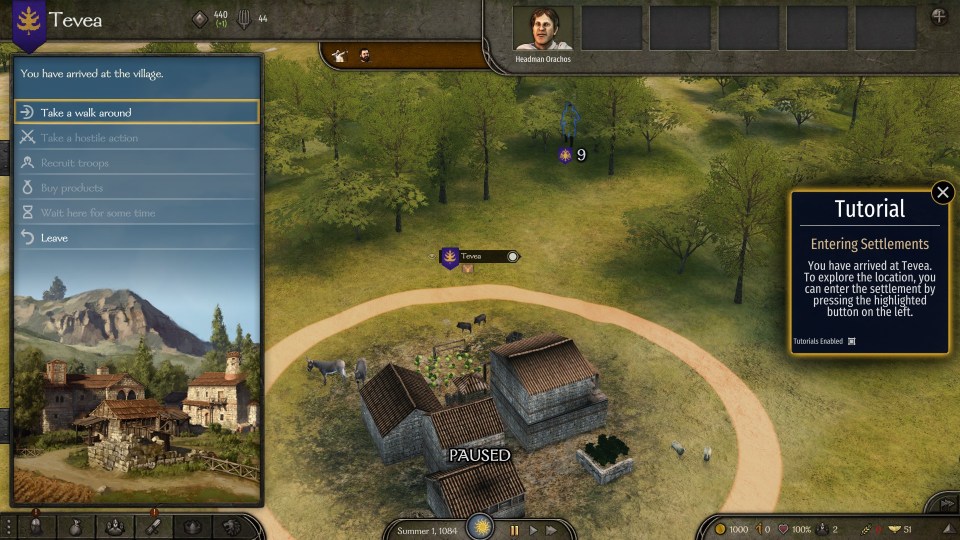
On the world map was the village my brother and I were heading to in an effort to find answers.  I clicked on the village and was presented with a menu that prompted me to either walk around, buy supplies, or recruit soldiers.  Being the tutorial, I chose walk around, which hit me with a quick loading screen and then I was into this pleasant little village where I had to find someone who could help me.  After finding the right NPC and talking to them, I was told to buy supplies and recruit mercenaries.  So I had to back out of the village, hit a loading screen, and buy buy the supplies and soldiers from the world map.  Then I had to go back and talk to the same NPC to further the quest.  You see where this is going, right?

It was truly wild to me that I couldn’t complete these tasks while still in the village.  Instead, I had to ping-pong between loading screens and menus to complete objectives that should have just taken moments.  But whatever, it’s early access and I’m sure these things will be addressed over the course of development.

20200402145807_1

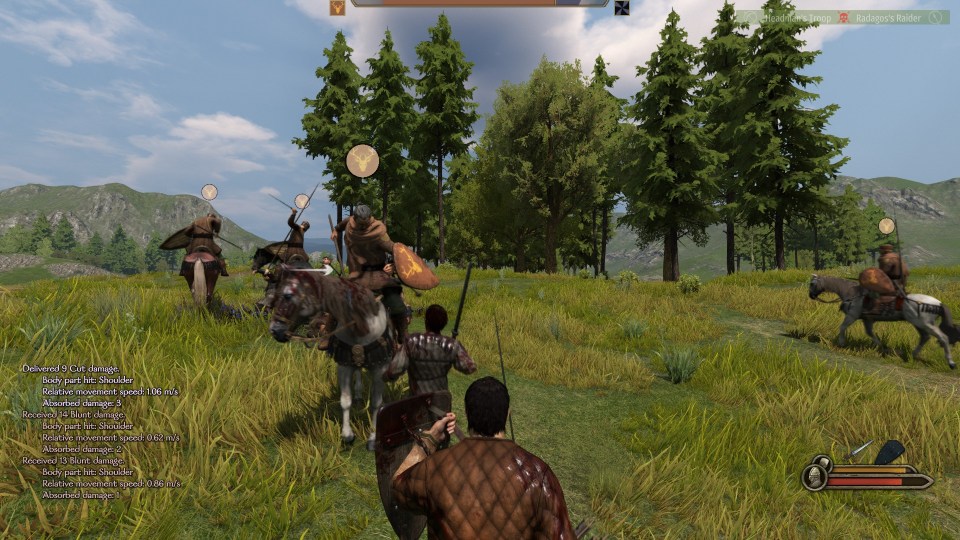
After fumbling through this portion of the game, it was finally time for me to get out there and do some hacking, slashing and looting.  I was tasked with tracking down three raiding parties that might have a lead on my missing siblings.  On the world map, I saw a raider running away from the village and I pounced upon them.  Once my character finally reached the enemy on the world map, we were bounced into a skirmish in an open field.  I had all of my mercenaries on horseback with me and charged the small group of soldiers on the ground.  It was only after I had charged in that I realized that my soldiers were not following me.

Thus, another layer of Mount & Blade II: Bannerlord was uncovered.  In the midst of combat, you can open a menu with several troop actions on it.  From basic commands like telling the party to stay, follow or go to a position, to more in-depth strategies like defensive formations were all available.  Unfortunately, time was less abundant and I just kited the enemies back to my troops where we utterly demolished them.  A victory screen showed up, and I was prompted to take prisoners.  I took all of them cause I literally don’t know why I wouldn’t.

20200402152154_1


Upon the third and final cycle of this, one of my prisoners approached and had a conversation with me.  He said he was a doctor and that raiding was not something he wanted to do, but was forced into.  He gave me the lead on a bigger bad guy who might know something about my siblings, and went on his way.  It was around here that I decided to stop playing for the time being.

Mount & Blade II: Bannerlord is an awfully ambitious game that tries to blend all of these mechanics into one cohesive package.  I think it’s still very rough around the edges, but that’s to be expected from an early access title.  I’m extremely curious to see how the story progresses, not because it’s a great narrative, but because I’m interested in seeing how player choice plays into the game.  I’m eager to see what situations I can put myself in, and what choices the game offers me in return.

20200402152145_1

But there’s a lot of things that I haven’t seen in Mount & Blade II: Bannerlord My understanding is that battles can get massive, with dozens and dozens of troops clashing as you grow your army.  There’s also the multiplayer component, which I have no clue about, but I think it allows players to build their armies with other players, putting them in specific roles and positions, pitting them against other player run armies.  All I know about Mount & Blade multiplayer is that it’s utterly wild, and primarily the reason that people have stuck with the series for so long.

I am super interested to see where the development of Mount & Blade II: Bannerlord goes, but in the state it’s currently in, I might step back from it until it gets a few more layers of polish on it, as well as some better tutorialization.  Full controller support wouldn’t hurt either.


Curiosity isn’t Enough

I’ve often talked about upcoming games by expressing my interest and curiosity in them, as if I was some sort of scientist or detective trying to deduce something.  While I’ve played a lot of games that fell in that bucket, there are some that I just never got around to and probably never will.  So here are a few games that I’ve been curious about for a while that I’ll probably never play.


PRAEY FOR THE GODS

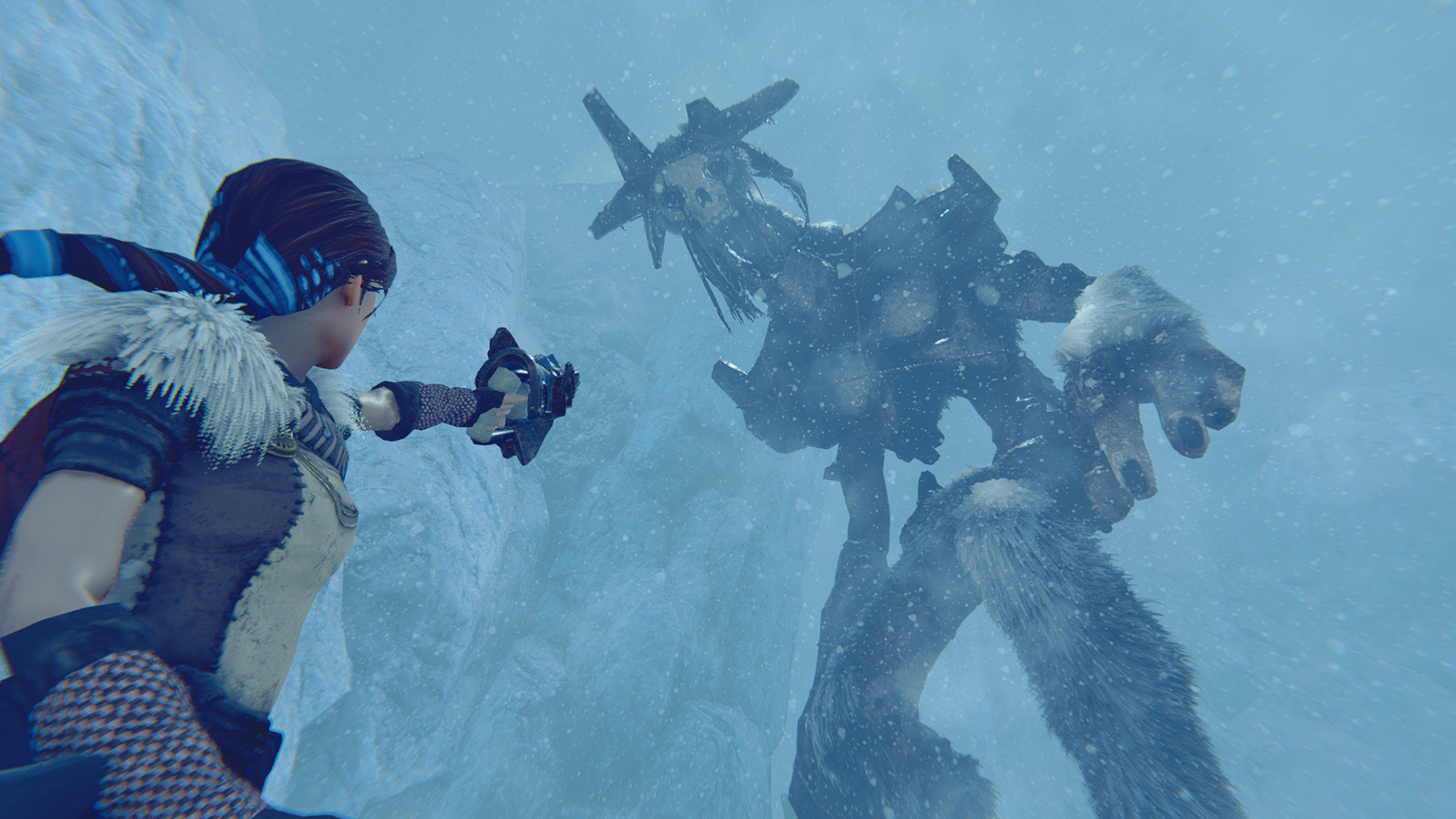
There are few games that have ever come close to capturing the scale and drama involved in fighting a boss that Shadow of the Colossus did back in 2005, and once more in 2018 with its remake on PlayStation 4.  With its core conceit being, “go kill that gigantic monster” and nothing else, it set out to do one thing and nailed it spectacularly.

Praey for the Gods is a game that was Kickstarted back in 2016 that raised upwards of $500,000 on the promise of being a spiritual successor to Shadow of the Colossus. I have no way of proving this, but I suspect the actual remake of Shadow of the Colossus killed a lot of the momentum for Praey for the Gods, but that might just be me projecting.

I don’t know why I never gave it a shot, but I suspect my personal motivations were undercut by the actual remake of Shadow of the Colossus.  Also, I believe there are some survival mechanics in the game that turned me off on a product that I was already lukewarm on.  It’s a shame, cause it looks like a cool game, but I’ll probably never play it.


BLACKSAD: UNDER THE SKIN

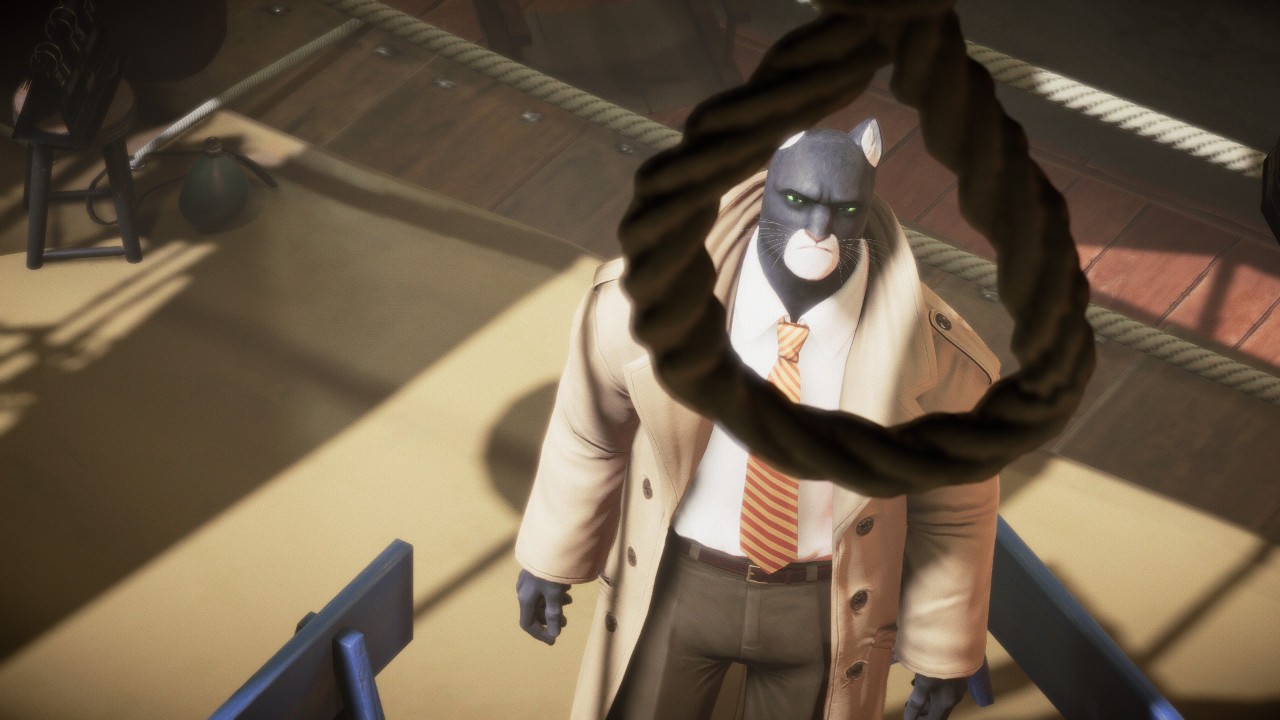
Blacksad: Under the Skin is an adventure game that whether it aims to or doesn’t, reminds me a lot of the tone and style of The Wolf Among Us, a game which I love.  In a world filled with anthropomorphic animals, with you taking up the role of Blacksad, a gruff detective kitty who has a gun.  Something I didn’t know but suspected to be the case, is that Blacksad is an existing character in graphic novels and comics dating back to the year 2000.

I’ll be completely honest, I still want to play this game.  But it’s just a little out of my price range and never seems to dip down far enough for me to take the plunge.  I’m curious about it, but not that curious.


GREEDFALL

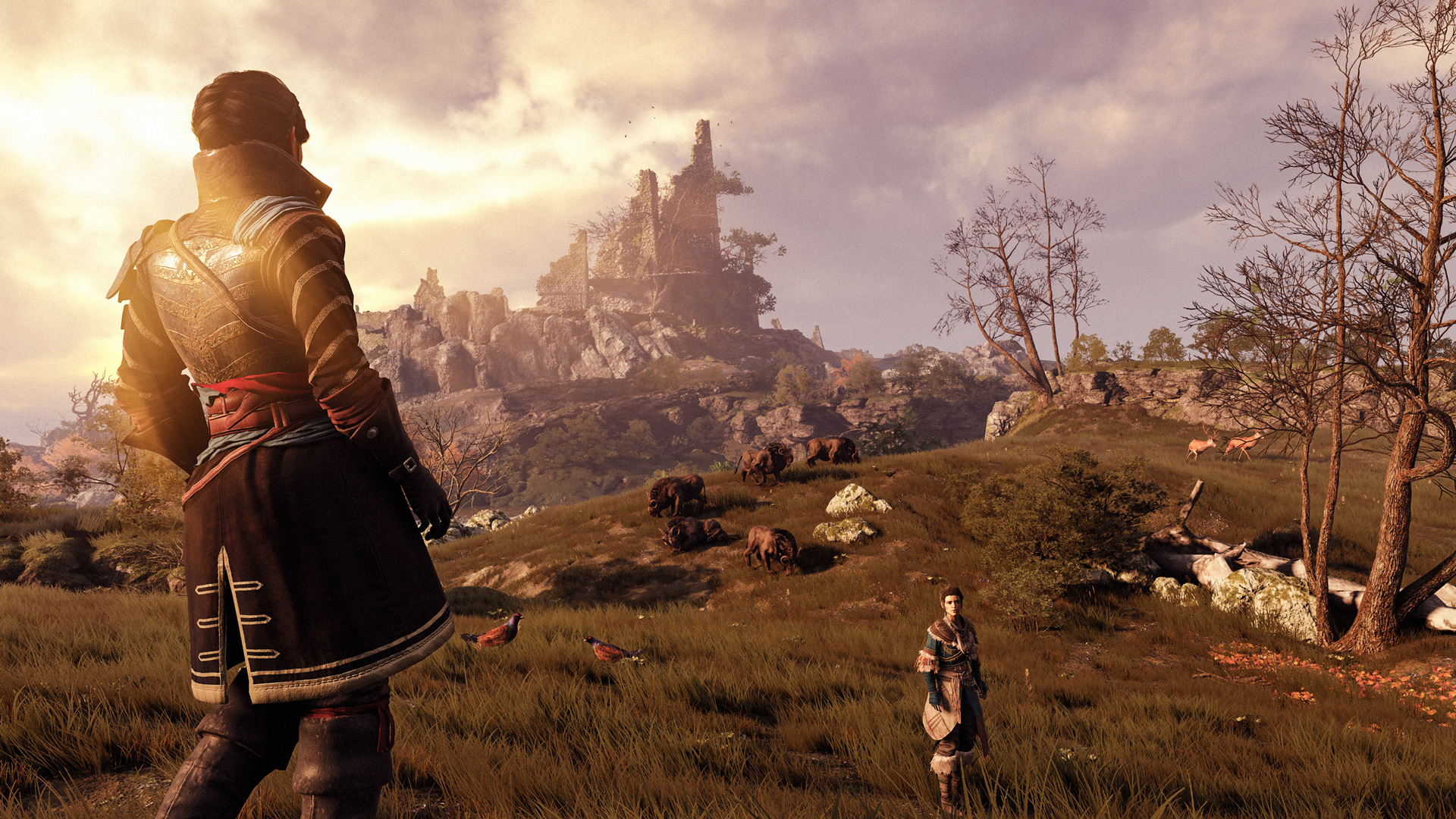
For a game that got hyped up pretty heavily before it released, it sure did fizzle out quickly.  Greedfall is an action RPG that leaned hard into the colonialism aesthetic, boasting muskets and tricorner hats along with a bunch of monsters to fight.  It looked a lot like a Dragon Age game, another series that I don’t really have much familiarity with.

I wanted to play this game because I felt like I was missing a good meaty RPG in my life.  One of my good friends had bought in hard to the hype and was my basically my informant on this game.  His reaction was tepid at best, and I don’t think he ever played more than a few hours of the game.  That was troubling because if he, a person notorious for loving these kinds of games didn’t like it, what chance did I have?

Ultimately, thanks to media coverage and word of mouth, I backed away from Greedfall, and even if it suddenly appeared in my Steam library I doubt I’d ever even boot it up.


It’s still infinitely confounding how someone could go from super interested and excited for a game, to not even knowing if they’d play it even if it were given to them.  Even if you put money and time aside, something changed from then till now.  In most cases, I still actively enjoy these genres and will continue to seek out these kinds of experiences in the future, but when something has been sitting on the shelf for so long, you learn to live without it.


Blog: All the Time in the World – 04/08/20

So here we are, week 46 of social distancing, with nothing but time on our hands to finally do all of those things we so desperately wanted to do but never had the opportunity.  Yet even with all of this time to pursue passion projects, I can’t seem to find the motivation to start anything, and end up sinking into a more comfortable, time-killing routine.

I’ve had so many “projects” stocked up in my mind for years that I always cast aside because I didn’t have the “time” for them.  Well, here I am with all the time in the world, doing none of them.  From trying new games, to rearranging my apartment, to bolstering my portfolio, and even finally getting around to making that album I’ve wanted to for over a decade.

I suppose the initial and somewhat factual reaction to all of this is that even with all the time in the world, I just don’t want to do anything.  This quarantining period seemed like the perfect opportunity to work on all of these creative projects I had swirling around in my mind, but I just have no motivation to do anything at all.

It’s a depressing reality we’re all in, and doing anything to keep our minds and eyes away from the miserable reality that is the world seems like a good idea for our collective mental health.  I don’t want to detract from the seriousness of of the situation we all find ourselves in by talking about how much free time I have or anything, especially knowing that people our out there fighting and risking their asses to keep the world going.  That all being said though, I can’t speak to their struggles and would never attempt to say I know what they’re going through.  I can’t and won’t, but I will thank them all profusely for everything they do.

But with the best thing that I can do in this situation being to just stay home, I’m finding that my usual waterfall of ideas has dried up just as quickly as my motivation has.  I think the combination of the current situation mixed with the lack of any deadline has really made it easy to procrastinate and stagnate.

It’s always been great for me to have firm deadlines to work within and I find that I do my best work when I have a time limit.  Now, without any limits or deadlines however, tomorrow is always the day I plan on doing something.  I’m always pushing the goal posts back because there’s no end in sight for the sequestering.  Hell, I’ve even found it hard to keep up with this website despite having literally nothing else to do.

I’m sure that there are plenty of creative types out there who are flourishing right now and getting so much stuff done.  I’m also certain that there are plenty of people out there in the same boat as I am.  No one knows how long this whole thing is going to last, so I’m sure that I have time to find my footing and get going on any sort of project.  It’s just that starting them is the first and hardest part, and I’m still trying to adjust to this new life a lot of us are leading.