Category Archives: archived master of disaster

The Master of Disaster: Maps – 11

Welcome to another installment of The Master of Disaster, a feature where I outline some of my preferences, tactics and stories that have come out of both playing, but mostly from running various tabletop role-playing games.  This time around I’d like to talk about something fairly obvious, but easily one of the more labor intensive parts of being a GM.  Of course I’m talking about maps.

To preface, considering all of my GM/DM experiences revolve around playing a game online, this article is going to exclusively be about online resources and tools I use to make maps.


MAP PURPOSES

First thing I want to touch on before we get into any specific tools is the mentality I have when I decide it’s time to make a map.  It’s an alluring prospect to have a map ready for every location your players might visit, but that’s a fool’s errand as well as the quickest way to lose your mind.

In my previous campaign where we ran a custom story in a custom world using the D&D rule-set, I wanted to create an entire continent with interesting topography, plenty of hidden areas with quests attached to them, and unique cities that all had a different feel.  While that sounds like a lot (and it was), I went ahead and pushed on, creating roughly 30 different maps that my players might stumble upon, not including bespoke dungeons.
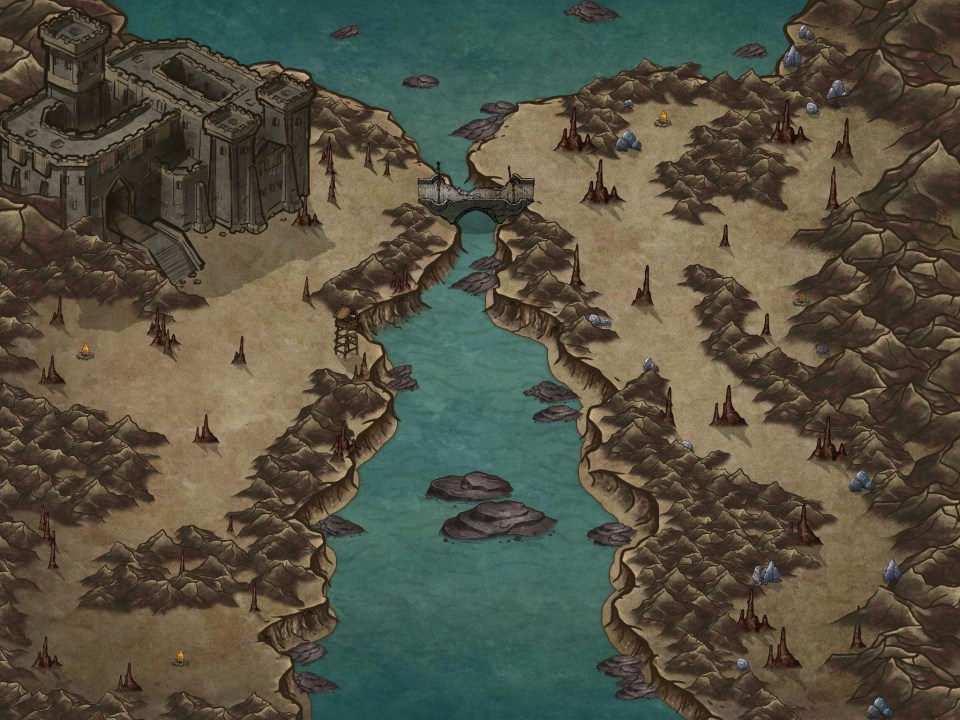
Cave 1.jpg

I essentially wanted them to approach my world like they would have if they were playing something like The Elder Scrolls V: Skyrim.  I had random encounters ready to go, caves and dungeons they could stumble upon and of course, cities for them to explore.  The problem was that I was approaching running a campaign along with map making, as if it were a video game.  Some video game concepts might translate better than others, but the way I went about crafting a world didn’t 100% work out.  Ultimately, I only ended up using a third of the maps I made before we ended the campaign.

Fast forward to the current campaign I run using the Monster of the Week rule-set, and instead of a massive world that’s been hand crafted, I went went with a city that had only a handful of notable landmarks.  Some of these landmarks do have maps associated with them, but for the most part I now rely on my players to tell me where it is they want to go, and flesh it out on the fly by painting a “word picture.”  This approach is easier on me, but far less visually appealing for the players.  So it’s good to brush up on your improvisation and narration skills before attempting this.

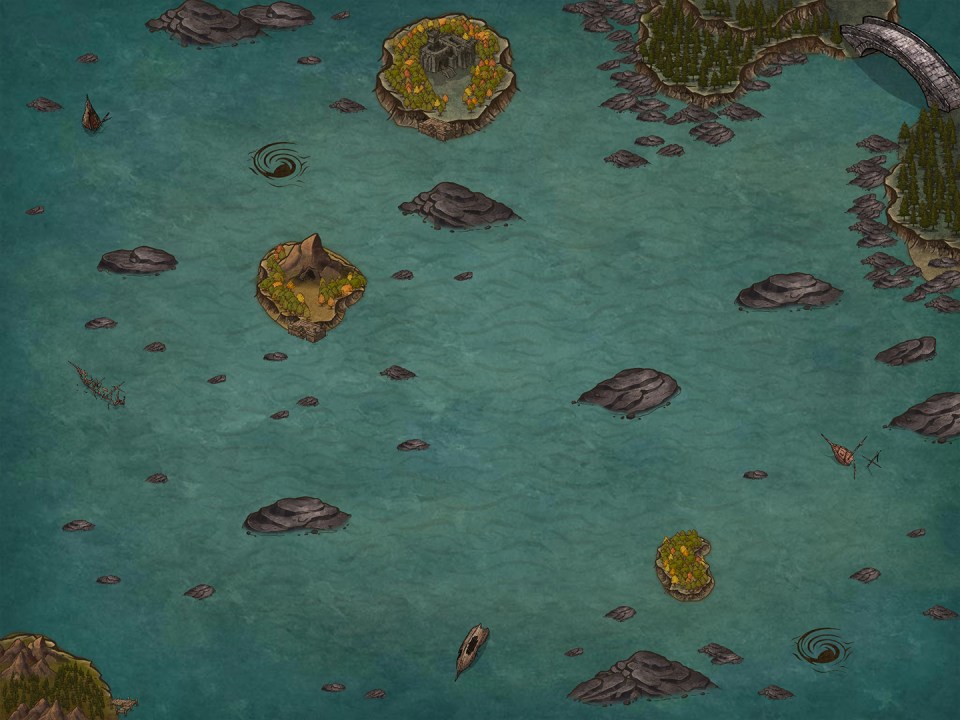
Sea of the Dead.jpg

The point I’m trying to make here is about over preparation.  I went insane and made 30+ maps, most of which that were never seen before, because I had these grand ideas about where my players would go, and what they’d do.  As we all know though, you can’t assume that your players will do anything you plan for.  My strategy now is to build each session, maps and all, based off of what happened in the previous one.  It lightens the workload a lot and let’s you get particularly detailed with descriptions if you know your players are going to be there for a while.


Being that all of my sessions are run through the Roll20 service, I rely exclusively on online tools and resources to aid me in my map making endeavors.  These tools range in quality and scope, but all of them are good for different facets of running a game.  So here are a few of my favorite tools and resources for you to use.

INKARNATE
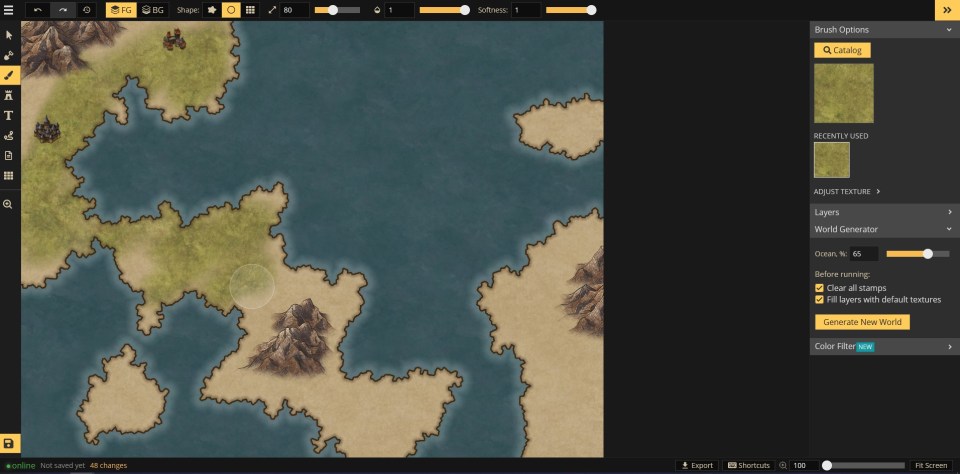
Inkarnate.jpg

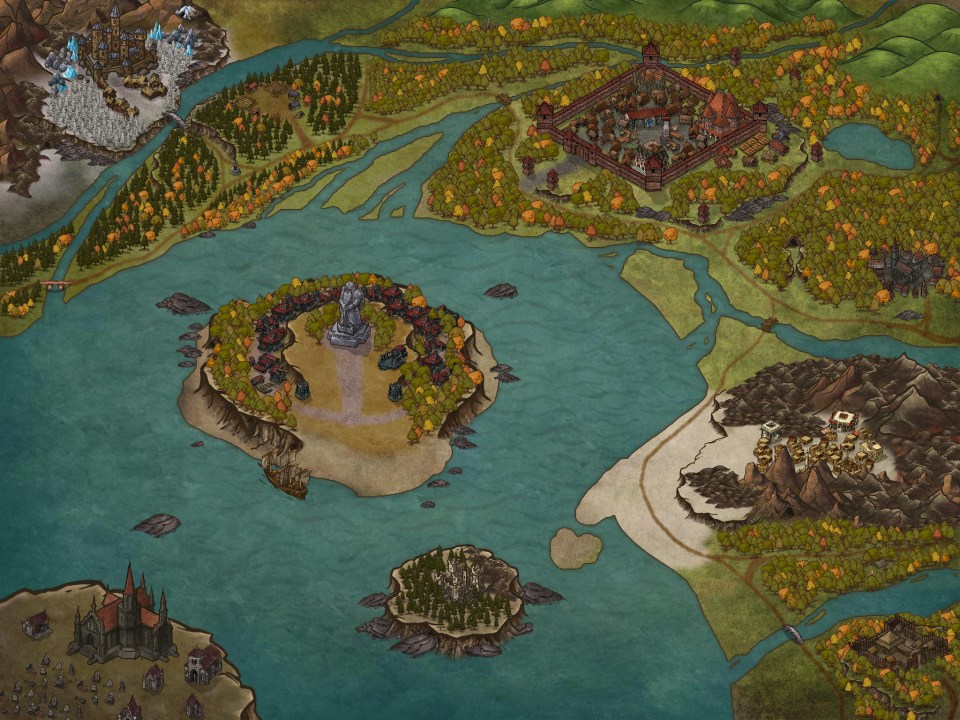
Inkarnate is a really accessible “free” tool that you can use to make all manner of visually striking maps.  It has a robust editing suite that has a lot of custom art for you to plop down and create with.  Within minutes you can generate a world, regional, or city map with various terrains, buildings and landscapes.  The tool is great whether you want to only spend 5 minutes in it, or an hour.

The only thing that could be a drawback is that the free version of Inkarnate, is severely limited in what you can actually use.  In the paid version, I have access to hundreds of different objects from different kinds of trees, mountains, buildings, walls, gates and so on and so forth.  The free version only had a fraction of that stuff to use, but still enough to pump out a couple of maps.
Alavor West.jpg

The free version also limits the export quality of your maps in some regards, although while I have the option to export my maps in 4K, I don’t know why I ever would.  The silver lining here is that if you did want to shell out cash for the full suite, it’s only 5 dollars a month or 25 for a year upfront.  I think it’s worth the price if you need good fantasy themed maps, but if you’re running anything other than fantasy, Inkarnate has basically nothing for you.

MEDIEVAL FANTASY CITY GENERATOR
Fantasy City Generator.jpg

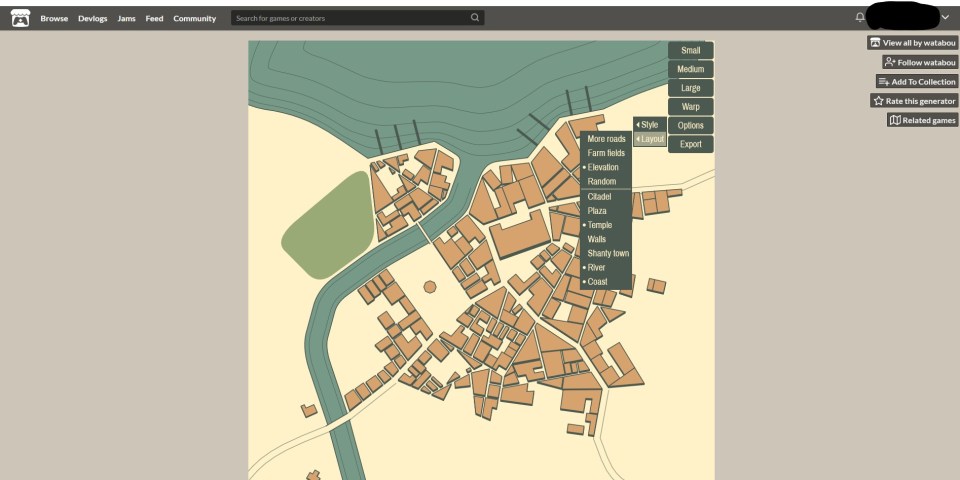
This one is kind of self explanatory, but it’s worth talking about briefly.  The Medieval Fantasy City Generator is super easy to use, but fairly limited as well.  With only a few clicks, you can generate a top-down view of a city and determine if there are farms, roads, coastlines, and other things like that.  It’s quick, it’s simple, and it’s free.
Arden.png

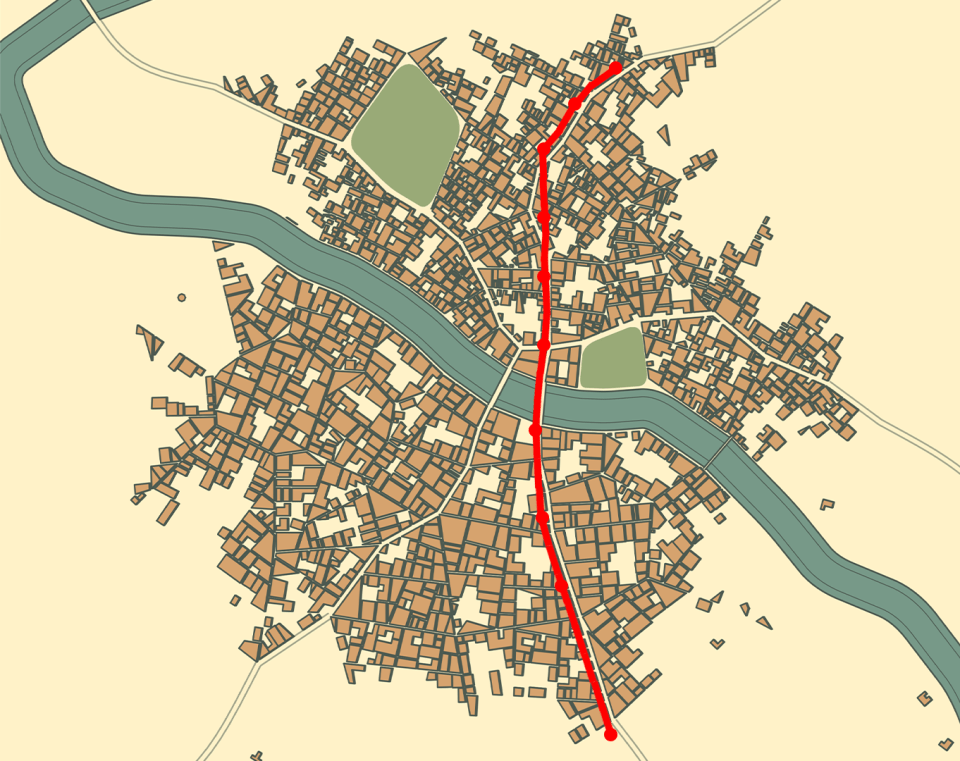
What this tool isn’t however, is super customizable.  You can choose different color and object options to toggle on and off, but you can’t really get granular with it.  You can edit the dimensions of certain objects in the city, but that’s about the extent of it.  I actually used this tool to make my modern day, Monster of the Week city, and it’s worked out pretty well.

DUNGEN
dungen.jpg

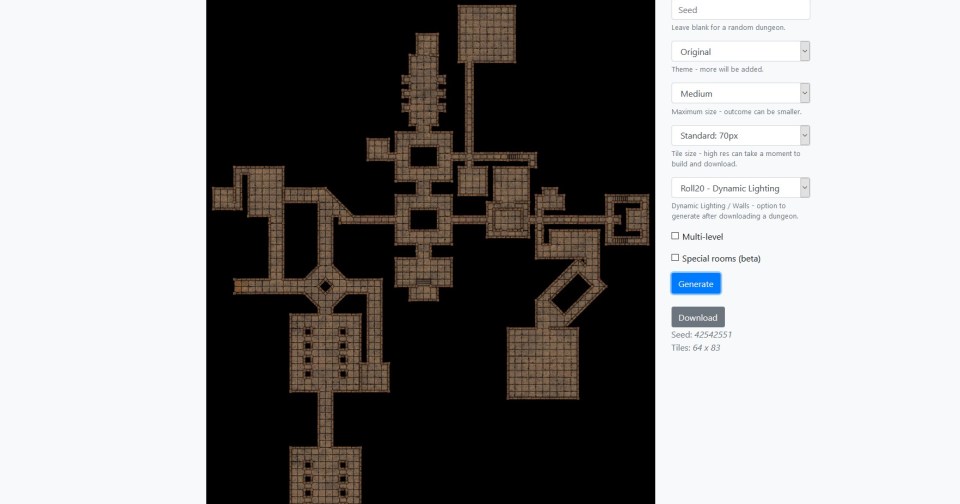
Want to generate a dungeon really quickly?  Well DunGen has got you covered, although not completely unless you back the maker’s Patreon, which you should consider if you like this tool.

With DunGen, you select a few options, size, theme and levels, and in seconds you’ll get a pretty awesome looking dungeon.  As I’m writing this in early April of 2020, the creator has unlocked some Patreon exclusive features for everyone to use during the pandemic, such as higher resolution downloads, and automatic dynamic lighting integration for Roll20 users.

Since the tool is using pre-generated assets which it stitches together, the maps can feel a little “samey” in spots.  But despite that, it’s one hell of a tool that I’ve used several times in conjunction with the art assets I have on Roll20.  Just drag a couple of boxes and torches or whatever on to one of these dungeons, and you’ve got something people will think took you hours.

DONJON
donjon.jpg

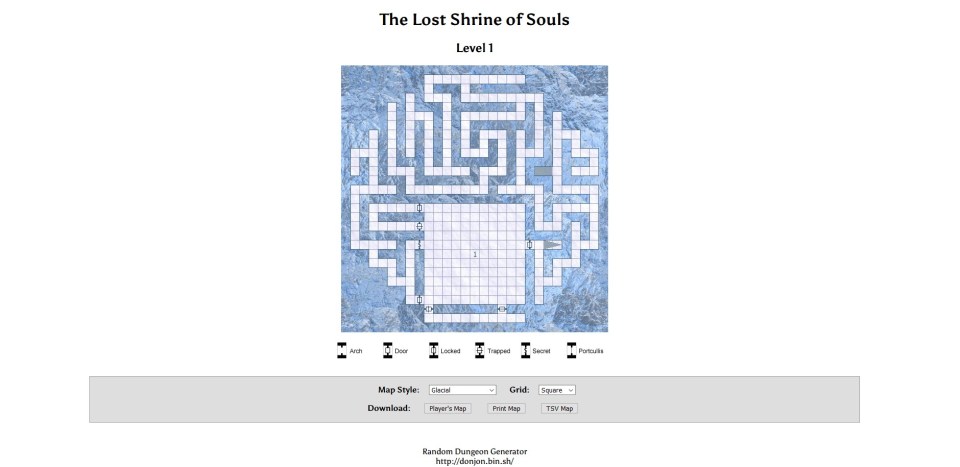
Finally, I’d like to highlight something that isn’t just a map making tool, but something all GMs should explore.  Donjon is a massive resource that includes, various map generators with annotations for doors, traps, and stairs, as well as a generator for just about anything you can think of.

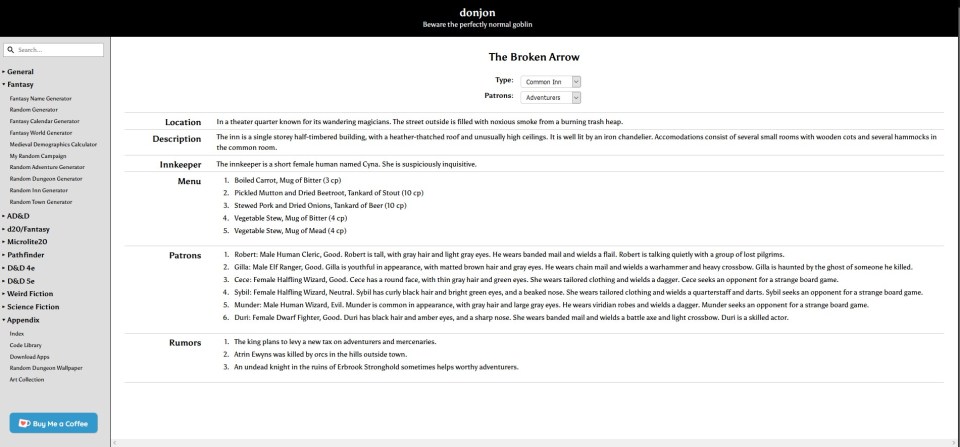
In a matter of clicks, not only can you make dungeons, but you can just generate full quests and locations.  For instance, the image below this paragraph was just the first thing that came up when I clicked on “inn generator.”  I now have this one page that not only gives me a quest to give my players, but menu items, NPCs, rumors and a description of the place itself.  In one click, I am able to describe a scene that might take me a while to write, and even longer to illustrate.
donjon 2.jpg

Donjon is an amazing set of tools that everyone should check out.  If you just need a dungeon, click here, but I strongly suggest you check out the entire suite of tools they have available.


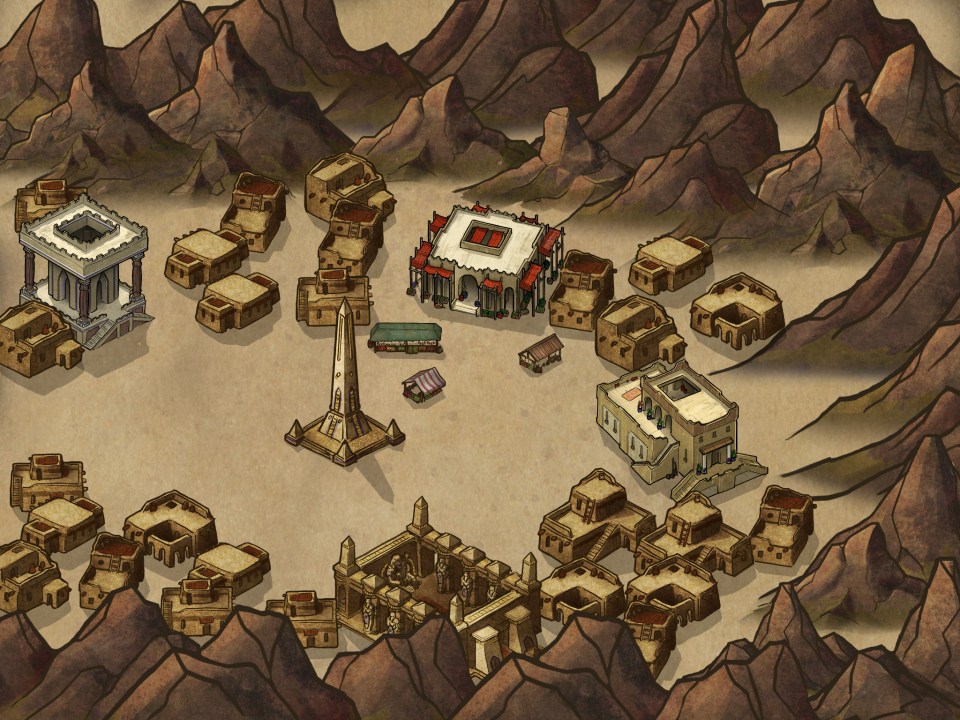
This feature has already run pretty long, but I just have one or two more things to touch on really quickly.  Firstly, make sure your maps are clear and legible.  What is just a stack of useless boxes you plopped in the corner for flavor, might turn into a 20 minute conversation about looting the boxes because your players don’t know any better.  Not to say that those conversations aren’t useful or fun, but if you’re on a time crunch like we usually are, minimize the amount of confusing imagery on your maps.
Refuge.jpg

Finally, and this one is pretty obvious, but make sure each room has a purpose.  I know there’s only so many goblin sleeping quarters and dining halls you can stuff into one dungeon, but there is nothing more deflating to a player than the feeling that exploring is a futile effort.  These aren’t just maps, they’re supposed to be visual representations of “real” places.  Not many people just have an empty room in their homes that exists for no reason.


Anyway, thanks for sticking with this one for as long as you did.  I could go on and on about making maps and easily double the word count on this feature, but my fingers are starting to cramp.  So for all of you DMs out there who suddenly have to migrate to online sessions, I hope these tools helped a little.
The Master of Disaster: Music – 10

Pretty early on in the campaign I decided I wanted to add an auditory element to everything we were doing, without resorting to generic dungeon crawling ambient noises that you can find on YouTube.  How would one go about this then?  Maybe they would search for music that set the appropriate mood, cause that would actually be a smart idea.  But what if we added hours to my session prep and included unique music tracks for encounters and story beats?  That’s the position I’ve put myself in.

There were specific tones and moods I was trying to cultivate throughout our campaign in an effort to add some drama and weight to everything.  It started out with me making little stingers of violins swelling or big drums strikes that would act as the period on the important sentence I was relaying to the party.  It largely went unnoticed and didn’t really add much to the experience.

But instead of bowing out there, I decided to go further.  What if I made these long, loop-able songs that would properly portray the current encounter or location?  I should note, this was all inspired by listening to certain RPG podcasts, where the element of audio can add a lot for both the players and listeners.  On one of the podcasts, The Adventure Zone, they did an episode where they answered a lot of lingering questions by the listeners, where it was revealed that most of the music was made with Apple Loops that were built into Garage Band.

I didn’t have a Mac, but I did have an iPhone with Garage Band installed.  Using the phone version of Garage Band wasn’t the optimal experience, but it got the job done.  I mainly stuck to relying on the included loops and various midi instruments as well as occasionally actually recording a guitar track.  Luckily the loops all worked well with each other for the most part, which made the whole affair a lot more manageable and less laborious.  Once I had managed to make a handful of tracks, it was time to use them in the campaign.

It actually went really well and was received positively by my players.  It made things feel a little weightier and put them in the mental place they needed to be.  Would it have been easier to find a good facsimile of the music I was making on the internet?  Of course it would have been, but I like making things myself.  So not only did I get to make sure the mood was just right, but I got to stretch my creative muscles.

I suppose I never really appreciated how important music could be to a D&D campaign before, but I doubt I could ever go back to not having it.  Aside from making the campaign better, it’s just fun to create things in general.

Honestly, being a DM has been some of the most rewarding creative work I’ve ever had the pleasure of doing.  From writing, to map making, character creation, acting and of course, making music, it’s truly a creatively fulfilling experience.  And considering we’re about to start an entirely new campaign with new themes, you know I’m excited to get in there and make several albums worth of tracks for it.


The Master of Disaster: Don’t Take it Personally – 09

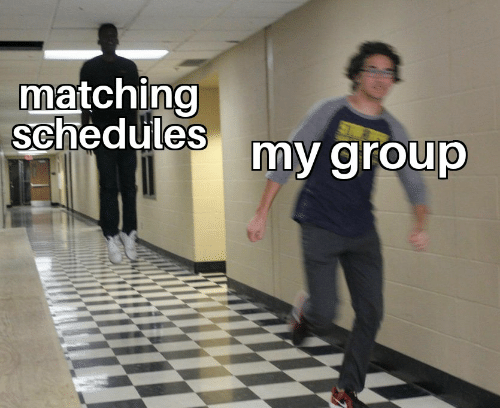
Like the countless memes on the internet would lead you to believe, scheduling our Dungeons & Dragons sessions can be unnecessarily difficult sometimes.  People have their obligations and responsibilities, and it’s important to recognize and respect that, because at the end of the day these are still your friends.  I recently found myself getting very down due to the scheduling nightmare that is our D&D campaign, and it took some time for me to get over it.

For months now, my group had been on the verge of some pretty big revelations in our campaign that I’ve been eager to drop on them.  The problem was, with the holidays and various personal obligations, we hadn’t been able to meet for a full session in weeks.  Totally understandable stuff.

meem

The problem is that at some point during this period, whenever I would send a text message to the group on game day, it always felt like a roll of the dice as to who would cancel this time and considering we’re a small group of 4, when one person bows out, we all bow out.  It wasn’t their fault that something came up and I understood that.  But after a while of this, it started to feel like I was bothering them and hounding them to play D&D.

I hated this feeling.  I hated it so much that it somehow warped into resenting myself and to a lesser extent, them.  I was angry at my friends and they had no idea.  While I completely had no right to be angry, there I was, dejected and frustrated with the current state of things.

The problem for me was that even though the sessions had stopped for a bit, my brain didn’t.  In my mind I’d been thinking about all the things I want to throw at them from combat encounters to story threads.  Whenever I’d go to write these outlines out or make a map, I’d just get upset because I started getting overly defeatist about the situation.

It was stupid and immature of me to be so upset and filled with resentment, and eventually I realized that.  The reasonable part of me finally chimed in, cooled me down, and made me realize how childish I was being.  Even though we still haven’t played a session yet, I’m okay with it.  I’ve started funneling my creative energy into other projects, and that’s been incredibly helpful.

Even though I know it was immature and shitty to harbor these feelings, it was just so deflating to have sessions get cancelled, the day of.  So one decision I did make was that I wasn’t going to hound them about playing anymore, and instead wanted to let them come to me when they wanted to start up again.  What I’m really trying to avoid with this strategy is having them feel like D&D is work.  It’s a game that we play together, and just like other games, sometimes you can’t sync up.

The Master of Disaster: Adapting – 08

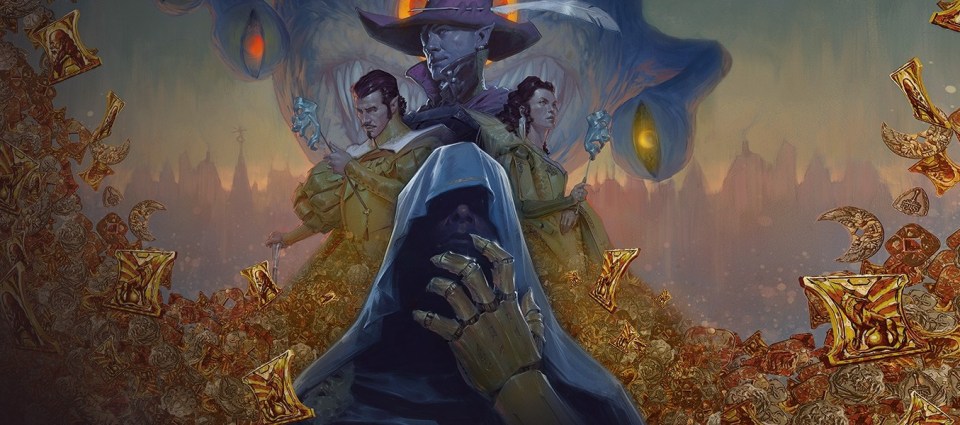
While I always feel immensely satisfied with the work I put into crafting and delivering our various DnD sessions, when I look back on where we started versus where we are now I can’t help but feel like I missed endless opportunities along the way.  My Dungeon Mastering started by following the Waterdeep: Dragon Heist book in an attempt to get my sea legs under me.  I had always intended to stray from the book and its story, but never did I expect it to be such a dramatic departure.

I’ve gone over that transition once or twice already, so I won’t retread that yet another time.  No, the crux of this The Master of Disaster is about adapting on the fly and how important being able to do it effectively is.

One of my players is currently in the midst of crafting a one-shot game for us as a way to get comfortable with being a Dungeon Master for a future campaign they’ll run.  He recently came to me and let me know that he was a little behind and needed more time to hone it.  That’s completely understandable, considering that putting together even a one-shot is a tremendous amount of work.  But I wanted to impart my limited knowledge upon him and maybe help him prepare for the stuff that you can’t script out.

I don’t know if I was effective in portraying that message, but hopefully this can help him along with other first time Dungeon Masters.

The first thing to understand is that you need to give your players a reason to do something.  I’ve struggled with it in the past and it led to a couple of moments with me breaking the fourth wall and just saying, “you’re going there cause that’s where the rest of the game is.”  There was more context to that statement, but it doesn’t matter because that’s just a bad way to handle the situation.  I either needed a better motivator or a better way to express that this was the direction the party should head in.

The second thing is to know your NPCs.  You don’t have to make bespoke character sheets for every NPC you craft, nor do you need to name every citizen in a town or village.  That path leads to nothing but insanity.  What I settled on was making sure I had an understanding of what the named NPCs knew and what that information meant to them.  Maybe the party would have to earn that information, maybe the NPC was easily intimidated, maybe they were a good Samaritan, or maybe they just don’t know something.  You can’t plan for every question or line of dialogue cause you never know what your players are thinking.

Along those lines is the third and arguably the most important thing a Dungeon Master can do, and that’s being able to adapt on the fly.  Improvisation is a required ability when leading a session or campaign, that’s why it’s important to have the previous two skills down because it makes this third one that much easier.

For example, you might have a quest line involving a corrupt king that’s been enjoying the benefits of their royalty while their people live in squalor.  Why should the party care?  Well, the easiest reward is money or treasure, but if you have players who actively role play, you can tap into their characters minds and appeal to their nature.  The lawful good guy isn’t going to be too keen on an neglectful and abusive king.  You can reinforce this by having citizens who voice their disdain and dissatisfaction to the party, or an event that shows the kings brutality.  These can help propel the party in the direction you want them to go.

But you never know if they’ll take the bait or be as invested as you want them to be, and that’s why you need to be able to improvise and think on the fly.  Maybe the party is looking for a diplomatic approach even though you planned for a big battle.  Don’t squash that effort, embrace their decisions.  Even if you had this elaborate fight planned, you need to know when to let it go and let the party succeed.  There will be plenty of opportunities for other fights.

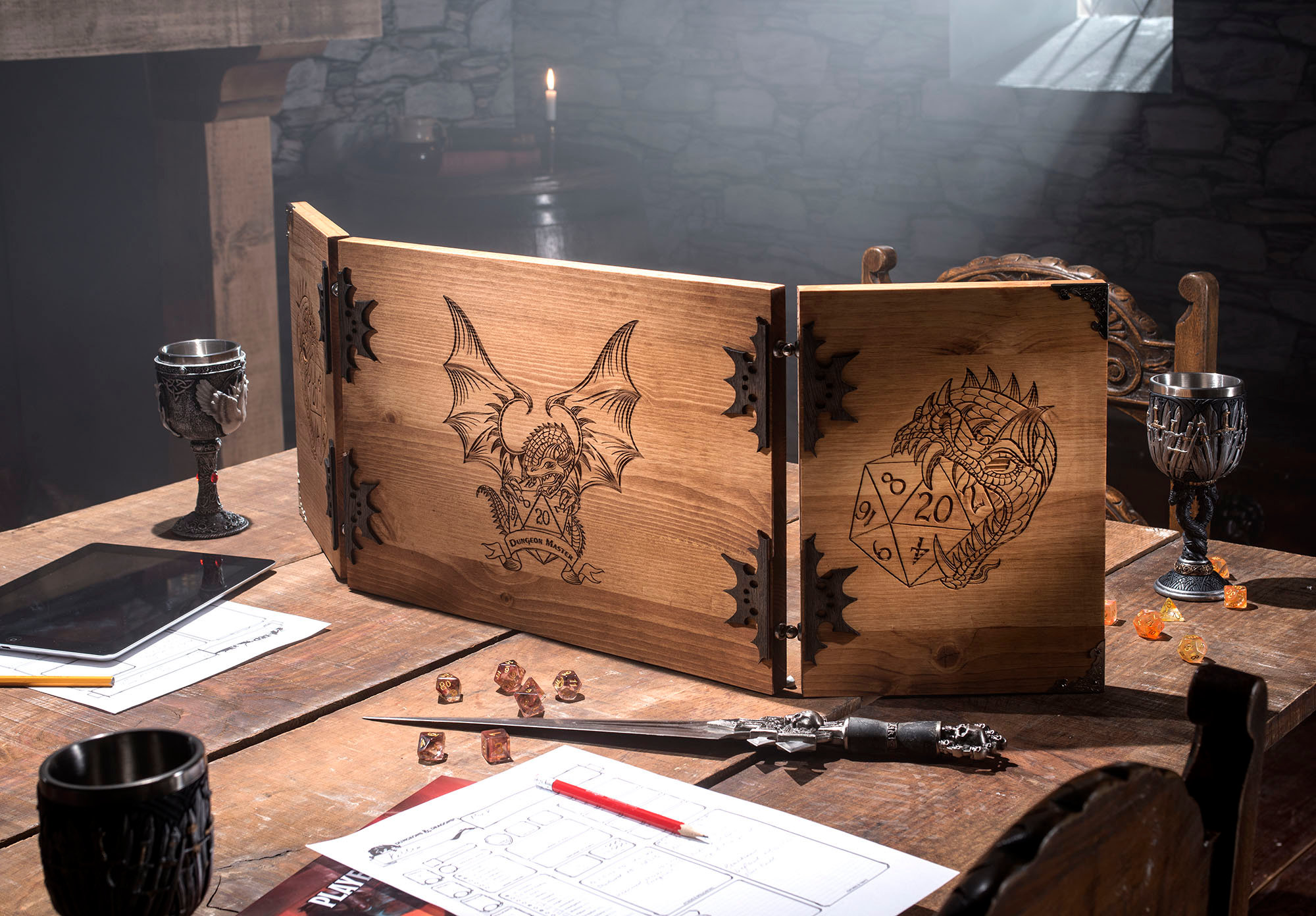
You can apparently buy this screen here

But let’s say you really want them to fight anyway.  Okay, I guess if that’s how you want to play it, you have to justify it.  The king might be okay with the negotiation, but maybe a group of his personal guards aren’t to keen on giving up their power.  Things like that can allow the players to feel like they’ve accomplished something without making it too obvious that you just wanted to fight.

Although one thing I’ve learned is that it’s usually better to just let your players take their victory in circumventing a battle because it makes them happy.  But maybe now you’re in a position where suddenly a battle that could take up half of your session is just gone and you’ve got nothing planned.  Using the previous example of the king, you can have the guards jail the king for betraying them or the throne or something and have it end up as a big brawl between the citizens and the guards that remain.

That actually accomplishes a lot because your players feel like their plan worked, but there were unforeseen consequences of their actions that rippled throughout the town.  Now they’ve got to clean up their own mess, and now they’re invested.

Like I said, I’m not perfect at this Dungeon Mastering thing, but I have figured out a decent way to keep my players engaged and excited most of the time.  Sometimes it’s fun to make a quest that plays their alignments against each other, or that one players character would be really invested in and see how they convince the rest of their group to follow along.

I guess to sum up everything here into one tight sentence, it would be this; Don’t say no to your players, instead offer up alternatives, goals and challenges to their requests and attempts, even if it goes against what you’ve planned for.

The Master of Disaster: Oblivious Players – 07

Sometimes you think that the situation you’re setting up is painfully obvious and impossible to screw up.  I could present my players with an open window to enter through, and they’d end up blowing up the building instead.  It’s a common theme in most DnD games where players will throw endless curve balls at the DM, but I’d like to tell you about a more recent example of their… “creativity.”

One of my players has chosen to be a thief, but more of a Robin Hood figure than some common criminal.  Sure, that sounds great.  Recently he found that some rich folks were throwing a party on the top floor of a manor.  Guards wouldn’t allow him upstairs because they’re good at their jobs.  Denied access, he decided to scout around to see if there was a point of ingress.  “You see a man in a suit, visibly drunk, stumble his way down the stairs from the fancy party, and into a room that says ‘gentlemen’ on it,” I said.  “He is roughly your same build and almost looks identical to you, except he’s got a cool mustache,” I continued on, hoping to see some Hitman styled shenanigans.

Before I go on, I’m not trying to dictate what my players do.  I just like putting these opportunities in front of them in case they found themselves stumped.

“I’m going to head into the bathroom,” he said.  Great, this is gonna happen, I can’t wait to see how this goes.  “I’m going to get into the stall next to him,” he continued on.  Okay, not what I was expecting, but yeah, this could work.  What happened next will bewilder me till my last gasping breath.

He decided to fashion a fishing hook out of string (just the string, no actual hook), and try to fish something out of the man’s pocket.  The dice rolled, and like the pro fisherman he apparently is, he snatched up a pocket watch out of this pooping man’s pants.  “Not sure how that helps you get into the party upstairs, but okay,” I said, remembering that he was supposed to be this altruistic thief.

Then he just left.

He skulked his way into the kitchen where a dumbwaiter was, and used that to get upstairs, where he got into even more nonsense.  Things involving beating up a chef, stealing HIS clothes, and talking to a character who is now apparently a big shot in my world, about plot points I haven’t written.

My player might be the biggest moron in the world, or some mega-genius who is thinking 10 steps ahead of me at all times.  I really don’t know anymore.  The moral of the story is that if you’re going to be a DM, learn how to improvise.

The Master of Disaster: Campaigning on the Side – 06

Due to various scheduling conflicts in the past month, my group and I haven’t been able to play much Dungeons & Dragons.  I’m not unreasonable, I know that real life obligations come up and take priority in just about every situation.  Normally in our small group of 3 players and myself, I’m able to treat these sessions as opportunities for the characters who are presently there to embark on some of their own personal quests and flesh out their backstories.  But earlier this month when one of our players was out, I decided to try out a different role playing game with my group; A game I think they ultimately enjoyed more.

With a man down, I created a quick one-shot campaign in a game called Monster of the WeekMonster of the Week differs pretty drastically from D&D in some key ways, particularly in limiting the amount of things that the players and myself have to manage.

Really quickly, let’s breeze through the basics of Monster of the Week.  First, the GM never rolls any dice, and the players only roll 2 six sided dice to determine everything.  Secondly, everyone knows what success and failure look like because the numbers they roll have predetermined outcomes.  For example, rolling a 7 to 9 for anything is considered a mixed success.  A mixed success usually means that the players do what they want, but at a price.  Sometimes that price is unwanted attention, a glitch in a magic spell, or damage, but it’s never an unknown outcome because the players get to choose which one of these complications I hoist upon them.

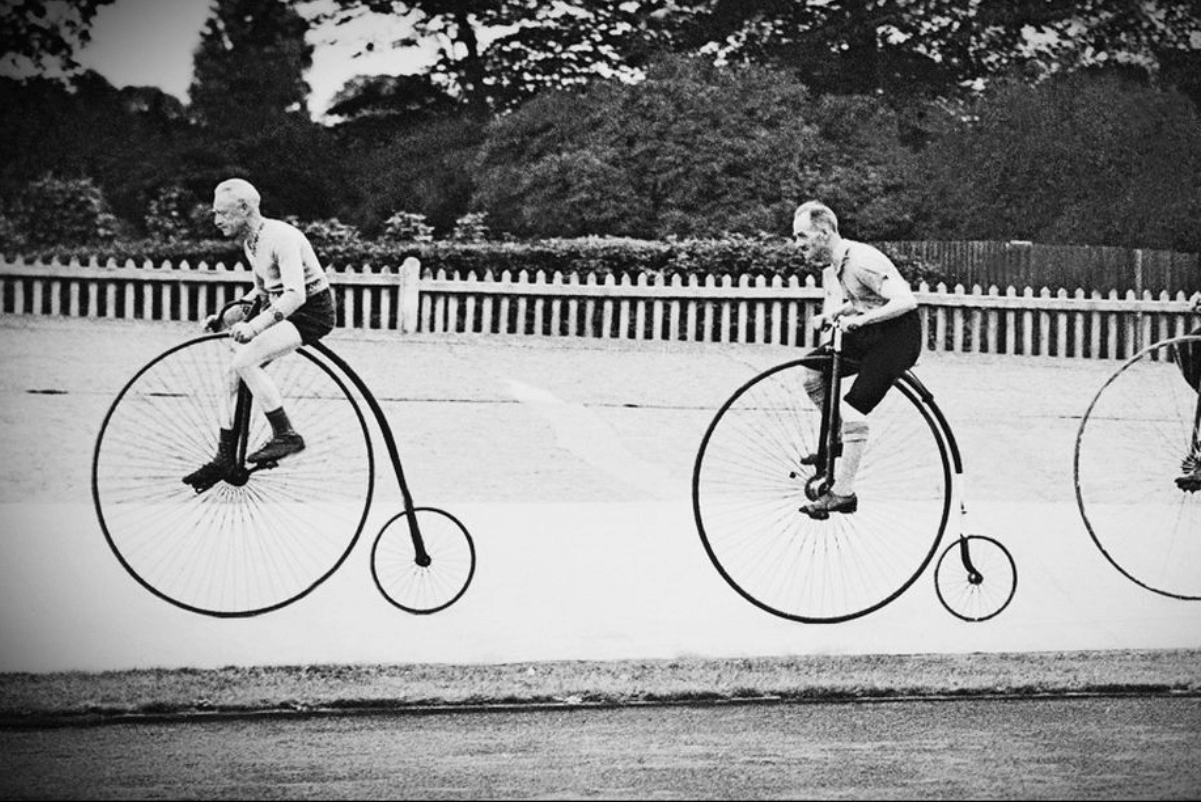
So with all of that in mind, I set my players off into a contemporary setting with the pretext that they were private investigators hired by the city to assist in finding a missing child.  One of our characters was a spell-slinging wizard, while the other was a man who had to quell the dark monster inside him by eating everything he could all the time.  They also decided they wanted to parade around town via unicycle and penny-farthing bicycle which was a nice touch.

What I really liked about Monster of the Week is how it’s a more role-playing focused game as opposed to a combat focused one.  It encourages players to talk to NPCs and garner good relationships with them instead of trying to intimidate and fight their way through every situation because everyone is pretty squishy.  And due to said squishy-ness along with the fact that this story took place in a modern town with laws and law enforcement, it made the players feel more grounded in the world and raised the stakes a little bit.

What I think my players enjoyed the most however, was the fact that everything is out in the open and easy to understand.  They know that when they roll a 6 or below, that’s a failure, but they get an experience point.  They know what questions they can ask me as the GM when they roll to investigate a mystery because they have a list to choose from.  None of the mechanics are obscured from the players, they know the moves they can make and the consequences of each of them.

All things considered, I really enjoyed playing Monster of the Week and it was well received by everyone involved.  I think we’re all looking forward to returning to it as soon as possible, or at least I know that I am.

The Master of Disaster: Finding the Balance – 05

Since the inception of this feature, I’ve mainly used it as an outlet to talk about the various mishaps and shenanigans that cropped up during my role-playing adventures.  This time however, I’d like to talk about my struggles in finding a way to balance a good game, with an engaging story.

Admittedly, I don’t have the broadest scope of experience running campaigns or writing stories in general, but I feel I can speak to it a bit.  In fact, if it wasn’t for playing Dungeons & Dragons, I probably wouldn’t do much creative writing at all.  I was inspired to give it a go from listening to shows like The Adventure Zone and Friends at the Table in terms of how the pace of my games should go.

The problem is that the people on those shows all know that while they’re playing for fun, there’s also a broader entertainment implication that’s tied to what they’re doing.  They know that they’re performing not just for each other, but for thousands of listeners and viewers.  That isn’t to imply that they’re adjusting their play to make the show progress, but the thought of an audience involved must have an effect on some of the moment to moment decision making.

That coupled with the ability to edit down long stretches of conversations about mechanics, rules and ability descriptions, makes the final consumable product seem like a faster flowing game in general. When in all actuality, I’m probably just not hearing those parts.

It was all of this that led to me mismanaging a lot of the early sessions in our campaign.  I was trying to run a game as efficiently as what I would hear in an edited episode of a podcast and that just wasn’t feasible.  We all were new to playing Dungeons & Dragons and we had to Google a lot of mechanics mid-game for clarity.  They usually cut that part out of the podcasts.

What I loved about shows like The Adventure Zone and Friends at the Table was how gripping the story managed to be.  The excellent craftsmanship of the story, the detailed and evocative descriptions, and the general understanding of the rules all made me feel like I was letting my players down constantly in comparison.  It caused me a ton of anxiety every week while I did my preparations, even though I knew I was setting an impossible standard for myself as a first timer.

I was writing dozens upon dozens of pages of dialogue, lore, descriptions and quests to throw at my players, all of which were designed to illicit some sort of weighty impact, deliver on a joke, or inspire the players to act.  Sometimes it worked and sometimes it didn’t.  But most of it felt rigid and rarely felt like it came up naturally.

After pages of stories and quests would go unused by my players, I initially felt a tinge of disappointment, often wondering what I did or didn’t do correctly to get them on the right track.  Hours of my work were getting ignored and overlooked because I had a very particular on-ramp and set of circumstances that led up to them.  I wasn’t angry, but I was getting frustrated.  I was essentially building quest hooks into the way I assumed my party would do things.  Steps 1 – 50 were ready, but I never thought about what if they never took that first step at all.  I had to change things up.

So I did some research and consulted dozens of YouTube videos for some guidance.  It became clear to me that I was over preparing to enormous degree, and it was leading to me railroading my players occasionally as well as get frustrated when things didn’t go as planned.  I was trying to tell a story in D&D instead of letting my players tell theirs.  So I decided to revamp everything.

I more or less threw out dozens of pages of story in an effort to craft something new and versatile.  I stopped writing out individual lines of dialogue and quest progressions and stopped treating conversation as if my players were picking dialogue options in a video game.  Instead of creating a perfect narrative, I built little pieces of lore that would tie together should the party pursue it.  There’s a “story” should they happen to stumble on it or feel lost, that I can point them toward, but I just stopped writing everything like I was writing a book.

It’s been kind of liberating to let the players dictate the story and lead the charge, which arguably is how Dungeons & Dragons is supposed to be played.  I’m not amazing at running games and I’ve made my fair share of mistakes in the process, but I’m having a lot more fun and experiencing a lot less stress because of my change in prep style.  It’s also a lot of fun to not know what’s coming next.

I guess what I’m ultimately saying is that I learned how to not be as precious about everything I’ve made.  If my players are reading this, relax, there’s still plenty of tailored content in there for you.  But I’ve basically taken the coloring book approach, where I have the outline, but they’ll be the ones coloring it in.


The Master Of Disaster: Illiterate & Rich – 04

I don’t have a great deal of experience with Dungeons & Dragons outside of playing a few one-shots, playing in a short campaign in The Lost Mine of Phandelver, and of course DM-ing the campaign my friends and I are currently going through.  But I’d like to focus in on that short campaign in The Lost Mine of Phandelver, and talk about the time one of our players decided to take up the mantle of expert accountant at the cost of his literacy.

We had a particularly greedy dwarf barbarian in our party who was always quick to gather as much loot as he could possibly carry on his mostly naked body.  It was a funny bit that worked well with the rest of us because our goals were a bit more altruistic and personal in nature.  But not for our enterprising dwarf.  No, he was motivated purely by shiny things.

I imagine this is what our dwarf looked like

It’s when we came across a chest of gold pieces that Gravy-Train (his name was a play on the Pokemon, Graveler, but I refused to call him that) found and decided that here in this enemy infested cave was the best place to count it all.  Worried that we would all be caught off guard while Gravy was counting his pennies, he flippantly posited that his character was a money-whiz, and could count a vast amount of coins in mere seconds.  I think our DM was willing to concede that point, but Gravy followed it up by saying that he didn’t know how to read, but could count really well.

Me being the scamp I was demanded that this was canon and he had to commit to it.  I experienced no push back from anyone, and from there on, Gravy was illiterate but could count really well.

We ended up in a library packed with books that our now illiterate dwarf could not read.  While I had hoped for some sort of Twilight Zone styled Sisyphean curse where he’d lament at the vast amounts of knowledge he could no longer consume, but Gravy-Train was unphased and went ahead and told us how many books were on the shelves as if that was some great piece of intelligence he had just dumped on us.

That run down mound of garbage on the far right?  That’s Gravy-Train’s Bar

Later in the campaign, Gravy-Train began to split from the party in an effort to make some deals with the town banker or something.  He wanted to buy the entirety of the town if memory serves, and started by buying out the old and run down tavern on the hill.  The guy couldn’t read, but had already set his plan of owning an entire city into motion.  It was an amazing moment when he finally revealed that to us.

It’s the little bits of character building that I’ve come to appreciate in my time with D&D.  This story may seem fairly benign in the grand scheme of things, but it made his character more tangible and real, despite being hilarious.  It’s because of this that I think I’ve been so taken with D&D.  I want to have more of those moments in the game, both the funny and serious alike.  After destroying their world, I was presented with the unique opportunity of putting my players into a setting where they can re-contextualize everything about themselves, and maybe put them in more situations that can bring out these character moments.  That’s my hope at least.

But I do wonder if we would’ve ever taught him to read again though.  I’m guessing we wouldn’t.  It’s funnier if he never could read again.

The Master of Disaster: Burn it Down – 03

Every month I step in here to tell you a little anecdote about my D&D adventures and the various mishaps that inevitably took place.  Last time I told you all about a fairly simple puzzle the absolutely flummoxed my players.  This time I’d like to tell you about when I destroyed the world.  But before I can tell you that, I need to tell you about the circumstances that led up to the eventual destruction of everything they came to know and love.

I’ve been running a campaign for a few months now with my players, and since I embarked on this journey, I’ve kind of found a groove in how I like to run a game.  I’m very fast and loose with the rules, I actively try to encourage my players to think outside the box, and above all, I want them to feel like they have full agency over the world they’re in.  Simple enough, right?

xqiib8allc

When I started, I bought a module through Roll20, the app in which we use to play our wonderful fantasy adventure.  I purchased, Waterdeep: The Dragon Heist, a module which looks like it could be a lot of fun in the hands of an experienced DM who has an understanding about the lore of the world.  I am not that person.  So when this module didn’t have answers to the questions my players were asking that were lore based, I decided instead of do research, I’d just write my own campaign.

What followed was a continued effort to carve out my own narrative and characters in the map of Waterdeep that was included with my purchase.  This map ultimately came to represent the thing keeping my players from feeling agency.  Most of my players never felt any attachment to the city itself, because there really weren’t many opportunities to explore it or uncover cool stuff in it.  This undoubtedly falls on my shoulders for not properly getting them hooked on the city, but I had already mentally moved past Waterdeep, leading all of us to treat the map more like a screensaver until I moved them somewhere actually interesting.Felicity Wilds Overworld.jpg

So after months of planning and writing, I pulled the trigger.  They were sucked through a portal and transported to a land of my own creation.  A place that they thought was just a pocket dimension, but turned out to be their first stop on the upcoming grand journey they’d have.

I built the simple island with three goals in mind.  First, I wanted them to be in an unfamiliar place, with its own lore and history.  Second, I wanted to craft a place with its own politics, factions and problems.  And lastly, I wanted them to feel invested in this world and approach it as an opportunity for a fresh start.  The first two I think I managed pretty well.  That third one though, didn’t play out how I had hoped.

See, the entire time they were there, I was juggling two story lines I wanted to pursue.  Either this would be a pocket dimension they’d return from, or they were trapped here.  I played coy and didn’t give them much insight into what the truth was, but since they were convinced this was just a vacation till they eventually returned home, they weren’t as invested as I would’ve liked.

Finally I made a decision on their fate after receiving a few compliments along with grievances from a few of my players.  They liked the concept of this new world, but felt that there was nothing to do in it aside from leave.  A fair point, I did kind of only write this section as a single path with three branching paths that eventually led to the same place.  But it was one particular comment that pushed me over the edge.  I was told that Waterdeep, the actual map of it, was imposing and kept them at a distance.  They never felt compelled to pursue their own character motivated quests because they had no idea where to start.

That’s when I decided.  Fuck Waterdeep, you’re done.  I tantalized them with an orb that would surely bring them home, only for it to be just a crystal ball that shows you stuff.  Guess what I showed them?  I blew up that map in front of them, killed off every person they knew, and hurdled them 1000 years into the future.  I basically wrote a short story that equates to, “And everything exploded.”

The reaction I got was kind of… not what I expected.  In game, nobody said anything.  It was just silence.  After sitting there for what was the longest minute ever, I just kind of pressed forward with the session, not giving them much time to comprehend what just happened.  That was my bad.

Sea of the Dead

I gave them a boat, and sent them to the northeast to this massive new world I made for them.  I’d put that picture in here, but as I’m writing this, I don’t know if we’ve made it there yet.

Which leads me to where we stand now.  What awaits my players is a massive open world that has several settlements of varying sizes, with creature politics and behaviors that differ from what D&D lore might normally decree.  These places have their individual quests ranging in severity and importance.  Quests will take them from city to city.  They’ll have tough choices to make, and they’ll have city faction reputations to deal with.  They have bespoke story lines and quests I’ve generated for their specific characters, along with a main quest that might shed some light on why Waterdeep went kaput (aside from what I’ve just told you), and what happens now.

Outside of all of this, what I’ve actually done is give myself a massive amount of anxiety and intense deadlines to write quests that have longevity and are interesting along with make maps.  Also I run this website, work, and have other hobbies.  So what I’m saying is, don’t do what I’ve done and make your first time being a DM something worthy of an intervention.

The Master of Disaster: Puzzle Masters – 02

Puzzles are hard.  Or at least they can be.  This is story of one particular puzzle that I made for my players that absolutely flummoxed them for way longer than it should have.  It’s this experience that has led me to make sure that my puzzles going forward, are no harder than those children’s toys where you put the right shape in the right hole.

The party was on the trail of a werewolf that had been terrorizing the outskirts of the city, wreaking havoc on local farms as well as businesses in the city by destroying their shipments.

The party had some leads which led them to a local police force that was able to give them some information on a mostly uncharted area of the wilderness.  With this information, the party headed to a clearing that led to the entrance of a collapsed mine.  Above the mine was a large flat piece of land that they surmised might have an entrance to the cave below.

This is where things got tricky.  See, there was a small cottage up there, something they were very hesitant to investigate.  Inside of the cottage were a few things.  In front of them was a series of 5 large levers jutting out from the wall, all in the bottom position.  There was also, and I quote “a tall dresser, a bed, a coat rack, and a long coffee table in the room, but no sign of any life.”  The “puzzle” as it were, was that from left to right, the position of the levers corresponded to the height of items in the room.

It took these fools 30 minutes to figure this out.  One of my players basically checked out during it, admitting defeat to my very complex word games.  It was astounding to me.  Once they figured it out, the door locked and the floor opened up.  They were now in the mine and ready to continue their pursuit of the werewolf.

What I came away with, is that even the simplest puzzle, can flabbergast anyone.  So much for my next brilliant puzzle idea where one person tells the truth and the other always lies.