Category Archives: Archive

Blog: Look at This Stupid Thing – 05/13/20

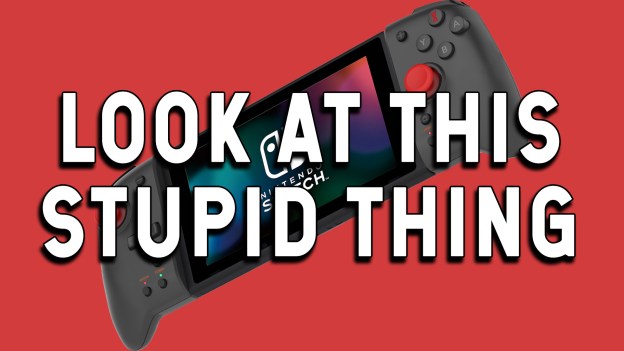
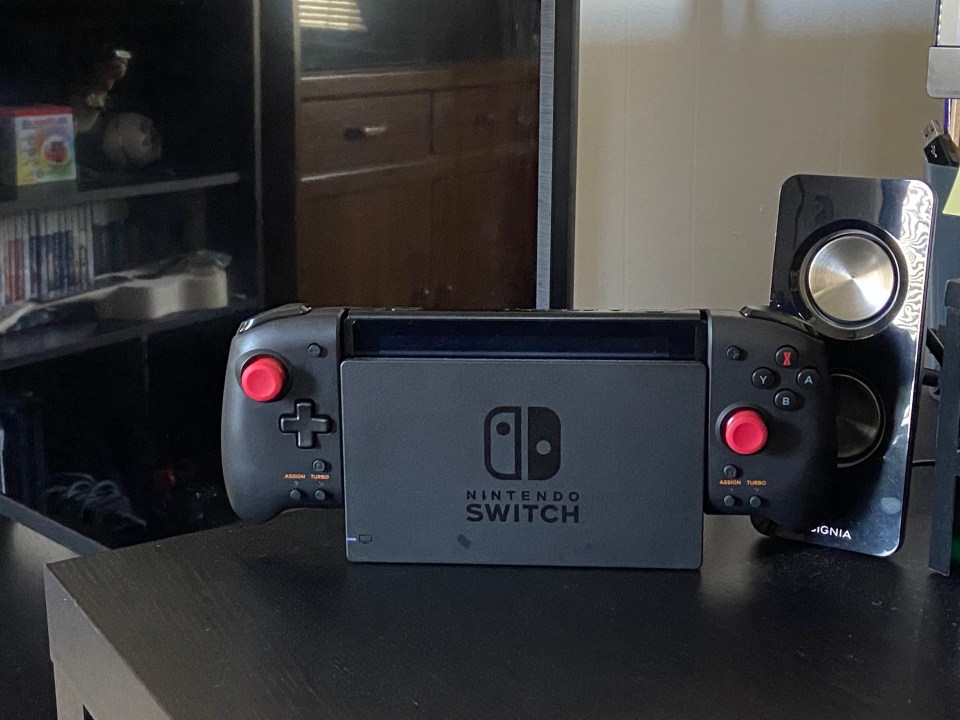
We’ve entered the part of quarantine where the packages I ordered at the beginning of April are finally showing up, and it’s been a really fun experience honestly.  A few days back I finally got my Hori Split Pad Pro in the mail, and while I think it’s perfectly fine and functional, golly does it look stupid as hell.

Back in April, my Nintendo Switch Joy-Con controllers started to fall victim to the infamous “drift” problem, specifically on the left stick.  Maybe it was happening earlier than that, but I hadn’t really been playing much of my Switch before Animal Crossing: New Horizons released.

IMG_3501.jpg

At first I’d notice my little villager would start taking very slow walks towards the bottom of the screen, something that was annoying but not game breaking.  Then I found myself running from a tarantula, when my villager decided to stop running and just stand still and accept his fate.

This was unacceptable.

So I ordered the Hori Split Pad Pro because it was on sale, and I finally got it.  It’s doing the trick despite missing features like HD Rumble and the ability to work wirelessly, but it’s infinitely better than the budget “pro” controller I bought off Amazon months ago.  The face buttons feel good, while the analog sticks have a weirdly grainy texture to them which is strange.  Other than that, it’s got back paddles that I’ll never use, but I’m satisfied with my purchase overall.

It’s going to be a while before I can actually pick up real, official Nintendo Joy-Con remotes, but I’m okay with waiting because I’m not playing anything that requires the Joy-Con specific functionalities.  And while I appreciate the size of the Hori Split Pad Pro and how it feels better in my bearlike paws, it just looks so fucking stupid on the Switch.

Skatebored

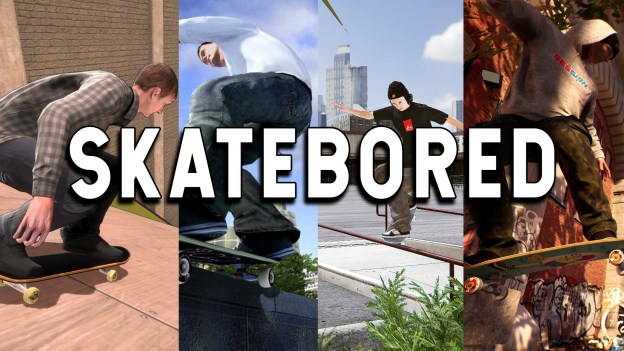
Maybe it’s just me, but I feel like it’s been way too long since we’ve have a good skateboarding game, with 2010’s Skate 3 being the last game worth playing.  Since then, there’s only been one notable release in the form of Tony Hawk’s Pro Skater 5, a game that even if it wasn’t absolutely dreadful, was no longer the kind of skateboarding game I’m looking for.

When the Tony Hawk series of games was good, those games were all about racking up points, completing absurd objectives, and defying the laws of physics every time you ramped off of anything.  No one really managed to be a real competitor until 2007, when the first Skate game was released.  As the Skate series gained more traction with it’s more realistic gameplay, the Tony Hawk series started to decline both in popularity and quality.

Session.

But it wasn’t until very recently, when two early access skateboarding games hit the market, positioned to be the next big thing in the apparently defunct skateboarding genre.  These games are Session and Skater XL, two games that are striving to take the elements people loved about the Skate series, and build upon it.  The problem is, I’m finding that both of these options are way more than I was looking for from a skateboarding game.

Both Session and Skater XL unquestionably are striving to give players more control over their actions in an attempt to provide the most realistic skateboarding games ever.  That’s definitely a good strategy, considering over the past 20 years or so, we’ve seen that change happen, so this just seems like the logical next step.  Plenty of people are looking for this level of realism and simulation, but I find it’s just too much to deal with.

Skater XL

The simplicity of Skate was brilliant.  With your right analog stick you did everything from ollies, to flip tricks, manuals and grinds, while your left stick was general navigation.  There were other modifiers as well to allow for other tricks and abilities, but the core conceit was that with your two analog sticks, you could basically do everything.  It wasn’t too simple, but wasn’t too complex.  To me, it was the perfect balance I was looking for in a skateboarding game.

Session and Skater XL however, take things way too far for my simple mind.  Each analog stick controls a foot, your triggers are how you lean while skating, and perform reverts and spins.  It doesn’t sound like too much on paper, but in practice I find myself trying to turn and instead popping up into the air like an idiot.  Turning with the triggers doesn’t ever feel good, and the simple act of performing an ollie never felt natural, instead feeling more like dumb luck that I was able to do it on command.  The idea that you pull one stick down and push the other up to mimic the actual motion of the feet sounds good, but I’ve never found it more than cumbersome.

Skate 3

To me, the Skate series nailed the balance between an arcade skateboarding game, and a simulation of the sport itself.  It’s also why I’m incapable of mustering up any excitement for either Session or Skater XL, because I know I’ll end up getting frustrated while playing it.

Clearly this is just me complaining though, because both Session and Skater XL are currently rated “Very Positive” on Steam, with people mostly complaining about bugs on their respective forums.  This kind of intense simulation is clearly what people were looking for out of a new skateboarding game, but I can’t seem to get onboard with them… pun intended.


Gut Check: Streets of Rage 4

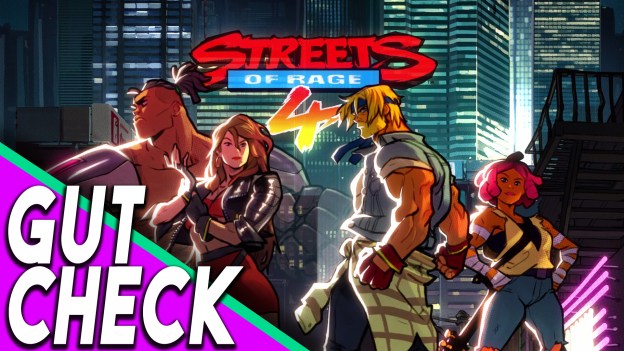
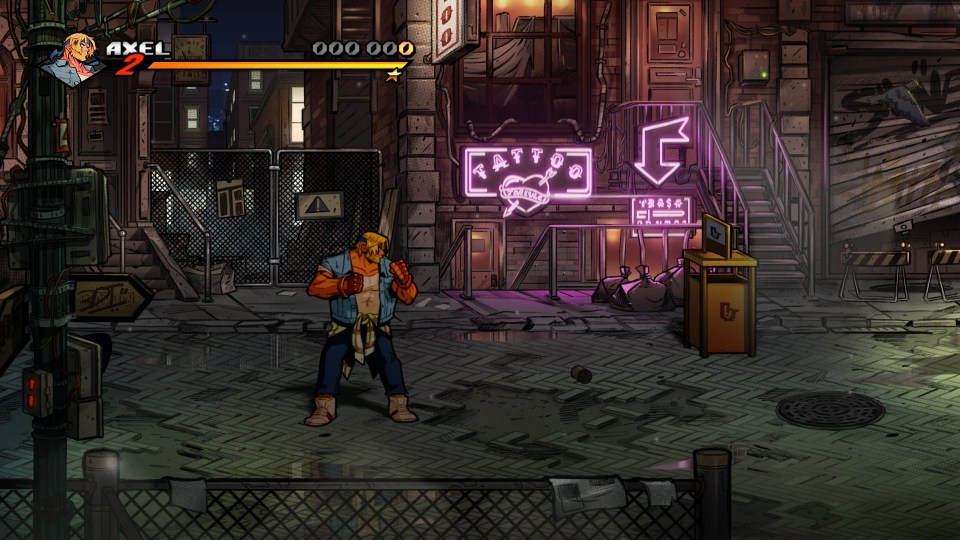
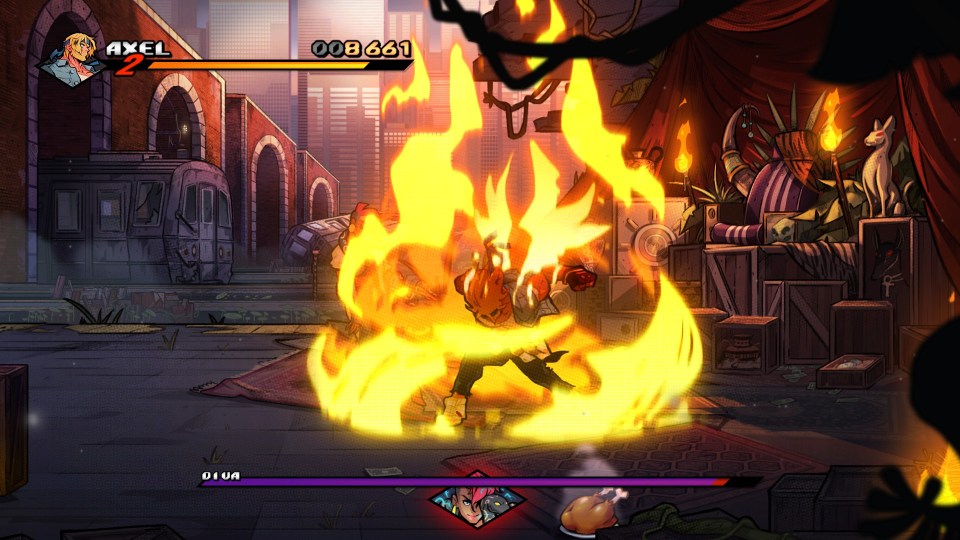
Streets of Rage 4 nails everything you would hope for out of a sequel to one of the greatest brawler franchises in history.  It retains all of the chaotic action of it’s predecessors, while paying tribute and modernizing the unique aesthetics the series was known for.  That dedication to honoring the roots of the franchise is a double-edged sword however, highlighting both the good and bad the genre has to offer.

It’s been 26 years since the last release in the Streets of Rage series, which is long enough that it would’ve been a fair assumption to assume the series dead.  Yet here we are in 2020, face to face with a sequel that was met with heavy skepticism when it was revealed.  Despite all of the side-eyeing and cynicism that I did when I heard about Streets of Rage 4, I’m very happy to report I was wrong.

20200430132725_1.jpg

Streets of Rage 4 follows the grand tradition of “light touch” storytelling, by dropping you into a crime ridden city, with only seconds worth of story to propel you forward.  But if you’re coming to Streets of Rage 4 for the rich lore, maybe it’s time to refocus your efforts on something else.

The first thing that jumps out to you is how wonderfully crafted Streets of Rage 4 is.  As you might expect for a series that lived on the Sega Genesis, the original series boasted beautiful pixel art that stood out among it’s competition.  Streets of Rage 4 retains the visual chops the series was known for, by modernizing it in a pseudo-comic book style that really works.  Characters all have thick outlines surrounding them, while the backgrounds are meticulously rendered to give you a sense of place in the world.  What I’m trying to say is that the art is really good.

20200430133553_2.jpg

The other half of that presentation that I really enjoy is the new soundtrack.  By taking old tracks and remixing them, along with creating new music from scratch, Streets of Rage 4 boasts a synth-heavy, aggressive and driving score that keeps the intensity up in the most face-punchingly conducive way possible.

But while aesthetics are an important aspect of any game, the real question has to be about the gameplay itself.  It’s here that I’ve got great news for the people who love brawlers, and less good news for those of you who maybe weren’t wild about their brutal difficulty spikes.  Streets of Rage 4 is a game that were it made in the 90’s, would fit in just fine.

20200430134418_1.jpg

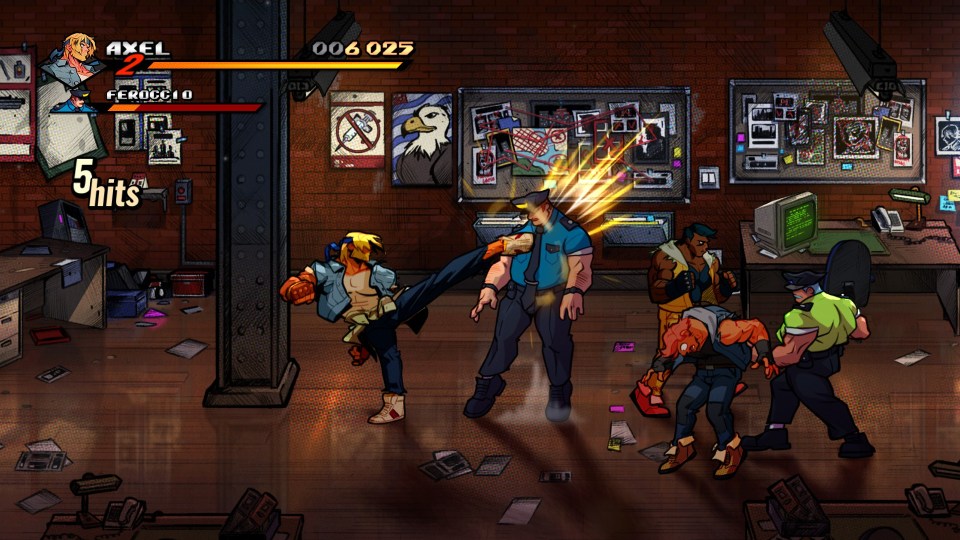
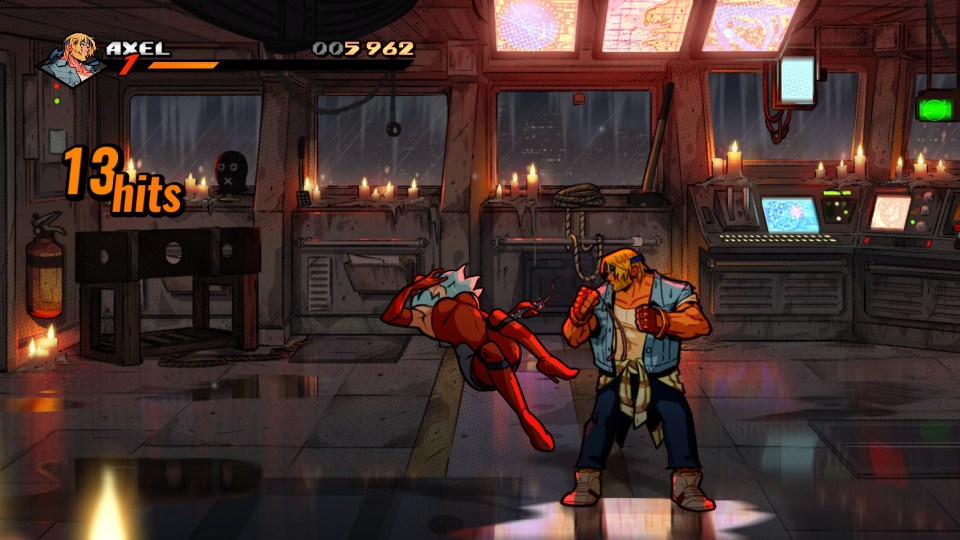
In Streets of Rage 4 you’ve got a standard attack that strings into a combo, you’ve got the ability to grab enemies if you walk into them, and you’ve got your bevy of weapons that you can pick up and use before they break.  There’s also the inclusion of special moves that are fairly rare to come by in any given level, but when used, can release something of a super move that behaves differently based on what character you are.  There is more in terms of combat as well, like back attacks, health draining attacks, and more that you can weave into your arsenal.

The thing that frustrated me when I was a kid and still frustrates me to this day is still present in Streets of Rage 4, and that’s any sort of defensive option.  It’s frustrating to me to have to lumber out of the way on the z-axis to dodge certain attacks when some sort of block, dodge or parry would be so much more satisfying.  I know that this is inherently counter to the DNA of the series, but every time I get hit by an attack I try to maneuver out of the way of, I’m reminded how nice a defensive option would be.

20200430135921_1.jpg

While I truly believe Streets of Rage 4 would have been better for including some sort of defense, my other criticism is a little flimsier in nature.  I think it would’ve been nice if there was some sort of progression or lite RPG mechanics sprinkled over the game.  It isn’t a deal breaker by any stretch, but I wouldn’t have minded being able to learn new moves or upgrade some stats.  Like I said, I can live without this stuff, but I think it could have been a neat inclusion.

Streets of Rage 4 boasts a few other modes and gameplay options like level modifiers that make your experience a little easier if you need it, online cooperative play, and a few others that I’ve yet to dig into.  There’s also a gallery of Streets of Rage art and other extras you can unlock, such as the ability to take the pixelated versions of characters from previous entries, and play as them.

The brawler genre itself may have faded from the forefront of gaming, but Streets of Rage 4 is a fantastic return to form.  While some of the rougher edges of the genre have been sanded down and smoothed out, the core of these games is retained and ever present.  If the brawler genre is something you love, Streets of Rage 4 is the game for you.  If the genre wasn’t your cup of tea, Streets of Rage 4 is a really good game that probably won’t change how you feel about brawlers.


Blog: Pump Up the Jams – 05/06/20

With all the free time I’ve had lately, I found myself listening to more and more music.  Whether it’s just leaving Spotify open while I work, or purposefully seeking out some tunes, it’s been more present in my life lately than it has in years.  With that said, I’d like to share a little bit of what I’ve been listening to recently.


SIMMER – HAYLEY WILLIAMS

You might already know who Hayley Williams is from her time being the lead singer of the Paramore, a band that Wikipedia surprisingly lists as still active.  Now, I was never a big Paramore fan, but I have to hand it to Williams for making such a good song.  Aside from some weird lyrics sprinkled throughout, I have nothing but positive things to say about Simmer.


YANKEE AND THE BRAVE – RUN THE JEWELS

If you haven’t heard of Run The Jewels (RTJ) before, I encourage you to check out some of their back catalog because it does a great job of expressing just how consistently good this duo is at making great songs.  Yankee and the Brave was the first single to be revealed to the public from their upcoming fourth album.  It’s a phenomenal tease for what’s to come and I can’t stop listening to it.


JUST DROPPED IN – KENNY ROGERS

So this isn’t a new song by any measure, nor is it the first time I’ve heard it.  But with Kenny Rogers tragically passing away earlier this year, I found myself returning to what arguably is my favorite of his songs.  It’s a really strange sound that somehow feels like some mixture of psychedelic rock and country that just hits me hard.  Rest in peace Mr. Rogers, and thanks for the good jams.


SEQUESTERED IN MEMPHIS – THE HOLD STEADY

If you were going to build a quarantine playlist, I’d argue that you should consider putting Sequestered in Memphis on it, because it’s a really fun song despite its subject matter.  The main hook of the song is what really grabbed me when I first heard it and if you’re anything like me, it might do the same for you.


I AM ELECTRIC – HEAVEN’S BASEMENT

Sometimes you’re in the mood for something a little heavier, a little angrier and faster.  Might I suggest I Am Electric, a song that’s excellent for practicing your punches and kicks to.  The song may have come out in 2013, but it recently found its way back onto my playlist due to it being just so powerful.


SAY SO – DOJA CAT

Like many of you, I had never heard of Doja Cat before, nor would I consider myself a fan of hers.  That being said however, I am a fan of this song and its funky, disco-like rhythms.  That’s really all I can say about why I enjoy this song, but here’s a bonus fact for you: Doja Cat released a song once called “Mooo!” which is perhaps one of the strangest, yet not unpleasant, songs I’ve ever heard.  It’s also perhaps the greatest music video I’ve ever seen.

Here it is!


RUNNING UP THAT HILL – PLACEBO

A lot of people have expressed to me mixed reactions about Placebo over the years which is understandable.  The main singer has one of those voices you’re either onboard with or not.  Luckily I am, which is why I can safely enjoy this cover of Kate Bush’s Running Up That Hill, which is also one of those rare occasions where I enjoy the cover more than the original.


I don’t really know the proper way to close out a post like this, so pardon the inevitable fumbling of this outro.  But that’s what I’ve been listening to lately.  What about you guys?  Got anything good for my ears?

Hoop Dreams

Like a good chair, video games can provide a sense of comfort and security despite their subject matter.  Maybe you play League of Legends every night, or World of Warcraft religiously, or something else entirely, but odds are that there’s a game you keep coming back to when there’s nothing else to play.  For me, I sink dozens and dozens of hours into the NBA 2K series of games because I’m a massive fan of the sport along with the games themselves.  That’s not a qualitative statement however, because I think there’s tons of room for improvement in the series, from bug fixes to features, and even new modes entirely.

Before I jump into what I’d like to see out of a new entry in the series, let’s talk about what’s in it already.  If you recall, last year there was a massive hubbub around the gross monetization practices around NBA 2K20, thanks to a trailer showcasing literal slot and Pachinko machines inside of a basketball game.  NBA 2K as a series has a long and gross history of shitty monetization in the form of a virtual currency called “VC,” which is literally short for virtual currency.  From upgrading stats, to unlocking apparel, moves, and basically everything else in the game, VC is integral to certain competitive modes in the series.

Despite wanting to engage with some of these modes, particularly the career mode which has you making a character and bringing them through their career as a player, the reliance on VC keeps me away.  Instead I focus on the franchise mode, where I can take control of any team or teams I want, and play through something like 80 seasons before it ends.  I’ve never made it to the end of the mode, so I genuinely don’t know what happens.

So with that context in mind, let’s talk about the future of the NBA 2K series.  As a child of the 80’s and primarily a fan of 90’s and early 2000’s basketball, I tend to gravitate towards that style of play in the game.  Focusing on traditional player roles that don’t really jive with the realities of today’s game.  Modern basketball has kind of made the traditional big men positions obsolete, opting for shorter, faster and more dynamic players who can space the floor better than their massive predecessors.  It’s not a bad thing, it’s just how the game is these days.  But when I craft my teams I usually end up filling the gaps on my roster with players that reflect an older style of basketball.  Since it’s a video game, it works out just fine for me, but it does feel like I’m playing wrong from time to time.

Let’s put aside workload, licensing issues, and literally every aspect of reality that would impede my pitch for a new mode in the NBA 2K series, and let’s just pretend it could happen.  I would like to be able to combine my love of the franchise mode, with the eras of basketball I remember.

I want the vintage teams, jerseys, and stadiums to reflect this era of basketball.  From different announcers, fans, and even retro styled graphics packages in the game, I want to relive this heyday of basketball in a video game, the way I dreamed of when I was kid.  As of right now, I can play with the 98′ Bulls if I wanted to, but it’s literally just taking that roster and putting them on a modern court.  That’s fine, I appreciate that functionality, but I want to relive vintage seasons and rewrite history.  I want play styles, game tempo and rule changes to be represented, and not just feel like a retro skin for a modern game.

It’s a lofty request that is far too specific for it to ever become a reality, especially when you consider what I’m asking for is to travel back in time with modern computers and design sensibilities, and make NBA 2K1996… or NBA 1K96?  I have no idea what it would be called, but you get the point.

Maybe I’m being overly nostalgic, maybe I have too much time to think about new modes for games and a need to write things for my gaming website, lest I go insane.  Or maybe I just watched the first few episodes of the excellent ESPN and Netflix documentary series, The Last Dance, that chronicles the final season Jordan played with the Bulls, and want to interact with it.  Who could say?

Gut Check: Cloudpunk

UPDATE: Since writing this, Cloudpunk has received several updates that address some of the dialogue issues that were present at launch.


Cloudpunk is a blend of two of my favorite elements in games:  Cyberpunk aesthetics and a mundane profession which in this case is being a delivery driver.  Sprinkle in an engaging yet slowly unfolding story with interesting and sometimes genuinely funny characters and you’ve got yourself the recipe for a game that is one-hundred percent up my alley.

In Cloudpunk, you play as a young woman who just moved to the big cyberpunk city and has taken up a job with the titular delivery company, Cloudpunk, as a courier.  The majority of the game seems to take place in your hover-car, driving around the neon soaked, voxelly city of Nivalis.

20200423195644_1.jpg

Piloting my floating jalopy was easy to do, and had a nice sense of weight to it that made banking around corners at high speeds not only very satisfying, but extremely dangerous as your momentum will have you drifting around the skies and probably into traffic.  The weird thing about driving the car is that you have no camera control whatsoever.  Instead, the right analog stick is used to dictate your height, a mechanic that the characters in the game felt the need to justify by explaining it within the first few minutes of playing.  Ultimately, money and fuel seem to be the primary plates you’ll be spinning in Cloudpunk, neither of which have been a real obstacle in the early goings of the game.

Once you get your package to the vague area it needs to go, you’ll have to find a parking spot for your hover-car, then hop out and finish the delivery on foot.  It seems pretty superfluous at first, offering little more than other angles to admire the artwork from, until you realize there are NPCs you can talk to and shops you can interact with.  It’s shallow at first, but within the first hour of playing it starts to become an integral part of the story.

20200423200430_1.jpg

Unsurprisingly, the things that really stuck out to me in Cloudpunk are its visual style, and synth-heavy soundtrack.  If you had told me that this was a licensed Blade Runner game, based solely on its presentation, I’d believe you.  The ambient light that pours over the rain-soaked streets of Nivalis, make the floating city feel appropriately grimy and futuristic.  Cloudpunk nails the cyberpunk aesthetic from lighting, to mechanics, to the soundtrack and even down to its characters.

Speaking of characters, there is one very special character in this game that needs special attention.  In Cloudpunk, the story is told to you through radio chatter from your bosses, customers and your ship’s AI.  The ship AI however, is the implanted consciousness of your character’s dog.  This dog, Camus, is a great inclusion not just because dogs are great, but because he is so innocent and pure that he acts as your moral compass when you have to make decisions in the game, questioning you when you make strange choices.

20200423203425_1.jpg

An early example of that is when Rania picks up an unmarked package under suspicious circumstances from her boss, that once inside of the car begins ticking.  Her boss tells her to keep quiet and get the job done providing no further explanation or context.  Camus will question this saying something to the effect of, “I don’t feel good about the situation.”  It was then I was presented with the choice of delivering the package, or throwing it in a dump somewhere.  I went ahead and delivered the package to another location, where Camus also raised further questions about my actions.  Up to and after what you might expect to happen with a ticking package happening, Camus gently reminded me that we didn’t do a good thing, which hurt me more than any human’s word could.

While I love Camus and his voice acting, the rest of the game fluctuates in that department.  Rania herself feels a little flat in places, never feeling overwhelmingly offensive or bad, but just a little bland.  That could be a symptom of the voice acting itself, or the actual writing in the game, which also feels unnatural in spots.  It’s never too jarring which is a relief because there’s a lot of it.

20200423201239_1.jpg

What is infuriating is how unskippable the dialogue can be in most scenarios.  This is a story-focused game and I understand that, but the decision to make me hover in the air in my car without a way point or objective for a minute or two so a conversation can wrap up, is infuriating.  I want to absorb the story and hear what the players are talking about, but could we do that on the way to my objective?  I can’t just drive around aimlessly while I’m waiting for a way point to pop because I’ve got fuel limitations.  It’s a weird decision that just leads to a lot of idling in a game with a pretty intriguing story.

The list of things I like about Cloudpunk so far easily outnumbers my issues with it, but I’m still really early into the game and anything could change.  There’s a bunch of mechanics that are largely unexplained thus far as well, like the fact that I have an inventory.  It makes me think there might be some sort of adventure game aspect that hasn’t been revealed just yet, but I’m excited to see it pan out.

20200423202248_1.jpg

I really like Cloudpunk and it’s brand of mixing the cyberpunk aesthetic, with the seemingly mundane job of being a courier.  It makes you feel appropriately small in this sprawling metropolis, before slowly uncovering the main character’s role and importance as you progress.  It’s got some rough edges for sure, but as an adventure game, it’s certainly scratching an itch.


Blog: Absolute Terror – 04/29/20

Being in the house as much as I’ve been lately has been rough enough as is, but a recent event reminded me of how fragile my situation really is.  These days I’m pretty much exclusively relying on my PC to do everything for me.  It’s my media center, my social platform, my gaming station and the place where I do my homework.  A few days ago the power went out for a moment and took my computer down with it, leading me to have a minor crisis that I eventually emerged from.

After the computer booted back up, I noticed that only one of my monitors was being utilized, and at a low resolution as well.  I immediately jumped to the worst case scenario of, “everything is gone, my GPU is fried, I’m going to fail my class…” and so on and so forth.  It was this moment of terror that reminded me just how dependent I am on my computer these days.

After re-seating the GPU, unplugging and plugging everything in, and doing a wee bit of cable management that I’m not proud of, my computer came to life.  The GPU was working again, and I was able to breathe a sigh of relief.  Except that one of my monitors was still not working, an issue that was soon to be revealed as, “you didn’t plug the HDMI cable in all the way” syndrome.

This may sound like a big fuss over what turned out to be nothing, but it was genuinely terrifying to be confronted with the reality that this one thing in my home is my only outlet.  Sure I have a phone, but it’s hardly the same experience and it’s incapable of doing certain things I need to do, like doing online assignments.

I guess it was just another reminder that if something goes bad in my home, I have no way of fixing that situation right now.  I would literally be stranded without anything to help me get through these miserable days.  It’s all small potatoes in comparison to what’s really going on in the world, but it’s the thing that’s enabling me to stay home and stay safe while the people who are actually holding the world together right now, can keep us afloat.

Gut Check: Good Job!

It’s been so long since I’ve had to be in my place of work that I’ve basically forgotten how working operates.  Luckily I’ve been playing the recently released Good Job! on the Nintendo Switch, and I’m slowly remembering what going to work was actually like.

2020041815345100-D696F166B39F21D053E294E03172915D.jpg

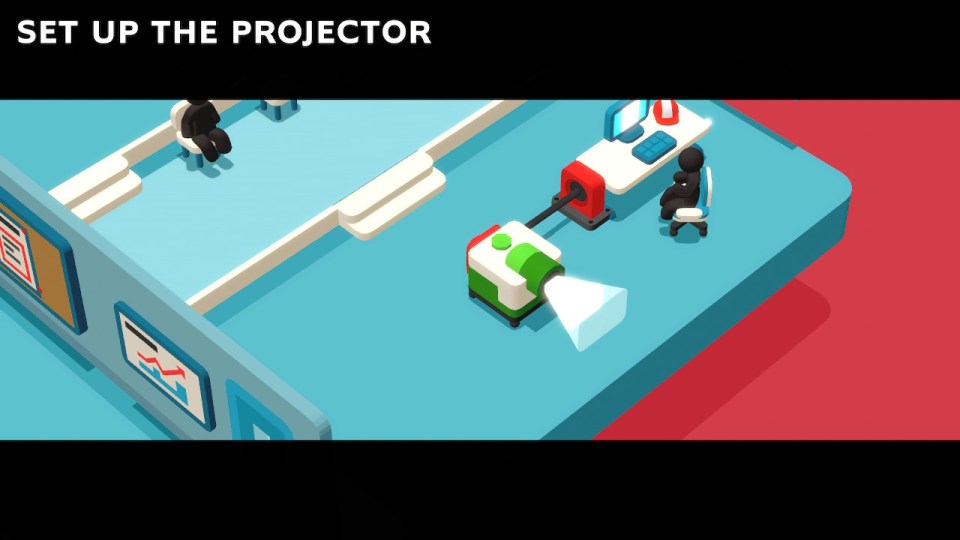
Good Job! is a fun little physics-based puzzler that has you trying to complete mundane tasks like setting up projectors, wrangling employees, and putting boxes on trucks for shipments, as efficiently as possible.  It takes these typically dull tasks and adds in a level of destruction and chaos that makes Good Job! as fun and engaging as it is.

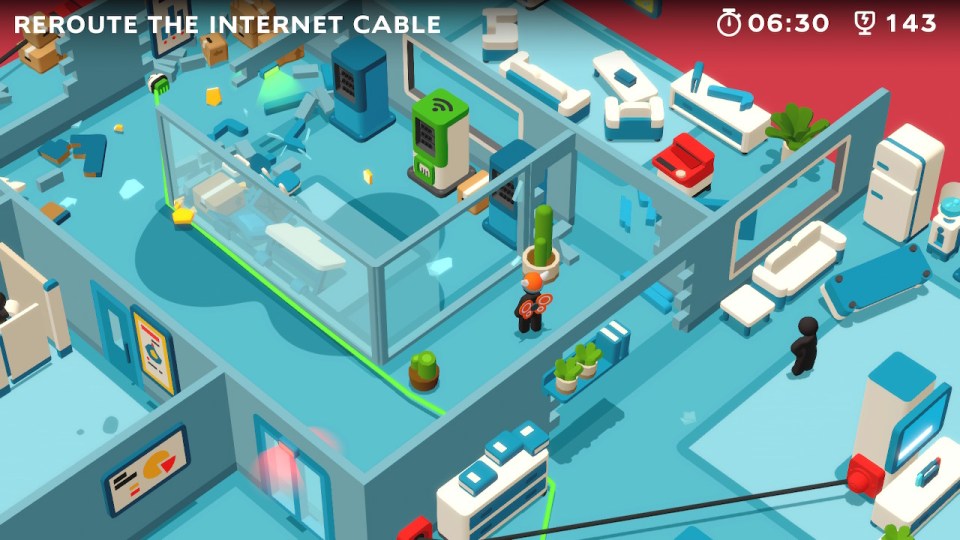
Through what can only be described as blatant nepotism, you somehow have a job at this company that your parent owns, despite you being a clumsy mess.  You’re kind of a jack of all trades, going from level to level, solving common office problems utilizing a mix of puzzle solving, and destruction.  For instance, one of the first levels tasks you with hooking up an Ethernet cable to a WiFi hot spot.  What the game expects you to do is to find a way to bring the wire from one end of the level to the other by getting through locked doors and moving loitering employees.  Based on your time and damage done, you’ll get a letter grade upon completing the level that you can go back and improve on should you desire.

2020041815360800-D696F166B39F21D053E294E03172915D.jpg

But Good Job! knows that efficiency is a metric that’s measured differently by different people.  For some, efficiency might mean causing the least amount of issues and doing the job to the best of your abilities without disrupting anyone in the office.  But then there’s the creative types like myself who know that the easiest and most efficient way to solve a puzzle is to break the puzzle, a tactic that Good Job! has planned for.

Instead of trying to work within the confines of the office, I usually opt for the “open office” concept which involves me pulling power cables real tight, and using that as a makeshift slingshot I can load with a printer to blast through all of the walls, doors, windows and other employees in my way.  It’s that kind of “outside the box” thinking that’s made me the perpetual employee of month.  Good Job! reminds me of how I approach most stealth games, where I’ll try my best to do things in the intended fashion, but embrace the chaos when shit inevitably hits the fan.

2020041815495000-D696F166B39F21D053E294E03172915D.jpg

Good Job! is a fantastically fun and lighthearted affair that’s easily become one of my favorite releases this year.  It has some minor control quirks that take some time to wrap your head around, and the frame rate can get a little chunky when debris is flying all over the place, but I still find myself coming back to it in spite of those minor drawbacks.  I’ve only played it single player, but it has couch co-op for those of you who can take advantage of it.  Despite going solo though, I haven’t felt like my experience has been lacking at all.  Just like its name implies, Good Job! does a very good job.

Gut Check: Foregone

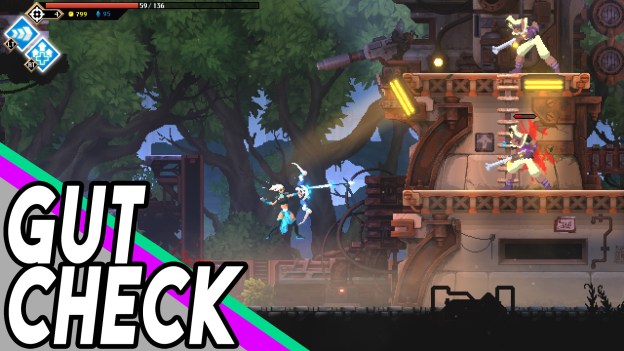
Stop me if you’ve heard this before, but Foregone is an early access, side-scrolling, pixelated action game, akin to something like a Metroid or Castlevainia.   In my short time playing it I can safely say that it never reaches the highs or lows of the genre, but just ends up feeling like yet another one of “those” kinds of games, that’s totally serviceable.

Foregone wastes no time before hurling you into the action, giving you mere sentences of story before letting you loose in the world.  The first thing that struck me was how good the game looks.  From character and world design, down to individual animations, Foregone is a good looking game.  It reminds me of Dead Cells a lot in its visual design, and might even look better in some spots in my opinion.
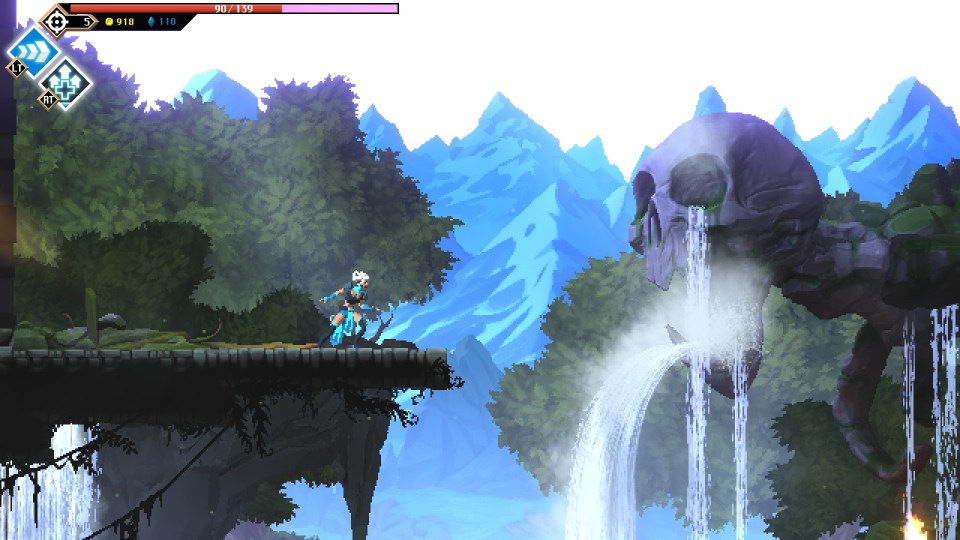
20200410154701_1.jpg

Not seconds after being impressed by its quick start and stunning visuals, I was confronted with what might be the biggest flaw that’s persistent throughout Foregone – playing it.  Foregone isn’t a bad game by any stretch, but everything feels mushier and less responsive than I’d like out of a game like this.  Everything in Foregone feels like it lacks any impact whatsoever.

Like I said, none of it feels outright bad, but the sheer act of attacking an enemy just feels hollow.  You can’t stagger enemies in the early stages, which leads to a lot of you just mashing the attack button until your enemy either dies or counterattacks you.  The core combat loop doesn’t just lack tactile feedback, but it’s kind of boring.  Every one on one encounter boils down to you just dodging behind an enemy that’s winding up an attack, and just mashing the attack button behind them until it’s over.
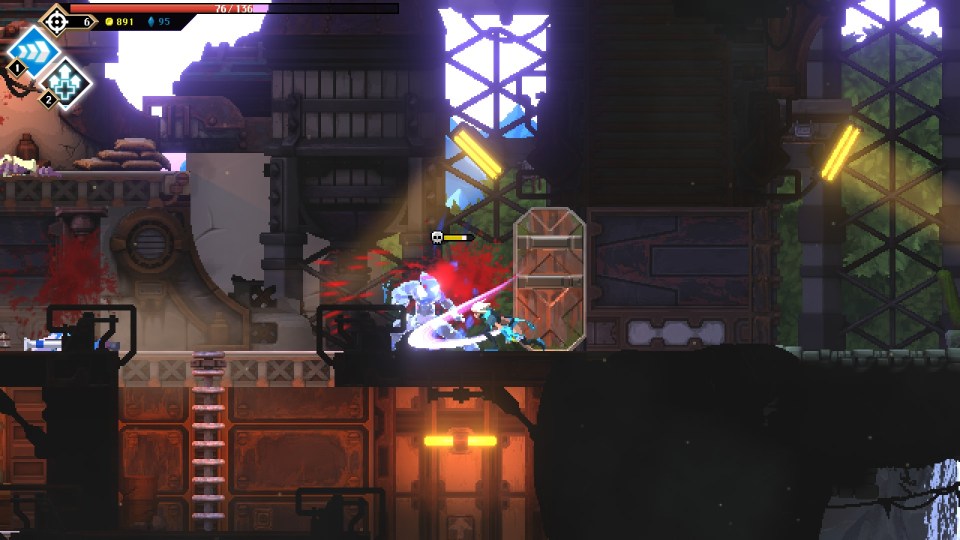
20200410154642_1.jpg

What does help break that monotony up though is your secondary attacks, constant weapon drops and special abilities.   Along with your basic melee attack, you have a ranged weapon that starts off as a pistol, but in my short time with Foregone I ended up with a bow, pistol, shotgun and assault rifle that I could choose from.  These all have ammo restrictions that are pretty interestingly implemented too.  Every melee hit you land, grants you one bullet for your ranged weapon that maxes out at whatever the weapon dictates as its max.  So I can bank 13 bullets and expend them all on one enemy, but that means I’ll have to get in close to get my ranged abilities recharged.  It’s a smart system that encourages diversifying your play style.

You also have some magic abilities that I assume get more wild as you play more of the game.  In the first few minutes, you get both a dash that hurts enemies, as well as a manual healing ability.  The dash seemed to recharge on its own, but I couldn’t tell if the healing one did as well or if they were tied to certain health pickups.  Either way, I failed a lot before implementing these moves into my repertoire.
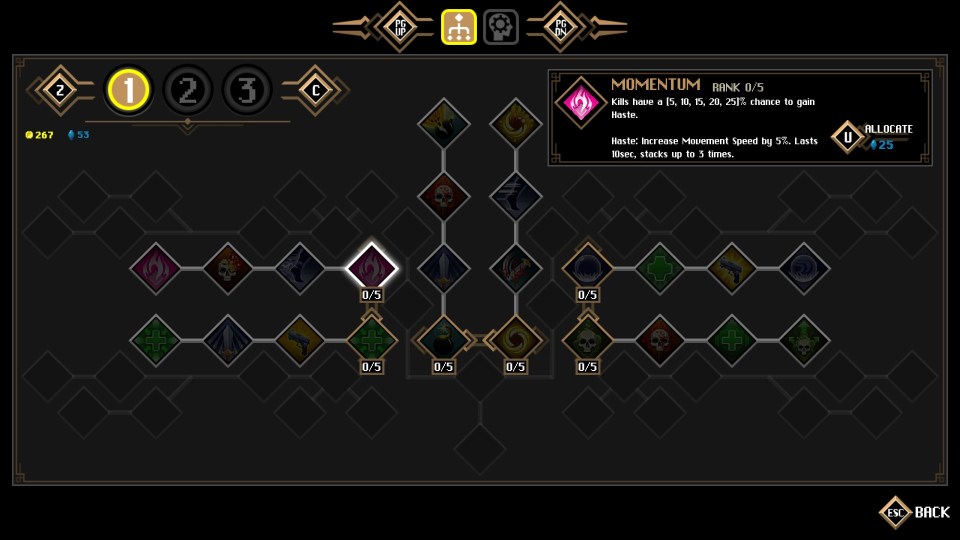
20200410153414_1.jpg

What was also a pleasant surprise was the amount of loot drops I got within my first hour of play.  I got to snag a variety of melee weapons from daggers, claymores and shortswords, to various sets of armor, trinkets and the ranged weapons I mentioned earlier.  It allowed me to find a play style that suited me best, as early as possible in the game.

But all of these bits of praise don’t cover up the sudden difficulty spikes, lack of checkpoints, mushy controls and my biggest gripe with Foregone, the lack of feedback.  Now, when I say feedback, I don’t mean that I want the game to let me know how I’m doing or make me do a bunch of tutorials.  What I actually mean is that in Foregone, it’s incredibly easy to die to some bullshit.

20200410154509_1.jpg

There are certain ranged enemies who utilize their own guns, who under normal circumstances can be dodged fairly easily.  The problem is when you come across an enemy with a minigun or some sort of turret.  They can hit you multiple times very quickly, draining your health in an instant.  In other games you would be very aware of these events, but in Foregone, there are very little indicators that you’re being peppered to death by some off screen enemy until the screen goes red and it’s too late.  In addition to that, there aren’t any invincibility frames that you might get in other games, so each bullet is hitting you and giving you no opportunity to escape.

And that’s kind of the underlying theme of Foregone.  You will die to things you can’t even see sometimes, and your only path of recourse is to trial and error your way through levels, memorizing enemy placements.  A lot of people might find this loop rewarding in other games like Dark Souls, but at least in that series the combat feels good and responsive.

20200410160412_1.jpg

Take note of the enemy with a minigun, hidden behind a wall, actively killing me.

Most of my complaints with Foregone comes down to mechanical and control issues that could be ironed out over the course of early access.  But it’s still lacking some basic functions like being able to do an upward slash to attack enemies on the ceiling, or downward attacks for those below you.  Combat doesn’t feel great as is, and on top of that, your moves are limited.

There’s a lot to like about Foregone, but there’s a ton of room for improvement too.  I like that it’s a visually striking game that doesn’t waste your time, and is constantly feeding you new items and abilities.  I just think it’s mechanically flawed, making it pretty laborious to play, especially when there are so many other games that are doing what Foregone does, but better.  Hopefully these issues are ironed out before Foregone makes it’s full release in the future.

Blog: Late Celebration – 04/22/20

Has it really been two years since I launched the blog on this website?  No, it hasn’t been actually.  We reached that milestone over a month ago, specifically on March 13th, but only really remembered it just now thanks to the whirlwind nightmare that’s been 2020 thus far.  But let’s not dwell on that for a moment, because I want to thank you all for sticking with me for this long.

Sure this is only the anniversary of a particular feature on this website, but the blog is actually wildly important to The Bonus World, because it was the first reoccurring feature I launched on the site.  It made me write a few paragraphs a week which was monumentally impactful on where I’d end up going with my writing.

Because of the blog, my love and passion for writing was reignited and it paved the way for every other written feature you see on the site.  I’m extraordinarily proud of the blog as well as The Bonus World as a whole, and it’s largely because of how well it’s all been received by you guys.  So thank you.

I don’t know what’s next for the blog itself, let alone the entire site, but I know that I’m having a fantastic time writing these features and articles for you all to enjoy.  I also believe it’s been the one year or so anniversary of me saying that video content is in the works?  Yeah… coming up with video ideas worth executing on has been challenging to say the least.  So maybe don’t hold your breath on that stuff just yet.

Regardless, thank you for reading the blog along with everything else on the site.  Your support means more to me than you could ever know.  I know things suck right now and we’re all looking for an outlet from the nightmare that is our everyday lives, and I’m happy that I can help distract you all, at least momentarily.  Thank you again.

– Ari