Monthly Archives: January 2020

Gut Check – Super Crush KO

Super Crush KO is the kind of game that’s best played on the couch while something else is playing on the television.  It’s not a bad game by any stretch, but it is a pretty mindless and repetitive one to be sure.  But what it lacks in variety, it makes up for in tight controls, satisfying combat, and a whole lot of style.

The story of Super Crush KO is pretty slight, involving your character having their cat kidnapped by some alien-lady who has a robot army at her disposal.  Naturally, your character decides to take on every last robot that stands between her and her kitty.  The writing is charming and the cut-scenes are done in a comic book style that really works for the whole aesthetic of the game, but the story isn’t why I’m sticking with Super Crush KO.

The main attraction of this 2D brawler is unsurprisingly in the combat.  You’ve got your standard attack that chains into a combo, then you have directional power moves like uppercuts and ground pounds, but you also have this gun that locks on to nearby enemies that’s really good for dispatching flying baddies or keeping your combo going.

I’ve reached the third world of Super Crush KO, almost solely because of how good the combat feels, but it isn’t without its flaws.  As I said earlier, the game is woefully repetitive, from level design, to enemies, it is quite literally you running from combat arena to combat arena, to fight the same horde of robots.  It’s a real shame considering how strong everything else in the game is, because the repetition starts to feel like a real wet blanket on a game with such a strong first impression.

That isn’t to say it doesn’t introduce new mechanics or abilities, it just doesn’t do enough of that at least from what I’ve seen.  I think I’ve seen about 5 or 6 different enemy types which is fine, but the bosses at the end of the first and second level are basically the same, only changing their attack patterns.  In the first set of levels, you get four or five new abilities in rapid succession, but since that there hasn’t really been anything new aside from jump pads in some of the combat arenas that do more harm than they’re worth.

The only other gripe I really have with the game is how it handles difficulty.  Super Crush KO is part 2D brawler and part bullet-hell that seems to just throw more enemies at you to make the whole game seem harder.  Mission accomplished on that front, but it feels really cheap when you clear a screen of enemies only to have more just respawn in their wake.  This might be a me specific issue, but I constantly found myself unsure of which attack would interrupt the attack of an enemy.  Sometimes you can uppercut them out of their wind up, but sometimes, despite hitting them, they still just follow through with their attack and hurt you.  Like I said, this could very well be a failing on my part, but its happened enough times for me to vocalize it here.

But at the end of the day, I’m going to keep playing Super Crush KO, almost solely because of how satisfying it is to play.  It’s repetitive and at times tedious in terms of level design and combat arenas, but the gameplay is strong enough to keep me playing for the time being.
 

Blog: Big Delay Energy – 01/29/20

Less than a month into 2020, several high profile games have already been pushed back and delayed.  More time to work on a game is generally a good thing, but the finish line for the current generation of consoles is in sight.  Not only do these games have to compete with other titles, but new hardware, which makes their delays a little more worrisome.

Before we talk about the games in question, it is important to know that Microsoft has already committed to Xbox One games working with the Xbox Series X, mitigating some of my reservations about migrating player bases.  We don’t know what Sony has in store on that front, but I’m willing to bet this is all a moot point because every game on this list is going to get a next generation re-release.

So with all of those caveats, here are the big delays in question along with the effect it will have on the product as a whole… I assume.


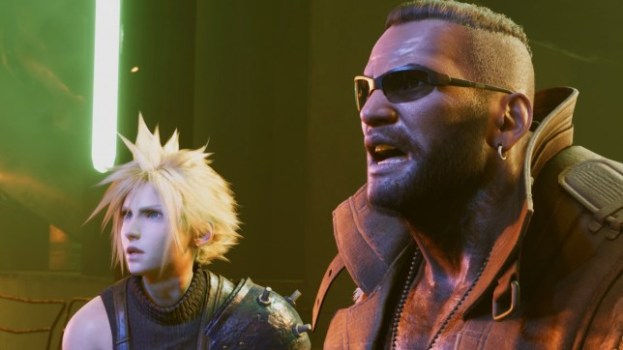
FINAL FANTASY VII REMAKE

First on the list is a game that I honestly could not care less about, but the gaming audience at large loves, Final Fantasy VII.  It got bumped from a March 3rd release date, to April 10th.

In the grand scheme of things, this one isn’t so bad.  People have waited a hilariously long time for this game to come out that I don’t think another month is too much to ask.  It doesn’t matter anyway consider no matter what happens, people are still going to complain about the changes that were made.

This delay is far enough away from the launch of the next consoles that sales won’t be impacted at all.


MARVEL’S AVENGERS

So here is where we get into the more concerning delays.  Marvel’s Avengers is an already strange product, marrying single player and cooperative third-person action with a live service model.  I’m not saying it can’t work, but it’s a weird fit for a long awaited Avengers game.

Regardless, the game was pushed from May to September 4th of this year.  We can assume that the next consoles will come out around November meaning that this live service game has roughly 2 months or less of capturing an audience.

Now yes, I understand that not everyone is going to buy a console the second it’s released, and yes I understand that Xbox is doing their “all games work on both consoles” thing, but with it releasing so close to a new console launch, there’s no way that Marvel’s Avengers doesn’t either get re-released on the new consoles, or just get delayed and released as a launch title.

I’m so curious about this game, and every time I hear more about it I get more and more concerned.  Hopefully someone who gets paid to make these decisions has a plan, but from the outside looking in, it doesn’t look great for Marvel’s Avengers.


CYBERPUNK 2077

There’s no possible way that Cyberpunk 2077 can possibly live up to the hype, but I’m still hopeful.  Originally slated for April 16th, Cyberpunk 2077 is listed for a September 17th release date.

While it isn’t a live service game like Marvel’s Avengers is, Cyberpunk 2077 is a massive, open-world action-RPG that’s going to take some time to get through if The Witcher 3 is any indication.  This one isn’t so much as me being worried that the new consoles are going to eat Cyberpunk‘s lunch, but more me just wanting it to be a next generation title at this point.

In fact, I kind of wish Cyberpunk was planned as a next generation title in the first place.  Everything that they’ve shown looks beautiful and ambitious, and I worry that the hardware it’ll be running on won’t hold up its end of the bargain.  Maybe an Xbox One X or PS4 Pro will handle it better, but for those of us with launch hardware, I’m not convinced that we’re going to get a technically solid experience.

With all that said though, I’m sure that this game is going to get some sort of “game of the year” version with all the DLC or whatever after a year or so into the next console cycle.  Cyberpunk 2077 is gonna be just fine.


DYING LIGHT 2

Now this one is concerning because it went from having an ambiguous “spring 2020,” release date, to not having one at all.  Dying Light 2 was pitched as a highly ambitious game, particularly in the storytelling department, promising players vastly branching paths with difficult decisions that have actual impact on the story and world.  It sounds great, but it also sounds like something that could be oversold very easily.

More to the point, without a window of time to expect Dying Light 2, it’s easy to assume the worst for the game, but I don’t think it’s on the verge on complete cancellation or anything like that.  What I do think is that the pitch and scope of the game vastly overshadowed what the team at Techland can actually deliver.  That isn’t an indictment of them as a studio, it’s just me pointing out that the initial pitch was lofty to begin with.

Do I think this game is doomed?  No.  Do I think that it’s going to be scaled back?  Yes.  Do I think it’ll be a next generation game?  100 percent.  Am I any less excited to play it?  Nope.


Full disclosure; this was written over a week ago, so I’m sure 15 other games got delayed since then.  I welcome all delays, but if Nintendo bumps Animal Crossing back once more, I will riot.

Early Impressions: New Cities

If I had to list my favorite genres of games, strategy and tactics would probably hover somewhere by the bottom.  But there’s always an exception to the rule, and city building games are mine.  Having dumped endless hours of my life into games like Sim City 4 and Cities Skylines, it was a no-brainer backing the New Cities Indiegogo campaign.

The first few days of receiving a key for, and downloading New Cities, I would try to launch the game from Steam only to have it immediately crash.  Considering New Cities is only available to backers of the campaign, I wasn’t surprised to find that there were no answers to my dilemma.  So I reached out to the developers behind the game, Lone Pine, and over the course of a handful of emails and a few days, I finally got the game up and running.
20200122104321_1.jpg

Finally able to actually play New Cities, I loaded up a new world only to be a little intimidated by the sheer scope of the city I could make.  In games like Cities Skylines, you’re given a large map with several plots of land to pick from to start your city in.  New Cities goes hog-wild with this idea, and just allows you to start anywhere on the map.  You can zoom in and out till your heart’s content and just kind of build whatever you want anywhere, which is a little overwhelming.
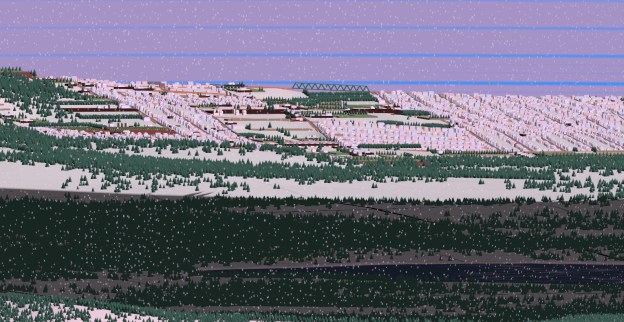
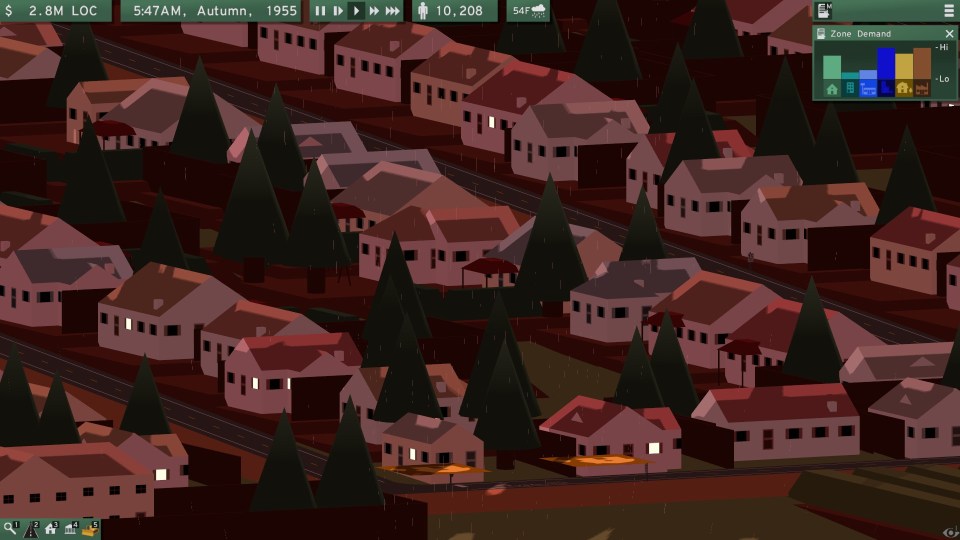
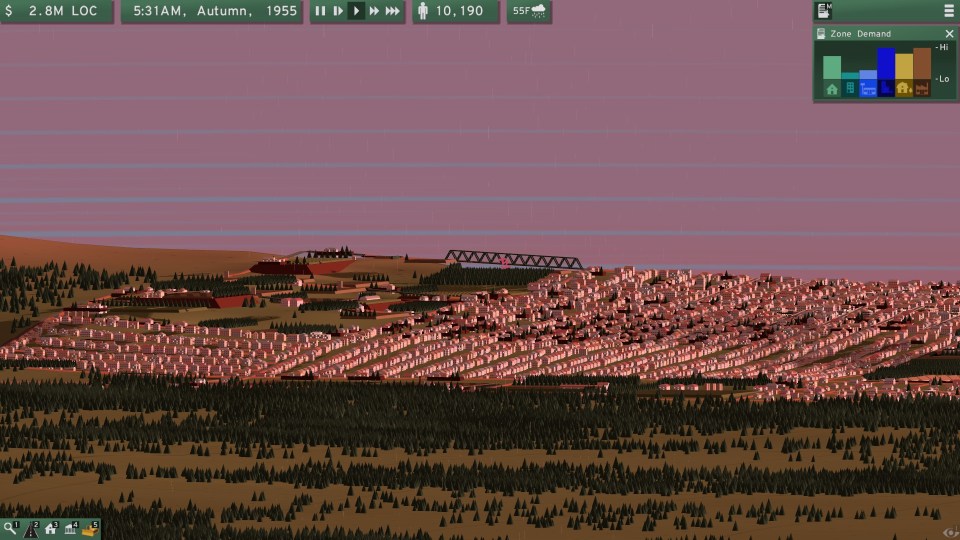
Unlike its modern counterparts, New Cities is going for the Sim City 4 approach of having things be more grid-based, and not allowing for curved roads or anything like that.  Which is fine for now honestly considering I start all of my cities on a grid anyway, but I’m sure people would like that option in the future.  This throwback style not only exists in its mechanics, but in its visual presentation.  Everything has a low-poly look too it, with buildings and scenery drenched in these shifting pastel hues.  Sometimes everything is covered in a cool purple light, and it feels like I’m building a vapor-wave city which is something I’m very into.

20200122103239_1.jpg

Keeping in mind how early of a build of New Cities I’m currently playing, it doesn’t feel right to harp on the things it’s missing or aren’t surfaced well just yet.  I’m sure everything is subject to change, but it’s worth highlighting some areas of improvement.

Navigating the UI is a little more cumbersome than I would like.  The menus aren’t overly complicated or complex, but there aren’t any tool-tips that can explain what I’m clicking on.  Opening up the statistics on your city give you various graphs and numbers that I’m sure would help me if I could understand what I’m looking at.  Like I said, it’s still in development, so I’m not upset these things aren’t super well explained, but these things are definitely issues I’d like to see fixed.

Along with UI issues, just like a lot of city-builders, not a lot is explained to you in terms of progression.  When you start, you do the standard thing of building roads and zoning for residential, retail and agricultural and that’s it.  There’s nothing else you can build in the early goings until you get upwards of 1000 – 5000 residents in your town.  Without things to build, terraforming, or unique infrastructure, it makes your city feel very empty and extremely generic.

20200122103219_1.jpg

There aren’t any power, water, or sewage requirements, which takes away the resource management of traditional city-builders, making the early game even less engaging, making the only thing you need to pay attention to be your cash flow.  There are some icons that’ll pop up over buildings that indicate joblessness, lack of customers and something that just says, “no freight,” but there’s nothing that I’ve found that really instructs you as to how to deal with any of that.

One interesting thing about New Cities is how expensive everything is.  I understand that in the real world, things are expensive and buildings and infrastructure are pricey, but it’s a little weird when a police station costs more than half of your starting budget.  That isn’t a complaint, that’s just me being caught off guard by the sheer price of everything. I kind of screwed myself in one city by starting on an island.  Once I ran out of space, I decided to expand onto the mainland.  Or at least I would have done that if bridges didn’t cost 300 million dollars to build.  So now I just have like 9000 people stranded on an island forever.
But I can’t be too hard on New Cities considering it’s still in active development, with plans of hitting early access later this year.  The experience is thin and in places obtuse, but this feels like a really good proof of concept to, pardon the pun, build off of.  The core of New Cities is solid, but needs an injection of things to build and manage especially in the early game, as well as a general pass at improving the little quality of life stuff like tool-tips.  I think New Cities can be something special with enough time, and I look forward to following it as it progresses.


Gut Check – Pokemon Sword & Shield

Having been out of the Pokemon game for decades, I never found myself yearning to get back into the mix and catch them all like I did when I was a child.  But recently thanks to the kindness of a friend, I was given the opportunity to try the latest Pokemon offering in the form of Pokemon Shield, and I’m not entirely sure how I feel about it.

Pokemon Shield starts pretty similarly to every other Pokemon game, with you setting out as a wayward child in the hopes of becoming the greatest Pokemon trainer of all time.  Sound familiar?

I’m not well versed in the modern Pokemon discourse and don’t really have an opinion on all of the hubbub surrounding this latest release, but from the little I’ve played of Pokemon Shield, it seems fine.  You’ve got all the staples of Pokemon games in the battling, catching and getting ambushed by people in the woods who are bloodthirsty and always ready to throw down.

The variety of new Pokemon seems pretty good from what I’ve seen, but then again I only really know the original 150 and not much else, so these could be older Pokemon from generations I’ve never played.  That being said, they still have that great Pokemon charm with creatures ranging from adorable to utterly confounding.

It’s hard to talk about Pokemon Shield as a game considering that most of what I’ve done so far has been pretty boilerplate for the series.  I did appreciate how I could skip some of the tutorials about how to catch and battle Pokemon, but somehow was still drowning in excessive exposition and redundant conversations.  I don’t need my rival to explain to me three times in one conversation that he wants to be the best trainer and win the championship or whatever.  You’ve mentioned it in basically every conversation we’ve had buddy, do you ever think about anything else?

But that’s Pokemon right?  Just a bunch of wannabes vying for the top slot but never being good enough to overcome you.

The thing is that I don’t really have strong feelings about Pokemon as a concept or a game, so I can’t make a qualitative statement about Pokemon Shield because I’ve been so far from it for so long that it wouldn’t be fair.  But what I can say is that it was a little disappointing to boot up the game and just go through the same motions that I did over 20 years ago.

I don’t know what people want out of a new Pokemon game, nor do I know what I’d want out of a new entry in the series.  But I guess it’s important for me to remember that these games aren’t for me, they’re for kids and fans of the series.  It doesn’t feel right to be overly critical of something that’s so foreign to me, but as it is I don’t think I’m really going to continue playing Pokemon Shield that much because it just feels like I’m playing a prettier version of the same thing I played as a kid.

Blog: Like the Old Days – 01/22/20

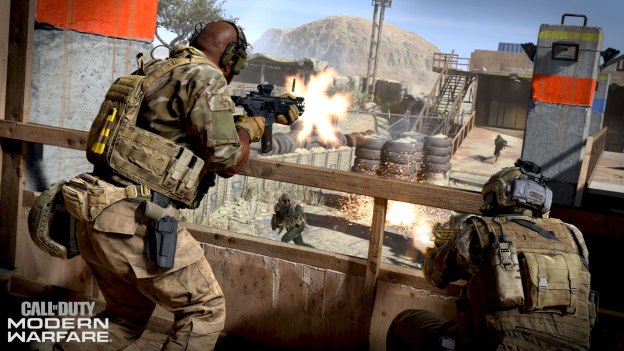
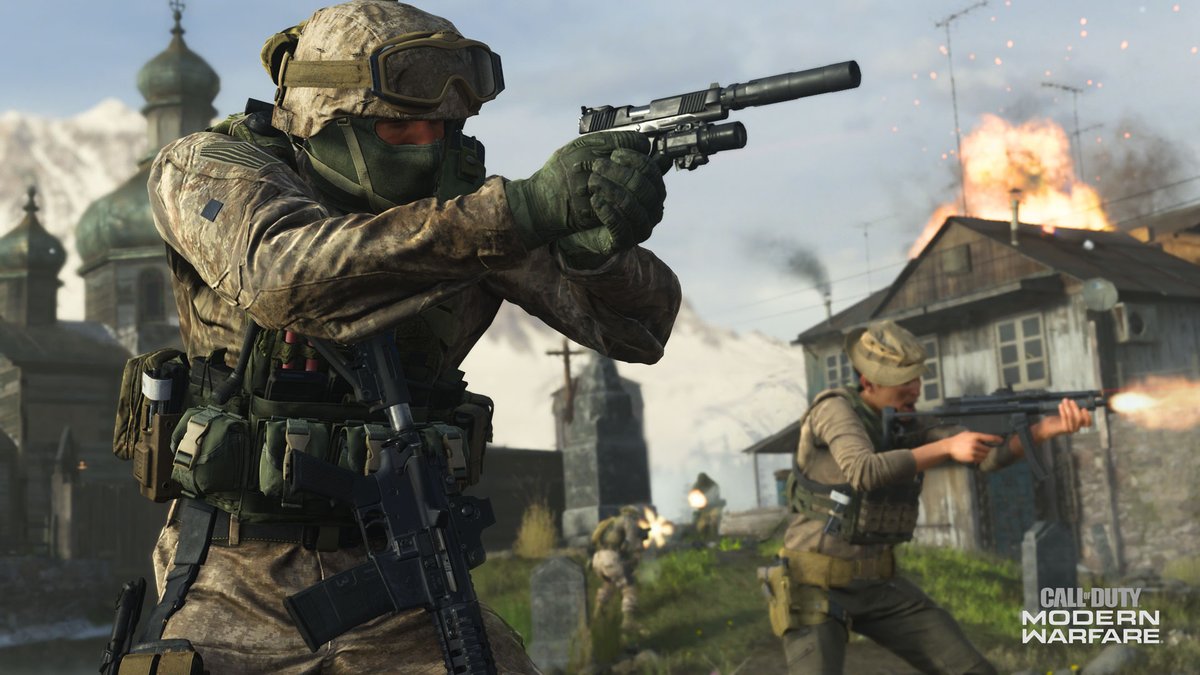
Sometimes games strive to endear themselves to you through a healthy smattering of nostalgia, which usually yields mixed results at best.  But some games exist solely for the purpose of reigniting old flames you thought had died in you long ago.  Call of Duty: Modern Warfare is a prime example of the latter.

For context, the original Modern Warfare came out in 2007 when my friends and I had all graduated from high school.  It was the perfect time for a game like that to keep us all together and talking considering we wouldn’t be forced to be in the same place for five days a week.  It was a nightly ritual that involved us playing long into the night and talking to one another.  It isn’t a unique story by any means, but it’s one that I look back on fondly.

Fast forward to today where everyone is scattered about and doing their own thing.  I bought Call of Duty: Modern Warfare out of some weird longing mixed with the general hype I’d heard since it released.  Within the first few minutes of playing it, I immediately was flooded with memories of those long nights we would spend together online, and how important that was to me.

Nowadays my gaming buddies and I have drastically different tastes in games, making it hard to sync up on a purchase we can all enjoy, so I knew this game wouldn’t appeal to them.  But I picked it up anyway, just for my own curiosity.  It’s still incredibly fun and chaotic just like I remembered it, except this time around I’m flying solo.  That sounds sadder than I intended it to, but it’s no less true.

There’s still something satisfying and endlessly replayable about the core mechanics and progression in the Call of Duty games that few other titles have matched.  While I may not have my friends in my ear, cracking jokes and complaining about how “cheap” the enemies tactics are, I still get that endorphin rush of just running laps around a map and blasting my enemies away getting killed constantly.

Yet for as much fun as I’m having playing Call of Duty: Modern Warfare, it still feels like half of an experience without friends to play with.  I know I’ll never get those late night game sessions back and quite frankly, I don’t think I really want them.  Hell, I can barely stay awake past 11 o’clock these days let alone play a game until 2 in the morning.  But there’s something about Call of Duty that makes me wish I could.  I guess that’s the power of a good nostalgia trip.

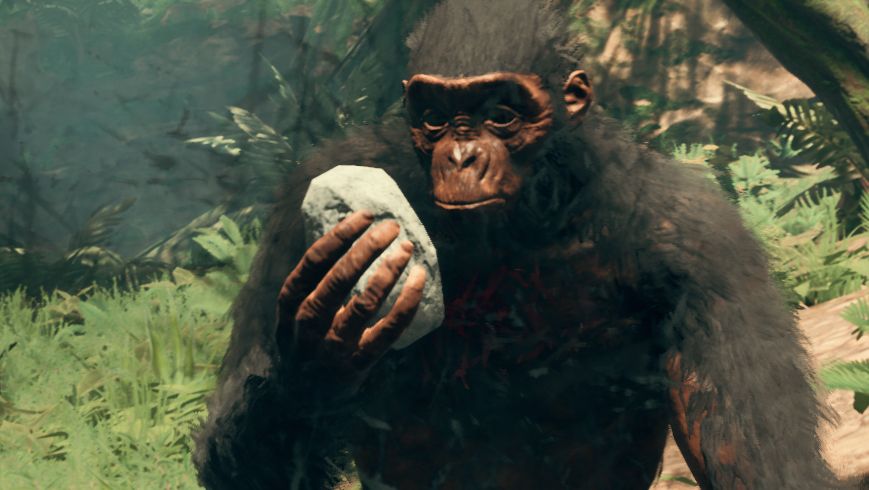
Gut Check – Ancestors: The Humankind Odyssey

There are games that nail various aspects of their design, from story to gameplay and so on, but rarely do I find a game that is so fascinating that I’m willing to overlook its various shortcomings.  That’s the way i feel about Ancestors: The Humankind Odyssey and its bizarre offerings.

I guess you could call Ancestors: The Humankind Odyssey an action-RPG with survival mechanics if you really wanted to put it in a box, but it’s so much more than a genre descriptor could ever truly describe.

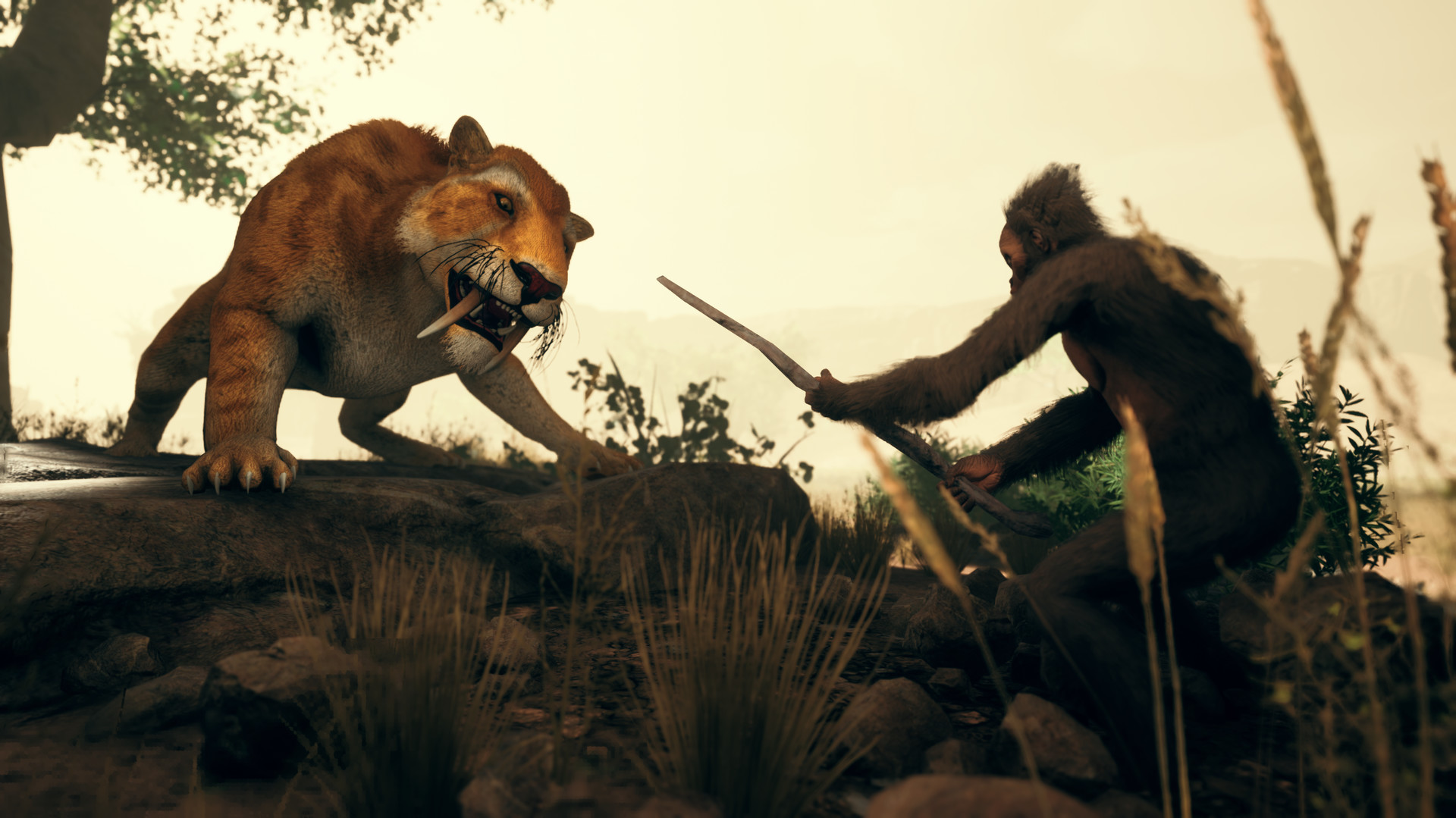
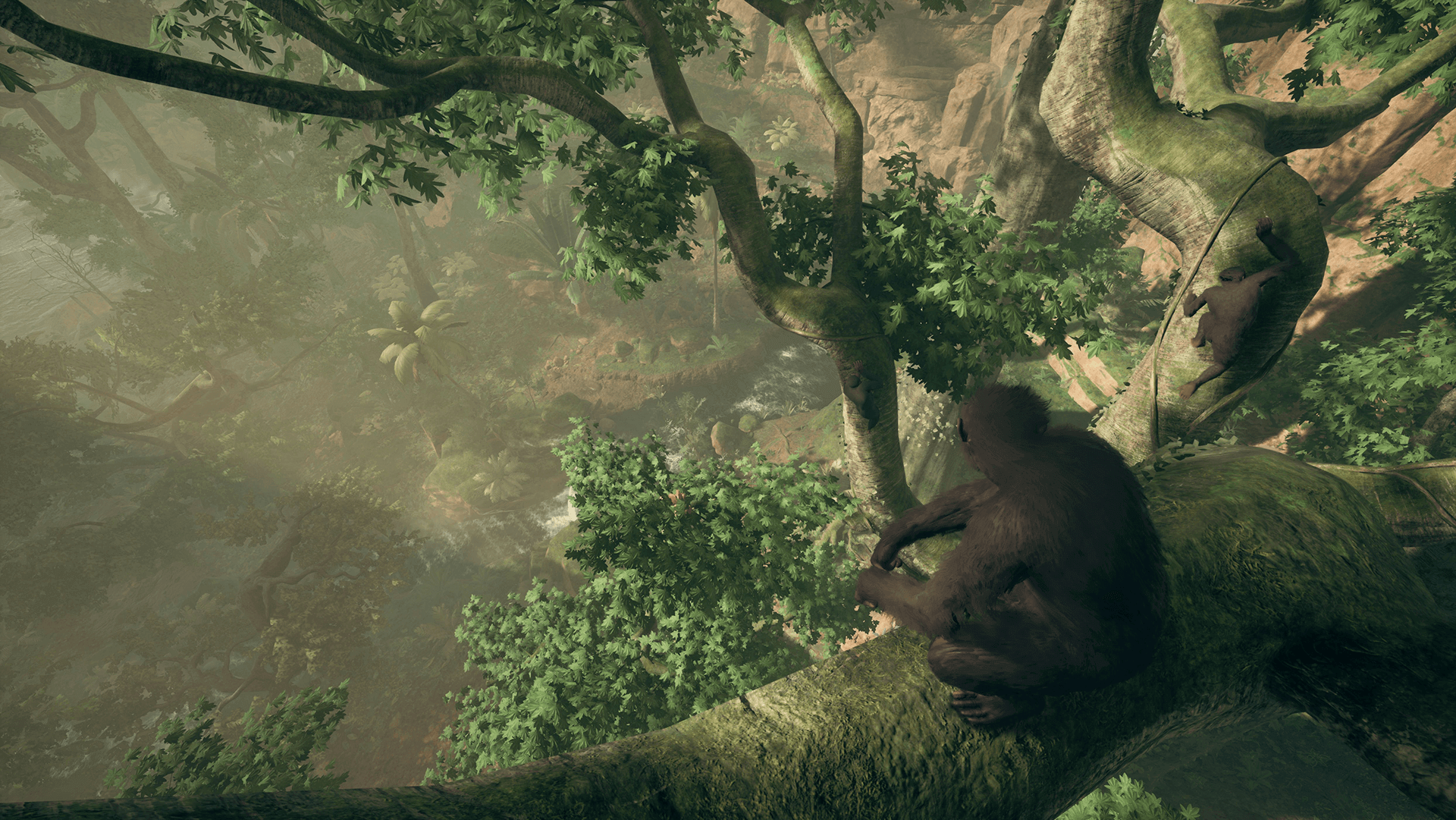
You play as an early hominid about ten million years ago, trying not only to survive, but to learn and pass on as much knowledge as you can to future generations.  The pitch is incredibly interesting, but the execution is questionable at best.

The idea is that you’re learning along with the player character, not necessarily in what skills and concepts you pick up, but in how to do literally anything in the game.  It kind of feels like you’re learning two games at once.

I wouldn’t normally explain control schemes, but I feel like it’s necessary in this case.  You’ve got standard movement and camera controls, but to run or jump you have to hold down the A button to run, and release that hold to jump.  It reminds me a lot of how Tony Hawk’s Pro Skater controlled oddly enough.  You also have different sense mapped to different face buttons.  One activates your smell, your hearing and your intelligence I think?  But rarely have any of these senses been useful because everything is so obtuse in Ancestors: The Humankind Odyssey.

For instance, there are essentially mini-games that you need to succeed at to do everything.  Want to sharpen a stick with a rock?  Well you need to not only have a rock in one hand and a stick in the other, but then you need to play this timing based game where you repeatedly smash the rock into the stick until it’s sharp.  Want to stab a wild boar?  Well you can’t unless you have the sharp stick in hand and dodge into the attacking boar at the right time.  Weird, right?

It gets even more confusing when you are unlocking new abilities.  You have a skill tree for your current character, and you unlock abilities by doing or encountering things.  For example, I ate a mushroom that poisoned me, but not because it was poisonous, but because I was a carnivore and my metabolism wasn’t prepared for an omnivorous diet.  Eating more of these would increase my tolerance, (I think?) and allow me to unlock a better metabolism in the skill tree.

But that skill only applies to this current character.  To lock these in, you need to take a kid along with you on your adventures so they learn it.  Doing that allows you to “reinforce” a skill, making it something that is inherently known for future generations.  But if you die with a baby on your back, you suddenly play as the baby who has to find a hiding spot.  Once you do that, you transport into another living adult, and have to recover the child by finding them, and playing the worst mini-game I’ve ever seen.  You have to essentially calm the kid by howling at it at the right time, but it feels completely arbitrary as to when that timing window is, and doesn’t give you any feedback at all.

And that’s all I came back with in the first hour or so!  Who knows what other craziness is thrown at me later in the game.

Ultimately we have a game that controls oddly, doesn’t give you any real direction, and has obtuse and obfuscated mechanics.  All of that said, I can’t stop thinking about this stupid game.  It’s so weird that despite all of the fundamental issues I have with it as a game, I need to know what happens next.  Is there a point where I eventually become a human?  Do I learn how to make fire?  Can I make weapons and hunt stuff instead of being terrified of literally anything that crosses my path?  Who can say?  All I know is that despite its flaws, I want to see what else is going on in Ancestors: The Humankind Odyssey.

Blog: Virtually Real – 01/15/20

For the past few weeks I’ve had ample access to an HTC Vive, showing it off to family and friends alike, but mostly just messing around with various physics playgrounds and breaking things.  Aside from the setup, the sweating, and occasionally knocking things over, it’s been pretty great.  There are a handful of games that I’ve been playing, some old and some new, that I thought I’d highlight.


VACATION SIMULATOR

Recently a new feature was launched on this site called Gut Check wherein I talk about the opening hour or so of a game and go over my impressions of them.  I decided to start out with Vacation Simulator, a game I ultimately ended up enjoying a lot.  Now, you can read my initial take on it here, but not much has changed from that.

I still find some of the design decisions questionable, but I’m still having fun with it and its charming atmosphere.  There’s just something fun about picking things up and throwing them around in VR.  I will say that after playing it some more, I find that a lot of the objectives are pretty rigid and don’t allow for much in the way of creativity.  It feels more like a puzzle game than its predecessor Job Simulator, but it’s still a fun VR experience nonetheless.


I EXPECT YOU TO DIE

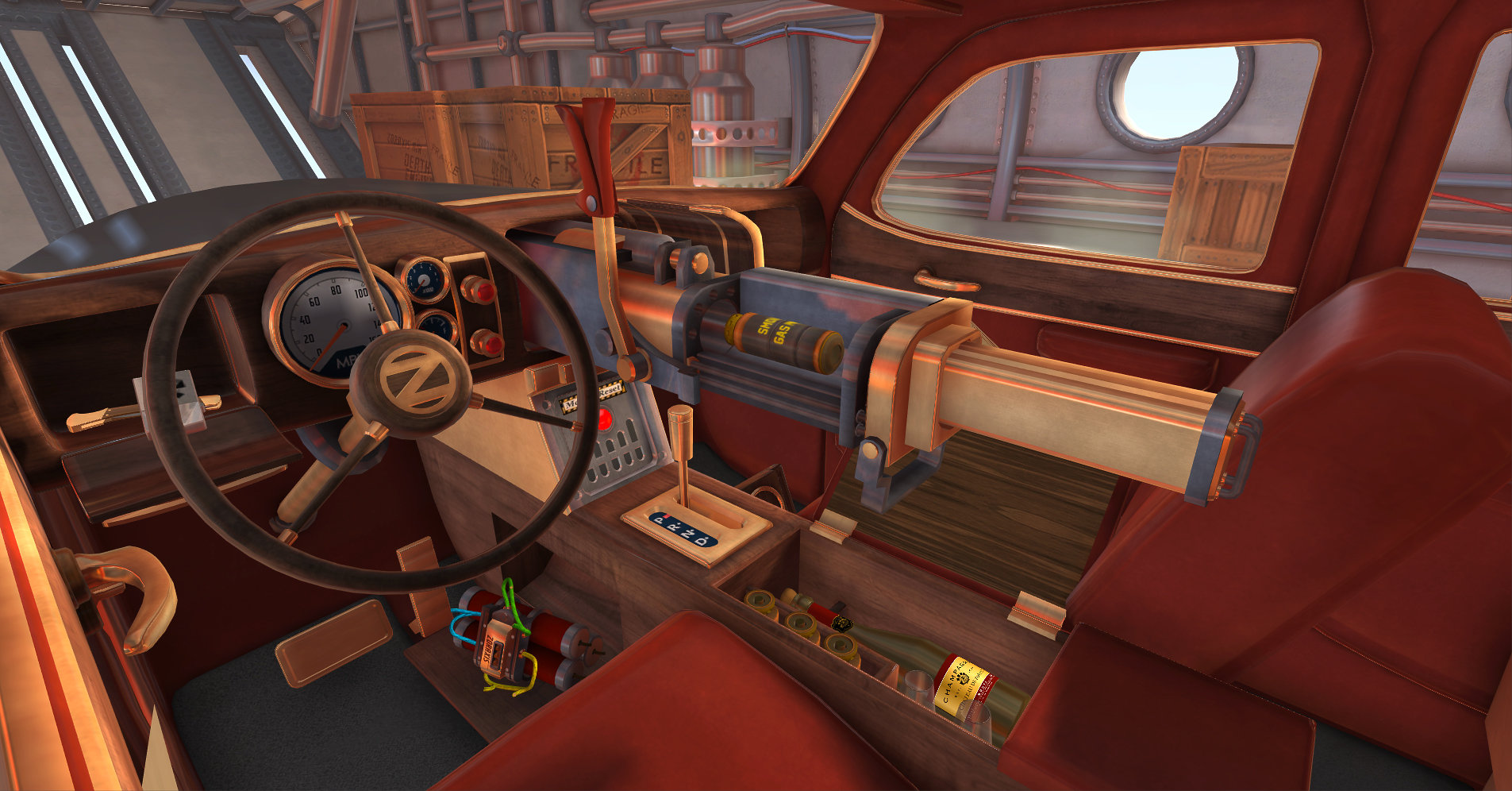
Speaking of throwing things around and solving puzzles, I Expect You to Die is a really cool puzzle game that puts you in the shoes of a secret agent trying to escape from various traps and accomplish missions.

The first case you’re assigned on is to escape a car that’s in the back of a cargo plane that’s filling up with noxious gas.  In what’s basically a tutorial, I had to do things like disarm a bomb and dodge laser beams along with less exciting things like burn notes to find the secret note hidden underneath.

It’s a game that doesn’t take itself too seriously and let’s you mess around with everything you can reach.  My only complaint is how much it relies on trial and error, making you replay the entire level in the hopes of making it to where you died and hopefully figuring out the solution.  It just feels a little tedious sometimes, but it’s still a lot of fun.


BLADE AND SORCERY

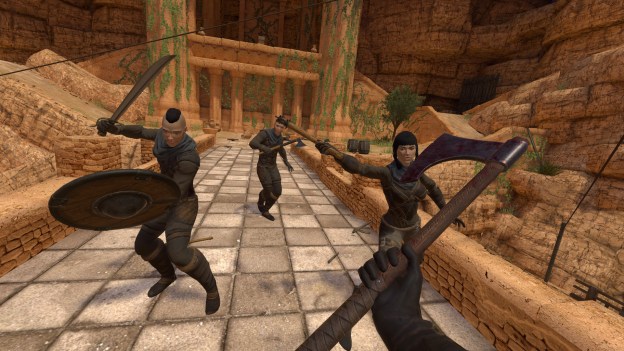
So I’ve basically been playing Blade and Sorcery every time I put on the headset.  You play as some sort of fighter in a suit of armor, and go to different levels and take on different combat challenges.  Sometimes it’s one on one fights, sometimes you’re vastly outnumbered, but no matter what, it always feels good to swing a sword in VR and this is no exception.

For as fun as the core loop of just sword fighting fools is, I found the overall game to be pretty thin at the moment, not really offering anything in terms of progression or diversity in objectives, but it is in early access to be fair.

I also found that sometimes the movement controls just don’t work which might be a game problem or my specific VR kit problem, I can’t be sure.  But I really would like to see more sorcery from a game that has sorcery in the title.  As of now, you can only really zap people with lighting which stuns them and will kill them if sustained long enough.

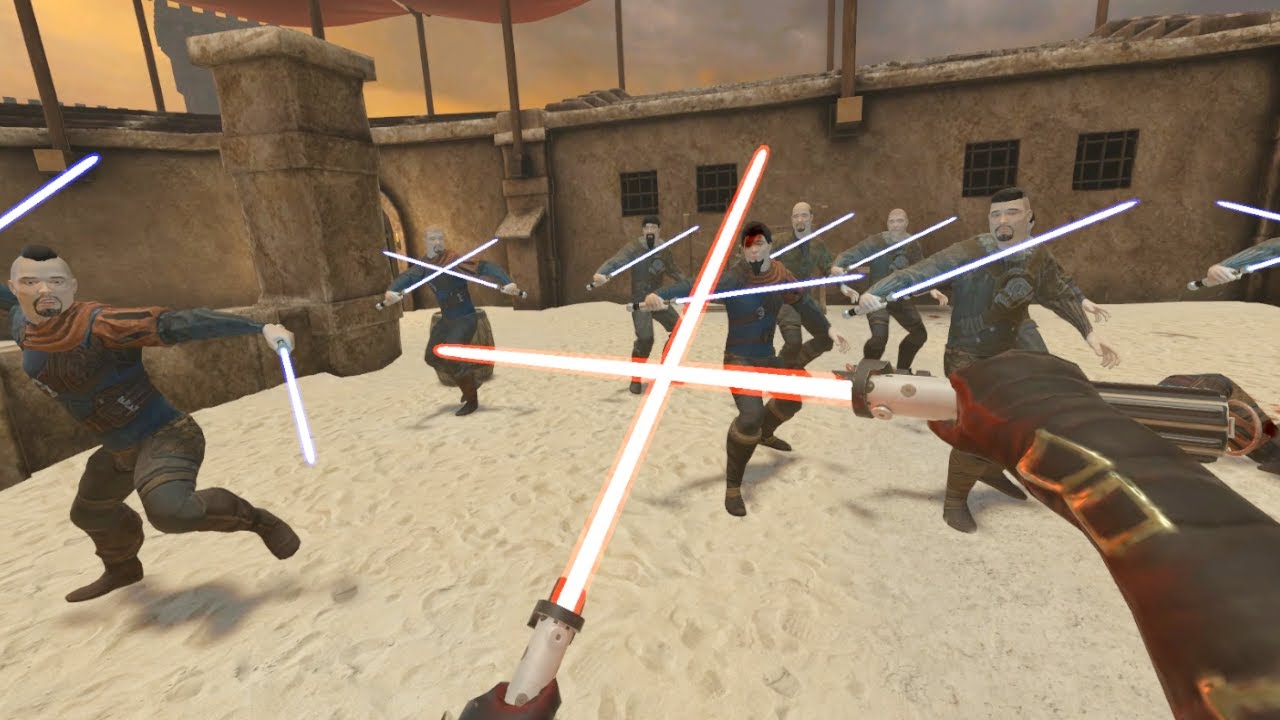
But the real highlight of Blade and Sorcery isn’t what’s in the game, but what you can mod into the game.  Full disclosure, I got this game because I saw there was a mod that turned it into a Star Wars experience.  So whenever I want to hop into some action, I grab a light saber, a blaster, and mow down an endless horde of Sith and Jedi alike.  And that’s all made better when you install the infinite magic mod which allows you to have infinite slow motion.  It let’s me feel like the baddest of asses and I’m 100% onboard with whatever they add into the core game.


I really enjoy VR, but it just doesn’t have enough quality content available to move headsets.  Along with that, we’re still a few iterations away from getting a powerful, wireless headset that wont set your head on fire and somehow has a decent battery.  Till then, just find a friend with VR and experience it through them.

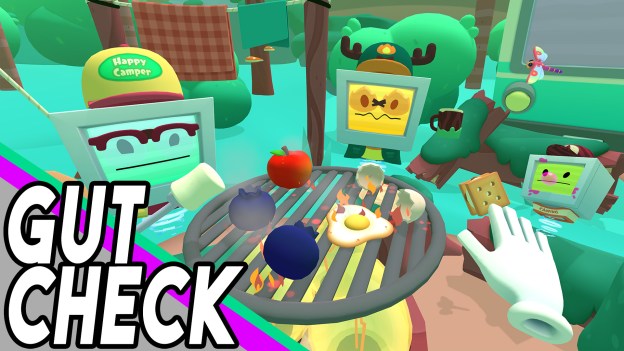
Gut Check – Vacation Simulator

Welcome to the first installment of Gut Check, a feature about first impressions in video games.  To read some backstory on why and how Gut Check came into existence, check out this post.  But without further ado, let’s take a look at the follow up to Job Simulator, the aptly titled, Vacation Simulator.

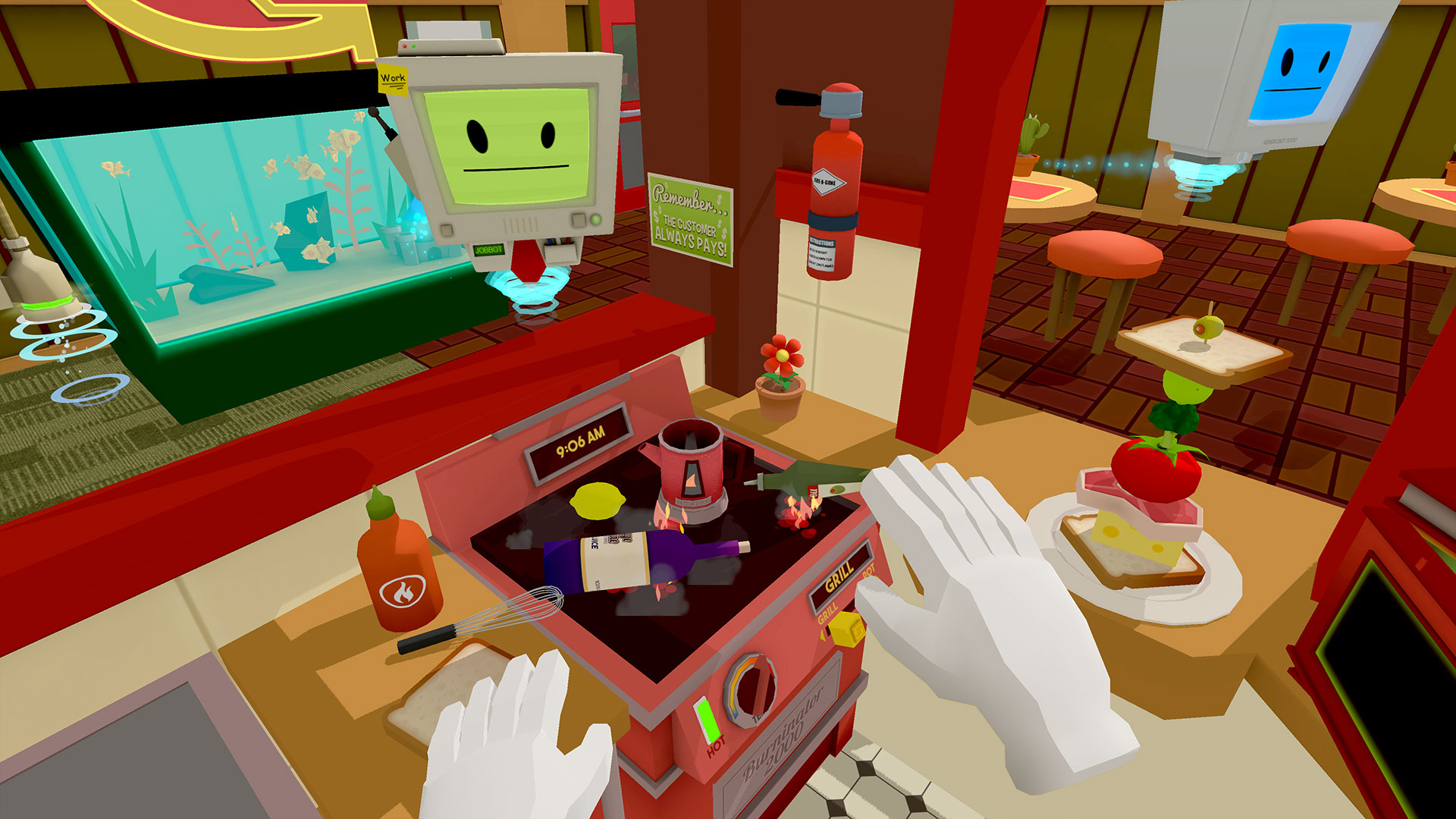
For context, Job Simulator was and still is one of the best virtual reality games around because of how nonsensical, nonlinear, yet focused gameplay.  In Job Simulator you were basically in a museum, hundreds of years into the future, learning about the jobs that humans did before they all died.  Things like office work, car repair and others were all available for you to play with, but never was it an actual simulation of how these careers actually were.

Instead you were hurling around coffee cups, shoving bananas in tailpipes and doing all sorts of goofy things that these robots thought humans did.  It was also a great way to introduce people to VR and get them acquainted with the controls and possibilities.

With all of that said, Vacation Simulator seems to be a more blown out version of its predecessor in just about every way, for better and worse.

The best parts of both Job and Vacation Simulator are the wild interactions that you can have while in a somewhat familiar setting.  Maybe you’ve never worked in a convenience store, but we all have an understanding of what that looks like.  Similarly, Vacation Simulator takes you to a beach, a campsite, and a snowy peak where you can interact with anything that isn’t nailed down and silly interactions with the other vacationers.

Where Vacation Simulator loses me a bit is in the scope of the thing.  What made Job Simulator so fun and approachable was that you didn’t need to worry about what was going on from level to level, or even mission to mission.  It was all self contained in a way that made it accessible.  Vacation Simulator however, opted to go with a more interconnected world where completing tasks involves you going to different places.  It’s not a bad idea, but it leads to a clashing of ideologies that makes the game seem like it’s at odds with itself.

For instance, in the beach level there was a grill where I could cook up orders for people and deliver it to them.  All of the ingredients for a cookout were right there, and the customers who wanted the food were on the beach.  But as the missions got more intricate and introduced more ways for me to mess up an order, I was also tasked with delivering food to different locations as well as gathering ingredients from those locales too.  In this particular instance it bums me out because someone on the beach wanted a s’more, but I had to go collect marshmallows from the forest map and bring them back to cook up the order.  And since you have limited inventory space, you might find yourself screwing up said order and having to trudge back to the other map.

It just feels a little like (ironically) busy work was introduced into the game to make it seem like a more robust experience.  Now, none of this is ever so off-putting that it made me not want to play more.  Vacation Simulator manages to introduce plenty of new and interesting interactions and missions into the world that keep it interesting.  But I feel that the multi-level objectives end up feeling more like work than just goofing around.

That all being said, Vacation Simulator is a great time for anyone who enjoyed its predecessor and its brand of silly humor.  It’s still a charming and fun virtual reality game that ultimately takes two steps forward and one step back.  The biggest disappointment in my eyes is the fact that this game won’t be the first thing I put new VR players in.  Job Simulator is still the game I get people to try out who are curious about VR, because of how straightforward it is.  Vacation Simulator layers on a bit too many elements to make it approachable to first time users for my tastes, but it’s still one hell of a good time.  I’ll continue to play this one for sure.


Blog: Gut Check – 01/08/20

Last year I found myself struggling to find the time or enthusiasm to play and finish all of the games that came my way.  I felt obligated to suffer through some games I really didn’t enjoy and some that just did nothing for me all for the sake of having something to write about.

The truth is, if a game doesn’t hook my early on, it probably never will.  That’s why I went ahead and came up with Gut Check, a feature in which I describe why a game hooked me or why it didn’t within the .  This isn’t a review of the product as a whole, but more of a look at the earliest parts of a game and how it left me feeling.

As it stands, the format will involve me playing at the very least, one hour of a game.  After that, I’ll either continue or back off, but I’ll explain my reasons for both scenarios.  Also, I’m well aware that doing this might be unfair to certain games and genres, so I’m being a little more discerning in my selections making sure that the games in Gut Check actually belong here.

Not all games can be judged in an hour, but I feel that if a game can’t get its claws into me in the first hour or so, it probably never will.  There are always exceptions to the rules and I’m sure this formula will change as time goes on, but for now I hope you come back to check out the first post when it goes live later this week.

Blog: Backlog Blunders – 01/01/20

Firstly, Happy New Year to each and every single one of you, let’s hope it doesn’t suck as much as the last one did.  Secondly, I made some purchases over the past few days, adding to the pile of games I already have.  I’d like to actually start the year off right, and make sure I’m only buying games I genuinely want to play.  That’s why I technically made all these purchases last year, so I’m still good.  So here’s what’s on the list.


WATTAM

I played a little Wattam when it dropped earlier in December and found it to be a pretty thin, yet charming experience on the whole.  It’s not something I’m actively wanting to go back to, but I do have this odd curiosity with it that makes me want to power through and see what else Wattam has to offer.


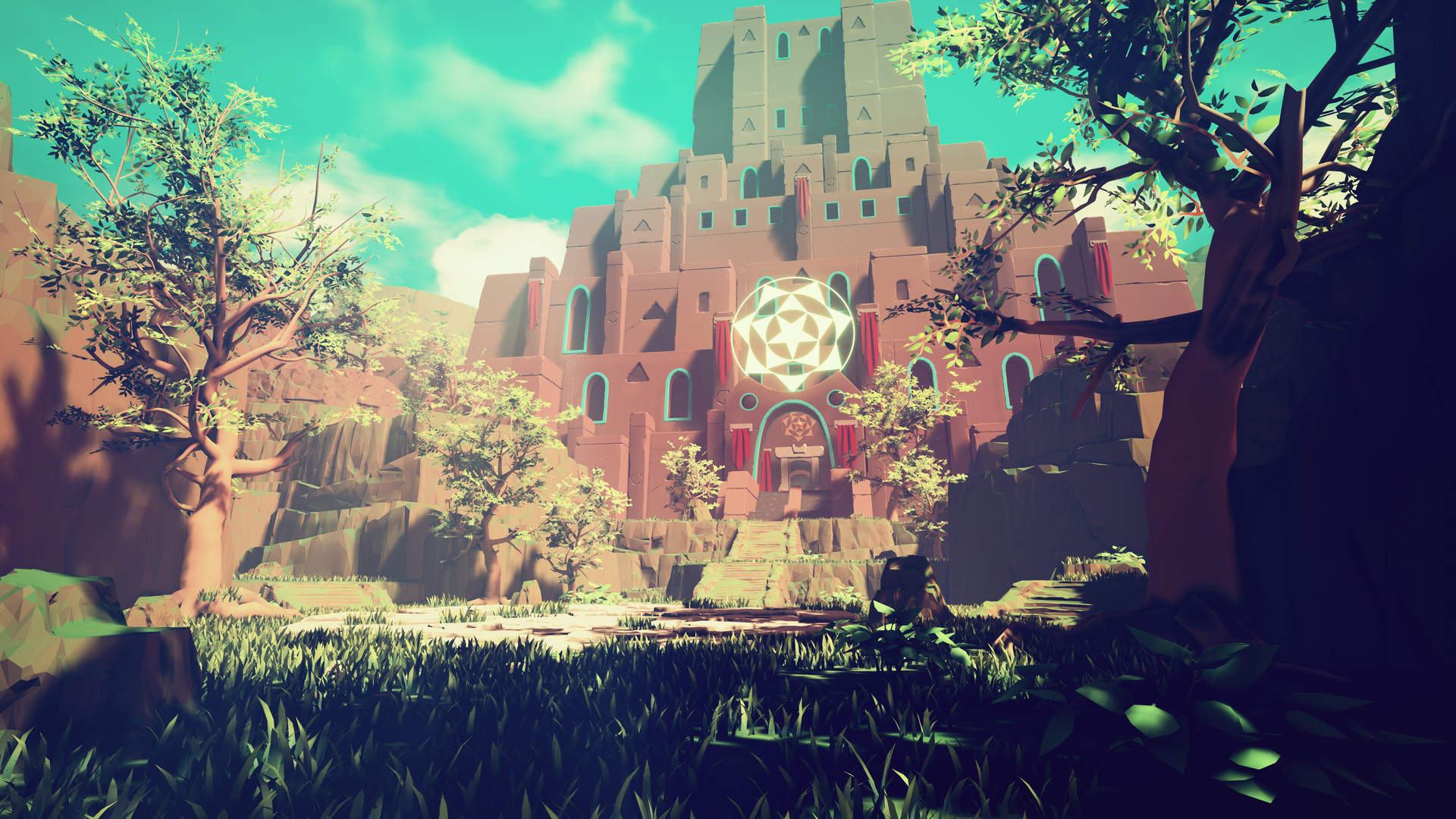
THE SOJOURN

I’m always game for a good puzzle or adventure game, and that’s what appealed to me about The Sojourn.  In the early parts of the game, it hasn’t been particularly gripping, but hopefully that changes as I get further in.  I don’t think I’m at a point where I can recommend The Sojourn to anyone just yet, but I’ll see if that changes as I play more.


A KNIGHTS QUEST

A Knights Quest is an action-adventure game that treads on the same ground that most of the 3D Zelda games do.  In my short time with it I found it pretty average on all counts.  It’s been a pretty unspectacular journey with middling writing, mindless combat and bland level design.  That sounds a lot harsher than I want it to, but it made a pretty lousy first impression that’s making me reconsider if I want to follow through with it at all.


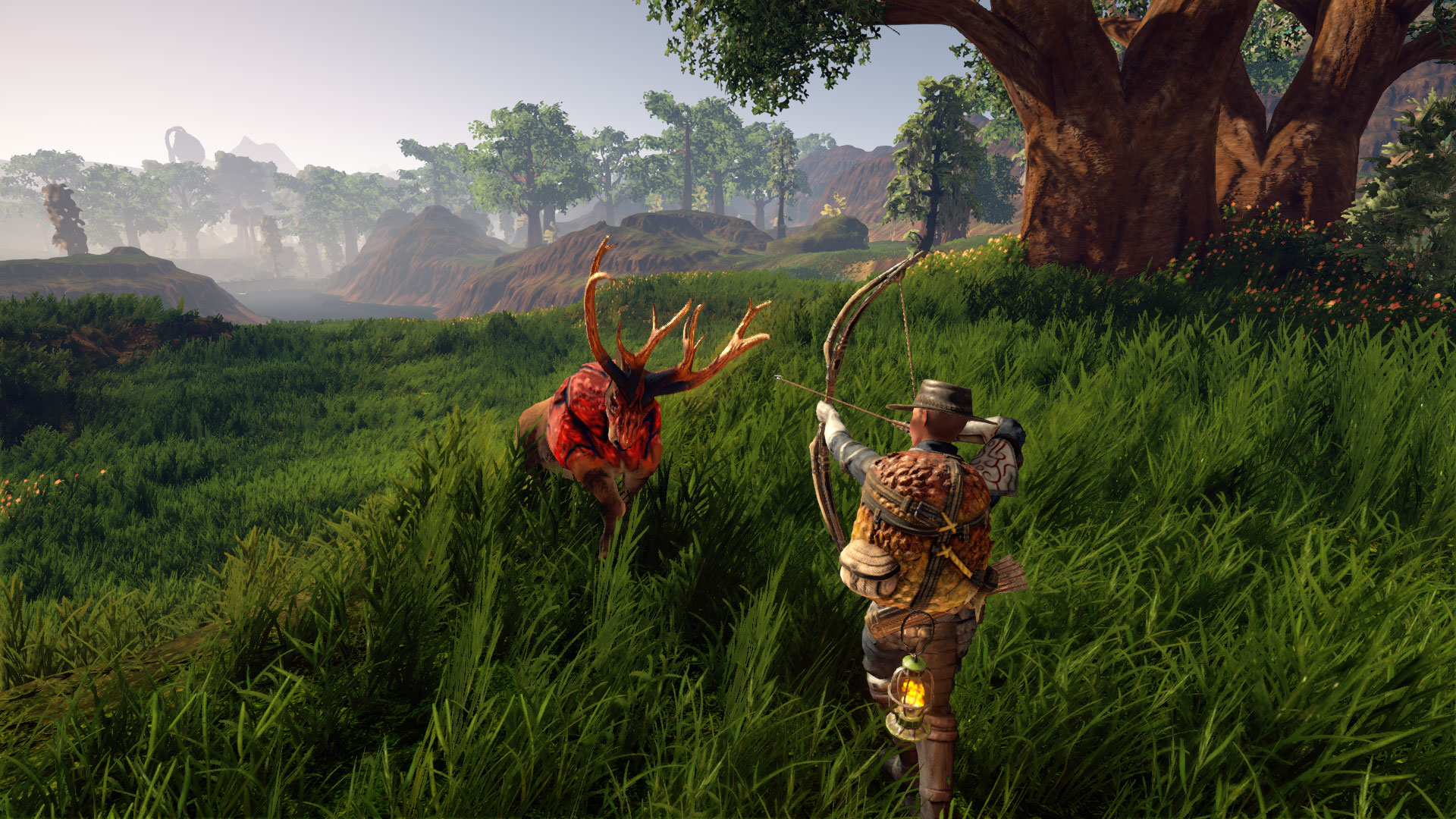
OUTWARD

Outward is a cooperative survival RPG that has a lot going on.  Just from playing the tutorial I felt mildly overwhelmed, worrying about status effects, encumbrance, crafting and survival mechanics.  By all counts it is not a game I think I would venture forward in alone.  Luckily, Outward can be played cooperatively, which is my way of justifying this purchase knowing that maybe one of my more RPG savvy friends might shepherd me through it.


CITY GAME STUDIO

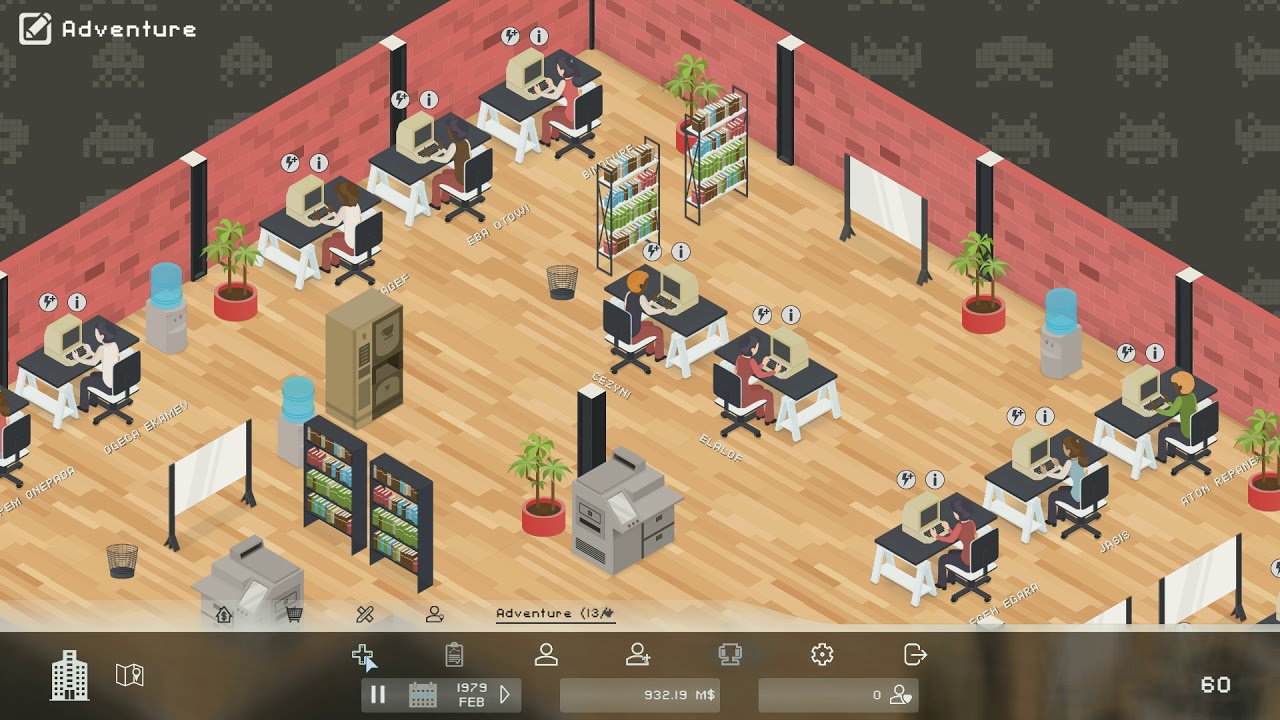
City Game Studio is an early access game development and management game similar to the very popular Game Dev Tycoon.  Being a fan of this subset of management games, I dove in headfirst and felt pretty comfortable with the mechanics at play.  There are a lot of things that aren’t super well explained, but it is in early access, so I’m guessing the tutorials and tool tips aren’t fully fleshed out yet.  I’ll keep an eye on this one though.


PARKASAURUS

I actually haven’t had the chance to dive into the charming world of Parkasaurus just yet, but I’m really looking forward to it.  Much like a Zoo Tycoon or Jurassic World Evolution, your job is to provide a safe and entertaining place for your dinosaurs and customers respectively, in the form of a park.  It seems like a cool idea to be able to build your own dinosaur zoo without all the worry of them breaking out and killing all the people.  I really look forward to when I can sink my teeth into this game.


HYPNOSPACE OUTLAW

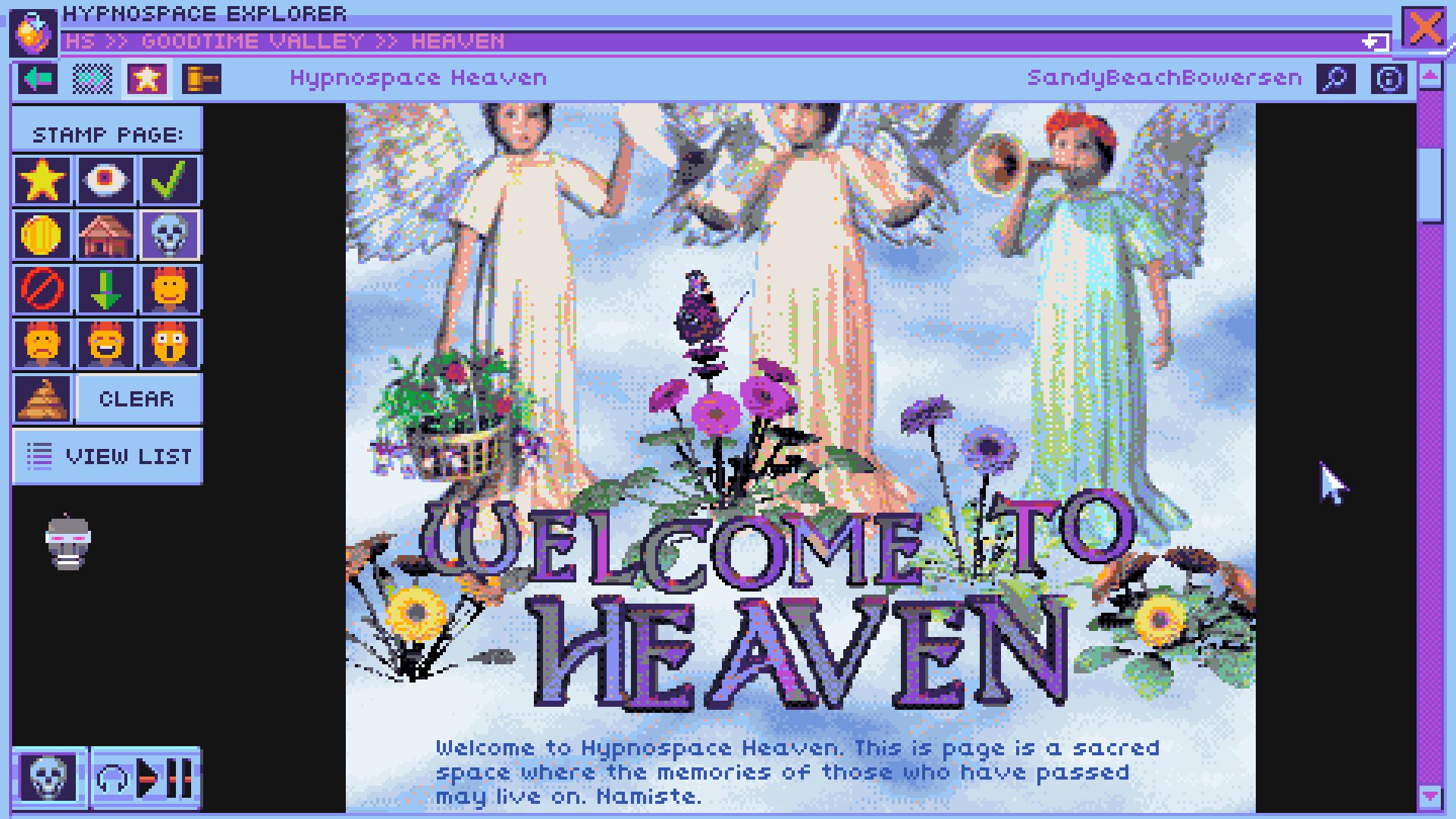
Hypnospace Outlaw has been a game I’ve been interested in for so long, but never pulled the trigger on.  It’s a story/adventure/puzzle game that involves you policing the early internet, flagging various copyright infringements.  Eventually this all coalesces into some bigger mystery for the player to discover and navigate the way they see fit.  It’s definitely the kind of game I could get lost in for a while.  Luckily I now own a copy of it, and I’m going to make time for it in the coming weeks.


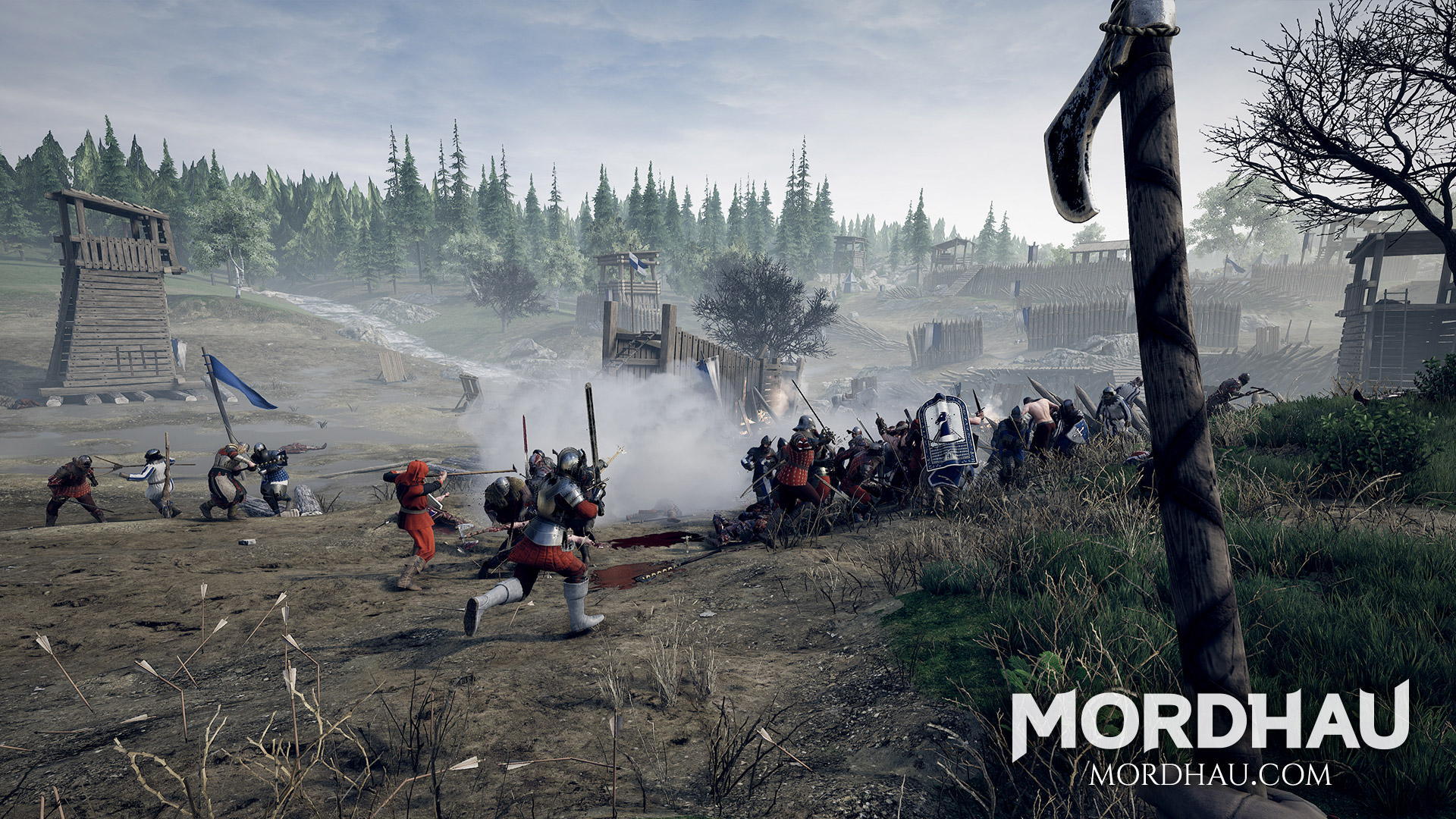
MORDHAU

Hey so it turns out I was right about Mordhau being a really fun game as well as having no desire to play it without my friends.  I specifically told myself I wouldn’t buy it unless my friends were onboard, but here we are.  I really enjoy the combat in Mordhau and think that there’s a lot to enjoy here, but I think that buying copies for my friends might be the only way I sell them on this.